Published: 28 July 2026 | The English Chronicle Desk | The English Chronicle Online
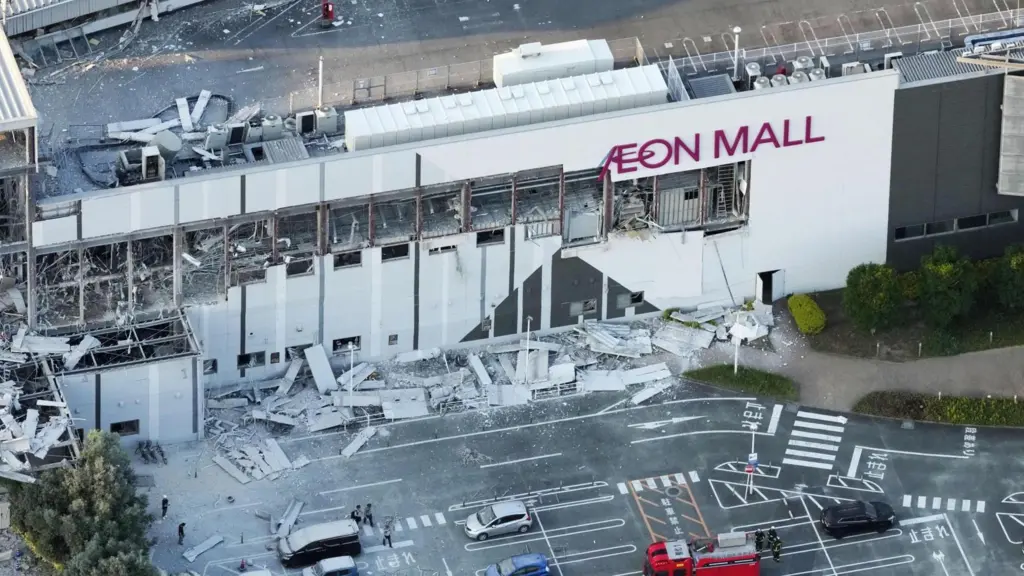
A powerful earthquake in Japan has left many people trapped inside a shopping centre, according to the country’s fire service, as emergency teams race to rescue those caught inside the damaged building.
The incident occurred after a strong earthquake struck parts of Japan, causing buildings to shake violently, disrupting transport networks and prompting emergency responses across affected areas. Firefighters and rescue workers were deployed to the shopping centre after reports emerged that people were unable to escape following the tremor.
Authorities are working to determine the full extent of the damage and the number of people affected, while specialist rescue teams continue searching the building for anyone who may still be trapped.
The earthquake caused panic among shoppers and staff, many of whom rushed for safety as the building began shaking. Witnesses described scenes of confusion as shelves, equipment and interior structures were affected by the force of the tremor.

Japan’s fire service said emergency operations were focused on reaching those inside the shopping centre while ensuring the safety of rescue personnel. Buildings damaged during earthquakes can become unstable, making rescue efforts dangerous and requiring careful planning.
The earthquake is the latest reminder of Japan’s ongoing vulnerability to powerful seismic events. Located along the Pacific Ring of Fire, Japan experiences thousands of earthquakes each year, although only a small number cause significant damage.
The country has some of the world’s strictest earthquake safety standards, with advanced warning systems and strict building regulations designed to reduce casualties. However, even modern structures can face serious challenges during major earthquakes.
The shopping centre incident has highlighted the unpredictable nature of earthquakes and the difficulties emergency services face when responding to disasters in crowded public spaces.
Large commercial buildings often contain hundreds or thousands of people at any given time. When a major earthquake strikes, rapid evacuation can become complicated due to damaged exits, power failures, falling objects and widespread fear.
Emergency officials have urged people in affected areas to remain calm and follow instructions while authorities assess conditions.
The earthquake also caused wider disruption beyond the shopping centre. Transport services were temporarily affected, with railway operators carrying out safety checks before allowing services to resume.
Roads and bridges were also inspected for possible damage, while authorities monitored buildings and public facilities across the region.
Japan’s disaster response system is designed to mobilise quickly following major earthquakes. Firefighters, police officers, medical teams and specialised rescue units are often deployed within minutes to affected locations.
Rescue workers involved in the shopping centre operation are using specialised equipment to search damaged areas and locate people who may be trapped.
The situation remains challenging because aftershocks can occur following major earthquakes. These additional tremors can cause further damage to already weakened buildings and create additional risks for both residents and emergency responders.
Authorities have warned people not to enter damaged structures until they have been officially declared safe.
For those trapped inside the shopping centre, the moments after the earthquake were likely filled with fear and uncertainty. Survivors of major earthquakes often describe the experience as overwhelming, with normal life interrupted within seconds.
Many people caught in such situations rely on emergency workers, building safety systems and the cooperation of others around them.
Japan has invested heavily in earthquake preparedness because of its long history with devastating seismic disasters.
Schools, workplaces and public buildings regularly conduct earthquake drills, teaching people how to respond during emergencies. These preparations include instructions on taking shelter, avoiding falling objects and evacuating safely.
Shopping centres and other large buildings are also required to maintain emergency procedures, including evacuation plans and safety equipment.
Despite these preparations, earthquakes remain difficult to predict and can cause sudden destruction.
The latest earthquake has also renewed discussions about the importance of continued investment in disaster resilience.
Experts say that as cities become more densely populated, emergency planning must continue to evolve. Modern urban areas require systems capable of managing large-scale evacuations and providing rapid assistance after disasters.
The incident comes as Japan continues to strengthen its approach to disaster management. Authorities have worked for decades to improve earthquake-resistant construction, emergency communications and public awareness.
However, experts warn that preparedness must remain a constant priority because the risk of major earthquakes cannot be eliminated.
The economic impact of earthquakes can also be significant. Businesses may face temporary closures while buildings are inspected, repaired or declared unsafe.
For shopping centre operators and local businesses, the immediate priority is protecting customers and employees before considering financial recovery.
Communities affected by earthquakes often face long recovery periods after the initial emergency ends. Residents may need temporary accommodation, repairs to damaged homes and support for emotional recovery.
Local authorities typically provide assistance programmes to help people rebuild their lives following major disasters.
The latest earthquake has once again demonstrated both the power of nature and the importance of emergency preparedness.

While Japan’s advanced safety systems have helped reduce the impact of many earthquakes, incidents such as the shopping centre emergency show that challenges remain.
As rescue teams continue their work, officials are focusing on finding trapped individuals, treating anyone injured and ensuring that affected buildings are safe.
The coming hours will be critical as emergency crews gather more information about the damage and the condition of those inside the shopping centre.
For Japan, the response will test its disaster management systems once again. But the country’s long experience with earthquakes means that emergency workers and communities are prepared to act quickly when disaster strikes.
The focus now remains on rescue efforts and supporting those affected by one of nature’s most unpredictable and powerful events.
Related News:
 Magnitude 7.1 Earthquake Strikes Japan, Several Injured
 People Trapped in Japan Shopping Centre After Earthquake
 Bodies of Two Chinese Backpackers Found in Floodwaters
 How and When to See April’s Full Pink Moon
 Victory or Compromise? Tehran’s Streets Erupt in Mixed Emotion Following Ceasefire
 Canadian astronaut French words ease language row
 Chornobyl Still at Risk 40 Years After Disaster
 RAF Typhoons scrambled amid Russian drone threat near Nato
 Escobar’s Hippos May Be Moved to India Zoo
 China Fireworks Factory Blast Kills 21 in Hunan
 China mine blast death toll rises to 90
 Japanese Bear That Injured Four Still Missing
 India’s Gen Z Protest Movement Enters a New Phase
 French Firefighters Battle ‘David vs Goliath’ Wildfire
 China Faces New Challenge as AI Fake Videos Spread After Disasters
 Britain deploys RAF specialists to assist Belgium with drone threats
 Hitler’s DNA Confirms He Truly Had Only One Testicle
 Poll Reveals China Leads World in Trusting AI Technology
 US Clears Nvidia AI Chip Sales to China in Policy Shift
 UK New Car Discounts Near £6,000 as Prices Are Slashed
 Hindu Man’s Stand Sparks Hope in India
 Snow and Rain Warnings as Cold Snap Continues in the UK
 Break from Wintry Weather as UK Temperatures to Climb to 14 °C
 Social Media Trial: Woman Says Addiction Began at Six
 Nine Killed in Karachi Consulate Protest
 Baba Vanga’s Chilling World War 3 Prediction and Russia’s New Leader
 Tiny Possum and Glider Thought Extinct for 6,000 Years Found in Remote West Papua
 Musk’s xAI Permit Sparks Fury Over Power Plant Expansion
 The Kill Line: A Shifting Vision of the American Dream
 Spring Awakening: Temperatures to Hit 17°C as Britain Bathes in Sunshine
 “Homo Sapiens are All of Us”: Artemis II Crew Sends Emotional Message of Unity from Deep Space
 ‘The frontline is like Terminator’: Ukraine’s fighting robots
 Peretz Targets FA Cup Upset Amid War Concerns
 Apple at 50: Three Products That Changed How We Live
 Storm Dave Disrupts Travel but Conditions Set to Ease
 ‘No Gas, No Food’: LPG Shortage Triggers Reverse Migration in Indian Metros
 Moldova River Crisis Exposes War’s Hidden Cost
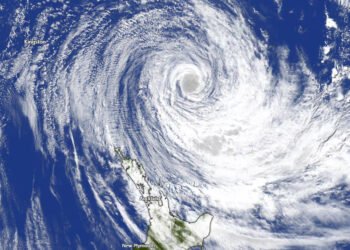 Cyclone Vaianu Forces Mass Evacuations in New Zealand
 Artemis II Returns After Historic Moon Flyby
 The Sinking Heritage: The Dutch Village at Risk of Being Demolished
 Robots Outpace Humans in Beijing Half-Marathon
 Reform UK funding: mystery billionaire revealed
 Exploring Italy’s Forgotten Dolomites Beyond Crowds
 Southeast Asia Turns to Russia Amid Energy Crisis
 Disneyland Adds Facial Recognition at Entrances
 Ukraine Urges UK to Seize Russian Oil Tankers
 Older Than Dinosaurs: Secrets of Mayfly Dance Revealed
 Two Dead in Adelaide Airport Plane Crash Fire
 Australia pushes Pacific security pact amid China tension
 Canadian Fiddler Sues Google Over AI Defamation Claim
 BJP Sweeps West Bengal in Historic Breakthrough
 “The Trial’s Strange Turn”: Musk v. Altman Case Veers into Personal Testimony and ‘Sperm Offers’
 France Faces Record Presidential Crowded Race Amid Far-Right Surge
 US Awaits Iran Reply on New Ceasefire Proposal
 One Nation Stuns Australia With Historic Farrer Win
 Musk v OpenAI Trial: The Battle for the Soul of AI
 Hormuz Talks Near Critical Stage
 Pope Meets Families in Italy Toxic Waste Zone
 Discontent grows around Putin amid war strain
 Farage and Reform UK Reshape British Politics
 Starmer Leadership Under Pressure After Setbacks
 Thailand Tightens Visa Rules to Curb Tourist Misbehavior
 UN Issues Urgent Warning: Imminent Return of El Niño
 Everest Climber Recalls Guide’s Six-Day Survival
 Bear Escapes Factory Through Open Window
 Families Grieve Beyond Air India Crash Victims
 Deadly Earthquake Hits Philippines
 Sydney Records Hottest June Since 1859 as Expert Warns New High a ‘Signature’ of Global Warming
 KAAN Fighter Jet Signals New Era for NATO Air Power
 Le Pen’s Popularity Holds Despite Conviction
 Bryne Backs Haaland Before England World Cup Clash
 Dreyfus Statue Finally Gets Permanent Paris Home
 Teen Charged After Layla Jeffery Found Dead
 Venezuela Quake Death Toll Surpasses 4,000
 Bangladesh President to Step Down After Political Shift
 India’s Gen Z Protesters Claim Victory, Demand More Change
 India’s First Woman Army Boxer Eyes Commonwealth Gold
 US and Iran Pause Strikes as Diplomatic Talks Loom
 Hong Kong Activist Allowed to Stay in UK After Threat
 Bali Bans Dutch Expats Over Alleged Running Club Exclusion