Published: 14 September 2026. The English Chronicle Desk. The English Chronicle Online.
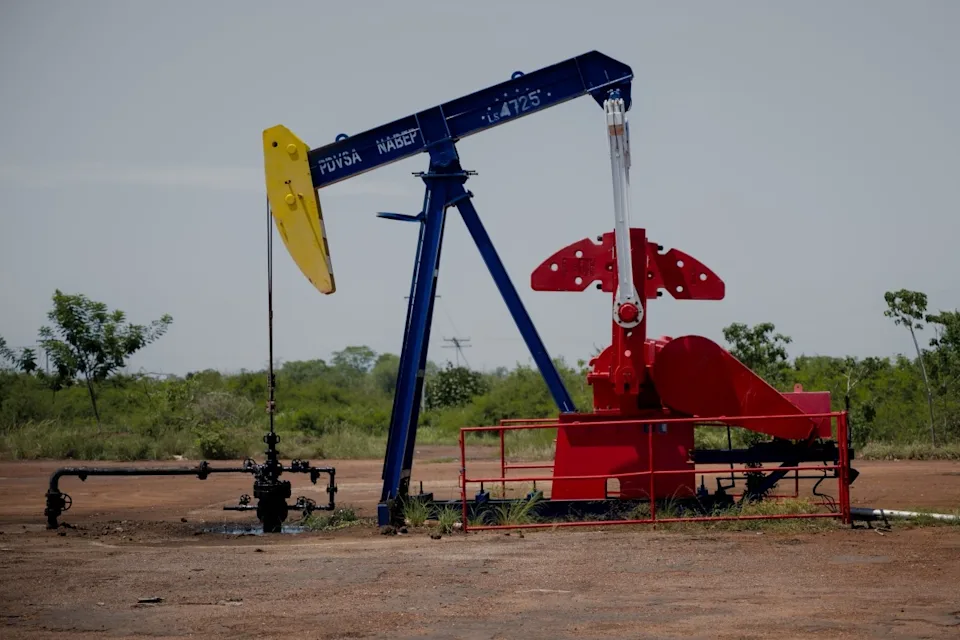
Oil prices moved higher on Monday after a series of drone attacks forced Saudi Arabia to shut its strategically important East-West crude pipeline, intensifying concerns over the security of global energy supplies at a time when oil and gas markets are already facing significant disruption across the Middle East.
Brent crude, the international benchmark for oil prices, rose as high as $108.03 a barrel, representing an increase of about 3.25% during the day. The sharp move reflected growing anxiety among traders that further attacks on energy infrastructure could restrict supplies and push prices substantially higher in the weeks ahead.
The latest disruption comes amid escalating tensions involving Yemen’s Iran-aligned Houthi forces. The group launched several attacks against Saudi Arabia and reportedly captured the strategic island of Perim in the Bab al-Mandab Strait on Sunday. The development has added another layer of uncertainty around one of the world’s most important maritime corridors.
The Bab al-Mandab Strait is a crucial passage connecting the Red Sea with the Gulf of Aden and the wider Indian Ocean. Any sustained disruption in the area could have consequences well beyond the immediate region because ships carrying oil, gas and other commodities rely on the waterway to move between major markets.

The situation has become particularly sensitive because concerns over Middle Eastern shipping routes are developing alongside uncertainty surrounding the Strait of Hormuz. Gulf states have postponed a planned meeting with Tehran aimed at discussing the creation of a temporary shipping lane through Hormuz, according to the information available from market reports.
Hormuz is among the world’s most strategically important energy routes. A substantial share of globally traded oil and gas normally passes through the narrow waterway, meaning prolonged disruption could rapidly affect international energy prices and increase transportation costs.
For oil traders, the simultaneous threat to multiple supply and shipping routes represents a particularly serious risk. The closure of Saudi Arabia’s East-West pipeline removes an important alternative route for transporting crude toward export facilities on the kingdom’s Red Sea coast, increasing the importance of other routes at a time when regional infrastructure is already under pressure.
There are also growing concerns about how long Saudi Arabia can maintain exports if the pipeline remains out of service. Traders in the kingdom have reportedly warned that Saudi oil stocks available for export could come under significant pressure if the pipeline cannot be reopened within several days.
The pipeline is strategically important because it provides Saudi Arabia with a way to move crude from its major producing areas in the east toward the Red Sea, allowing shipments to avoid the Strait of Hormuz. Its closure therefore has implications not only for Saudi Arabia but also for the broader global energy market.
The latest attacks come after months of volatility in oil prices. Energy markets have already been disrupted this year by the wider conflict involving the United States, Israel and Iran, which has affected oil and gas production, transportation and expectations about future supplies.
Oil prices reached approximately $126 a barrel in April before falling during the summer as hopes grew that a durable ceasefire could reduce tensions and restore greater stability to the region. Those hopes have subsequently weakened.
The market began turning higher again after a memorandum of understanding between the United States and Iran collapsed. A renewed escalation in hostilities pushed Brent crude above $100 a barrel last week for the first time since July, highlighting how quickly geopolitical developments can affect global energy prices.
Monday’s move above $108 has now raised questions about whether prices could return to the highs reached earlier in the year.
Chris Beauchamp of broker IG said the market appeared increasingly vulnerable to a return toward the spring highs. His assessment reflects the combination of several negative developments occurring simultaneously, including attacks against energy infrastructure, uncertainty over the Strait of Hormuz and the failure of diplomatic efforts to restart negotiations.
The immediate concern for financial markets is not simply the loss of individual energy facilities but the possibility that disruptions could spread across several important production and transportation networks. If attacks continue against oil infrastructure or commercial shipping, traders may begin pricing in a larger and more prolonged supply shortage.
The threat from the Houthis is particularly significant because renewed attacks on shipping could force vessels to avoid important maritime routes. Rerouting commercial ships can increase journey times, fuel consumption and insurance costs, creating additional upward pressure on the prices of transported commodities.
Natural gas markets have also reacted to the growing uncertainty. The UK benchmark gas price rose by around 5% on Monday to 208.73 pence per therm, its highest level since December 2022. The rise indicates that concerns about energy security are extending beyond crude oil and into wider fuel markets.
Higher energy prices could have consequences for households, businesses and governments across major economies. Oil and gas are fundamental inputs for transportation, manufacturing, electricity generation and a wide range of industrial activities. A prolonged increase in energy costs can therefore feed into consumer prices throughout the economy.
The renewed surge is also creating a difficult environment for central banks. Policymakers in the United States, Japan and the United Kingdom are preparing to make interest-rate decisions this week, with inflation already an important consideration.
A sudden increase in energy prices can make the fight against inflation more difficult because higher fuel and transportation costs can eventually translate into higher prices for goods and services. Central banks must therefore assess whether the current energy shock is temporary or likely to persist.
If oil prices remain above $100 a barrel for an extended period, the consequences could become more significant. Consumers could face higher petrol and heating costs, while companies may experience increased expenses for transportation, production and logistics. Businesses could then pass some of those additional costs on to customers.
For major oil-producing countries, however, higher prices can increase export revenues. Saudi Arabia and other producers may benefit from stronger crude prices if their production and export capacity remain intact. The challenge is that physical disruptions to infrastructure can prevent producers from fully benefiting from elevated market prices.

Saudi Arabia’s production position was already under pressure before the latest attacks. Riyadh recently told the Opec oil cartel that its crude production in August was at its lowest level since 1990, according to market data cited in reports. That backdrop makes the latest pipeline disruption particularly important for global supply expectations.
The coming days are likely to be closely watched by energy traders, governments and central banks. The key question is whether Saudi Arabia can restore the East-West pipeline quickly and whether attacks against energy facilities and shipping routes will continue.
If the pipeline is repaired rapidly and maritime traffic remains largely operational, some of the current risk premium could eventually disappear from oil prices. However, a prolonged closure combined with further attacks could produce a much larger shock.
The latest market reaction demonstrates how quickly geopolitical instability can spread into the global economy. What began as attacks on infrastructure in a highly volatile region is now affecting crude oil, natural gas, inflation expectations and monetary policy discussions in major economies.
With Brent crude already above $108 a barrel, investors are increasingly focused on whether the current disruption represents a short-term shock or the beginning of a more serious energy crisis. For governments and consumers around the world, the answer could have significant economic consequences in the months ahead.
Related News:
 Firms on both sides fear damage from US-Canada trade war
 Oil nears $100 as Saudi attacks shake markets
 Shein targets $27bn valuation in Hong Kong debut
 Dutch Bank Moves 86 Tonnes of Gold to London
 UK Wage Growth Slows as Jobs Market Holds Firm
 Reeves Fights to Keep Treasury Role Amid Labour Turmoil
 Canada to Match Trump’s 50% Tariffs Dollar for Dollar
 Pubs and Hotels Face Business Rates Reform Review
 US CEOs Earn 614 Times More Than Workers
 Europe Faces Winter Gas Supply Anxiety
 Trump Hardens Canada Trade Stance as Talks Stall
 UK Cost Squeeze Deepens as Mortgages and Gas Rise
 Swedish Mining Push Puts Sami Land Rights Under Pressure
 Spire Healthcare Agrees £1bn Takeover by Toscafund
 UK House Prices Fall as Mortgage Rates Rise
 Billionaire Chris Rokos poised to leave UK
 JPMorgan Boss Warns Against UK Bank Tax Rise
 John Lewis Losses Widen to £124m as Confidence Falls
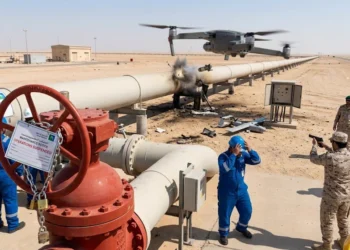 Saudi Arabia Shuts Oil Pipeline After Drone Attack
 Global markets face turmoil as Hormuz crisis deepens
 Wealthy Britons Flee Gulf War but Avoid UK Taxes
 UniCredit’s Bold Move to Reshape European Banking
 Albanese Rejects Gas Export Tax Push
 $13bn World Cup Set to Break All Revenue Records
 BBC News Faces Deep Cuts in 2,000 Job Plan
 Spirit Airlines shuts down after 34 years amid crisis
 New UK advice scheme to boost savings and investing
 US Awaits Iran Reply on New Ceasefire Proposal
 UK Pushes for New EU Goods Trade Deal
 UK rejects EV charging VAT cut amid Treasury clash
 Severn Trent CEO Reward Package Doubled Despite Public Anger
 Europe Weighs Hormuz Navigation Fee Plan
 Weight-Loss Drugs Transform Fashion Shopping Habits
 Labour MPs Urge Burnham to Revive UK Aid Target
 EasyJet Takeover Sparks Fears Over Passengers’ Future
 New Tata Chairman Faces Tough Road Ahead
 Canada hits US goods with tariffs up to 50%
 Trump orders US to rename Lake Ontario ‘Lake America’
 Trump announces major US oil deal with Venezuela
 UK Households Could Save £173 on Fixed Energy Deals
 Burnham Faces Mounting Budget Challenges
 AI Crash Could Trigger Global Downturn, Bailey Warns
 George Santos Banned for Life by Prediction Platform
 Ukraine Moves to Seize Water Company
 Trump Pledges $5,000 if Republicans Win Midterms
 Iceland to Open First UK High Street Store in Falklands
 Modi’s London Visit Seals Historic UK-India Trade Pact Amid Global Tensions
 China’s crackdown on civil servant perks sparks economic concerns
 Shein UK Faces Allegations of Shifting Majority of Profits to Singapore to Reduce UK Tax
 British AI Startup Outshines Human Forecasters in Global Prediction Contest
 China warns UK over delayed London mega embassy decision
 Canada Passes Carney’s First Budget in Tight Parliamentary Vote
 ‘Black Tax’: Burden, Pride and Survival for African Workers
 ‘Repatriate the Gold’: Germany Debates Bringing Reserves Home
 Gulf shipping crisis as war risk cover pulled
 The Truth Behind Rising Energy Costs and Fossil Fuel Myths
 Oil Slides, Stocks Jump on Trump Peace Signals
 Trump to Deploy “God Squad” Over Gulf Wildlife Protections
 Iran Drone Strike Hits Kuwaiti Oil Tanker in Dubai Port
 US Senators Slam Ticketmaster Over Sneaky New Fee Hikes
 City Firms See Sharpest Fortune Reversal in Thirty Years
 IMF Warns Iran War Could Spark Deep Global Recession
 Oil Prices Surge Above $120 Amid Iran Blockade Fears
 Coalition pushes fossil fuel phaseout plan
 Trump approval plunges amid Iran war fears
 Ohio’s Battle for Trust: Democrats Vying to Flip the Buckeye State
 Global Conflict Hits Home As Bullock Warns Of Economic Pain
 High Street Crisis: Fears Grow Over Post Office Closures
 Oil Markets Face ‘Red Zone’ Threat Amid Iran Crisis
 Kevin Warsh sworn in as Fed chair amid economic backlash
 Albanese Defends Tax Reforms Amid Emotional Speech
 Discontent grows around Putin amid war strain
 UK Economy Suffers a Sharp Downturn as Iran Conflict Bites
 Apollo Launches £5.7bn Bid for Aviation Giant easyJet
 Ukraine Creates Long-Range Strike Command
 UK Risks Falling Behind in AI Race
 Trump Calls Iran War ‘Small Potatoes’ Despite US Deaths
 UK Subsidence Claims Surge After Record-Breaking Summer
 UK plans tougher Israel stance with settlement trade ban
 Sainsbury’s Shoppers Rush for New Starbucks Matcha Drinks