Published: 17 September 2026. The English Chronicle Desk. The English Chronicle Online
The intensifying economic pressure imposed by the United States on Cuba is producing an unexpected contest over what could become some of the island’s most valuable commercial assets, with investors, political figures, lobbyists and Cuban-American business groups positioning themselves for possible opportunities if Cuba undergoes a major political and economic transition.
The developments come as the administration of President Donald Trump has significantly expanded its sanctions policy towards Cuba. A presidential executive order issued on 1 May broadened restrictions against people and entities connected with the Cuban government and its security apparatus, while also creating the possibility of sanctions affecting foreign financial institutions that conduct significant transactions involving sanctioned parties. The order specifically covers sectors including energy, defence, metals and mining and financial services.
The administration has presented the policy as a national-security and human-rights measure intended to pressure Cuba’s communist government and encourage political change. A January executive order declared the situation involving the Cuban government a national emergency and authorised a tariff system targeting countries that provide oil to Cuba.
Critics of the policy, meanwhile, argue that restrictions on energy and trade risk worsening conditions for ordinary Cubans. The Cuban government has rejected Washington’s allegations and described the sanctions as an economic attack.

Against this backdrop, attention has increasingly turned towards the ownership of companies and assets connected with Cuba. One of the clearest examples is Canadian mining company Sherritt International, whose Cuban operations have become caught in the expanding US sanctions regime.
Sherritt has operated a major nickel and cobalt joint venture in Moa with Cuba’s state-owned General Nickel Company. In May, the company announced that it was suspending direct participation in its Cuban joint-venture activities following the new US measures. It initially considered steps to dissolve its Cuban interests but subsequently reversed those plans after consultations with advisers, stakeholders and government authorities.
Sherritt’s situation has since developed into a contest involving competing potential investors. According to reporting cited in the supplied investigation and subsequent financial reporting, Ray Washburne, a former Trump administration official and political ally, became associated with one proposed route for acquiring control, while another group involving commodities giant Glencore and Texas investor Albert Huddleston has pursued a competing proposal.
Sherritt itself announced in May that it had signed a non-binding term sheet with Gillon Capital, a private investment vehicle associated with the Washburne family. The proposed transaction could ultimately give Gillon a 55% stake in Sherritt, although the arrangement was subject to conditions and did not itself amount to a completed takeover.
The dispute illustrates an important distinction in the current situation. US sanctions have not automatically transferred Cuban assets to American investors. Any change in ownership remains subject to corporate agreements, creditors’ rights, regulatory requirements and US government approvals. In Sherritt’s case, the company’s own announcements have emphasised that the process involves significant legal and contractual considerations.
Reporting in September has also highlighted claims by creditors and other interested parties over the Cuban assets. Bloomberg reported that Citigroup and Office Depot have claims connected with Sherritt’s Cuban interests, potentially complicating any attempt to transfer control. The existence of competing claims means that prospective buyers cannot simply acquire the assets without resolving the relevant legal and financial obligations.
The wider picture is larger than a single mining company. Cuba’s economy contains assets in tourism, energy, transport, communications, agriculture, mining and other sectors, many of which have historically involved foreign companies or partnerships with Cuban state entities.
The US sanctions framework is particularly significant because the May executive order does not focus exclusively on US companies. It allows sanctions against certain foreign financial institutions that conduct or facilitate significant transactions involving blocked persons. That creates additional risks for international businesses assessing whether they can continue operating in Cuba.
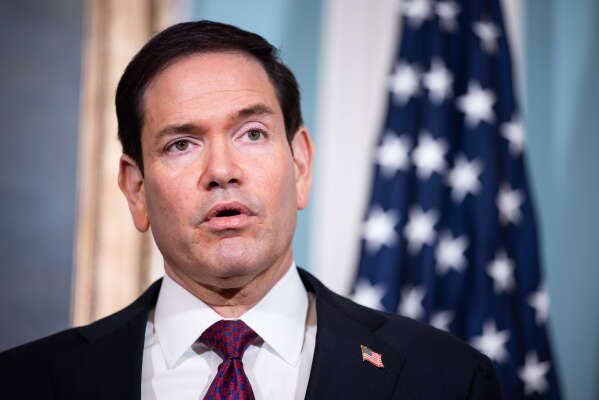
The pressure has already contributed to decisions by foreign businesses to reconsider their exposure. Reuters reported in September that Washington had imposed further sanctions on Cuban companies, including entities connected with nickel mining and energy. Secretary of State Marco Rubio has continued to defend the administration’s pressure campaign, while Cuban officials have accused Washington of worsening the country’s economic and humanitarian difficulties.
The resulting uncertainty has created a complicated environment for businesses. Companies that remain active in Cuba have to assess not only the commercial prospects of the island but also the possibility of becoming subject to US restrictions.
For some American investors and Cuban-American business groups, however, the same uncertainty is being viewed as a potential opportunity.
The Cuban-American National Chamber of Commerce, established in Miami, describes its mission as supporting future commercial relationships between the United States and a future free and democratic Cuba. The organisation says it aims to connect businesses and future entrepreneurs while maintaining compliance with US law governing Cuba.
The organisation has also acknowledged that there is not yet a comprehensive publicly available plan setting out how a large-scale economic reconstruction of Cuba would work during an initial political transition. Its website says that US policy supporting a democratic future is not the same thing as having a detailed implementation plan for rebuilding the country’s economy and institutions.
That distinction is important because talk of a possible post-communist Cuba remains speculative. There is currently no established timetable for a change of government, and the Cuban state remains in control of the country’s political and economic institutions.
Nevertheless, several US-based groups are preparing for different possible scenarios. Some Cuban-American investors have discussed putting private capital into Cuba if political conditions change, while lobbying and consulting firms with experience in Cuba policy are seeking contracts connected with trade, investment and future economic planning.
The Guardian investigation that prompted this report identifies several Washington and Florida figures and organisations that it says are positioning themselves around potential future business. Some of the individuals and companies named in the report did not respond to requests for comment, while others disputed or qualified aspects of the allegations.
One particularly sensitive issue is the question of who should benefit from any future economic opening.
Cuban-American organisations have different views about how investment should proceed and what conditions should accompany a transition. Some argue that members of the Cuban diaspora, including people whose families lost property after the revolution, should have a significant role in determining future investment and compensation arrangements.
The issue of property claims could become one of the most complicated elements of any future transition. The United States has long maintained a system for certifying claims involving property confiscated by the Cuban government after the 1959 revolution. Any future settlement would therefore potentially involve governments, private companies, investors, former owners and creditors.
For businesses, the uncertainty is equally significant. An investment made under one political system could become subject to new ownership rules under another. Existing contracts could be challenged, renegotiated or preserved depending on the legal framework adopted by a future Cuban government.
The administration’s current policy is also affecting the commercial environment before any such transition occurs. The January executive order specifically targeted countries supplying oil to Cuba by providing for additional tariffs on goods from countries that directly or indirectly supply petroleum to the island.
The sanctions have contributed to severe pressure on Cuban businesses and infrastructure, according to reporting and statements from Cuban authorities. At the same time, the US government maintains that its measures are designed to pressure the Cuban government rather than simply punish the population.
The humanitarian consequences remain a major point of disagreement. International organisations and critics of the sanctions have raised concerns about the effect of restrictions on access to fuel, food, medicines and other necessities. Supporters of the policy argue that responsibility for Cuba’s economic conditions rests substantially with the country’s government and its economic system.
Meanwhile, the commercial contest surrounding companies such as Sherritt demonstrates how geopolitical pressure can have consequences far beyond diplomacy.
The mining company’s experience also shows that sanctions do not produce a simple transfer of assets from one country to another. Instead, they can trigger complicated negotiations involving shareholders, creditors, governments, courts and prospective investors.
For Washington and Florida business figures looking towards a possible future opening, the potential rewards could be considerable. Cuba’s geographical position, natural resources, tourism infrastructure and proximity to the United States have long made it commercially significant.
But any future investment would depend on circumstances that remain uncertain. A political transition would have to establish rules concerning property rights, foreign investment, state-owned companies, compensation claims and relations with the United States and other countries.

Until those questions are settled, claims that particular investors will control Cuba’s future assets remain premature. What can be established is that the Trump administration’s expanded sanctions have already altered the calculations facing foreign companies and have created a new environment in which prospective investors are examining assets that previously appeared difficult or impossible to acquire.
The struggle surrounding Sherritt offers an early example of that process. It is not yet a completed transfer of Cuban resources to American ownership, but it demonstrates how quickly sanctions, corporate restructuring and political strategy can intersect.
As pressure on Havana continues, the debate over Cuba’s economic future is therefore likely to extend beyond the question of whether sanctions will force political change. It will also concern who participates in any eventual reconstruction, how existing property claims are handled, how foreign investment is regulated and whether ordinary Cubans benefit from any economic opening.
Those questions remain unresolved. For now, the growing interest from US-linked investors and Cuban-American organisations is evidence of preparations for a possible future rather than proof that a political transition is imminent.
Related News:
 Swedish Mining Push Puts Sami Land Rights Under Pressure
 Fugitive Developer Rants at NSW Corruption Inquiry
 ICAC Examines Greenwood Payments and Nassif Links
 EU Opens Door to Canada as Associate Member
 Trump Threatens EU With Tariffs Over Canada Proposal
 Trump Threatens EU Over Canada Partnership Proposal
 US House Passes Russia Sanctions Bill Amid Debate
 Cartel crackdown raises fears of fresh violence
 US states redraw maps after voting rights ruling
 UK Pushes for New EU Goods Trade Deal
 Reeves Fights to Keep Treasury Role Amid Labour Turmoil
 Firms on both sides fear damage from US-Canada trade war
 Trump orders US to rename Lake Ontario ‘Lake America’
 Trump Hardens Canada Trade Stance as Talks Stall
 Trump Calls Iran War ‘Small Potatoes’ Despite US Deaths
 Ukraine Moves to Seize Water Company
 UK plans tougher Israel stance with settlement trade ban
 Oil nears $100 as Saudi attacks shake markets
 Israel Accused of Undermining Palestinian Life
 Oil Prices Surge as Saudi Pipeline Closure Deepens Crisis
 Farage Threatens Union Funding Ban Over Reform Donations
 Fashion Firms Urge UK-Made NHS and Army Uniforms
 JLR Eyes NATO Market With New Defender Military Vehicle
 Slave-Trade Wealth Embedded in Britain’s Financial System
 Mayors Could Gain Greater Powers Over Water Firms
 Horse Hill Oil Site Sold as New Drilling Bid Emerges
 Amnesty Finds Coordinated Abuses in Iran Protest Crackdown
 Horse Hill Oil Site Sold for £1m as Drilling Bid Returns
 Entain Plans 400 Job Cuts After Profit Update
 Turkey LGBTQ Crackdown Expands With New Arrests
 Lords Call for Tobacco-Style Gambling Ad Ban
 Tories Press Healey Over Tax Rises Ahead of Budget
 Iran School Strike Raises War Crimes Questions, UN Says
 Australia Post Worker Jailed Over Stolen Bank Cards
 Trump Administration Dismisses 17 Immigration Judges, Sparking Debate Over Judicial Independence
 Modi’s London Visit Seals Historic UK-India Trade Pact Amid Global Tensions
 Johnson Approved China’s London ‘Super-Embassy’ in 2018
 Trump Urges Herzog to Grant Netanyahu Full Pardon
 US Justice Department Files Lawsuit Against California Over Partisan Voting Maps
 Trump Deploys DHS to Charlotte in Major Arrest Operation
 Canada Passes Carney’s First Budget in Tight Parliamentary Vote
 India’s Labour Law Overhaul Sparks Fierce Debate
 Guterres Warns Global Cooperation Under Threat at UN’s 80th Year
 South Korea Jails Ex-President in Martial Law Ruling
 ‘Repatriate the Gold’: Germany Debates Bringing Reserves Home
 Thousands Protest ICE Operations in Nationwide US Day of Action
 Trump to Deploy “God Squad” Over Gulf Wildlife Protections
 Report Says Pezzullo Acted ‘Recklessly’ in Dealings
 Hungary election: Orbán faces biggest test amid scandal
 Suspected Plot Targets Pipeline Before Hungary Vote
 Ben Roberts-Smith Denies War Crime Allegations in First Statement
 Capitalism ‘Suicidal’, Warns Petro at Climate Summit
 Oil Prices Surge Above $120 Amid Iran Blockade Fears
 Judge halts deportation of Yemeni refugees in US
 Trump approval plunges amid Iran war fears
 Ohio’s Battle for Trust: Democrats Vying to Flip the Buckeye State
 US ‘Narco Boat’ Strikes Draw Global Outcry
 US Awaits Iran Reply on New Ceasefire Proposal
 Kevin Warsh sworn in as Fed chair amid economic backlash
 US green card applicants must apply from abroad, DHS says
 Albanese Defends Tax Reforms Amid Emotional Speech
 Discontent grows around Putin amid war strain
 New Footage Revives Peter Falconio Mystery
 Ukraine Creates Long-Range Strike Command
 Le Pen’s Popularity Holds Despite Conviction
 Canada to Match Trump’s 50% Tariffs Dollar for Dollar
 Unions Warn Labour Over Zero-Hours Contract Reforms
 Ghent Professors Questioned Cofnas Appointment
 Ukraine Villagers Demand Answers After Deadly Arms Depot Strike
 Councils spend £125m on illegal children’s care
 Europe’s democracies face a growing far-right threat
 New Mexico Takes Facebook to Trial Over Data Scandal
 Iceland to Open First UK High Street Store in Falklands
 UK Retailers Accused of Breaking Refund Laws
 North Sea Firms Urge Early End to Windfall Tax
 UK Pay Growth Slows to 3.9% as Rate Decision Nears
 Bank Urged to Slow Bond Sales as UK Costs Rise
 Texas Charges Seven Noncitizens in Voting Crackdown
 OpenAI Reveals Six Cases of Concerning AI Behaviour
 UK Productivity Improves as Bank Weighs Interest Rates