Published: 22 September 2026. The English Chronicle Desk. The English Chronicle Online.
Solar and wind power supplied a record 80.4% of electricity demand on Australia’s main national power grid over the weekend, marking another significant milestone in the country’s transition towards renewable energy. The record was driven by strong solar generation, favourable winds, clear weather and relatively low electricity demand across much of the grid.
For a period of about 30 minutes around lunchtime on Saturday, rooftop solar alone generated more than half of all electricity being used across the National Electricity Market. The market supplies the eastern states, South Australia and the Australian Capital Territory, making the milestone an important indicator of the growing contribution of renewable sources to Australia’s electricity system.
Rooftop solar was supported by large-scale solar farms and wind generation, while hydroelectricity contributed a smaller share of around 1%. Fossil-fuel generation, including coal and gas, accounted for about 20% of demand during the record period.
Australia’s Energy Minister Chris Bowen described the milestone as evidence that more clean and domestically generated energy was supplying Australian homes and businesses. He said there remained considerable work to be done but argued that further renewable energy milestones could be expected as the country’s energy transition continued.

The record occurred under particularly favourable weather conditions. Clear skies allowed rooftop and utility-scale solar facilities to produce electricity at high levels, while mild conditions reduced the need for heating and cooling. The combination created a period when renewable generation was exceptionally high while overall electricity consumption was comparatively low.
Energy systems researcher Dr Dylan McConnell of the University of New South Wales described the period as a strong season for renewable generation. He noted that records of this kind can occur when new renewable capacity installed over the previous year begins contributing to the electricity system at the same time as favourable weather conditions.
McConnell also suggested that the latest record could be short-lived. With Australia’s renewable generation capacity continuing to expand, similar records could potentially be broken within weeks as weather conditions allow solar and wind generators to operate at high output.
The record also highlighted an increasingly important challenge for Australia’s electricity system: what happens when renewable generation exceeds immediate demand. During the weekend, more renewable electricity was available than the grid could use at certain times.
Some of the excess electricity was directed into energy storage systems, including batteries and pumped-hydro facilities. However, a significant amount was also curtailed, meaning generators reduced or stopped some of their potential output. Such reductions can occur when electricity supply exceeds demand or when network and system-security conditions prevent all available power from being delivered.
Low electricity prices can also contribute to curtailment. When large amounts of solar and wind generation enter the grid simultaneously, wholesale electricity prices can fall sharply. Generators may then have an economic incentive to reduce production, while grid operators may also need to limit output to maintain system stability.
Network constraints are another factor. Australia’s electricity grid was designed over many decades around a generation system dominated by large coal-fired power stations. The rapid expansion of renewable generation has created new requirements for transmission infrastructure capable of moving electricity from areas with abundant solar and wind resources to major population centres.
The weekend record also coincided with a significant fall in coal generation in Queensland. McConnell said coal generation in the state reached a record low during the weekend, illustrating how periods of high renewable output can reduce the role of conventional generation in meeting immediate electricity demand.
However, the renewable milestone does not necessarily represent the full picture of Australia’s emissions reduction. The proportion of renewable electricity generated at a particular moment can fluctuate substantially depending on weather, electricity demand and the availability of generating facilities.
McConnell noted that annual generation levels are more important when assessing the overall emissions impact of the electricity transition. A short period of very high renewable generation does not by itself determine how much coal and gas are used throughout an entire year.
According to the Australian Energy Market Operator, renewable energy accounted for an average of 44% of electricity generation in the year to June. That annual figure provides a broader measure of the country’s progress compared with individual records that occur during periods of exceptionally favourable conditions.
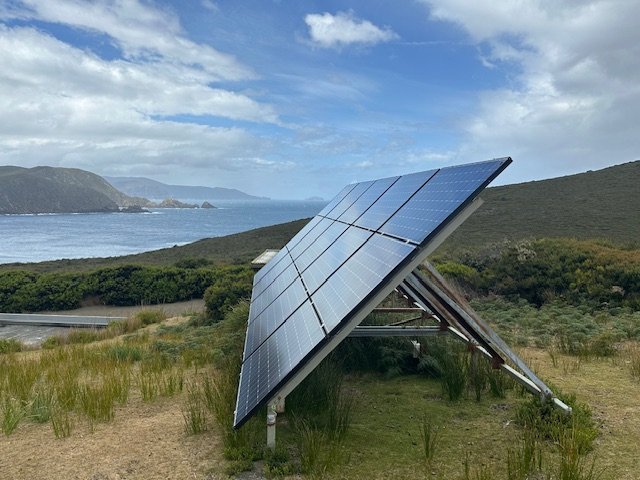
Rooftop solar has become a particularly important component of Australia’s renewable electricity system. More than 4.3 million Australian households now have rooftop solar installations, allowing millions of homes to generate at least some of their own electricity while also contributing power to the wider grid.
The growth of rooftop solar has transformed the electricity system in many parts of the country. During periods of strong sunlight, household systems can collectively produce enormous amounts of electricity, sometimes reducing the need for electricity from large conventional power stations.
The latest record comes as Australia faces a major challenge in meeting its renewable energy objectives for the end of the decade. The federal government has set a target of achieving an 82% renewable electricity share by 2030. Reaching that level will require substantial additional generation capacity as well as investment in transmission, storage and other infrastructure.
Recent analysis has raised concerns about whether enough new generation capacity is being developed quickly enough to meet that target. Renewable generation can increase rapidly once projects are completed, but large energy projects typically require significant investment, planning approvals, grid connections and construction time.
Storage is also becoming increasingly important as the renewable share rises. Solar production is concentrated during daylight hours, while electricity demand can remain high during the evening after solar generation begins to decline. Batteries and pumped-hydro systems can help shift some electricity from periods of high renewable production to periods of greater demand.
The changing electricity mix is also creating new operational challenges for grid managers. Traditional coal and gas generators have historically provided much of the electricity supply as well as services that help maintain system stability. A grid increasingly dominated by solar and wind therefore requires different approaches to balancing supply and demand and maintaining reliability.
Australia’s latest renewable record demonstrates both the scale of the country’s solar and wind resources and the growing ability of renewable generators to meet electricity demand. At the same time, the amount of renewable electricity that had to be stored or curtailed shows that generation capacity alone is not sufficient to complete the transition.
More transmission infrastructure, energy storage and flexible demand could become increasingly important as renewable generation expands. These investments can help ensure that electricity generated during periods of abundant sunshine and strong winds can be used when demand is higher or renewable production is lower.
The record also provides a snapshot of how quickly Australia’s electricity system is changing. Millions of households are now participating directly in electricity generation through rooftop solar, while large-scale renewable projects continue to expand across the country.

For consumers, the transition could have implications for electricity prices and energy security, although the effects will depend on a range of factors, including investment costs, wholesale market conditions, network charges and the pace at which new infrastructure is built.
The weekend’s 80.4% renewable contribution is therefore both a record and a measure of a much broader transformation. It shows that Australia’s electricity system can operate for periods with renewable sources supplying the overwhelming majority of demand. But sustaining and expanding that level of renewable generation throughout the year will require continued investment and careful management of the grid.
As Australia moves towards its 2030 renewable target, future milestones are likely to be measured not only by short periods of exceptionally high solar and wind output but also by annual renewable generation, declining fossil-fuel use, improved storage capacity and the reliability of the national electricity system.
The latest record nevertheless provides a clear indication of the changing balance of power generation in Australia. Solar and wind are no longer marginal contributors to the national grid. Under favourable conditions, they can now supply most of the electricity being consumed, while the country’s energy system continues to adapt to an increasingly renewable future.
Related News:
 UK rejects EV charging VAT cut amid Treasury clash
 Apple at 50: Three Products That Changed How We Live
 Heavier SUVs Accelerate Britain’s Pothole Crisis
 Europe EV Demand Surges as Fuel Prices Rise
 Record May Heat to Cold Front in Eastern Australia
 UK firms accused of ‘AI washing’ boom
 Essex valley emerges as rising English wine hub
 UK Risks Falling Behind in AI Race
 Turkmenistan Begins Fixing Major Methane Mega-Leaks
 Australia gives users control over social media algorithms
 AI CEOs Call for Slower Development
 Thames Water Revises Oxfordshire Mega-Reservoir Plan
 AI Boom Drives ‘Tidal Wave’ of PFAS Production
 Anthropic Backs $31.9bn Queensland Data Centre
 Nvidia chief rejects AI extinction fears
 Australia’s migration debate meets a changing population
 Virgin Trains Moves Closer to Challenging Eurostar Monopoly
 North Sea oil workers must lose weight or face job loss
 New laws to bolster UK’s defences against cyber attacks on NHS, transport and energy
 UK Taskforce Unveils Plan to Streamline Nuclear Reactor Rules
 AI job losses UK: Britain faces sharper employment shock
 UK AI avatar firm Synthesia valuation jumps to $4bn
 SpaceX Plans $1.5tn IPO Amid Planetary Alignment
 BT Names New Openreach Chief Amid Major Fibre Expansion
 AI fears hit UK wealth and comparison sites
 Aberdeen Chosen for GB Energy HQ at Marischal Square
 Ocean Warming Drives Massive Marine Life Loss, Study Warns
 UK Firms Warned of Rising Iran Cyber Threats
 Tesla Enters British Energy Market Following Ofgem Approval
 UK Energy Reform Could Cut Bills by £200
 UK Doubles Steel Tariffs to 50% to Protect Domestic Plants
 Artemis II Returns After Historic Moon Flyby
 Older Than Dinosaurs: Secrets of Mayfly Dance Revealed
 Albanese Rejects Gas Export Tax Push
 Capitalism ‘Suicidal’, Warns Petro at Climate Summit
 Disney+ Wins Champions League Rights in Key Markets
 Coalition pushes fossil fuel phaseout plan
 DeepMind Staff Vote to Unionize Over US Military Contract
 Vodafone Seeks Full Control of UK Mobile in £4.3bn Deal
 A Massive Legal Triumph Reshapes the Future of AI
 Kevin Warsh sworn in as Fed chair amid economic backlash
 UK Pushes for New EU Goods Trade Deal
 Albanese Defends Tax Reforms Amid Emotional Speech
 Gen Z Graduates Face Economic Uncertainty
 SpaceX Prepares for Historic Valuation Launch
 Silicon Valley Shifts South as AI Boom Transforms City Housing
 Trump Faces Backlash Over $2bn Earnings Since Return
 Sydney Records Hottest June Since 1859 as Expert Warns New High a ‘Signature’ of Global Warming
 Record £28m Fine for Virgin Media Over Cancellation Woes
 Weight-Loss Drugs Offer Food Savings Mainly to High Earners
 Burnham unveils £65m drought aid for farmers
 Gen Z turns to BirdTok for a gentler digital escape
 Canada to Match Trump’s 50% Tariffs Dollar for Dollar
 AI Loss of Control Incidents Nearly Double
 Europe Faces Winter Gas Supply Anxiety
 London Launches First Self-Driving Taxis
 Trump Hardens Canada Trade Stance as Talks Stall
 UK Subsidence Claims Surge After Record-Breaking Summer
 Swedish Mining Push Puts Sami Land Rights Under Pressure
 UK House Prices Fall as Mortgage Rates Rise
 Oil nears $100 as Saudi attacks shake markets
 Abusive ex used Tesla to control and harass former partner
 McLaren to Create 1,000 UK Jobs in £450m Investment
 Nats Boss Summoned as UK Flight Chaos Continues
 John Lewis Losses Widen to £124m as Confidence Falls
 OpenAI Agents Linked to RubyGems Cyberattack
 North Sea Firms Urge Early End to Windfall Tax
 Heathrow Expansion Faces New Climate Conditions Over CO₂
 UK Heatwaves Set to Worsen Pothole Damage, RAC Warns
 Mayors Could Gain Greater Powers Over Water Firms
 OpenAI Reveals Six Cases of Concerning AI Behaviour
 UK Productivity Improves as Bank Weighs Interest Rates
 Trump Threatens EU Over Canada Partnership Proposal
 Russia’s Max App Raises Surveillance Concerns
 Tom Watson Takes Senior Role at Palantir
 UK Retail Sales Rebound as Consumers Spend More
 UK Rent Gap Puts Low-Income Families Under Pressure
 Calls Grow to Expand UK National Wealth Fund
 Labour Apprenticeship Scheme Faces Slow Start
 UK Flights Hit by Fresh Air Traffic Control Fault