Published: 03 October 2026. The English Chronicle Desk. The English Chronicle Online
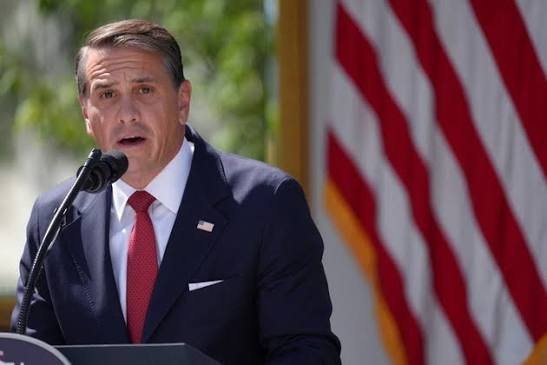
The US Department of Justice has decided not to reopen a criminal investigation into former Federal Reserve Chair Jerome Powell over cost overruns associated with the renovation of the central bank’s historic buildings, bringing a fresh measure of clarity to a dispute that has drawn intense political and financial attention.
A Justice Department spokesperson confirmed that the department would not restart the criminal probe into Powell. Attorney General Todd Blanche, however, indicated that scrutiny of the renovation project could continue if a new review uncovers evidence of criminal wrongdoing.
The decision follows a recent report from the Federal Reserve’s independent inspector general that found no grounds for a criminal referral and no evidence of administrative misconduct connected to the cost overruns. The watchdog nevertheless identified significant weaknesses in the management and oversight of the project.
The renovation of the Federal Reserve’s historic buildings has become a politically sensitive issue, particularly because former President Donald Trump has repeatedly criticised Powell and used the project’s rising costs as part of his broader criticism of the former Fed chair.

The Federal Reserve’s inspector general examined the management of the renovation project and the costs associated with work on the Eccles Building and the 1951 Constitution Avenue Building in Washington. The watchdog’s September report found shortcomings in project oversight but did not conclude that Powell or other officials had committed criminal or administrative misconduct.
The project was originally approved by the Federal Reserve Board in 2017. The central bank has said the work involves comprehensive modernisation of two historic buildings constructed in the 1930s, including structural repairs, replacement of ageing systems and measures to address safety and environmental concerns.
According to the Federal Reserve’s own information, the renovation has included work involving electrical, plumbing, heating, ventilation and air-conditioning systems, as well as fire detection and suppression systems. The project also involves removing hazardous materials such as asbestos and lead and bringing the buildings into compliance with modern safety, accessibility and security standards.
The cost of the project has risen substantially during its development, attracting scrutiny from lawmakers, officials and critics of the Federal Reserve. The inspector general’s review focused on the Board’s management of the project and the construction costs rather than finding evidence of criminal conduct. Its findings therefore distinguished between management deficiencies and behaviour that could warrant criminal prosecution.
That distinction is central to the Justice Department’s latest position. Blanche said the department was not reopening the criminal investigation at this stage, but he left open the possibility of further action if additional evidence emerges from continuing examination of the project’s oversight.
The development follows months of tension surrounding Powell and the Federal Reserve. Earlier in 2026, the Justice Department had pursued questions relating to the renovation project, while Powell argued that the investigation was connected to broader pressure on the central bank over monetary policy. In a statement issued in January, Powell said the matter should not be viewed solely as an investigation into the renovation and expressed concern about political pressure on the Federal Reserve’s independence.
Powell stepped down as Federal Reserve chair in May but remained a member of the Board of Governors. His successor, Kevin Warsh, has now indicated that the central bank will undertake an additional independent review of the renovation costs.
Warsh said the independent auditor would examine the project’s expenses to verify their accuracy and compliance. The review could provide another layer of scrutiny after the inspector general’s assessment and could become significant if questions remain over how the renovation was planned, contracted and monitored.
The new review is also important because the inspector general identified weaknesses in oversight. The watchdog’s report found that project management and cost controls were not as effective as they should have been, even though it did not find evidence supporting criminal charges.
The Federal Reserve has previously defended the scale and purpose of the renovation. It has said the buildings required extensive modernisation because they had not undergone comprehensive renovation since their construction in the 1930s. The central bank has also argued that the work is intended to consolidate operations, improve efficiency and preserve historic properties while addressing serious structural and safety requirements.
The dispute has nevertheless become intertwined with the wider debate over the independence of the Federal Reserve. Trump has been a vocal critic of Powell and has repeatedly pushed for lower interest rates during his presidency. The renovation controversy has provided another point of conflict between the White House and the former Fed chair.
Powell’s position at the central bank also means that the issue has consequences beyond his former role as chair. Although he no longer leads the institution, his continued service as a governor means that developments involving the renovation investigation remain relevant to the Federal Reserve’s leadership and institutional reputation.
At his final news conference as chair in April, Powell indicated that he intended to remain on the Board until the investigation into the renovation project had reached a transparent and definitive conclusion. His continued presence has allowed him to remain involved in the central bank while the various reviews and investigations have proceeded.
The Justice Department’s decision not to reopen the criminal investigation therefore does not mean that every question surrounding the renovation has been settled. The inspector general’s findings have identified management problems, while Warsh’s decision to commission an independent audit indicates that the Federal Reserve itself wants further verification of the project’s financial records and compliance.
The distinction between criminal wrongdoing and administrative or management shortcomings is likely to remain important in the coming months. A project can face serious oversight problems without necessarily providing evidence sufficient for criminal prosecution, and the inspector general’s report has effectively drawn that line in its assessment.
Blanche’s comments also leave the possibility of renewed scrutiny if the independent review produces evidence that changes the picture. For now, however, the Justice Department is not reopening its criminal investigation into Powell.
The development could reduce one source of uncertainty surrounding the former Fed chair, although political criticism of the renovation project is unlikely to disappear. Trump’s criticism and the broader debate over the Federal Reserve’s independence have ensured that the issue remains politically charged.
For the Federal Reserve, the immediate focus is likely to shift toward the independent audit and the implementation of recommendations arising from the inspector general’s report. The central bank will also have to demonstrate that lessons from the renovation project are being applied to its financial controls and oversight procedures.

The episode illustrates the scrutiny faced by major public institutions when large infrastructure projects experience significant cost increases. It also demonstrates how questions over spending and management can become intertwined with wider political disputes, particularly when they involve an institution as influential as the US central bank.
For Powell, the Justice Department’s latest decision means the criminal investigation will not be reopened on the basis of the existing information. But with a new independent audit underway and the possibility of further action if new evidence emerges, the broader controversy surrounding the Federal Reserve’s renovation project has not yet completely ended.
The central issue now is whether the additional review will reinforce the inspector general’s conclusion that the problems were primarily matters of oversight and management, or uncover information that prompts authorities to reconsider the matter. Until that process is complete, the renovation project will remain under scrutiny even as the Justice Department leaves its criminal investigation closed for now.
Related News:
 US green card applicants must apply from abroad, DHS says
 Trump Refuses to Sign Housing Bill, But Law Takes Effect
 Trump gives $45,000 holiday gifts to White House aides
 US House Passes Russia Sanctions Bill Amid Debate
 US National Guard Member Killed in DC Shooting
 Trump to pause migration from ‘third-world countries’
 Franklin Turtle, Sabrina Carpenter Slam US Social Media Use
 Trump officials continue false claims after Alex Pretti shooting
 Partial US Government Shutdown Hits Homeland Security Funding
 Thousands Protest ICE Operations in Nationwide US Day of Action
 Swalwell Faces Pressure to Quit Governor Race
 Trump Faces Crisis as Iran Reopens Hormuz Tensions
 Harmeet Dhillon Faces Scrutiny in DOJ Role Debate
 Trump at Press Dinner Sparks Tension
 Judge Blocks Trump Bid for Arizona Voter Data
 US Court Weighs Fate of TPS for Migrants
 Florida Redistricting Map Sparks Major US Political Battle
 US Voting Rights Ruling Sparks Celebration and Outcry
 US Court Ruling Reshapes Voting Rights Landscape
 US states redraw maps after voting rights ruling
 BBC News Faces Deep Cuts in 2,000 Job Plan
 Judge halts deportation of Yemeni refugees in US
 Trump likens US Navy actions to ‘pirates’
 White House Security Case Sparks Political Firestorm
 Ohio’s Battle for Trust: Democrats Vying to Flip the Buckeye State
 Trump warns Iran as Middle East tensions surge again
 US Supreme Court fast-tracks Voting Rights ruling
 US Court Restores Abortion Pill Access Temporarily
 Immigration Judges Fear Pressure in Trump Era
 FDA Chaos Deepens as Trump Eyes Makary Exit
 US judge dismisses Kilmar Abrego Garcia indictment
 Kevin Warsh sworn in as Fed chair amid economic backlash
 Tulsi Gabbard exits after turbulent intelligence tenure
 Reeves Fights to Keep Treasury Role Amid Labour Turmoil
 Trump’s Revenge Drive Deepens GOP Divide
 Former ICC prosecutor condemns US sanctions
 Gunman Killed After White House Security Shootout
 Trump Claims Iran Peace Deal Near Completion
 Prosecutor Proposes Law to Combat Election Deceit
 Trump Weighs Retreat from Controversial $1.8bn Slush Fund
 Labour MPs Urge Burnham to Revive UK Aid Target
 Mystery Grows Over Mitch McConnell’s Health
 Trump Orders Signs Criticising Smithsonian Museum
 Burnham Faces Mounting Budget Challenges
 Trump Hardens Canada Trade Stance as Talks Stall
 Judge Allows Pentagon Firings at Stars and Stripes
 Armed Suspect Attacks Ohio Governor Candidate
 Trump Pledges $5,000 if Republicans Win Midterms
 New Mexico Takes Facebook to Trial Over Data Scandal
 Reform UK Receives Record £36m Donation From Crypto Billionaire
 UK Urged to Probe US Diplomat Case
 Reform Faces Questions Over £72m Donations
 Tories Press Healey Over Tax Rises Ahead of Budget
 Trump Threatens EU With Tariffs Over Canada Proposal
 Trump Threatens EU Over Canada Partnership Proposal
 Texas Transfers Raise Fears for Migrant Children
 Memphis Questions National Guard Crime Surge
 Trump Media Ban Triggers First Amendment Clash
 Reform UK Faces Internal Debate Over £72m Spending
 ICE Shooting in Austin Sparks Calls for Transparency
 US Deportation Deals Send Migrants to Unfamiliar Countries
 US Networks Suspend Trump White House Pool Coverage
 Trump and Mamdani Hold Cordial Gracie Mansion Meeting
 Trump Eyes Major Belarus Fertiliser Deal Amid Canada Trade Dispute
 Democrat Says ICE Restricted Detention Camp Oversight
 Thinktank Calls for Abolition of UK State Pension
 MPs Defend UK Economic Watchdog Against Critics
 Tony Blair Calls for Britain to Rejoin EU Within a Decade
 Saudi intercepts Houthi missiles as oil fears grow
 CNN, MS NOW Barred From Xi State Dinner Coverage
 Republican Senator Questions Trump Ad Spending
 Why Americans Feel Ripped Off by Rising Prices
 Trump Ads Trigger Fight Over Taxpayer Money
 Burnham Opens Door to Possible UK Return to EU
 Kristi Noem Files for Divorce After 34 Years
 Trump Immigration Policy Faces New Legal Tests
 Badenoch Raises Prospect of 2027 UK Election
 Judge Blocks Border Wall Work in Big Bend
 Entain Plans 400 Job Cuts After Profit Update
 Healey urged to act as UK energy bills rise 4%