Published: 06 October 2026. The English Chronicle Desk. The English Chronicle Online.
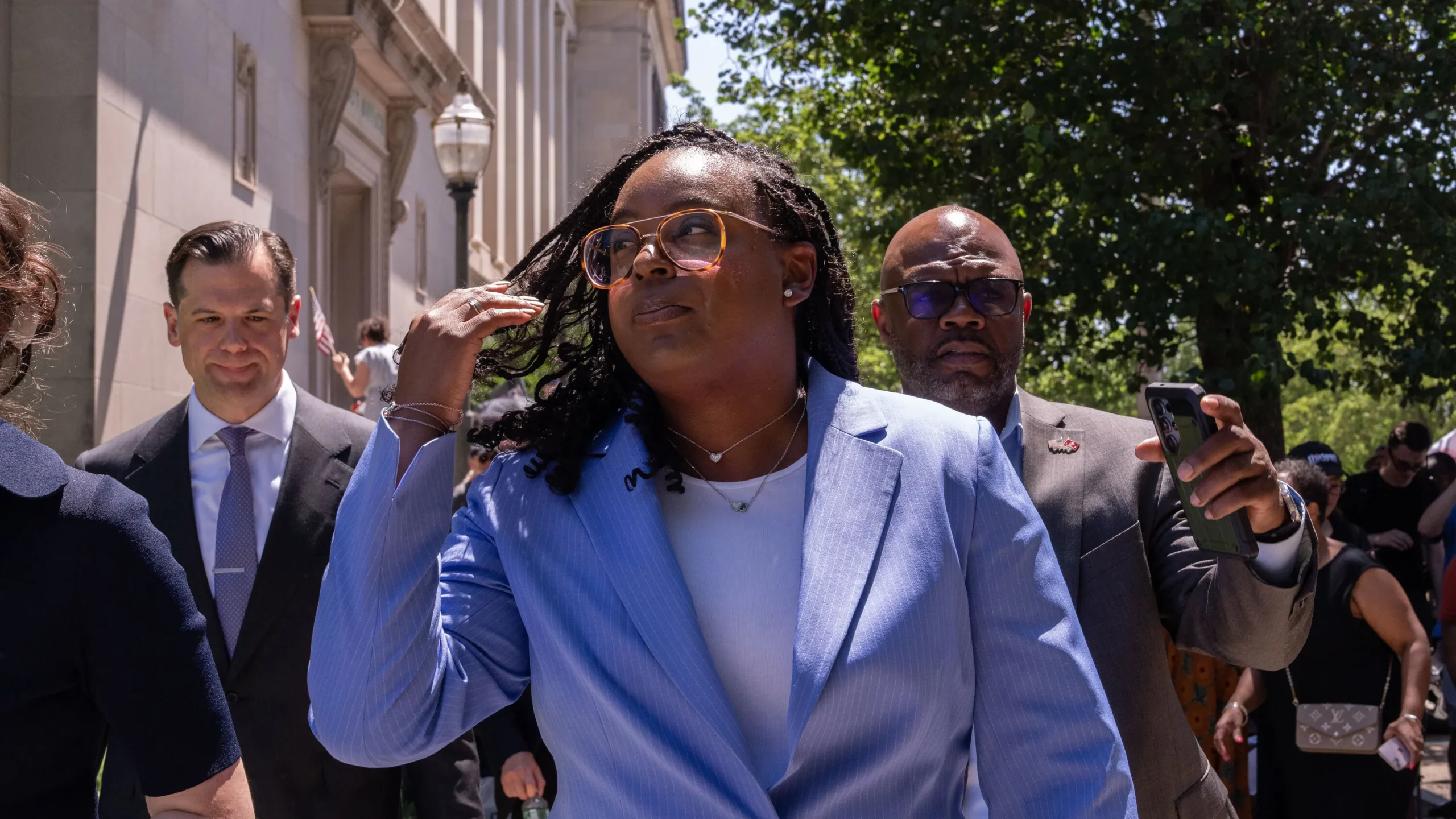
New Jersey congresswoman LaMonica McIver is facing a significant legal decision this week, just days after giving birth to her second child, as she considers whether to seek further review of federal criminal charges brought against her following a confrontation with immigration agents outside an immigration detention facility.
McIver, 40, represents New Jersey’s 10th congressional district and gave birth to a baby girl last Thursday. Her return to the centre of a high-profile legal dispute so soon after becoming a mother highlights the unusual pressures facing the first-term Democrat, who is simultaneously dealing with a criminal case, preparing for re-election and managing the demands of family life.
Her legal team must decide by 9 October whether to ask the US Court of Appeals for the Third Circuit to reconsider an earlier ruling that allowed the criminal case against her to proceed. Such a request could seek a rehearing by the same appellate panel or an en banc hearing involving a larger group of judges from the circuit. McIver could also ultimately ask the US Supreme Court to review the decision, or choose to allow the case to move towards trial.

The legal dispute stems from an incident in May 2025 outside Delaney Hall, an immigration detention facility in Newark that had become the focus of protests and congressional scrutiny over reported conditions inside. McIver had joined other officials during an oversight visit when a confrontation broke out involving federal immigration officers and Newark Mayor Ras Baraka.
Federal prosecutors accuse McIver of interfering with an arrest during the confrontation. She has pleaded not guilty and has consistently rejected the government’s allegations that her conduct amounted to a criminal offence.
McIver’s defence has argued that the Constitution’s Speech or Debate Clause protects her actions because she was carrying out congressional oversight responsibilities. Her lawyers have also argued that she was selectively prosecuted by the administration of President Donald Trump because of her political opposition and efforts to scrutinise immigration enforcement.
A federal appeals court rejected McIver’s attempt to have the charges dismissed in August, leaving her facing the possibility of a criminal trial. The case has attracted national attention because McIver is the only sitting member of Congress indicted by the Department of Justice under the circumstances described in the case. The charges carry a potential prison sentence of as much as 17 years if she were convicted on all applicable counts.
The confrontation at Delaney Hall remains central to the dispute. According to charging documents, a group of people, including members of Congress, gathered around Baraka as federal authorities attempted to arrest him. Prosecutors have alleged that McIver repeatedly shouted opposition to the arrest and became involved in the ensuing struggle.
Video footage of the incident has been examined from several different angles, producing a more complicated picture of what happened. An analysis of the footage found that McIver appeared to make physical contact with at least two federal agents, while also noting that it was difficult to establish precisely how forceful that contact was or whether it was deliberate or resulted from the chaotic circumstances.
McIver has described the events differently, saying the scene outside the facility was extremely chaotic and frightening. She has said armed federal officers surrounded her and her congressional colleagues, portraying the confrontation as an unpredictable encounter during an attempt to conduct congressional oversight.
The congresswoman has argued that the consequences of the case extend beyond her own circumstances. In previous comments, she warned that the prosecution could have implications for lawmakers from both political parties who conduct oversight of executive agencies.
For McIver, the legal dispute has unfolded alongside a demanding period in her personal and political life. She entered Congress after winning a special election in 2024 and subsequently secured a full term later that year. She is now campaigning for re-election while attempting to defend herself against federal criminal allegations.
The arrival of her second child has added another dimension to the situation. McIver had publicly discussed the difficulties she experienced while trying to expand her family and described motherhood as one of the greatest sources of joy in her life.
Her announcement following the birth also connected her experience as a mother to her political work. She has spoken about the importance of maternal healthcare and reproductive rights, while linking those issues to a broader argument about protecting vulnerable people and preserving individual freedoms.
The timing of the birth has also highlighted the limited family support available to members of Congress. McIver has noted that lawmakers do not receive paid parental leave, meaning that she must balance the need to recover after childbirth and care for her newborn with the responsibilities of public office.
She has said that she intends to spend October recovering and caring for her new baby before returning to Congress and voting in November. The decision comes at a particularly demanding point in her career, with the legal case continuing and an election campaign already under way.
McIver is also the mother of a 10-year-old daughter. The congresswoman has described the challenge of caring for her family while continuing to work in Washington and deal with the criminal proceedings. Her legal defence has required additional time and resources, while fundraising to cover legal expenses has added another burden for a relatively new member of Congress.
In describing her experience, McIver has stressed that she could not simply suspend her personal ambitions or public responsibilities because of the legal case. Her efforts to have another child continued while she dealt with the federal prosecution and performed her congressional duties.
Her legislative work has continued despite the controversy. She has focused on issues including reducing energy costs and protecting food assistance programmes, while simultaneously meeting with lawyers about the future of her case and determining how she can continue congressional oversight of immigration authorities.
The case has therefore become intertwined with wider debates over the balance between congressional oversight, executive power and the authority of federal law-enforcement agencies. Supporters of McIver argue that lawmakers must be able to inspect detention facilities and challenge government agencies without fearing criminal retaliation. Prosecutors, however, maintain that congressional status does not provide unlimited protection against criminal conduct.
That disagreement is likely to remain at the heart of any further appeal. McIver’s constitutional argument depends heavily on whether the actions for which she was charged can be considered part of legitimate legislative activity protected by the Speech or Debate Clause.
Her legal team now faces a narrowing window to determine its next move. Seeking a rehearing could give McIver another opportunity to challenge the appellate court’s decision, while pursuing Supreme Court review would represent a further escalation of the constitutional dispute. Allowing the case to proceed, meanwhile, would move the controversy closer to a trial in which the evidence surrounding the Delaney Hall confrontation could receive further scrutiny.
The decision comes at an especially personal moment for McIver. Only days after welcoming her daughter, she must weigh major legal choices that could affect her political career, her ability to continue congressional oversight and potentially her freedom.

For now, the congresswoman has maintained that the prosecution represents an attempt to intimidate lawmakers who challenge the Trump administration. She has described the case as a broader struggle over whether elected representatives can hold the executive branch accountable without facing consequences designed to discourage them from doing so.
The coming days will determine whether she continues that fight through the courts or prepares to defend herself at trial. Whatever decision McIver makes, the case is likely to remain closely watched as a test of congressional immunity, federal immigration enforcement and the limits of executive power.
At the same time, her decision will unfold against the very human backdrop of a new mother preparing to return to public life. McIver’s plans to spend October with her newborn before returning to congressional voting underline the competing responsibilities she is attempting to manage: motherhood, public service, a re-election campaign and a federal prosecution that could shape the next stage of her political career.
Related News:
 US National Guard Member Killed in DC Shooting
 Trump to pause migration from ‘third-world countries’
 Franklin Turtle, Sabrina Carpenter Slam US Social Media Use
 Trump officials continue false claims after Alex Pretti shooting
 Partial US Government Shutdown Hits Homeland Security Funding
 Thousands Protest ICE Operations in Nationwide US Day of Action
 Swalwell Faces Pressure to Quit Governor Race
 Harmeet Dhillon Faces Scrutiny in DOJ Role Debate
 Trump at Press Dinner Sparks Tension
 Judge Blocks Trump Bid for Arizona Voter Data
 US Court Weighs Fate of TPS for Migrants
 Florida Redistricting Map Sparks Major US Political Battle
 US Voting Rights Ruling Sparks Celebration and Outcry
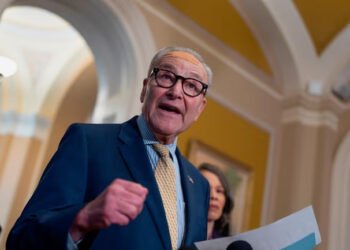 US Court Ruling Reshapes Voting Rights Landscape
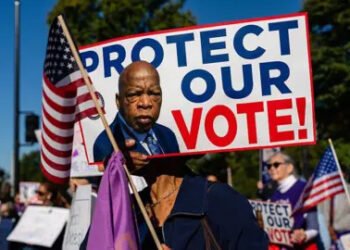 US states redraw maps after voting rights ruling
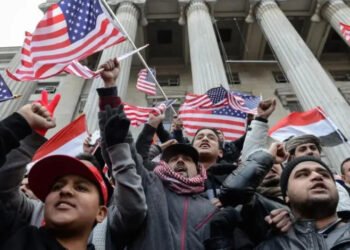 Judge halts deportation of Yemeni refugees in US
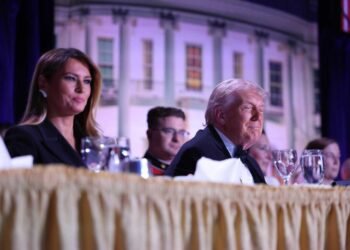 White House Security Case Sparks Political Firestorm
 Trump warns Iran as Middle East tensions surge again
 US Supreme Court fast-tracks Voting Rights ruling
 US Court Restores Abortion Pill Access Temporarily
 Immigration Judges Fear Pressure in Trump Era
 FDA Chaos Deepens as Trump Eyes Makary Exit
 US judge dismisses Kilmar Abrego Garcia indictment
 US green card applicants must apply from abroad, DHS says
 Tulsi Gabbard exits after turbulent intelligence tenure
 Trump’s Revenge Drive Deepens GOP Divide
 Former ICC prosecutor condemns US sanctions
 Gunman Killed After White House Security Shootout
 Prosecutor Proposes Law to Combat Election Deceit
 Trump Weighs Retreat from Controversial $1.8bn Slush Fund
 Mystery Grows Over Mitch McConnell’s Health
 Trump Refuses to Sign Housing Bill, But Law Takes Effect
 Trump Orders Signs Criticising Smithsonian Museum
 Judge Allows Pentagon Firings at Stars and Stripes
 Armed Suspect Attacks Ohio Governor Candidate
 Trump gives $45,000 holiday gifts to White House aides
 New Mexico Takes Facebook to Trial Over Data Scandal
 UK Urged to Probe US Diplomat Case
 Texas Transfers Raise Fears for Migrant Children
 Memphis Questions National Guard Crime Surge
 Trump Media Ban Triggers First Amendment Clash
 ICE Shooting in Austin Sparks Calls for Transparency
 US Deportation Deals Send Migrants to Unfamiliar Countries
 US Networks Suspend Trump White House Pool Coverage
 Trump and Mamdani Hold Cordial Gracie Mansion Meeting
 Democrat Says ICE Restricted Detention Camp Oversight
 CNN, MS NOW Barred From Xi State Dinner Coverage
 Republican Senator Questions Trump Ad Spending
 Trump Ads Trigger Fight Over Taxpayer Money
 Kristi Noem Files for Divorce After 34 Years
 Trump Immigration Policy Faces New Legal Tests
 Judge Blocks Border Wall Work in Big Bend
 DOJ Declines to Reopen Powell Renovation Probe
 Musk’s DOGE Sparks Turmoil Inside US Government
 Latin America women fear rollback of rights
 Lithuania Offers to Fund Permanent US Military Base
 French Taxi Driver Cleared in David Lammy Theft Case After Fare Dispute
 Major Rent Reform Ends No-Fault Evictions in England
 ICC to Rule on Duterte’s Provisional Release
 Australia grants Asio powers to designate hate groups under new laws
 Trump press secretary attacks reporter over ICE question
 Trump Fed bid heads to Supreme Court
 Sinema payment row deepens after $9,000 transfer claim
 Nurses’ families fear breakup under UK immigration crackdown
 Adelaide University Faces Backlash Over Event Cancellation
 Proposed Law Leaves Gap for Children of Convicted Paedophiles
 Trump Signals Hope for New Iran Talks as Ceasefire Fades
 UK Stands Firm on Falklands Amid US Rift
 Investigation Into Anti-Trump Motives After Gala Shooting
 Trump orders US troop pullout from Germany
 Kevin Warsh sworn in as Fed chair amid economic backlash
 AOC Backs El-Sayed in Tight Michigan Senate Primary
 Trump’s Mount Rushmore Speech: A Divisive Anniversary
 Houthis Strike Saudi Arabia as Middle East Tensions Rise
 Unions Warn Labour Over Zero-Hours Contract Reforms
 US Sends Third Carrier to Middle East
 Badenoch Raises Prospect of 2027 UK Election
 Lula Warns of Bolsonaro Family Return as Brazil Votes
 Gosport Protesters Clash With Police Over Migrant Rescue
 Palace Rejects Funding Andrew’s Police Legal Challenge