Published: 09 October 2026. The English Chronicle Desk. The English Chronicle Online
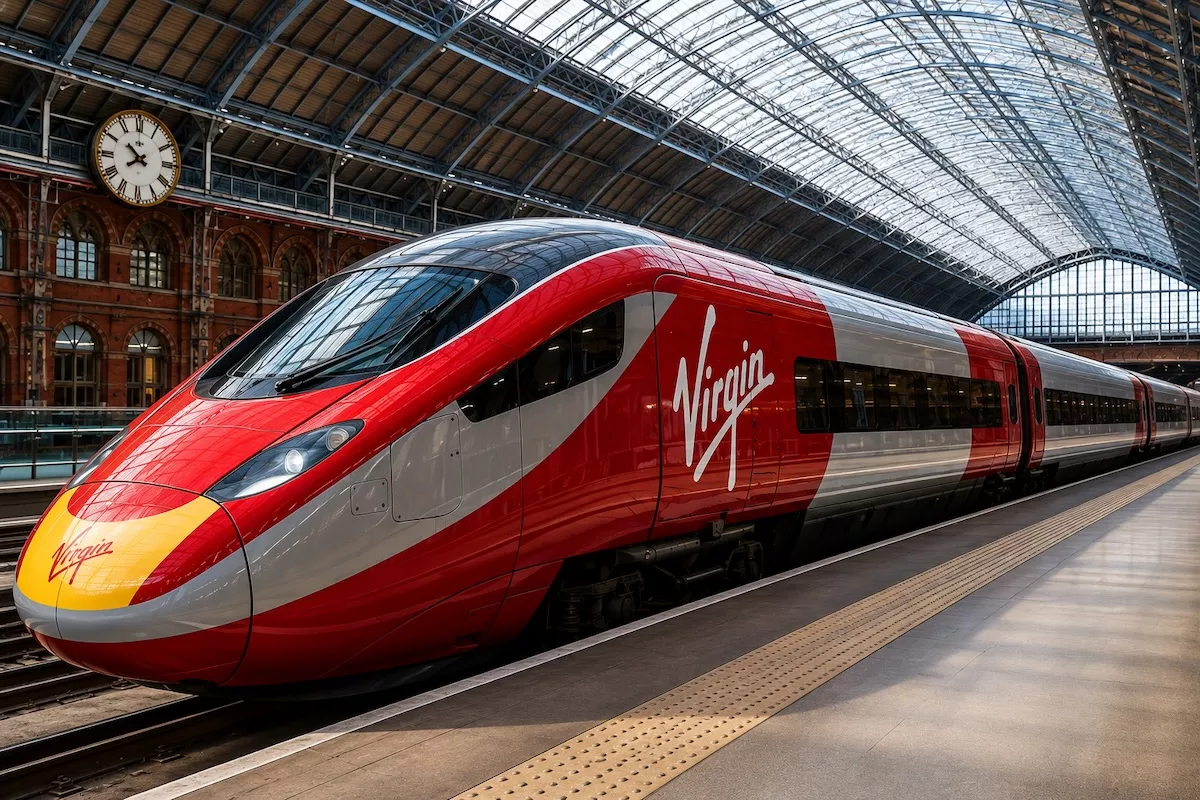
Virgin Group has unveiled an early vision of its next-generation cross-Channel train service, setting the stage for a major challenge to Eurostar’s long-standing dominance of passenger rail travel between Britain and mainland Europe. With plans to begin operations in 2030, the company aims to introduce a distinctive travel experience that combines high-speed rail with the design, hospitality and customer-service concepts associated with its airlines, cruise ships and hotels.
The proposed service could mark a significant development in international rail travel, offering passengers another option for journeys between London and continental European destinations. Virgin intends to compete not only through additional capacity but also by making the journey itself a more attractive part of the travel experience. Its plans place particular emphasis on stylish interiors, improved social spaces, food offerings and greater flexibility for passengers who want to work, relax or spend time with fellow travellers.
The company has ordered 12 trains from French manufacturer Alstom as part of its preparations for the new venture. The trains will form the foundation of Virgin’s planned international rail operations, although the company has yet to disclose all the details of its final interior design, passenger facilities and onboard services.

The announcement signals Virgin’s determination to bring its established brand identity into a market that has largely been served by Eurostar since the opening of the Channel Tunnel in 1994. For decades, Eurostar has provided the principal direct high-speed passenger rail connection between London and destinations including Paris, Brussels and Amsterdam. The arrival of another major operator could introduce fresh competition, potentially encouraging improvements in service quality, ticket options and passenger experience.
Virgin’s strategy draws on its broader experience in the travel and hospitality industries. The company has indicated that its new trains will incorporate ideas from Virgin Atlantic, its cruise business and Virgin Hotels, creating an environment that differs from the conventional design of many high-speed trains.
One of the central inspirations is Virgin Atlantic’s airport lounge concept, particularly its Clubhouses. These lounges are designed to provide passengers with places to relax, work, eat and socialise before boarding their flights. Virgin hopes to translate some of those principles into pre-departure and onboard spaces, giving travellers more opportunities to use their time comfortably rather than treating the train simply as a means of getting from one city to another.
The proposed approach could appeal to business travellers who need to work during their journeys, as well as leisure passengers seeking a more comfortable and sociable experience. However, the company has not yet confirmed the precise configuration of these spaces or whether particular facilities will be available across all ticket classes.
Food is another important part of the proposed passenger experience. Virgin has said its cruise operations will influence the menus and dining concepts planned for the trains. The reference suggests that the company wants to develop an onboard offering that feels more considered than standard rail catering, although detailed menus, service arrangements and pricing have not yet been announced.
The design will also draw inspiration from Virgin Hotels, whose hospitality-focused approach could influence seating, lighting, colour schemes and the overall atmosphere. Virgin has indicated that its trains will feature the group’s familiar red-and-black identity, creating a recognisable visual presence as the services travel between Britain and Europe.
Josh Bayliss, chief executive of Virgin Group, said the company was building on more than four decades of experience in travel and hospitality. He described the venture as an opportunity to create something genuinely new while drawing on Virgin’s history in British rail.
Bayliss also expressed confidence that more people would choose trains for international journeys between the United Kingdom and Europe. Virgin believes its entry will help expand the overall market by increasing the number of available services and making rail travel a more compelling alternative for passengers who might otherwise fly or use other forms of transport.
The company’s ambitions extend beyond operating trains independently. Virgin is considering ways to connect its rail and airline networks, potentially allowing passengers travelling from France to continue their journeys through Virgin Atlantic flights departing from Britain. Such integration could create opportunities for more coordinated travel arrangements and make rail connections part of a wider international transport network.
If successfully developed, the model could offer benefits to passengers travelling between European cities and long-haul destinations. Rail services could provide a convenient connection to airline hubs, while coordinated ticketing and travel planning could help simplify journeys. However, Virgin has not yet confirmed the details of any integrated booking arrangements or specific rail-to-air connections.
The company must also overcome significant operational and regulatory challenges before its trains can begin carrying passengers through the Channel Tunnel. International high-speed rail requires suitable rolling stock, access to railway infrastructure, maintenance arrangements, safety approvals and coordination across national rail networks. Establishing a commercially viable service will depend on more than attractive interiors and branding.
An important step towards addressing those requirements came when the Office of Rail and Road published an agreement with Eurostar concerning Virgin’s access to the Temple Mills international depot in east London. The arrangement provides for Virgin to maintain its trains at the facility, while UK track access has been confirmed until at least 2040.
Access to appropriate maintenance facilities is essential for a new operator seeking to establish reliable services. High-speed international trains require specialised inspection, servicing and repair arrangements, and the availability of suitable infrastructure can influence both operating costs and service reliability. The agreement therefore represents a significant development in Virgin’s preparations, although it does not by itself guarantee that the planned service will launch on schedule.
Virgin’s return to the rail sector also revives memories of its earlier efforts to reshape passenger travel in Britain. The company previously operated intercity services in the United Kingdom and became known for its attempts to introduce distinctive touches to the passenger experience. Some of those innovations attracted attention, including a talking toilet seat introduced on its intercity services in 2013.
The new international project appears to place greater emphasis on an integrated hospitality experience, with design and service concepts drawn from several parts of the Virgin business. Whether those ideas translate into a lasting competitive advantage will depend on passengers’ willingness to pay for the experience, the reliability of the trains, ticket prices and the convenience of the routes offered.
Virgin will not be the only company seeking to expand competition on cross-Channel routes. Italy’s state-owned rail operator Trenitalia is also expected to introduce high-speed services through the Channel Tunnel, potentially creating a more competitive international passenger rail market.
Trenitalia already operates international services reaching Paris and has announced a €2 billion order for 19 new trains from Japanese manufacturer Hitachi. Some of these trains are expected to be based in France and could operate through the Channel Tunnel to London. The plans indicate that established European rail operators are also preparing to pursue opportunities in the market.
The prospect of multiple operators could reshape the competitive landscape for international rail travel. Greater capacity may give passengers more departure choices and encourage companies to differentiate themselves through pricing, comfort, onboard facilities and connections with other transport services. Nevertheless, the eventual effects on fares and passenger numbers will depend on the number of services introduced, operating costs, demand and the commercial strategies adopted by each company.
For Eurostar, the arrival of competitors would represent a significant change after decades as the dominant operator of direct passenger services through the Channel Tunnel. The company has built its position around established international routes and connections between major European cities. New entrants could challenge that position, but they will also need to establish customer trust and deliver consistent performance.
The broader significance of Virgin’s proposal lies in the possibility that competition could encourage operators to rethink what international rail travel offers. Passengers increasingly expect transport services to combine convenience with comfortable surroundings, reliable connections and a straightforward booking experience. Virgin’s plans suggest that it sees hospitality and onboard design as important ways to distinguish its service.
For now, many elements remain under development. The precise routes, timetables, ticket prices, onboard facilities and final design of Virgin’s trains have yet to be fully disclosed. The planned 2030 launch also leaves several years for the company to complete preparations and address the practical demands of operating across international rail networks.
Nevertheless, the unveiling of the train concept and progress on maintenance and track access arrangements indicate that Virgin is moving towards a serious attempt to enter the cross-Channel market. Its challenge will be to turn a distinctive brand proposition into a dependable, affordable and commercially sustainable service.

If Virgin succeeds, passengers could eventually have more choice when travelling between London and continental Europe, alongside the prospect of new approaches to comfort, dining and onboard social spaces. With Trenitalia also preparing to expand its international ambitions, the years leading up to 2030 could become an important period for European high-speed rail.
The ultimate test will be whether Virgin can deliver an experience that is not only visually distinctive but also practical and competitive. Its plans have introduced a new contender into the discussion about the future of cross-Channel travel, but the real impact will become clear only when passengers can compare the service with existing alternatives.
Related News:
 Iceland to Open First UK High Street Store in Falklands
 Ukraine Moves to Seize Water Company
 Oil nears $100 as Saudi attacks shake markets
 Nats Boss Summoned as UK Flight Chaos Continues
 JLR Eyes NATO Market With New Defender Military Vehicle
 Avanti West Coast Set for Public Ownership in March
 UK Diesel Reaches £2 as Inflation Surges Across Europe
 Minister Rejects Fears of UK Diesel Shortage
 Shein UK Faces Allegations of Shifting Majority of Profits to Singapore to Reduce UK Tax
 British AI Startup Outshines Human Forecasters in Global Prediction Contest
 China warns UK over delayed London mega embassy decision
 Rachel Reeves to lead UK trade push in Saudi Arabia amid rights debate
 UPS Cargo Plane Crash in Kentucky Kills Seven
 UK New Car Discounts Near £6,000 as Prices Are Slashed
 Gulf shipping crisis sparks food price fears
 Glasgow Central Set for Full Reopening After Fire
 Middle East Conflict to Hit UK Economy Hardest
 UK Aviation Watchdog Clips Heathrow’s Fee Hike Wings
 UK Pushes for New EU Goods Trade Deal
 Reeves Fights to Keep Treasury Role Amid Labour Turmoil
 EasyJet Takeover Sparks Fears Over Passengers’ Future
 Pubs and Hotels Face Business Rates Reform Review
 Shein targets $27bn valuation in Hong Kong debut
 Firms on both sides fear damage from US-Canada trade war
 Australia Races to Find Tourists Missing in Nepal
 France Eases Cheese Rules as Drought Hits Farms
 Trump orders US to rename Lake Ontario ‘Lake America’
 UK Risks Falling Behind in AI Race
 Europe Faces Winter Gas Supply Anxiety
 London Launches First Self-Driving Taxis
 Green Leader Targets Starmer’s Former Seat
 Swedish Mining Push Puts Sami Land Rights Under Pressure
 Spire Healthcare Agrees £1bn Takeover by Toscafund
 Billionaire Chris Rokos poised to leave UK
 UK plans tougher Israel stance with settlement trade ban
 McLaren to Create 1,000 UK Jobs in £450m Investment
 JPMorgan Boss Warns Against UK Bank Tax Rise
 John Lewis Losses Widen to £124m as Confidence Falls
 Oil Prices Surge as Saudi Pipeline Closure Deepens Crisis
 Thames Water Revises Oxfordshire Mega-Reservoir Plan
 UK Retailers Accused of Breaking Refund Laws
 Farage Threatens Union Funding Ban Over Reform Donations
 Slave-Trade Wealth Embedded in Britain’s Financial System
 Heathrow Expansion Faces New Climate Conditions Over CO₂
 UK Heatwaves Set to Worsen Pothole Damage, RAC Warns
 Mayors Could Gain New Powers Over UK Water Firms
 Mayors Could Gain Greater Powers Over Water Firms
 Horse Hill Oil Site Sold as New Drilling Bid Emerges
 Entain Plans 400 Job Cuts After Profit Update
 Lords Call for Tobacco-Style Gambling Ad Ban
 Next Raises Profit Forecast After Strong Summer Sales
 Trump Threatens EU With Tariffs Over Canada Proposal
 UK Productivity Improves as Bank Weighs Interest Rates
 Trump Threatens EU Over Canada Partnership Proposal
 Barclays Staff Push Back Against Office Return Plan
 US Sanctions Open New Battle for Cuba Assets
 UK Flights Hit by Fresh Air Traffic Control Fault
 Tony Blair Calls for Britain to Rejoin EU Within a Decade
 AO Acquires Jessops in Camera Retail Expansion
 TalkTalk Races to Sell Arms as Administration Looms
 Beaverbrooks Boss Calls for Relief on Business Costs
 Trump backs voluntary AI safety pact with tech giants
 Burnham Opens Door to Possible UK Return to EU
 Poundland Rescue Bid Could Protect 11,000 Jobs
 Bank Chief Calls for Power to Intervene in AI
 UK Bookmakers Linked to Offshore Casino Deal
 Boots Sale Nears as Weston Family Eyes $9bn Deal
 BBC Three and Scotland Face Online-Only Future
 BT Broadband Pauses Raise Digital Switchover Concerns
 UK Faces Calls to Review Bank Failure Bets
 UK Weighs Chinese Car Tariffs Amid EU Trade Push
 BT Agrees £400m TalkTalk Rescue Deal
 Informa Agrees £2.24bn Deal to Buy Clarion
 Asos Investigates Hack Claims After Customer Alerts
 EU-China Talks Target Surge in Hybrid Car Imports
 Royal Mail Plans Up to 2,500 Job Cuts
 France Urges UK to Consider Returning to EU
 Houthi Missile Claim Sparks Riyadh Airport Disruption
 UK Water Firms Earn Millions From Industrial Wastewater
 UK Pharmacy Body Drops Teva After Ethical Concerns