Published: 12 October 2026. The English Chronicle Desk. The English Chronicle Online
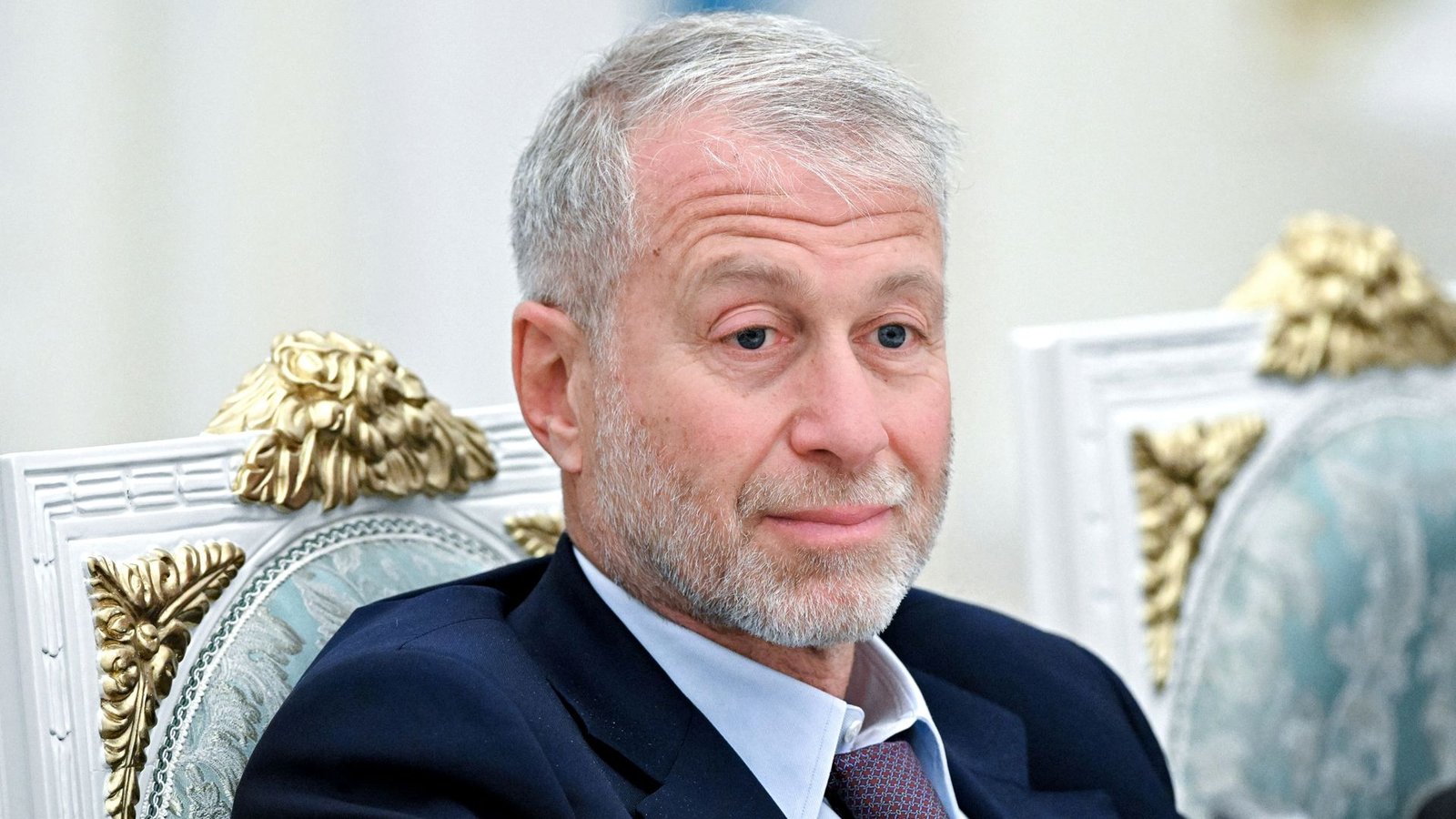
Leaked corporate records have raised serious questions about how Russian billionaire Roman Abramovich’s financial advisers allegedly handled his offshore business empire, with documents suggesting that paperwork was backdated to conceal assets, reduce potential tax liabilities and obscure the movement of billions of dollars. The records also raise concerns about the possible involvement of professionals associated with Deloitte Cyprus and the accuracy of evidence presented during a legal dispute in the United Kingdom.
The allegations emerge from a major investigation into more than 500,000 leaked documents known as the Cyprus Confidential files. The material was examined by investigative organisations, including the International Consortium of Investigative Journalists, the Guardian, the Bureau of Investigative Journalism and the BBC. The documents describe a complex network of offshore companies, financial transactions and contractual arrangements associated with Abramovich, the former owner of Chelsea Football Club.
Abramovich’s lawyers have denied that their client engaged in tax evasion or attempted to mislead Cypriot authorities. They said he relied on advice from professional advisers and argued that any arrangements recommended by reputable specialists would have been appropriate for companies connected to him. Eugene Tenenbaum, a London-based businessman and one of Abramovich’s closest associates, also denied wrongdoing. Deloitte Cyprus said it complies with applicable laws and could no longer access the relevant material because of the time that had passed.

The investigation focuses on financial arrangements dating from the late 1990s through at least 2013, a period during which Abramovich accumulated substantial wealth through Russia’s oil industry and subsequent investments. Investigators say the documents appear to show repeated efforts to alter the apparent dates and ownership structures of transactions, potentially creating a misleading account of when assets were transferred and who controlled them.
A central part of the investigation concerns Kravin Investments, a Cyprus-based company that received approximately $3 billion in May 2003 through financial arrangements linked to Abramovich’s business interests. The company reportedly retained around $2 billion, which remained in its bank account or was lent to other companies. The interest generated by these funds could potentially have created a substantial tax liability in Cyprus.
According to the leaked correspondence, financial advisers began discussing ways to eliminate or reduce that liability. Demetris Ioannides, who previously chaired Deloitte Cyprus before establishing his own advisory business, Meritservus, played a significant role in managing financial arrangements associated with Abramovich.
In an email from August 2005, Ioannides reportedly wrote that Kravin’s financial statements and accounting records for 2003 and 2004 would need to be changed. The correspondence referred to discussions with Deloitte Cyprus partners and former colleagues Antonis Taliotis and Nicos Charalambous. A subsequent email indicated that changes would have to be made to the accounts.
Documents subsequently produced by Millhouse, Abramovich’s investment vehicle, and Meritservus appeared to establish that Kravin had held and invested the money as a trustee for Kelvedon Worldwide, a company registered in the British Virgin Islands. However, the records describing this arrangement were dated between March and December 2003, although the investigation suggests that they were created at least two years later.
The apparent effect was to change the historical presentation of the funds. Instead of appearing to belong to Kravin, the billions were represented as assets held on behalf of another company. The investigation suggests that this restructuring removed approximately $2 billion from Kravin’s balance sheet and potentially eliminated the associated tax exposure.
Andrew Mitchell KC, an expert in financial crime and tax law, described the apparent arrangement as an attempt to shield assets from legitimate taxation. He said that, if the evidence accurately reflected the transactions, the conduct could amount to straightforward tax evasion. These are expert assessments of the reported documents, rather than a judicial finding that Abramovich committed an offence.
Abramovich’s legal representatives rejected allegations that he evaded tax or sought to deceive Cypriot authorities. They emphasised that he did not manage the companies’ daily operations and was entitled to rely on advice from professional firms.
The investigation also examines a separate arrangement dating back to 2000, when Abramovich reportedly sought to extract nearly $100 million from Cyprus-based companies holding interests in Sibneft, the Russian oil company that helped establish his fortune.
According to the documents, Ioannides and Tenenbaum discussed how the money could be transferred without exposing the identities of the Cyprus companies involved. The records indicate that advisers developed an arrangement involving consultancy agreements that appeared to show payments for advice on share purchases.
Under the reported structure, companies connected to Sibneft paid an intermediary approximately $98 million for consultancy services. The intermediary then allegedly transferred almost all the money to Abramovich as a commission for acting as its agent.
The investigation raises questions about the timing of these transactions. The share purchases to which the consultancy services supposedly related had already occurred a year earlier. To make the arrangement appear consistent with the timeline, advisers reportedly used an existing Cypriot company, PB Mediapower Enterprises, and prepared agreements bearing earlier dates.
According to the leaked files, directors associated with Deloitte Cyprus signed the documents with Tenenbaum’s authorisation, and the arrangements were incorporated into the company’s annual accounts. Abramovich’s commission was converted into promissory notes, which functioned as promises to pay money at a later date. He reportedly redeemed the notes over the following three years.
The files contain 50 applications relating to these notes, each bearing Abramovich’s signature. Investigators say the records provide an unusual documentary trail connecting him directly to transactions that might otherwise have remained difficult to trace.
Nevertheless, Abramovich and Tenenbaum denied participating in improper backdating or falsification. Their representatives said both relied on specialist professional advice and rejected suggestions that the arrangements demonstrated wrongdoing.
Another part of the investigation concerns the reported disappearance of hundreds of millions of dollars in luxury assets from corporate accounts.
Among the properties associated with Abramovich was Fyning Hill, an estate covering approximately 424 acres in West Sussex, England. The imposing property became one of the most prominent assets linked to the billionaire’s British lifestyle. Russian President Vladimir Putin reportedly visited the estate for lunch during his first state visit to the United Kingdom in 2003.
By 2005, corporate accounts reportedly listed Fyning Hill among approximately $650 million in luxury assets held through Amiscan Investments, a Cyprus-based company. The portfolio also included a London penthouse, a French chateau, helicopters, private jets, yachts and a high-performance car collection.
New disclosure requirements introduced in Cyprus meant that these assets were expected to appear in the company’s accounts. However, the investigation suggests that the assets had disappeared from the records by the time the relevant accounts were filed.
An email from October 2005 reportedly showed Ioannides suggesting to Tenenbaum that it might be more prudent not to disclose the assets. Other correspondence appears to indicate that advisers subsequently prepared agreements with earlier dates to create the impression that the assets had been transferred to Kelvedon Worldwide at the beginning of 2003.
The resulting accounts showed no trace of several properties and luxury vehicles that had previously been associated with Amiscan. Deloitte Cyprus nevertheless signed off on the accounts, according to the investigation.
Financial crime specialists consulted about the records said that backdating documents can sometimes serve legitimate purposes, particularly when a document records the effective date of an arrangement. However, they questioned whether that explanation fitted the transactions described in the leaked material.
Rachel Sexton, a forensic accountant experienced in fraud investigations, said that creating a false impression through backdated documents could constitute fraudulent misrepresentation. Mitchell also raised concerns about the apparent willingness of professional advisers to disregard their obligations.
Abramovich and Tenenbaum denied wrongdoing, including improper backdating, falsification and tax evasion. Their representatives said their clients could not recall the circumstances surrounding documents created more than two decades earlier. Deloitte Cyprus said the relevant correspondence was no longer accessible and that it could not comment on whether the material was complete or accurate.
The leaked records have also raised questions about evidence presented during a legal dispute involving Abramovich and Moscow businessman Chalva Tchigrinski.
In 2008, Abramovich faced the prospect of a costly lawsuit arising from their former partnership in the oil venture Sibneft-Yugra. Tchigrinski’s company, Sibir, had lost its position in the venture, while Abramovich subsequently gained control of the business interests that formed part of his wider oil empire.
Tchigrinski’s lawyers alleged that a series of secret meetings and transactions had diluted their client’s stake, allowing Abramovich to obtain greater control and benefit from the eventual sale of Sibneft to Gazprom.
In a witness statement, Tenenbaum said he had no knowledge of the project’s details before spring 2004, when Sibir’s complaints became public. He also stated that he had searched his files, emails and documents from 2002 to 2004 but had found no relevant records concerning Sibneft-Yugra.
However, the Cyprus Confidential files reportedly contain agreements signed off by Tenenbaum relating to transactions involving the same venture. One concerned the transfer of Sibneft-Yugra shares to Ferenco Investment & Services, a company owned by Abramovich, in 2003.
The investigation suggests that these documents may contradict Tenenbaum’s account to the court. It also raises questions about documents submitted to support Abramovich’s position in the dispute, some of which appear to have been backdated.
The court judgment reportedly referred to evidence from Abramovich that corroborated Tenenbaum’s testimony. However, the investigative journalists said they had not seen that particular evidence, and the available material does not by itself establish that the court was deliberately misled.
Tenenbaum’s lawyers said he had given evidence honestly and in good faith and strongly rejected allegations that he misled the court. Abramovich’s lawyers also denied that their client’s evidence had misled the proceedings.
Taken together, the leaked documents suggest that more than 1,000 records associated with Abramovich’s business empire may have been backdated. The reported arrangements involved multiple companies and jurisdictions, illustrating how complex corporate structures can make it difficult for regulators and tax authorities to establish the true ownership and movement of wealth.
The case also raises broader questions about the responsibilities of accountants, corporate advisers and auditors who oversee international financial arrangements. Professional firms are expected to maintain accurate records, comply with relevant laws and ensure that financial statements present a reliable picture of a company’s affairs.
Abramovich’s wealth originated in Russia’s turbulent post-Soviet privatisation period. His acquisition of Sibneft for a reported $250 million preceded the eventual sale of his remaining shares to Gazprom in 2005, a transaction associated with proceeds of approximately $13 billion. His wider business interests subsequently included major property holdings, luxury vessels and Chelsea Football Club.
His financial affairs have faced additional restrictions following sanctions imposed by the United Kingdom and the European Union in response to Russia’s full-scale invasion of Ukraine. Meritservus and Ioannides were also sanctioned by the UK in 2023 over their alleged role in helping Russian oligarchs conceal wealth.

The latest allegations do not, on their own, amount to a criminal conviction or establish that every transaction described in the leaked files was unlawful. The individuals and organisations concerned have denied wrongdoing or disputed the allegations, and the significance of the records depends on their authenticity, completeness and interpretation.
Nevertheless, the investigation presents a detailed account of how offshore corporate arrangements may have been used to obscure assets and complicate scrutiny of a billionaire’s financial affairs. It also highlights the importance of independent auditing, transparent ownership records and effective international cooperation in preventing financial misconduct.
Ultimately, the documents leave significant questions about the historical management of Abramovich’s wealth, the professional responsibilities of those who advised him and whether authorities had sufficient information to assess the transactions at the time. Establishing legal responsibility would require further examination of the evidence by the relevant authorities and, where appropriate, the courts.
Related News:
 City & Guilds Faces Governance Crisis Over Sale
 Councils spend £125m on illegal children’s care
 Undercover officer deceived women with ‘grotesque and cruel’ lies, spycops inquiry told
 California fireworks blast: murder charges filed in case
 Prevent Failings Exposed After Southport Attack
 Ben Roberts-Smith Denies War Crime Allegations in First Statement
 City & Guilds Sale Sparks Fees and Pay Uproar
 Police Suspect Help in Missing Alice Springs Girl Case
 FBI Links Brown University Shooting to Long-Term Grievances
 Cartel crackdown raises fears of fresh violence
 Barrister Criticises Trial After Suicide Case Verdict
 China mine blast death toll rises to 90
 Murder Probe Continues After Arrest Release
 New Footage Revives Peter Falconio Mystery
 Trump Refuses to Sign Housing Bill, But Law Takes Effect
 Westminster Council Threatens Charing Cross Soup Kitchen
 BBC Warned About Missing Clothes of Murder Victim
 Cambridge Professor Jason Arday Found Dead at Home
 Survivor Sues Musk’s xAI Over AI Abuse Images
 Argentina Orders Return of Nazi-Looted Painting
 Reform Faces Fresh Financial Controversy
 Patriot Platform Raises Concern Across Britain
 Reform UK Receives Record £36m Donation From Crypto Billionaire
 Israel Accused of Undermining Palestinian Life
 Reform Faces Questions Over £72m Donations
 UK Retailers Accused of Breaking Refund Laws
 Fugitive Developer Rants at NSW Corruption Inquiry
 ICAC Examines Greenwood Payments and Nassif Links
 Australia Post Worker Jailed Over Stolen Bank Cards
 Harrods Faces Dispute Over Fayed Abuse Compensation
 Reform UK Faces Internal Debate Over £72m Spending
 Democrat Says ICE Restricted Detention Camp Oversight
 Elizabeth Holmes Set for Halfway House Transfer
 Casino Secrets Leak Exposes Offshore Gambling Network
 Cornell Fraternity Assault Investigation Reopened
 Fayed Survivors Demand Inquiry Into Medical Regulator
 London Facial Recognition Trial Ends With False Alert
 Ukraine Faces $45m Hourly Cost From Missile Alerts
 Trump Ads Trigger Fight Over Taxpayer Money
 UK University Strikes Spread as Financial Pressure Grows
 Tennessee Execution Fails After Two Lethal Doses
 UK Bookmakers Linked to Offshore Casino Deal
 Hundreds of UK prisoners released early amid overcrowding
 Drumcree Talks End Without Agreement Ahead of Appeal
 Almost Half of Fayed Accusers May Be Trafficking Victims
 Badenoch Raises Prospect of 2027 UK Election
 New Prosecutor Takes Over Cornell Assault Case
 Latin America women fear rollback of rights
 Flydubai Co-Pilot Studied in Australia Before Attack
 Andrew Mountbatten-Windsor Challenges Police Raids
 FCA probe follows whistleblower’s death
 Detective Breaks Down Recalling Double Murder Scene
 Christa Pike Wakes After Failed Tennessee Execution
 Royal Navy Sailor Charged With Alleged Spying
 NSW Police Bid Delays Inquiry Into Sydney Protest
 Sam Wood Denied Bail Over Alleged Domestic Assault
 Sri Lanka Ex-First Lady Arrested Over Donation Probe
 ICE Agent Shoots Man in New York as Child Escapes Harm
 US Senate Debates Turn Bitter as Midterms Near
 Delhi Tightens Security Ahead of Election Protest
 UAE Says Co-Pilot Planned Suicide Attack on Israel
 Premier League Faces a Crisis of Trust After City Verdict
 British Military School Abuse Victims Denied Justice
 Man Denies Stealing Bronze Age Gold from Museum
 Runaway Driver Caught by DNA Evidence
 Apollo Launches £5.7bn Bid for Aviation Giant easyJet
 Unions Warn Labour Over Zero-Hours Contract Reforms
 Trump gives $45,000 holiday gifts to White House aides
 JPMorgan Boss Warns Against UK Bank Tax Rise
 Man Arrested in Mississippi Woman’s Death
 Entain Plans 400 Job Cuts After Profit Update
 Trump Threatens EU With Tariffs Over Canada Proposal
 UK Rent Gap Puts Low-Income Families Under Pressure
 British Columbia Sues OpenAI Over School Shooting
 AO Acquires Jessops in Camera Retail Expansion
 Republican Senator Questions Trump Ad Spending
 Healey urged to act as UK energy bills rise 4%
 Palace Rejects Funding Andrew’s Police Legal Challenge
 Ministers Push ATO to Reconsider Credit Card Ban
 South Africa Withdraws Directive on Asylum Applications