Britain’s electricity system faced an unusual supply challenge on Monday morning after falling wind power generation across Europe prompted the country’s energy system operator to issue a rare request for additional electricity supplies. The warning came amid concerns about a growing gap between available electricity generation and expected demand, forcing authorities to call on power producers, including gas-fired power stations, to increase output.
The National Energy System Operator (NESO), the government-owned organisation responsible for balancing electricity supply and demand across Great Britain, issued an electricity margin notice late on Sunday night. The notice indicated that the country could face an electricity supply shortfall of almost 1,400 megawatts between 6am and 11am on Monday, November 9.
The situation was particularly unusual because such notices have traditionally been associated with cold winter evenings, when household heating, lighting and commercial activities push electricity consumption towards its annual peak. A supply warning during the morning hours highlights the increasing challenges facing Britain’s electricity system as renewable generation becomes a more significant part of the national energy mix.

According to NESO’s initial assessment, the operator needed to secure approximately 800 megawatts of additional electricity generation within eight hours. This amount of electricity is broadly equivalent to the output of a medium-sized gas-fired power station. A review of the country’s electricity supply position was scheduled for 4am on Monday to determine whether additional generation capacity would be required.
Following the early-morning assessment, NESO issued a second electricity margin notice indicating that its intervention had helped reduce the expected supply shortfall to approximately 500 megawatts. The operator confirmed that no further contingency power was required at that stage, although power stations could still be asked to generate more electricity than usual between 8am and 11am.
A further review was scheduled for 7.30am as authorities continued monitoring the situation and assessing available generation capacity. The developments demonstrated how quickly electricity supply conditions can change and why the operator must maintain sufficient flexibility to respond to unexpected fluctuations in generation and demand.
Despite the unusual circumstances, NESO sought to reassure households and businesses that there was no immediate threat to electricity supplies. A spokesperson described the notice as a routine and precautionary measure intended to give electricity market participants an opportunity to make additional generation capacity available.
The spokesperson emphasised that the notice was not a warning of potential power cuts and that consumers did not need to take any action. Great Britain’s electricity system remained secure, the organisation said, despite the temporary pressure on supply margins.
The distinction between an electricity margin notice and an actual emergency is important. Such notices allow the system operator to alert electricity producers and market participants that additional generation may be needed. They are designed to strengthen the available supply margin before conditions become more difficult, rather than indicate that customers are about to lose electricity.
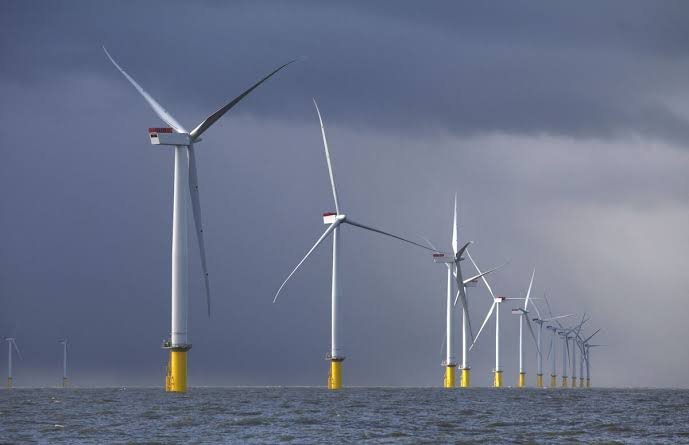
The latest warning appears to have been linked largely to weaker wind generation across Europe. Wind farms have become an important source of electricity for Britain and other European countries, but their output can fluctuate considerably depending on weather conditions. When wind speeds fall across several countries simultaneously, the availability of renewable electricity can decline, increasing pressure on alternative sources of generation.
The timing of the notice also raised questions about Britain’s reliance on electricity imports from neighbouring European markets. Although the country was forecast to export electricity to Europe on Monday, the wider regional energy situation suggested that securing additional supplies could become expensive when renewable generation was limited.
On Friday, NESO reportedly paid substantially higher prices to secure electricity imports from Europe. The cost of imported electricity reached more than ten times the market price recorded earlier in the week, reflecting the pressure on available supplies and the competitive conditions within the interconnected European electricity market.
Kathryn Porter, an independent energy consultant, highlighted the unusually high costs involved in securing additional electricity. She said payments included approximately £2,500 per megawatt-hour for electricity imported through Britain’s high-voltage subsea interconnector cables, while gas-fired power stations were offered around £1,000 per megawatt-hour to increase generation.
These figures illustrate the financial consequences of securing electricity at short notice when supply margins become tight. Although such arrangements can help maintain the stability of the national grid, higher procurement costs can ultimately contribute to the expenses recovered through household and business energy bills.
The developments also underline the importance of maintaining a diverse electricity generation system. Wind power can provide substantial amounts of relatively low-carbon electricity when weather conditions are favourable, but its output is not always predictable. Gas-fired power stations, electricity imports, energy storage facilities and other generation sources continue to play important roles in maintaining a reliable supply.
Britain’s transition towards renewable energy has increased the importance of managing these fluctuations. As the country seeks to reduce its dependence on fossil fuels, the electricity network must become increasingly capable of balancing variable renewable generation with changing consumer demand.
Energy storage, improved grid infrastructure and stronger connections with neighbouring countries are among the measures that can help address these challenges. However, developing sufficient capacity requires substantial investment, careful planning and coordination between energy producers, network operators and policymakers.
The latest electricity margin notices also come at a time when NESO is facing increased scrutiny over its internal management and operational decision-making. An independent investigation published in October identified significant and concerning cultural issues within the organisation’s electricity control room.
The three-month investigation was conducted by an external law firm following allegations from whistleblowers that NESO had concealed growing concerns about the possibility of electricity blackouts in Britain. The allegations prompted questions about the organisation’s transparency, internal communication and ability to manage emerging risks within the national electricity network.
Whistleblowers had previously claimed that repeated electricity margin notices during the summer reflected a power system that was becoming increasingly difficult to manage. They also raised concerns that decisions made inside the control room were allegedly influenced by the company’s corporate affairs team in an effort to protect the reputation of the government-owned organisation.
These allegations placed additional pressure on NESO to demonstrate that its operational decisions are based on transparent assessments of electricity supply and demand. The independent investigation’s findings have further intensified attention on the organisation’s internal culture and the effectiveness of its oversight arrangements.
NESO was previously part of National Grid, one of Britain’s major energy companies and a former FTSE 100 constituent. It returned to government control in 2024 as part of wider changes to the country’s electricity system management arrangements.
Its responsibilities are central to Britain’s energy security. The operator must continuously monitor electricity generation, consumption, network conditions and available reserves to ensure that supply remains balanced with demand. Even relatively small changes in generation forecasts can require rapid adjustments, particularly when renewable energy output fluctuates unexpectedly.
Monday’s developments therefore represent more than an isolated supply challenge. They highlight the wider difficulties facing Britain’s electricity infrastructure as the country becomes increasingly dependent on weather-sensitive renewable energy while maintaining reliable supplies for households, businesses and essential services.

For consumers, the immediate reassurance is that NESO did not identify a risk of power cuts and confirmed that the electricity system remained secure. Nevertheless, unusually expensive emergency generation and electricity imports could contribute to wider cost pressures if similar situations become more frequent.
The challenge for policymakers will be to ensure that the transition towards cleaner energy does not compromise the reliability or affordability of electricity. Expanding renewable generation must be accompanied by sufficient storage, flexible backup capacity and modernised transmission infrastructure.
As Britain continues to reshape its energy system, the latest warning serves as a reminder that electricity security depends not only on how much power the country can generate but also on whether that power is available at the right time. Ensuring a dependable and affordable supply will remain one of the government’s most important energy policy challenges in the years ahead.
Related News:
 Drax Datacentre Faces Major Carbon Emissions Concerns
 Heavier SUVs Accelerate Britain’s Pothole Crisis
 UK rejects EV charging VAT cut amid Treasury clash
 Norfolk Broads Housing Levy Faces Environmental Criticism
 UK Water Firms Earn Millions From Industrial Wastewater
 UK Warned Over Dangerous Dependence on China for Minerals
 North Sea oil workers must lose weight or face job loss
 UK Taskforce Unveils Plan to Streamline Nuclear Reactor Rules
 UK Car Sales Pass 2 Million as Chinese Brands Surge
 MPs warn AI financial risks threaten UK stability
 MPs warn AI financial risks threaten UK stability
 AI job losses UK: Britain faces sharper employment shock
 UK New Car Discounts Near £6,000 as Prices Are Slashed
 Aberdeen Chosen for GB Energy HQ at Marischal Square
 UK Energy Reform Could Cut Bills by £200
 North Sea Drilling to Cut UK Imports Only Slightly
 OpenAI Halts Stargate UK Project Amid Energy Crisis
 Europe EV Demand Surges as Fuel Prices Rise
 Reform UK funding: mystery billionaire revealed
 UK firms accused of ‘AI washing’ boom
 Essex valley emerges as rising English wine hub
 London’s 2026 ‘Great Stink’ Raises Sewer Concerns
 Burnham unveils £65m drought aid for farmers
 Battery Fires Cost UK Recycling Industry £1bn
 UK Risks Falling Behind in AI Race
 Turkmenistan Begins Fixing Major Methane Mega-Leaks
 London Launches First Self-Driving Taxis
 UK Subsidence Claims Surge After Record-Breaking Summer
 McLaren to Create 1,000 UK Jobs in £450m Investment
 Nats Boss Summoned as UK Flight Chaos Continues
 Thames Water Revises Oxfordshire Mega-Reservoir Plan
 North Sea Firms Urge Early End to Windfall Tax
 Heathrow Expansion Faces New Climate Conditions Over CO₂
 UK Heatwaves Set to Worsen Pothole Damage, RAC Warns
 Horse Hill Oil Site Sold for £1m as Drilling Bid Returns
 Tom Watson Takes Senior Role at Palantir
 Australia Renewables Reach Record 80% Grid Demand
 Chinese Hybrid Car Surge Raises EU Auto Industry Concerns
 TalkTalk Races to Sell Arms as Administration Looms
 Most Popular UK Hybrids Miss Rapid Charging
 UK Diesel Prices Hit Record High Amid Iran Conflict
 New UK Homes in Flood Zones Face Insurance Risk
 Bank Chief Calls for Power to Intervene in AI
 Edinburgh Glasshouses Reopen After Major Restoration
 BBC Three and Scotland Face Online-Only Future
 Palantir Lobbyist Had Role in Burnham Campaign
 Feeld Founders Receive Record Dividend as Sales Rise
 UK Diesel Reaches £2 as Inflation Surges Across Europe
 Minister Rejects Fears of UK Diesel Shortage
 BT Broadband Pauses Raise Digital Switchover Concerns
 North Sea Strike Threatens UK Fuel Supplies
 Asos Investigates Hack Claims After Customer Alerts
 Norway Fjord Faces Fresh Mine Waste Dumping
 Bendy Elm Named UK Tree of the Year
 Britons Demand Greater Honesty on Climate Crisis
 NSW Leader Downplays Impact of Landmark Coal Ruling
 Australia Rejects Russian Fuel as Trump Strikes Deal
 UK Must Build Its Own AI to Protect National Security
 Parking Apps Push UK Drivers’ Costs Up by 40%
 UK Urges Interpol to Reject Argentina’s Falklands Arrest Requests
 Cyber Fraud Threatens Trust in Global Financial System
 UK Shoppers Urged to Avoid Hake and Coley
 Bradford Rail Hub Promises Faster Northern Connections
 UN Warns World Must Cut Emissions by 18% by 2030
 Healey Pledges Major AI Investment for UK Security
 UK Land Registry Plan Faces Opposition From Landowners
 UK Chancellor Moves to Scrap Gas Standing Charges
 BP Profits Surge as Middle East Conflict Lifts Margins
 UK Weighs Tougher Firework Rules Over Animal Welfare
 Denmark Seeks EU-Wide Ban on Fast-Growing Turbo Chickens
 Warming UK Seas Threaten Marine Life and Food Security
 Zelenskyy Seeks Urgent Help as Russia Hits Ukraine’s Power Grid
 Paris Climate Agreement Faces a Critical Test After 10 Years
 Starmer Faces Parliamentary Battles Over UK-EU ‘Reset’ Plan
 ScottishPower Tops List of Worst UK Energy Suppliers
 UK Unemployment Rate Climbs to 5.2% Peak
 Tube Strike Brings Capital to a Standstill Over Shift Disputes
 EU Slashes Steel Quotas But Grants UK Favourable Rates
 Trump Faces Backlash Over $2bn Earnings Since Return
 Unions Warn Labour Over Zero-Hours Contract Reforms