Published: 01 July 2026. The English Chronicle Desk. The English Chronicle Online.
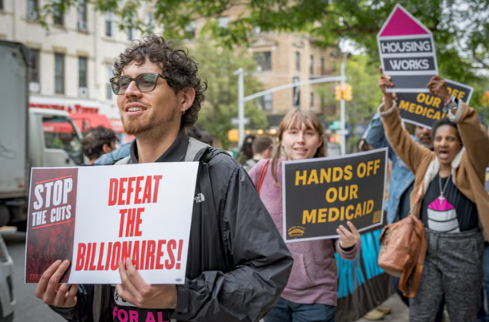
The affordability crisis gripping American families is felt most acutely within the housing sector. Typical home prices have surged far beyond the average annual income of a standard family. Monthly costs for home ownership have reached record highs across nearly every US region. The nation currently faces a daunting housing shortfall amounting to millions of necessary units. Despite this clear demand, private builders are not rushing to meet the existing supply gaps. Data shows the supply of new homes declined over fourteen percent this past May. Moody’s Analytics projects that residential investment will continue to contract every year through 2030.
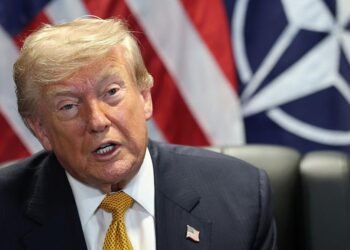
Congress finally addressed this dysfunction through a rare bipartisan effort to stimulate new development. Legislators proposed a bill to accelerate homebuilding by relaxing burdensome environmental and federal regulations. This legislative move marked the first significant action on housing in thirty long years. Donald Trump abruptly halted this progress by refusing to sign the crucial housing legislation. He demanded that Congress first pass a bill to strictly limit mail-in voting procedures. He also insisted on mandates requiring all voters to submit official proof of citizenship status.
This demand appears to be a calculated attempt to suppress minority voter turnout rates. Trump’s justification for blocking housing reform remains rooted in unsubstantiated claims of voter fraud. He recently dismissed the bipartisan housing legislation as being of only minor importance today. Nearly two years into his second term, his primary objective appears focused on himself. The president seems largely dedicated to enriching his own family interests above national needs. It is surprising how many of his policies have sabotaged his own core constituencies. He seems to be daring his loyal supporters to abandon his political agenda entirely.
His decision to initiate a confrontation with Iran has caused significant domestic fallout. Following the Iranian decision to close the Strait of Hormuz, energy prices surged upward. This development dismantled one of the primary campaign promises that originally secured his presidency. He previously vowed to slay inflation, yet energy costs have undermined that core objective. Rising inflation ensures that real wages for the average worker are currently in decline. Mark Zandi estimates that energy costs have absorbed recent tax refunds for most citizens.
Trump’s administration continues to drive energy prices higher through several distinct policy initiatives. He has accelerated the reduction of essential subsidies for vital solar power development projects. Simultaneously, his administration maintains efforts to block new investment in wind energy infrastructure. These policies are raising renewable energy costs while demand from AI data centers skyrockets. Beyond energy, the administration has also actively increased healthcare costs for many average Americans. Enrollment in Affordable Care Act policies could drop by millions within this year. The abrupt termination of government subsidies triggered a massive average increase in insurance premiums.
These punitive policies extend to cuts in food assistance programs for the most vulnerable. Medicaid support for low-income populations has also seen significant reductions under his current leadership. Trump has launched specific, harmful actions against his most loyal groups, including rural farmers. In 2024, he won nearly every farming-dependent county across the entire United States landscape. However, his trade war against China contributed to a massive decline in export revenues. Further hostilities toward Canada led to another sharp decrease in agricultural exports to neighbors.
The White House attempted to mitigate this damage by distributing billions in emergency relief. Trump continues to add new financial burdens to farmers despite these limited cash infusions. The closure of the Strait of Hormuz has drastically raised the cost of fertilizer. Repeated immigration raids have also targeted the essential workforce required for successful agricultural harvests. The administration’s broader war against immigrants is weighing heavily on the entire labor force. This crackdown has reduced employment opportunities for Native men who often manage immigrant crews.
Trump’s aggressive trade policies are causing similar distress across his male-heavy blue-collar voter base. It is currently too early to fully estimate the impacts of recent tariff rounds. His claim that levies on industrial imports would boost employment faces significant statistical challenges. Manufacturing jobs have experienced a notable decline since he first took office as president. Research indicates that the protectionism of his first administration led to fewer manufacturing roles. Tariffs raised prices for industrial inputs and machinery, effectively eroding domestic competitiveness for firms. Retaliation from foreign nations simultaneously closed critical international markets to many American-made goods.
One might wonder why such an administration would undermine the job prospects of men. Male employment has fallen by over one million positions since the president took office. Conversely, female employment has experienced growth of nearly half a million roles during this period. Why would he pursue policies that consistently diminish job opportunities for his own supporters? His followers are becoming increasingly nervous as these economic realities begin to take hold. Trump seems determined to leave a lasting mark on the nation’s physical, economic landscape.
His next potential policy target involves those states reliant on North American trade pacts. Nine of the ten states most dependent on trade with Mexico voted for Trump. If the president refuses to renew trade agreements, the fallout will be incredibly severe. Retaliatory tariffs against American products would fall disproportionately on his most loyal voting blocs. Normal policymaking often involves trade-offs that create both winners and losers within the system. The footsoldiers of his populist movement might now ask why they bear the pain. They are forced to witness their own economic stability erode under his current administration.
Related News:
 Trump’s UK Ambassador Urges North Sea Drilling to Strengthen US Ties
 Rachel Reeves Set to Break Labour Pledge and Raise Income Tax
 Thinktanks Urge Rachel Reeves to Reform UK Tax System
 Company linked to Michelle Mone owes £39m in tax
MPs Press Rachel Reeves to Hike Gambling Taxes
Company linked to Michelle Mone owes £39m in tax
MPs Press Rachel Reeves to Hike Gambling Taxes
 Cuts to home insulation funding threaten UK climate goals
 Millionaires group urge Reeves to introduce wealth tax to ‘lift kids out of poverty’
 Canada Passes Carney’s First Budget in Tight Parliamentary Vote
 PM Highlights UK Business at G20 in South Africa
 English Mayors Set to Introduce Tourist Taxes
 India’s Labour Law Overhaul Sparks Fierce Debate
 Carney’s Alberta Pipeline Deal Sparks Immediate Pushback
 Starmer Says Labour’s Economic Plan Needs Years to Deliver
 Mark Carney Walks Diplomatic Tightrope on China Visit
 Government Unveils Northern Powerhouse Rail Plans
 MPs warn AI financial risks threaten UK stability
 MPs warn AI financial risks threaten UK stability
 Trump Fed bid heads to Supreme Court
 Starmer Plans UK-China Visit Amid Business and Diplomatic Goals
 UK Government Borrowing Drops to £11.6bn in December
 Labour Must Revive High Streets to Avoid Election Collapse
 Keir Starmer meets Xi to strengthen UK-China economic relations
 UK food industry urges transition if post-Brexit rules reset
 EU Signals Open Mind on UK Customs Union Talks
 UK shelves £110m border project amid trade strain
 Sanders Condemns Billionaire ‘Greed’ in California Tax Debate
 UK Sees Record £30.4bn Budget Surplus, Boosting Reeves’ Position
 Tax Reform Tensions Deepen Amid Bill Kelty’s Capital Gains Tax Challenge
 Ministers Urged to Ban Crypto Political Donations
 Reeves Must Back Defence Plan or Face Dismissal, Says Unite Chief
 OBR Reform Row Deepens Before Spring Forecast
 Nissan Sunderland Plant Faces Uncertain Future Under EU Rules
 UK Doubles Steel Tariffs to 50% to Protect Domestic Plants
 Starmer Adviser Urges New Profit Cap on Energy Firms
 Verdant report: Doge of the Left could save £30bn
 UK CO2 Plant Reopens to Counter War-Induced Shortages
 Trump to Deploy “God Squad” Over Gulf Wildlife Protections
 Can Congress Stop US Sports Teams From Moving Cities?
 Fuel Duty Relief Plea Amid Middle East Oil Crisis
 Tax Shift Hits UK Farms: New Inheritance Rules Begin
 OpenAI Halts Stargate UK Project Amid Energy Crisis
 Trump Slams UK Ties and Threatens To Rewrite Trade Deal
 Iron Worker Challenges Trump Loyalist in Ohio
 Harry and Meghan’s Australia Visit Sparks Debate
 Reform UK funding: mystery billionaire revealed
 US Labor Department in turmoil after secretary resigns
 Southeast Asia Turns to Russia Amid Energy Crisis
 US Calls Australia Media Law “Foreign Extortion”
 Capitalism ‘Suicidal’, Warns Petro at Climate Summit
 Oil Prices Surge Above $120 Amid Iran Blockade Fears
 BBC News Faces Deep Cuts in 2,000 Job Plan
 Silent Tracks: Rail Line Without Passengers
 Trump approval plunges amid Iran war fears
 Trump Threatens UN Budget Cuts as US Pushes ‘Trade Over Aid’ Agenda
 Tough Fiscal Realities Await Next Scottish Government
 Government Subsidy Keeps Jaguar Land Rover Production Firmly Within British Borders
 Norway Doubles Down on Oil and Gas for Europe Energy Security
 US Awaits Iran Reply on New Ceasefire Proposal
 New ‘Double Lock’ Rent Cap Proposed to Ease Living Costs
 Labour Faces Internal Pressure for Bold Economic Shift
 Labour Factions Propose Bold Tax Cuts Amid Leadership Storm
 Beijing Becomes Centerstage for Global Diplomatic Ballet
 Thames Water Rescue Package Hit by Downing Street Chaos
 Hybrid village stores fight rural decline
 Kevin Warsh sworn in as Fed chair amid economic backlash
 Hormuz Talks Near Critical Stage
 UK Pushes for New EU Goods Trade Deal
 Reeves Fights to Keep Treasury Role Amid Labour Turmoil
 Albanese Defends Tax Reforms Amid Emotional Speech
 Victoria Labor Launches Apprenticeship Expansion Plan
 UK Urged to Build EU Rejoin Consensus, Says Miliband
 Nationwide Faces Governance Scrutiny Ahead of AGM
 Hungary Targets Oligarchs with Proposed Landmark Wealth Tax
 Hospitality Traders to Exploit Summer VAT Cut Loophole
 Andy Burnham Enlists Economic Heavyweights for Leadership Bid
 Great Britain Faces £90bn Electricity Grid Rewire Bill
 Burnham Promises Relief on Cost of Living Crisis
 Europe Weighs Hormuz Navigation Fee Plan
 Ukraine Creates Long-Range Strike Command
 Trump Refuses to Sign Housing Bill, But Law Takes Effect