Published: 19 September 2026. The English Chronicle Desk. The English Chronicle Online.
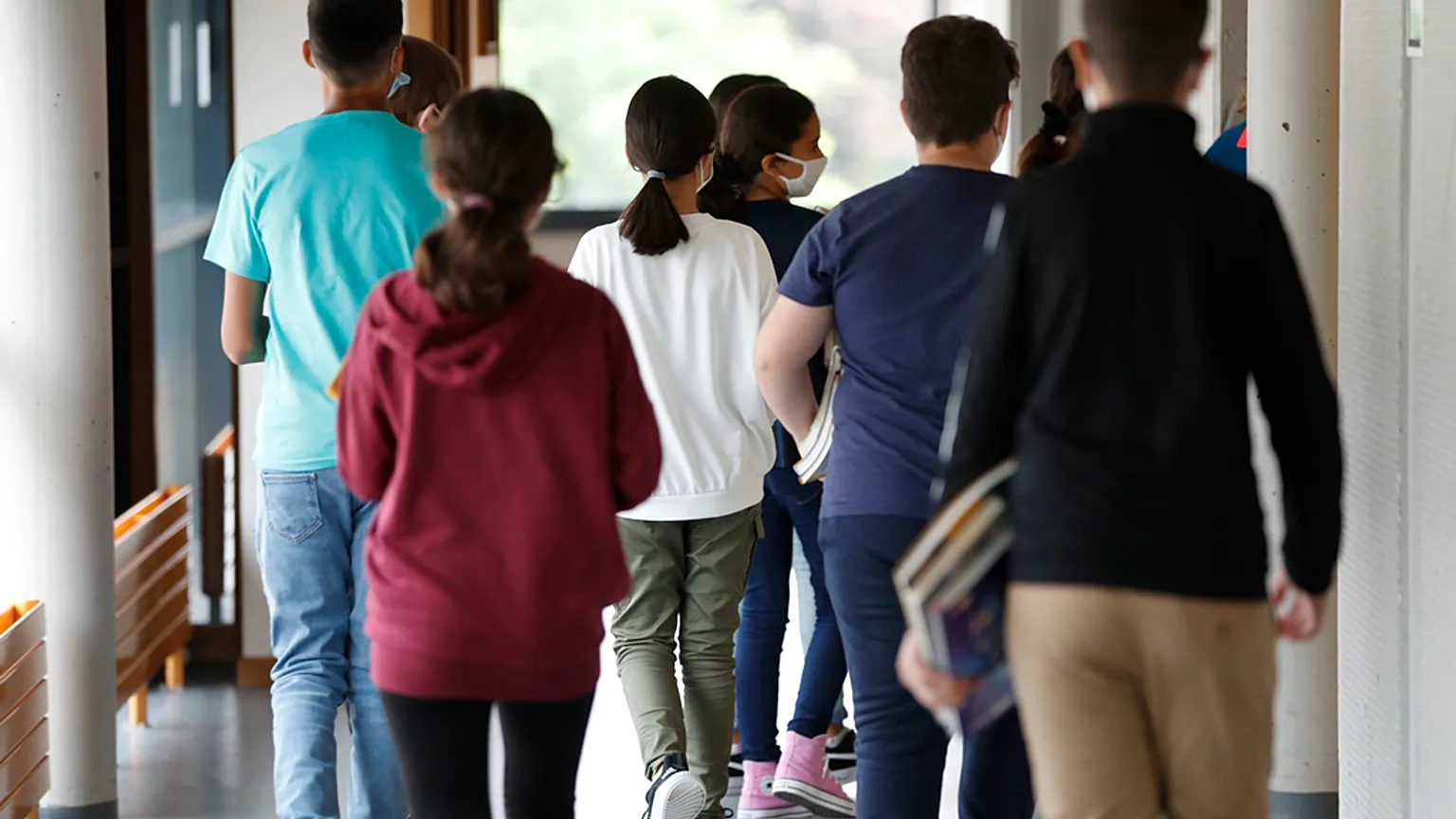
Europe’s long-established reputation for strong public education is facing renewed scrutiny after the latest Programme for International Student Assessment, or Pisa, results showed significant declines across several major education systems. France, Germany, the Netherlands and Finland all recorded weaker performances, while Sweden also experienced substantial falls. The United Kingdom, by contrast, recorded comparatively stronger results in the latest assessment.
The Pisa assessment, conducted by the Organisation for Economic Co-operation and Development, measures how effectively 15-year-old students can apply knowledge and skills in reading, mathematics and science to situations they may encounter outside the classroom. The 2025 results place the latest performance of many European systems in a wider context of declining scores since 2018. The OECD says the average scores across participating OECD countries were 482 points in science, 463 in mathematics and 461 in reading.
The results have attracted particular attention because several countries that have traditionally been associated with high educational standards are now reporting persistent weaknesses in basic skills. In Germany, France, the Netherlands and Finland, the latest figures point to continuing pressure on schools to ensure that students leave compulsory education with sufficient literacy, numeracy and scientific understanding.
Germany’s results have revived memories of the country’s first major Pisa shock at the beginning of the century. The latest assessment placed Germany at 486 points in science, 465 in mathematics and 464 in reading. The country recorded declines compared with the previous assessment in all three core areas.

The figures have intensified discussion about educational inequality in Germany. Academic performance remains strongly associated with students’ socioeconomic circumstances, raising concerns about how effectively the education system is able to compensate for differences in family resources and educational opportunities.
The decline also comes despite earlier reforms introduced after the Pisa results at the start of the 2000s triggered a nationwide debate. Germany subsequently recorded improvements, and by 2012 its performance had moved above the OECD average in several areas. The latest results, however, indicate that some of those gains have been lost.
Reading has become a particular concern. A growing number of young people are struggling with the ability to understand written material and apply information in practical circumstances. At the same time, reading for pleasure appears to have weakened, raising questions about how students engage with longer and more complex texts in an increasingly digital environment.
The Netherlands has experienced an especially notable decline in reading. The country’s overall scores were 485 in science, 441 in mathematics and 483 in reading, according to the OECD’s 2025 results. The OECD cautions that the Netherlands’ results should be interpreted carefully because one or more sampling standards were not met.
The reading result nevertheless represents a major challenge for a country that has historically performed strongly in international education comparisons. Dutch policymakers and education professionals are now confronting questions about basic literacy, classroom conditions and the ability of students to process increasingly complex written information.
Concerns about teacher shortages and workload have also become part of the debate. Education professionals have argued that declining staffing levels, cancelled classes and pressure on teachers can make it difficult for schools to provide consistent instruction. Literacy advocates, meanwhile, have questioned whether traditional approaches to reading instruction are sufficiently effective in developing sustained reading habits.
France has faced a similarly difficult picture. Its 2025 scores stood at 483 in science, 456 in mathematics and 458 in reading, with declines recorded in all three areas compared with the previous assessment.
The French education system has long faced debate over inequality between schools and the influence of socioeconomic background on academic outcomes. Analysts have also pointed to concerns about teacher recruitment, salaries, training and repeated changes in education policy.
The latest figures have therefore added to an existing national debate over how France should respond. Rather than focusing only on the amount of time students spend in classrooms, education specialists have argued for greater attention to teaching methods, teacher preparation and the conditions under which lessons are delivered.
The situation is also significant because France has experienced frequent changes in education policy. Successive governments have introduced reforms affecting curricula, examinations, school organisation and teaching practices. Critics argue that repeated policy changes can make it difficult for teachers and schools to maintain a consistent long-term approach.
Finland’s results are perhaps the most symbolically important. For decades, Finland has been widely associated with high-performing schools and a relatively successful education model. Yet its latest results were also lower than before in mathematics and reading, while science remained comparatively stable. The OECD recorded Finland at 504 points in science, 474 in mathematics and 469 in reading.
The decline has prompted Finnish education researchers to question whether a system designed for earlier social and technological conditions can continue to operate without substantial adaptation. Changes in children’s habits, technology, learning environments and wider society have created new challenges that schools must address.
Finland’s experience also illustrates that the problems facing European education systems cannot simply be explained by one factor. The decline has occurred across countries with very different school structures, curricula and social policies. This has encouraged researchers to examine a combination of factors, including teacher availability, student motivation, digital technology, family circumstances and changing patterns of reading and concentration.
Sweden has also recorded a substantial deterioration in performance. Its 2025 scores were 485 in science, 466 in mathematics and 464 in reading, with declines from the previous assessment in each of the three core areas.
The Swedish debate has become politically prominent, with competing explanations focusing on digital devices, immigration, staffing and classroom conditions. Education authorities have nevertheless stressed that there is no single cause behind the decline and have pointed to measures intended to strengthen students’ knowledge and reinforce teachers’ role in creating stable learning environments.
Against this broader European pattern, the United Kingdom recorded comparatively stronger results. Its 2025 scores were 511 in science, 494 in mathematics and 488 in reading. The OECD figures show an increase in science compared with the previous assessment, while mathematics and reading were broadly stable.
The contrasting results do not mean that the UK is immune from the challenges affecting other European education systems. Schools across the continent continue to deal with questions surrounding teacher recruitment, student motivation, digital technology and educational inequality. Instead, the latest Pisa results demonstrate how differently these pressures can affect individual national systems.
The findings also highlight the continuing importance of basic skills. Pisa is not simply a test of whether students can remember information from a textbook. Its assessments seek to determine whether young people can use what they have learned to interpret information, solve problems and respond to situations that resemble those encountered in everyday life.
That focus has made the latest results particularly significant. A student who struggles to understand a long text, interpret numerical information or apply scientific reasoning may face difficulties not only in further education but also in employment and ordinary adult life.

The challenge for European governments is therefore broader than simply improving international rankings. The latest results raise questions about whether schools are providing young people with the practical intellectual tools required for a rapidly changing society.
The decline also suggests that the disruption caused by the Covid-19 pandemic cannot be treated as the sole explanation. Although school closures and interrupted learning contributed to weaker outcomes in many countries, the continuing deterioration in several European systems points towards longer-term structural pressures.
Teacher shortages, unequal educational opportunities, changing curricula, weaker reading habits and increased dependence on digital technology are among the issues now receiving renewed attention. How governments respond could shape the educational prospects of an entire generation.
For Europe’s traditional education powerhouses, the latest Pisa assessment is therefore more than another international comparison. It is a warning that systems once considered models of educational success must continue adapting to changes in society, technology and the needs of students. The central question now is how those countries can rebuild basic skills while ensuring that educational opportunity is not determined too heavily by a student’s family background.
Related News:
 Cambridge Faces Scrutiny Over Arms Investment Transparency
 Sydney Teacher Arrested in Teenage Grooming Investigation
 Spain Shuts Airspace to US Military Over Iran Conflict
 Italy Faces Third Successive World Cup Absence After Loss
 Spain Faces Backlash Over Xenophobic Chants in Egypt Draw
 Ukraine strikes Tuapse as oil disaster worsens
 Global order shifts amid Trump-era turmoil
 Putin Declares Russia Victory at Scaled Victory Day Parade
 Greece Probes Mystery Explosive Drone in Ionian Waters
 Romania’s Judicial Crisis: A System Under Siege
 Chaos at Valdebebas: Florentino Pérez Calls for Elections
 Zelenskyy warns over Oreshnik threat as Kyiv hit
 Cannes filmmakers split over AI’s role in cinema
 Former ICC prosecutor condemns US sanctions
 Russia Hits Kyiv With Hypersonic Ballistic Missile
 EU Debate Looms Over Restricting New Member Veto Rights
 EU Leadership Gathers in Tivat to Renew Balkan Ties
 Monaco Bombing: Oligarch Attack Rocks Safe Principality
 Airlines Demand Freeze on EU Border System as Chaos Peak Looms
 A New Era Begins: Spain and Gibraltar Border Fence Falls
 Russian Missiles Intensify Pressure on Kyiv
 Phillipson Accused of Appeasing Unions by Diluting EBacc
 Mandelson apologises over Epstein ties after public scrutiny
 Friedman Uninvited From 2024 Adelaide Writers’ Week
 Starmer Challenges US Over Controversial Greenland Deal
 Spoof “Make America Go Away” Caps Rally Denmark Over Greenland
 City & Guilds pay surge sparks backlash amid £22m cuts
 EU launches Grok AI probe into X over explicit images
 Send spending gap leaves deprived areas behind
 Concerns rise for Canberra boy amid Iran detention fears
 New Era for UK Special Needs Support
 Adelaide University Faces Backlash Over Event Cancellation
 New Zealand Covid Response Praised Despite Lingering Scars
 Diplomacy on the Brink: Pakistan’s Risky Peace Mission
 Teenage Titan: Sooryavanshi Smashes IPL Records
 Big Tech Faces Investigation Over Australia’s Social Media Ban
 Sam Konstas Dropped as Australia Unveils New Contract List
 Canadian Mother and Daughter Released From ICE Detention
 Reform UK Pledges To Halt Visas Over Reparations Demands
 US and Iran Agree to Two-Week Provisional Ceasefire
 Israel Defies Ceasefire as Lebanon Operations Persist
 Pakistan Brokers Historic Peace Deal Amid Rising Tensions
 Islamabad Hosts Historic Peace Talks Between Iran and USA
 Trump Signals Hope for New Iran Talks as Ceasefire Fades
 Security Alert Near Israeli Embassy as Police Investigate
 Machado Rallies in Madrid as Venezuela Stays Frozen Out
 US-Iran Standoff: Will Trump Deploy Ground Troops?
 Schools Struggling to Support SEN Pupils Amid Crisis
 Investigation Into Anti-Trump Motives After Gala Shooting
 Oil Prices Surge Above $120 Amid Iran Blockade Fears
 Trump orders US troop pullout from Germany
 Japan Protests Erupt Over Plans to Revise Constitution
 Arteta urges Arsenal to step up in Atlético semi-final
 High Stakes in Beijing as Trump and Xi Meet Amid Global Turmoil
 Fear and Betrayal: The Chilling Case of Kouri Richins
 Australia Joins UK-Led Mission to Reopen Vital Strait
 Trump and Xi Convene in Beijing for Historic High-Stakes Summit
 Aussie Race Row: Coalition Accused of Scapegoating
 Trump Pledges 5,000 Troops for Poland in U-Turn
 Washington Brokerage Sparking Hope Amid Regional Firestorms
 US Condemns ‘Two-Tier’ UK Policing After Student Murder
 Trump Appeals for Middle East Calm but Conflict Escalates
 Millions in British Charity Funds Linked to Illegal Settlements
 US Trafficking Arrest Exposes Shocking Exploitation
 Trump Signs Landmark Iran Accord in Versailles
 Gas Prices Fall Below $4 Following US-Iran Peace Deal
 Grief and Devotion Amidst the Rubble of Nabatieh
 Canada Secure Historic Last 16 Spot with Late Goal
 Keiko Fujimori Claims Dramatic Victory in Peru Runoff
 EU Slashes Steel Quotas But Grants UK Favourable Rates
 Spyware Targets MEP Investigating Pegasus Abuses
 British Teens in EU Face Soaring UK University Fees
 Southern Europe Reels as Wildfires Force Mass Evacuations
 Gaza Doctor Unrecognisable After Brutal Israeli Detention
 Telstra Software Fault Triggers Massive Nationwide Outage
 Colombia’s Fight Over Fossil Fuels
 Meta Under Fire: The Battle Over Addictive Social Media Design
 England and Norway Fans Turn Miami Into World Cup Carnival
 Rubio Pushes to Dismantle Global Justice Court
 Bayeux Tapestry Revives Franco-British Ties