Published: 29 September 2026. The English Chronicle Desk. The English Chronicle Online
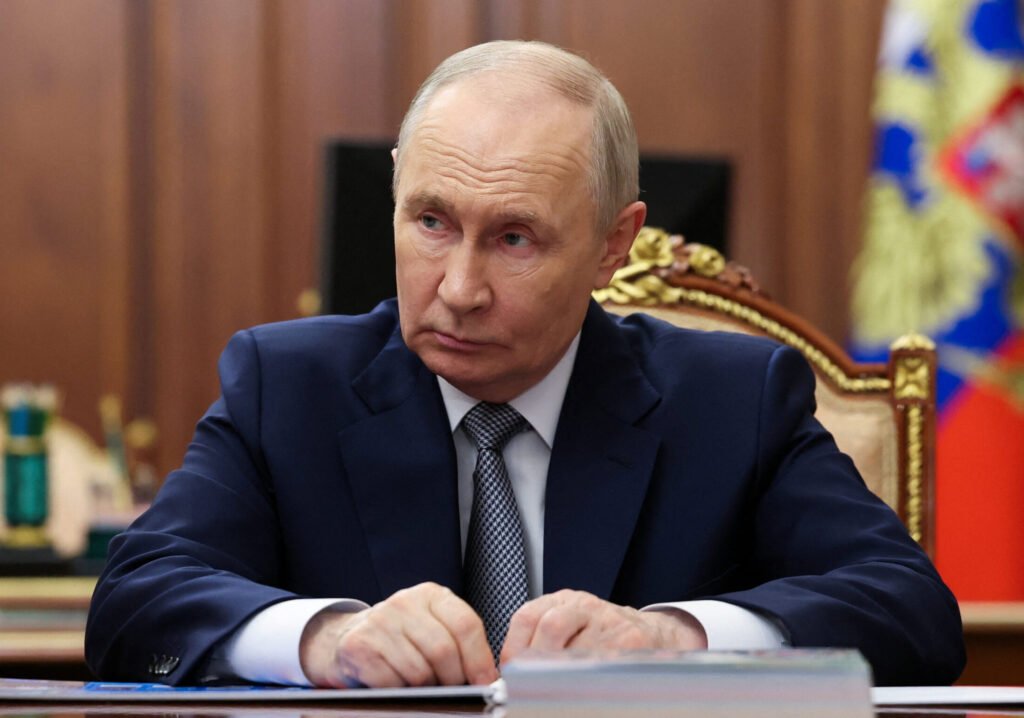
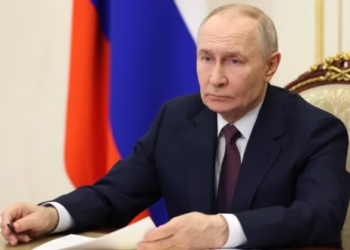
Russian President Vladimir Putin has ordered another expansion of the country’s armed forces as the war in Ukraine enters its 1,679th day, while Ukrainian President Volodymyr Zelenskyy has warned that North Korea is preparing to send thousands more troops to Russia. The developments come amid continued battlefield casualties, repeated Russian attacks on Ukrainian cities and growing pressure on Ukraine’s finances.
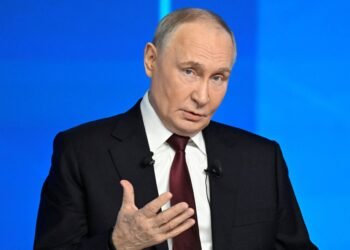
Under a presidential decree issued on Monday, Putin ordered the number of active servicemen in Russia’s armed forces to rise to 1.55 million. The overall strength of the Russian armed forces will reach 2,441,630 personnel under the order, including military and other personnel. The number of active servicemen will increase by 15,500.
The latest decision follows another increase ordered in August, underscoring Moscow’s continuing effort to expand the size of its military as the conflict with Ukraine continues. The Kremlin has not indicated that the latest expansion represents a change in its broader military objectives, but the increase comes against the backdrop of sustained fighting and heavy losses reported by both sides.
Russia and Ukraine have both experienced mounting military casualties during the prolonged conflict. The war, which began with Russia’s full-scale invasion of Ukraine in February 2022, has developed into a long-running confrontation involving extensive use of drones, missiles, artillery and ground forces.

Zelenskyy meanwhile said on Monday that more than 8,000 North Korean troops were currently on Russian territory and that preparations were under way to deploy another 10,000. His comments point to the continuing military relationship between Moscow and Pyongyang, which has become increasingly visible during the war.
According to Zelenskyy, new information indicated that additional North Korean personnel were being selected for training before being sent to Russia. Ukrainian and South Korean assessments have previously estimated that North Korea sent between 14,000 and 15,000 troops to support Russia’s war effort from 2024 onwards.
Many of those North Korean troops were deployed in Russia’s Kursk region, where they were involved in efforts to help Russian forces push back a Ukrainian incursion. The involvement of North Korean personnel has added another international dimension to a conflict already involving extensive military, financial and political support from countries outside Ukraine and Russia.
Russia and North Korea confirmed in 2025 that Pyongyang had sent troops to fight alongside Russian forces. Both Putin and North Korean leader Kim Jong-un publicly described the soldiers as heroes. Their cooperation has since remained an important feature of the wider relationship between the two governments.
While Moscow has continued strengthening its military position, Ukrainian cities have remained under regular attack. Explosions were heard in Kyiv early Tuesday as Russian attacks continued, according to reports from the Ukrainian capital.
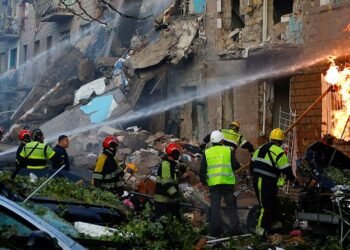
Kyiv Mayor Vitali Klitschko said missile debris fell into the courtyard of a residential building and that another non-residential building caught fire in a different part of the city. The incidents added to the continuing sense of insecurity among civilians in the capital, where residents have repeatedly faced overnight and early-morning air attacks.
Zelenskyy said on Monday that Russian drone strikes across Ukraine had killed nine people and injured more than 80. The attacks affected several areas, including Kyiv, according to Ukrainian authorities. The repeated use of drones has become a major feature of the war, with both sides increasingly relying on unmanned systems to strike military and infrastructure targets.
The continuing attacks are also placing additional pressure on Ukraine’s economy and public finances. Ukraine’s prime minister said the government would postpone some spending commitments because of delays in receiving financial assistance from foreign partners.
Among the projects affected are reconstruction programmes that had been planned as part of efforts to repair damage caused by the war. The government has indicated that the projects have not been abandoned permanently, but that resources must currently be concentrated on critical needs.
Russia’s military campaign has caused extensive destruction across Ukraine, while the cost of maintaining the country’s defence effort has placed enormous demands on its public finances. International assistance has therefore remained central to Ukraine’s ability to sustain government services, defence spending and reconstruction.
The financial pressures are unfolding alongside continuing efforts by European governments and their allies to maintain support for Ukraine. NATO’s senior military commander in Europe said on Monday that Russian attempts to undermine European backing for Ukraine were not succeeding.
US General Alexus Grynkewich, NATO’s Supreme Allied Commander Europe, told European lawmakers that Russian state-directed sabotage was becoming increasingly bold. He referred to incidents including the discovery of an explosive-laden drone at a German airport and an incident involving a Russian naval vessel and a Danish helicopter.
Grynkewich said such actions were intended to create fear and weaken European unity over support for Ukraine. He argued that the strategy was not achieving its intended effect.
The comments highlight concerns among European governments about activity beyond the traditional battlefield. Since the beginning of the full-scale war, European countries have reported a range of incidents involving suspected sabotage, cyber operations and other forms of pressure. Governments across the continent have increasingly focused on protecting critical infrastructure and maintaining public support for assistance to Ukraine.
At the same time, diplomatic calls for an end to the war continue. Pope Leo urged Russia and Ukraine to return to dialogue and discuss how the conflict could be brought to an end.
Speaking to journalists aboard his flight to Rome following a four-day visit to France, the pope said the Catholic Church had a responsibility to promote peace and respect for human life. He called on leaders in Russia, Ukraine and other countries to meet, engage in dialogue and work towards ending the conflict.
His comments came after he had urged European leaders involved in efforts to resolve conflicts to consider concessions as part of the search for peace. The appeal reflects the continuing international concern over the human cost of a war that has now lasted more than four and a half years.
The conflict has also continued to affect the business environment in Russia. Putin has ordered the Russian assets of German retailer Metro AG to be placed under temporary administration, according to an order published by the Russian government.
The order did not provide a specific reason for the move. It comes amid continuing deterioration in relations between Russia and Germany following the invasion of Ukraine.
Similar measures have previously been used against businesses from countries Moscow considers unfriendly. Temporary administration has resulted in Russian interests taking control of operations belonging to several major international companies, sometimes under circumstances that have generated significant concern among foreign investors.
Meanwhile, the geographical reach of the fighting remains a concern for neighbouring countries. A Russian jet-powered drone struck a Ukrainian village near the Polish border on Monday, damaging a border checkpoint, according to a Ukrainian regional official.
The official did not immediately provide detailed information about the checkpoint or the extent of the damage. However, attacks in areas close to Poland have drawn particular attention because of Ukraine’s proximity to NATO territory.
Russia has carried out multiple attacks near Ukraine’s western border in recent weeks, prompting criticism from Warsaw and other European governments. Poland has repeatedly monitored developments along its border and airspace as the war has moved into its fourth year.

The latest developments demonstrate the continuing complexity of the conflict. Russia is expanding its military establishment while deepening cooperation with North Korea, Ukraine is dealing with continued attacks and financial pressure, and European countries remain concerned about security threats extending beyond Ukraine’s battlefield.
For civilians on the ground, however, the war remains defined by more immediate realities: air-raid alerts, damaged homes and infrastructure, casualties and uncertainty about what the next day may bring. With no comprehensive peace agreement in sight, military preparations, international diplomacy and economic pressures continue to shape the course of the conflict.
The latest developments also suggest that the war’s consequences extend well beyond the front lines. Decisions about military manpower in Moscow, troop deployments involving North Korea, reconstruction funding in Kyiv and security concerns across Europe are increasingly interconnected. As both sides continue to face pressure, the search for a sustainable diplomatic path remains one of the most difficult challenges surrounding the conflict.
Related News:
 Putin Declares Russia Victory at Scaled Victory Day Parade
 Russian Missiles Intensify Pressure on Kyiv
 UK Prepares Aircraft Carrier for Middle East Crisis
 ‘The frontline is like Terminator’: Ukraine’s fighting robots
 Ukraine strikes Tuapse as oil disaster worsens
 Ceasefire Standoff Deepens in Ukraine War
 Zelenskyy warns over Oreshnik threat as Kyiv hit
 Trump dismisses concerns over 250-day carrier deployment
 Russia Targets Ukraine’s Digital Economy With Strikes
 Trump Asked Xi About Buying US Weapons
 High-speed Spain train crash leaves nation in mourning
 EU weighs response amid Greenland tariff crisis with Trump
 EU Says US Ties Have Suffered ‘Big Blow’ After Greenland Crisis
 Thousands Left Without Heating in Ukraine Amid Russia Strikes
 Russia sanctions hit economy hard, says EU envoy
 Portugal Election Delivers Socialist Win as Far Right Surges
 Hungary Faces Political Tension Over the Ukraine Crisis
 Cyprus Drone Strike Sparks Europe’s Strong Response
 North Korea Fires Missiles Amid US-South Korea Drills
 Russia Drone Attack Intensifies Ukraine War Pressure
 China’s Secret Mountain Ruins Rise Again in New Cold War
 Death, displacement and military duties: children plunged into crisis
 Italian Town Buys Mussolini Villa to Keep Away Fascist Fans
 Hungary election: Orbán faces biggest test amid scandal
 RAF Typhoons scrambled amid Russian drone threat near Nato
 Ukraine Urges UK to Seize Russian Oil Tankers
 Aid Crisis Grows as Hormuz War Disrupts Supply
 Trump orders US troop pullout from Germany
 Activists allege abuse after Gaza flotilla seizure
 Trump likens US Navy actions to ‘pirates’
 Global order shifts amid Trump-era turmoil
 Middle East Crisis Escalates as Oil Routes Shake Markets
 Trump Announces 3-Day Russia–Ukraine Ceasefire Deal
 France Faces Record Presidential Crowded Race Amid Far-Right Surge
 Norway Doubles Down on Oil and Gas for Europe Energy Security
 Bad Weather Threatens Hantavirus Cruise Ship Evacuation
 Ex-Chief of Staff Named in Major Ukraine Corruption Probe
 Pope Meets Families in Italy Toxic Waste Zone
 Hunger increasingly weaponised in global conflicts
 Discontent grows around Putin amid war strain
 Former ICC prosecutor condemns US sanctions
 Irish Gangland Figure Fails in Dublin Election Bid
 Europe Swept by Historic May Heatwave
 Deadly Russian Air Raids Strike Across Ukraine
 Papal Visit Offers Political Lifeline to Spanish Premier
 Russian Frigate Fires Warning Shots Near British Yacht
 Millions Gather for Khamenei’s Six-Day State Funeral
 Le Pen to Run for President Despite Embezzlement Conviction
 England and Norway Fans Turn Miami Into World Cup Carnival
 Houthis Strike Saudi Arabia as Middle East Tensions Rise
 Wildfires Force Mass Evacuations in France And Spain
 Taliban global ties grow as rights fears mount
 Israeli Strike in Southern Lebanon Kills Seven
 Wildfires rage across Europe as hundreds arrested in France
 Trump Calls Strait of Hormuz ‘American Territory’
 Deadly TikTok Driving Trend Alarms Ireland
 Trump Faces Iran War Crisis Before Midterm Vote
 Ukraine Villagers Demand Answers After Deadly Arms Depot Strike
 British Man Faces Deportation Threat in Sweden
 Bayeux Tapestry Revives Franco-British Ties
 UN expert urges UK to rethink Israel policy
 AfD election surge leaves Magdeburg residents deeply uneasy
 Renoir Museum hit by €9m art theft on French Riviera
 British widow says deportation from Sweden feels like a death sentence
 Europe’s democracies face a growing far-right threat
 North Korea Expands Uranium Facility at Yongbyon
 Sweden Election Hangs on Far-Right Breakthrough
 Germany’s Far Right Surge Puts Merz Under Pressure
 Saudi Pact Raises Risk of Pakistan Entering War
 Europe Faces Climate Reckoning After Extreme Summer
 US Greenland Security Deal Reshapes Arctic Ties
 Macron and Carney deepen France-Canada ties
 Netanyahu faces protests and pressure at UN
 Greece Pushes for Parthenon Marbles Reunification
 Elif Eralp Emerges as Berlin’s Next Political Force
 Spain Arrive at Wembley Hungry for More Glory
 Iran Awaits Trump Response on Seven-Day Hormuz Plan
 National Rally makes historic gains in French Senate
 Madrid Tent Camp Grows as Spain Housing Crisis Deepens
 Zelenskyy Signs Fighter Jet Deal Amid Russian Drone Attacks