Published: 24 May 2026. The English Chronicle Desk. The English Chronicle Online.
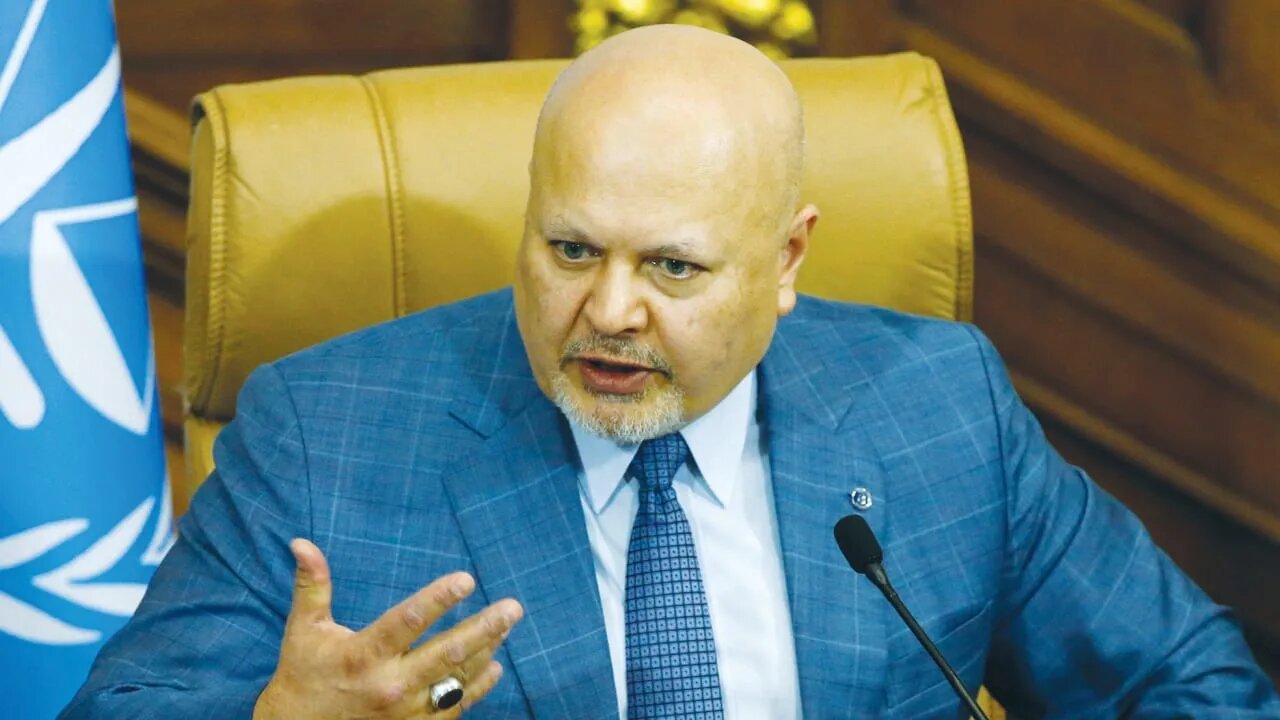
A former chief prosecutor of the International Criminal Court has sharply criticised United States sanctions imposed on members of the court, warning that political pressure against international judges threatens the future of global justice institutions and undermines international law.
Fatou Bensouda, who served as the ICC’s chief prosecutor from 2012 to 2021, called for the European Union to introduce stronger legal protections for court officials targeted by American sanctions. Speaking during a gathering hosted in The Hague, Bensouda described the measures as “bullying” and “coercive”, arguing they were designed to intimidate judicial officials and weaken the court’s authority.
The dispute stems from decisions made by the ICC in 2024 to issue arrest warrants connected to the war in Gaza involving members of the Israeli leadership, including Israeli prime minister Benjamin Netanyahu. In response, the United States imposed sanctions in February 2025 on multiple ICC figures, including judges and prosecutors associated with the investigations.

The sanctions reportedly include travel restrictions, asset freezes and financial limitations that have severely disrupted the professional and personal lives of affected officials. According to Bensouda, some judges have effectively been cut off from parts of the European financial system, making ordinary banking and travel arrangements increasingly difficult.
The former prosecutor warned that the consequences extend far beyond individual officials and could have long-term implications for the independence of international courts. She argued that if governments are allowed to impose punitive measures on judges and prosecutors simply for carrying out legal mandates, confidence in international justice systems could erode rapidly.
Bensouda accused governments supportive of the ICC of responding too cautiously to the situation. She said expressions of solidarity were no longer sufficient and urged member states to adopt concrete legal and financial mechanisms to shield ICC staff from political retaliation.
One of her main proposals involved activating the European Union’s “blocking statute”, a legal framework designed to protect European individuals and organisations from the impact of foreign sanctions considered unlawful by the EU. Such measures could potentially prevent European financial institutions and businesses from complying with US sanctions targeting ICC officials.
The former prosecutor also called for protected banking systems and indemnity arrangements to ensure judges, prosecutors and investigators are not financially isolated because of politically motivated actions taken against them. She warned that failing to protect ICC personnel could discourage highly qualified legal professionals from working with the court in future.
According to Bensouda, the danger is not merely symbolic. She said sanctions are intended to create fear, isolate individuals and deter legal accountability efforts. She also claimed that international judicial institutions could struggle operationally if banks, insurers, technology providers and external experts begin avoiding associations with the court due to political pressure.
The sanctions issue has become particularly sensitive in the Netherlands, where the ICC is headquartered. Critics within Dutch political circles have argued that the Dutch government has not done enough to protect court officials based in The Hague despite agreements guaranteeing the safety and functioning of the institution.
Progressive politicians and human rights groups in Europe have increasingly voiced concern that allowing foreign sanctions against international judges sets a dangerous precedent for the future of multilateral justice systems.
The United States has defended its actions by arguing that the ICC lacks jurisdiction over Israeli nationals without Israel’s consent. Washington maintains that sanctions were imposed because court officials were involved in investigations and legal actions targeting Israeli leaders.
Supporters of the ICC, however, argue that the court was established specifically to investigate serious international crimes when national legal systems are unable or unwilling to act. They say political interference risks undermining decades of work aimed at strengthening global accountability for war crimes, crimes against humanity and genocide.
Bensouda also reflected on her own experiences while serving at the ICC, revealing that she had faced intimidation campaigns and believed her career opportunities were affected by political hostility linked to the court’s investigations.

The debate surrounding the ICC has intensified amid wider geopolitical tensions over conflicts in Gaza, Ukraine and other regions where international accountability mechanisms are under increasing pressure. Human rights organisations continue to warn that attacks on judicial independence could weaken confidence in international institutions at a time when global cooperation on war crimes investigations is already fragile.
Observers say the dispute also reflects a broader struggle between national political interests and international legal systems. While major powers often support international justice in principle, they frequently resist investigations that affect their own allies or strategic interests.
Despite mounting political tensions, Bensouda insisted that international courts remain essential to protecting victims of mass atrocities and maintaining global legal standards. She warned that allowing sanctions and intimidation to become normalised could gradually push institutions such as the ICC into irrelevance.
For supporters of the court, the growing confrontation represents more than a legal disagreement. It has become a test of whether international justice systems can operate independently in an increasingly polarised world shaped by geopolitical power struggles and competing interpretations of international law.
Related News:
 Thousands Protest ICE Operations in Nationwide US Day of Action
 Thousands Protest ICE in New York Against Trump Deportation Campaign
 Judge halts deportation of Yemeni refugees in US
 Global order shifts amid Trump-era turmoil
 Tensions Emerge in Netanyahu-Trump Alliance
 Israeli Strikes in Lebanon Kill 10 Amid Ceasefire Strain
 US judge dismisses Kilmar Abrego Garcia indictment
 Houthis Strike Saudi Arabia as Middle East Tensions Rise
 Trump Receives Machado’s Nobel Medal in White House Meeting
 EU Says US Ties Have Suffered ‘Big Blow’ After Greenland Crisis
 Files Link Andrew to Epstein Dinner After Prison Release
 Emails Show Epstein Funded Mandelson’s Husband After Jail
 Epstein Files Reveal Trump Officials’ Emails with Financier
 UK Prepares Aircraft Carrier for Middle East Crisis
 Hungary election: Orbán faces biggest test amid scandal
 US Court Ruling Reshapes Voting Rights Landscape
 US states redraw maps after voting rights ruling
 Trump orders US troop pullout from Germany
 Activists allege abuse after Gaza flotilla seizure
 Asylum deal sparks fears over Syria deportations
 Trump likens US Navy actions to ‘pirates’
 Trump warns Iran as Middle East tensions surge again
 Indiana Republicans Defy Trump in Key Vote Test
 US Court Restores Abortion Pill Access Temporarily
 Afghan Families Left in Limbo Face Risk of Deportation
 Middle East Crisis Escalates as Oil Routes Shake Markets
 Immigration Judges Fear Pressure in Trump Era
 Putin Declares Russia Victory at Scaled Victory Day Parade
 US green card applicants must apply from abroad, DHS says
 Tulsi Gabbard exits after turbulent intelligence tenure
 Trump’s Revenge Drive Deepens GOP Divide
 Zelenskyy warns over Oreshnik threat as Kyiv hit
 Hunger increasingly weaponised in global conflicts
 Gunman Killed After White House Security Shootout
 Trump Claims Iran Peace Deal Near Completion
 Irish Gangland Figure Fails in Dublin Election Bid
 Trump Weighs Retreat from Controversial $1.8bn Slush Fund
 Mystery Grows Over Mitch McConnell’s Health
 Taliban global ties grow as rights fears mount
 US Justice Department Files Lawsuit Against California Over Partisan Voting Maps
 Trump Deploys DHS to Charlotte in Major Arrest Operation
 US National Guard Member Killed in DC Shooting
 Iran Leader Blames Protesters, Says They Serve Trump
 Iran unrest slows under brutal crackdown and global tensions
 Trump officials continue false claims after Alex Pretti shooting
 Partial US Government Shutdown Hits Homeland Security Funding
 Ukraine war briefing: Zelenskyy offers help to Saudi Crown prince on combatting Iranian drones
 Mojtaba Khamenei Chosen as Iran’s New Supreme Leader
 Iran Defiance Grows Amid US-Israel War Pressure
 Injured Mojtaba Khamenei Elevated as Iran Leader
 Spain Faces Backlash Over Xenophobic Chants in Egypt Draw
 A Global Voice For Justice: Stephen Lewis Dies At Age 88
 Italian Town Buys Mussolini Villa to Keep Away Fascist Fans
 Report Says Pezzullo Acted ‘Recklessly’ in Dealings
 Suspected Plot Targets Pipeline Before Hungary Vote
 Trump Signals Hope for New Iran Talks as Ceasefire Fades
 GOP Senator Criticizes Trump’s Feud With Pope Leo XIV
 UK Stands Firm on Falklands Amid US Rift
 Trump at Press Dinner Sparks Tension
 Investigation Into Anti-Trump Motives After Gala Shooting
 Ukraine Urges UK to Seize Russian Oil Tankers
 Oil Prices Surge Above $120 Amid Iran Blockade Fears
 White House Security Case Sparks Political Firestorm
 Trump approval plunges amid Iran war fears
 Ohio’s Battle for Trust: Democrats Vying to Flip the Buckeye State
 US ‘Narco Boat’ Strikes Draw Global Outcry
 Trump Announces 3-Day Russia–Ukraine Ceasefire Deal
 US Awaits Iran Reply on New Ceasefire Proposal
 Fear and Betrayal: The Chilling Case of Kouri Richins
 Discontent grows around Putin amid war strain
 Prosecutor Proposes Law to Combat Election Deceit
 House Curbs Trump’s War Powers in Rare Rebellion
 Iran Prepares for Massive Six-Day Funeral for Khamenei
 Trump’s Mount Rushmore Speech: A Divisive Anniversary
 Iran Mourns: Millions at Khamenei’s Final Procession
 Le Pen to Run for President Despite Embezzlement Conviction
 Ukraine Creates Long-Range Strike Command
 Le Pen’s Popularity Holds Despite Conviction
 Trump Refuses to Sign Housing Bill, But Law Takes Effect
 Israeli Strike in Southern Lebanon Kills Seven