Published: 17 June 2026. The English Chronicle Desk. The English Chronicle Online.
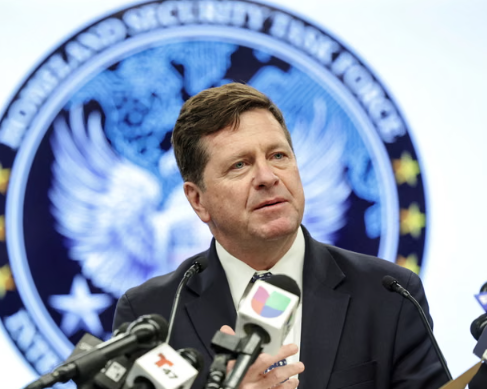
Donald Trump abruptly halted the confirmation process for Jay Clayton as the top intelligence chief early Wednesday. This strategic move allows Trump’s highly controversial choice for acting director of national security to remain. Bill Pulte will now assume the critical leadership role for at least several weeks. The unexpected freeze ensures that Pulte stays in place until Clayton receives formal Senate approval.
Previously, Trump pushed the Senate to confirm Clayton at a much faster pace than normal. That push followed intense bipartisan pushback against the temporary appointment of the federal housing regulator. The escalating political standoff over Pulte has effectively stalled the administration’s urgent legislative priorities. Most notably, it halted the renewal of the controversial Foreign Intelligence Surveillance Act, known as Fisa.
Opposition lawmakers from the Democratic party have vehemently decried the choice of Pulte for the role. Several key Republicans have joined them in expressing serious doubts about his thin national security credentials. Critics argue that his background heading a federal mortgage regulation agency is entirely insufficient for this post. They believe he lacks the extensive intelligence experience required to lead America’s vast spy community.
Trump announced his sudden decision in an unexpected social media post early on Wednesday morning. Writing on Truth Social, the president declared that the scheduled Senate hearing was officially cancelled. Technically, an American president does not possess the constitutional power to cancel a Senate hearing. However, it remains entirely clear that Clayton will not appear before lawmakers as originally planned.
The president defended his decision by pointing out scheduling conflicts involving the crucial intelligence legislation. Trump stated that congressional Republicans had rushed the Clayton nomination process far too quickly for comfort. He argued that Pulte would be removed from office before his political opponents voted on Fisa. The president used his common derogatory term, calling the opposition lawmakers “Dumocrats” in his post.
Furthermore, Trump outlined additional political conditions that must be met before moving the nomination forward. He stated he wanted Clayton’s current replacement as a federal US attorney fully confirmed first. The president insisted that this judicial transition must be completed before Clayton takes the intelligence job. This requirement adds another layer of administrative complexity to an already tense confirmation process.
The ongoing battle over intelligence leadership further complicates the passage of vital American security legislation. Trump explicitly asserted that he would not approve the surveillance act without major legislative changes. He demands the inclusion of the Save America Act, a highly restrictive voting rights bill. This controversial piece of legislation faces steep opposition from civil rights advocates across the nation.
The leadership crisis began after Tulsi Gabbard resigned late last month from the powerful director post. The position is immensely vital because it oversees eighteen separate American spy and reconnaissance agencies. Following her departure, Pulte could officially become the acting director of national intelligence this week. This transition comes at a time of heightened global security concerns for Western allies.
Like Pulte and Gabbard, Clayton possesses relatively thin credentials for America’s top intelligence job. He previously served as the chairman of the Securities and Exchange Commission during Trump’s first administration. Before his 2017 regulatory appointment, Clayton made millions working as a high-powered Wall Street attorney. His professional background focuses almost entirely on financial markets rather than global espionage or counterterrorism.
However, Clayton matches other recent administration appointees by demonstrating unwavering support for the president’s agenda. This loyalty extends to embracing highly controversial and unproven conspiracies regarding widespread American election fraud. Clayton has consistently aligned his public statements with the political rhetoric coming directly from the White House. This ideological alignment has deeply worried independent analysts and former intelligence officials.
During a recent media appearance, Clayton spoke openly about his deep concerns regarding American voting integrity. Speaking on CNBC on the eighth of June, he addressed alleged fraud in California. Clayton remarked that the country is doing an absolutely terrible job managing its electoral systems. He added that the American people are entirely right to question the validity of votes.
Trump has frequently called the recent American elections rigged while presenting no credible evidence of fraud. Clayton echoed these sentiments by criticizing specific mail-voting laws implemented by the state of California. He claimed that sending mail ballots to all registered voters created an immense opportunity for fraud. He also took issue with the standard grace period allowed for ballots arriving late.
If eventually confirmed by the Senate, Clayton could continue the unprecedented political efforts started by Gabbard. The former director utilized her tenure to investigate cases of alleged foreign interference in domestic elections. These investigations focused primarily on unproven theories that could account for Trump’s election loss in 2020. This unique focus shifted resources away from traditional foreign intelligence targets like Russia and China.
During her controversial tenure, Gabbard raised eyebrows by appearing at an active law enforcement operation. She inexplicably showed up at a federal bureau of investigation raid on a Georgia facility. That specific operation took place at a local election facility located within Fulton county. Her presence at the active crime scene drew sharp criticism from seasoned legal experts.
Additionally, Gabbard authorized the physical seizure of several voting machines located in Puerto Rico. Conspiracists have repeatedly alleged that these machines were rigged by foreign actors from South America. They claimed the technology was manipulated by Venezuela’s previous president, Nicolás Maduro, and Hugo Chávez. Interestingly, Clayton previously signed off on the formal federal indictment against the Venezuelan leader.
Despite his controversial statements on election fraud, Clayton has received praise from some prominent lawmakers. Jim Himes, the leading Democrat on the House intelligence committee, offered a surprisingly positive assessment. Himes stated that Clayton’s temperament and deep commitment to public service make him a terrific choice. Republican Senator Thom Tillis similarly praised the nominee, calling him an outstanding choice for the role.
Conversely, other senior lawmakers believe the current leadership strategy threatens the stability of American intelligence. Mark Warner, the top Democrat on the Senate intelligence committee, expressed deep concern over the impasse. He argued that the only viable path forward for extending the Fisa surveillance act is clear. Warner believes a career professional must guide the agency until a permanent chief is confirmed.
The senator suggested that Gabbard’s deputy, Aaron Lukas, should step into the temporary leadership role immediately. This move would effectively bypass Pulte and restore stability to the fractured national security apparatus. Lawmakers in Washington remain deeply divided over how to resolve this high-stakes political standoff. The outcome will ultimately shape the future of Western intelligence sharing and global security partnerships.
Related News:
 Capitol Attack Anniversary Sparks Deep Political Divide
 Trump Labels Renee Good a ‘Paid Agitator’ After Minneapolis ICE Killing
 Trump targets Iran trade with 25% tariff warning
 Trump Receives Machado’s Nobel Medal in White House Meeting
 Thousands Protest ICE Operations in Nationwide US Day of Action
 Epstein Files Reveal Trump Officials’ Emails with Financier
 Thousands Protest ICE in New York Against Trump Deportation Campaign
 US-Cuba Negotiations Shift as Oil Blockade Looms
 Ukraine war briefing: Zelenskyy offers help to Saudi Crown prince on combatting Iranian drones
 New Policy Allows US Troops to Carry Personal Firearms
 Michigan Battleground: Middle East Crisis Stirs US Senate Race
 Congresswoman Condemns Trump Over Iran Conflict
 Trump Signals Hope for New Iran Talks as Ceasefire Fades
 Trump’s Presidency: A House of Cards Collapsing?
 GOP Senator Criticizes Trump’s Feud With Pope Leo XIV
 Trump Starts $166bn Tariff Refund Process
 Investigation Into Anti-Trump Motives After Gala Shooting
 UK Urged to Adopt ‘Trade Bazooka’ Against Tariff Threats
 USS Gerald R Ford Ends Record Naval Deployment
 Trump orders US troop pullout from Germany
 Indiana Republicans Defy Trump in Key Vote Test
 Tensions Emerge in Netanyahu-Trump Alliance
 Fear and Betrayal: The Chilling Case of Kouri Richins
 Trump in Beijing: The Strongman Fantasy Made Flesh
 Trump Tightens Grip on GOP with Primary Victory
 Democrats release 2024 election report amid fierce backlash
 US judge dismisses Kilmar Abrego Garcia indictment
 Tulsi Gabbard exits after turbulent intelligence tenure
 Former ICC prosecutor condemns US sanctions
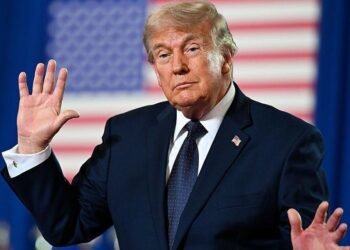 Trump Weighs Retreat from Controversial $1.8bn Slush Fund
 Trump Allies Funded Hidden Network to Discredit US Vote
 UFC at the White House: Glory Marred by Bitter Smears
 The Dreamers Losing Jobs Under Trump’s Red Tape
 Battle for Washington: Mayoral Race Braces for Trump
 Trump Urged to Condemn UFC Fighter Over Obama Slurs
 The Obama Center: Hope and Anxiety on Chicago’s South Side
 US Military Pacific Boat Strike Kills Three People
 FBI Chief Faces Backlash Over Premature Social Media Posts
 Trump’s Mount Rushmore Speech: A Divisive Anniversary
 House Democrats Divided Over Israel Military Funding Bid
 Houthis Strike Saudi Arabia as Middle East Tensions Rise
 Federal Immigration Shift: Officers Leave Louisiana for Minneapolis
 Friedman Uninvited From 2024 Adelaide Writers’ Week
 Trump press secretary attacks reporter over ICE question
 Spoof “Make America Go Away” Caps Rally Denmark Over Greenland
 Trump Fed bid heads to Supreme Court
 Partial US Government Shutdown Hits Homeland Security Funding
 New Poll Reveals Reform UK Stance on British Citizenship
 New Zealand Covid Response Praised Despite Lingering Scars
 Diplomacy on the Brink: Pakistan’s Risky Peace Mission
 Teenage Titan: Sooryavanshi Smashes IPL Records
 Canadian Mother and Daughter Released From ICE Detention
 Reform UK Pledges To Halt Visas Over Reparations Demands
 US and Iran Agree to Two-Week Provisional Ceasefire
 Israel Defies Ceasefire as Lebanon Operations Persist
 Pakistan Brokers Historic Peace Deal Amid Rising Tensions
 Islamabad Hosts Historic Peace Talks Between Iran and USA
 Security Alert Near Israeli Embassy as Police Investigate
 Machado Rallies in Madrid as Venezuela Stays Frozen Out
 Louisiana Tragedy: Eight Children Die in Mass Shooting
 US-Iran Standoff: Will Trump Deploy Ground Troops?
 UK Stands Firm on Falklands Amid US Rift
 High Stakes in Beijing as Trump and Xi Meet Amid Global Turmoil
 Trump and Xi Convene in Beijing for Historic High-Stakes Summit
 Aussie Race Row: Coalition Accused of Scapegoating
 Trump Pledges 5,000 Troops for Poland in U-Turn
 Cannes filmmakers split over AI’s role in cinema
 Trump’s Grip on the GOP Tested in Texas Senate Battle
 Washington Brokerage Sparking Hope Amid Regional Firestorms
 US Condemns ‘Two-Tier’ UK Policing After Student Murder
 Trump Appeals for Middle East Calm but Conflict Escalates
 Millions in British Charity Funds Linked to Illegal Settlements
 US Trafficking Arrest Exposes Shocking Exploitation
 US Courts Back Trump on Park Signage Removals
 US Airman Avoids British Court in Indecent Exposure Case
 Trump Swaps Planes Amid Iran Tensions
 Rotterdam Museum Honours Artist With Peanut Butter Floor
 Bangkok Nightclub Blaze Claims 30 Lives Amid Negligence Probe
 Yemen Accuses Iran of Violating National Sovereignty
 Florida Executes One of Its Oldest Death Row Prisoners