Published: 19 June 2026. The English Chronicle Desk. The English Chronicle Online.
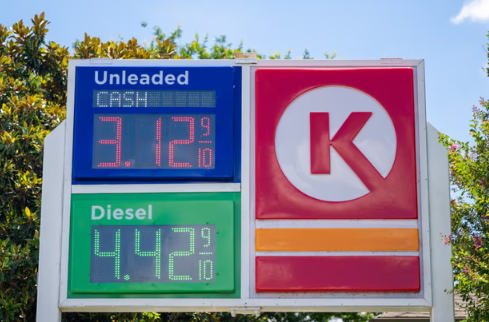
The average price of American gasoline fell to just under four dollars a gallon on Thursday. This welcome decline occurred for the first time since March after a major geopolitical breakthrough. The shift followed the announcement of a historic preliminary agreement between Washington and Tehran. This dramatic diplomatic intervention aims to end the devastating war and reopen the critical waterway. Maritime traffic can now resume through the strategic shipping lanes of the Strait of Hormuz.
The rapid developments have provided some immediate economic relief to hard-pressed drivers across America. Motorists have spent months facing soaring costs at the pump during the bitter conflict. However, filling up a family vehicle still remains significantly more expensive than before. Costs are noticeably higher than they were before the regional military conflict initially broke out. The financial burden continues to weigh heavily on ordinary citizens trying to manage budgets.
According to the latest data from the motor club AAA, the national average stands. The current average price for a gallon of regular gasoline sits at exactly three point nine nine nine dollars. This modest shift marks the first time in months that pump prices have dropped. The steady decline aligns directly with easing crude oil costs on the international markets. Some widespread optimism is surrounding the initial diplomatic agreement between the United States and Iran.
Still, American drivers are collectively paying roughly one dollar more per gallon today. This elevated rate persists compared to what they paid before the recent military escalation. The crisis deepened when the United States joined forces with Israel to strike Iran. Those dramatic opening salvos of the aerial campaign took place back in early February. Gas prices also remain about twenty-five percent higher than they were a year ago.
This sharp annual increase has put a severe strain on millions of households. Working families across the nation are struggling to absorb these elevated everyday living costs. Fuel is not the only thing that has become far more expensive lately. The broader consequences of the conflict have spread across almost every major economic sector. Higher gasoline prices have also contributed directly to rising airline fares for summer travelers.
Meanwhile, ordinary consumer goods such as groceries and footwear have steadily increased in cost. These continuous price hikes are driven by widespread global supply chain disruptions from war. Even if crude oil and other core necessities begin flowing freely once again, challenges remain. Essential agricultural commodities like fertilizer must move through the Middle East without further interruption. Experts strongly warn that the painful sticker shock is likely to outlast the active fighting.
Product prices across the United States are projected to keep climbing this year. The upward inflationary pressure will likely persist for the remainder of twenty twenty-six. This sobering assessment was delivered on Thursday by a leading corporate supply chain expert. Patrick Penfield, a respected professor of supply chain practice at Syracuse University, shared his analysis. He provided these detailed warnings during an informative interview with the Associated Press.
Penfield pointed specifically to severely depleted corporate inventories as a primary driving factor. He also highlighted ongoing supply chain consequences spanning directly from the destructive maritime war. He noted that agricultural producers already had to pay much higher costs this spring. Farmers faced heavily inflated prices for vital fertilizer and other essential planting supplies. These combined financial pressures will inevitably ripple through to increased supermarket prices by autumn.
Furthermore, limited refinery capacity inside the United States remains a truly significant obstacle. This structural bottleneck presents a major hurdle towards bringing retail prices down much further. The rapidly rising fuel costs have already pushed American inflation to painful new heights. The domestic inflation rate recently hit its highest level recorded in three full years. Because of this, many ordinary consumers are still filling their tanks for much more.
Millions of motorists routinely pay well above the four-dollar mark for their fuel. That headline price is merely a national average across all fifty individual states. Actual costs vary dramatically between different regions due to a variety of local factors. Proximity to major supply lines and differing state tax rates alter the final price. In California on Thursday, regular gasoline averaged about five point six four dollars.
This high price was officially reported by analysts monitoring the situation for AAA. Hawaii followed closely behind with an average price of five point five seven dollars. By contrast, fuel prices in Indiana and Texas sat at much lower rates. Motorists in those states paid about three point four zero and three point four nine dollars. Recent relief for retail fuel prices arrived alongside cooling costs for crude oil supplies.
Crude oil remains the single most important raw ingredient for refining commercial gasoline. Brent crude, which serves as the international benchmark, fell notably on Thursday afternoon. The price per barrel dropped below seventy-eight dollars during active trading sessions. Meanwhile, the primary United States benchmark crude dropped to just over seventy-four dollars. That price is still a little higher than pre-war levels of seventy dollars.
However, the current rate sits way below the triple-digit peaks seen recently. Prices soared well past one hundred dollars a barrel just a few weeks ago. Major international shipowners have reportedly begun moving their large commercial vessels once again. Tankers are navigating the Strait of Hormuz following the signing of the memorandum. This breakthrough occurred on Wednesday afternoon after intense rounds of direct diplomatic negotiations.
The positive shift was confirmed by real-time maritime data from Lloyd’s List Intelligence. However, some cautious operators reported that only more limited side shipping routes were open. The primary shipping channels still require thorough inspections to ensure safe commercial transit. On Thursday, United States Central Command released a formal statement regarding the naval situation. Military officials confirmed they have officially lifted their strict naval blockade on shipping traffic.
The previous restrictions applied to vessels entering and exiting all blockaded Iranian ports. The affected maritime zones included coastal areas directly within the narrow Strait of Hormuz. American forces are not impeding the transit of vessels to or from Iranian ports. Commercial shipping may move freely through the Arabian Gulf and Gulf of Oman. Despite these highly encouraging structural developments, industry experts continue to preach extreme caution.
Analysts warn it could take weeks or months for traffic to recover fully. Shipping volumes must steadily rebuild before returning to normal prewar levels in the region. Global insurance companies also remain hesitant to grant standard coverage to transit vessels immediately. Captains must navigate carefully while specialized naval crews scan the waters for hidden mines. Until full clearance is achieved, the economic recovery will likely remain a gradual process.
Related News:
 Canada-China trade gains momentum in new strategic partnership
 India-EU Free Trade Deal Marks Historic Economic Shift
 Keir Starmer meets Xi to strengthen UK-China economic relations
 UK Experts Raise Alarm Over Machinery Export to Armenian Firm
 Caffè Nero Warns Coffee Prices May Rise Again
 Abramovich Chelsea Sale Cash Faces Jersey Probe
 Stocks rise as Trump offers Iran peace plan
 US Military Weighs Perilous Moves to Reopen Hormuz
 IMF Predicts Global Economic Crisis Due to Gulf Unrest
 Manila Transport Crisis: Fuel Costs Hit Breaking Point
 Trump Slams Europe as Transatlantic Tensions Boil Over
 Trump Issues Stark Warning After Strike On Iran’s Largest Bridge
 Middle East Conflict Sparks Global Food Price Surge
 Albanese Flies to Singapore to Bolster Fuel Security
 US and Iran Agree to Two-Week Provisional Ceasefire
 Norwegian Group Eyes South Yorkshire Steel Revival
 Ian Katz to Step Down as Channel 4 Content Chief
 Middle East Conflict Risks UK Food Supply Chains This Summer
 Cost of Conflict: UN Warns of Lost Lives in Iran War
 BP Profits Surge Amidst Middle East Conflict Crisis
 Ukraine Urges UK to Seize Russian Oil Tankers
 US Calls Australia Media Law “Foreign Extortion”
 Oil Prices Surge Above $120 Amid Iran Blockade Fears
 Europe’s AI Sector Faces Sovereignty Crisis Over US Deals
 Trump Offers EU Independence Day Deadline For Trade Deal
 US Cities See 42% Drop in Canadian Visits Under Trump 2.0
 High Stakes in Beijing as Trump and Xi Meet Amid Global Turmoil
 Trump and Xi Convene in Beijing for Historic High-Stakes Summit
 Big Tobacco Under Fire Over Controversial New Ad Campaign
 Rubles and Resilience: How Russia-China Border Towns Thrive
 UK Urged to Build EU Rejoin Consensus, Says Miliband
 Cash Registers Stall Japan’s Promised Food Tax Relief
 Trump Floats Fresh Tariffs on 60 Nations Over Forced Labour
 The Exploding Australian Black Market For Nicotine
 Japan Suffers Plastic Shortage Due to Middle East Crisis
 Steel Tensions Rise Between United Kingdom and European Union
 New York Consumer Watchdog Tackles Corporate Lawbreaking
 Levi’s Sues Globe Over Infringing Pocket Tabs
 BYD Aims for Global Car Supremacy Within Five Years
 Trump Signs Historic Iran Peace Plan to Avert Depression
 Reeves Faces Setback as Labour May Miss Homes Target
 Trump’s UK Ambassador Urges North Sea Drilling to Strengthen US Ties
 Ryanair Chief UK Economy ‘Doomed’ Under Labour
 M&S Profits More Than Halve After Cyber-Attack
 Millionaires group urge Reeves to introduce wealth tax to ‘lift kids out of poverty’
 Starmer Says Labour’s Economic Plan Needs Years to Deliver
 US Senate rejects resolution limiting Trump military powers
 US Dollar Hits Four-Year Low Amid Market Turmoil
 UK New Car Discounts Near £6,000 as Prices Are Slashed
 BT Names New Openreach Chief Amid Major Fibre Expansion
 UK Job Vacancies Hit Five-Year Pandemic Low
 UK Youth Unemployment Surges Amid Tax Changes
 Strong Rebound for UK Housing Market Sees 6% More Homes
 Charity Watchdog Takes Control of Learning Disability Care Home
 Spain Faces Backlash Over Xenophobic Chants in Egypt Draw
 Starmer visits Gulf as US and Iran agree ceasefire
 Green Light for Britain’s Electric Future in Somerset
 Pakistan’s Ambitious Bid for Middle East Peace
 Israeli Soldiers Jailed Over Vandalism of Lebanese Statue
 Prominent Voices Challenge Palestine Action Ban
 Lords Demand Larger Fiscal Buffers for UK
 UK Envoy Sparks Controversy Over Special Relationship Claims
 Capitalism ‘Suicidal’, Warns Petro at Climate Summit
 US to Escort Trapped Ships Through the Strait of Hormuz
 UK Electric Car Sales Surge Amid Rising Iran Conflict Fears
 US Awaits Iran Reply on New Ceasefire Proposal
 US and Mexico Face Heatwave as Floods Batter South Africa
 Putin Signals War End as Russian Momentum Stalls
 Romania’s Judicial Crisis: A System Under Siege
 Philippine Senator Flees After Days Under Senate Siege
 High Street Crisis: Fears Grow Over Post Office Closures
 Court Upholds Landmark Win for Transgender Rights
 ICC Arrest Warrant Threat Sparks West Bank Retaliation
 Oil Markets Face ‘Red Zone’ Threat Amid Iran Crisis
 Tony Abbott Returns as New Liberal Party President
 Belfast Approves Pilot Extension of Sunday Trading Hours
 Discontent grows around Putin amid war strain
 Trump Faces Legal Blow Over Global Tariffs
 UK Economy Suffers a Sharp Downturn as Iran Conflict Bites
 Tuchel’s England Mission Goes Beyond Football Success