Published: 19 June 2026. The English Chronicle Desk. The English Chronicle Online.
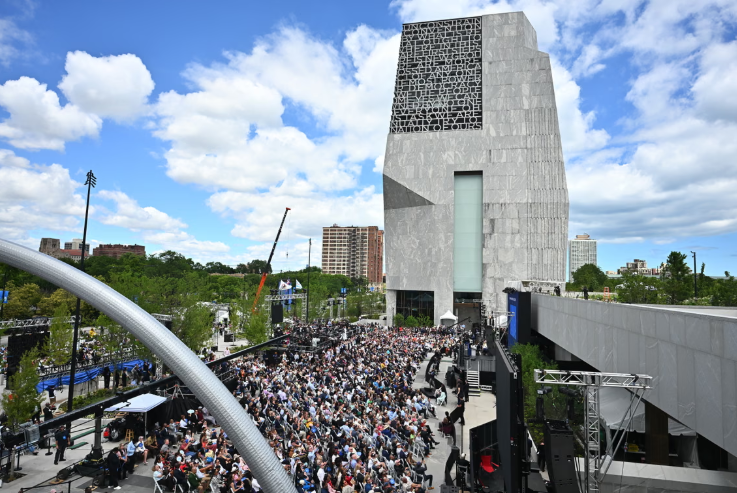
The historic South Side of Chicago is feeling both intense pride and deep anxiety today. The grand opening of the Barack Obama Presidential Center has officially arrived on this Juneteenth holiday. This massive nineteen acre campus represents an investment of eight hundred and fifty million dollars total. It stands as a monumental tribute to the historic legacy of the first Black president. Yet the shiny new attraction brings a shadow of displacement for the local community members. Longtime residents are facing severe pressure from rising housing costs and fast gentrification processes. Years of anticipation have altered the economic landscape of these historic African American neighborhoods. Areas like Woodlawn and South Shore are witnessing dramatic changes in their everyday lives. Renters and homeowners alike express a complex mix of celebration and immediate financial worry. The grand facility symbolizes progress to the world but threatens survival for vulnerable locals.
Pastor Jeffery Campbell has served the Woodlawn Baptist Church for over twenty two years. He has spent decades protecting his vulnerable congregation from the harsh forces of displacement. Campbell actually worked directly with Barack Obama during the community organizing days of the 1980s. Despite that personal history the local pastor now holds a vastly different neighborhood vision. He sees a community that survived tough times now being priced out by speculators. The surrounding area has transitioned from a divested neighborhood into a mixed income zone. This shift is unfortunately squeezing out the very people who weathered the literal storms. Many long term residents can no longer afford to live in their homes. Parishioners are regularly forced to leave the area due to soaring rental prices. The local housing market began shifting the moment the center was announced years ago. Now the official opening marks a critical tipping point for these historic neighborhoods.
The broader city of Chicago has experienced a major loss of Black residents lately. Statistics show twenty five percent of the Black population departed between recent decades. Families cited school closures and overpolicing as primary reasons for their difficult departures. The demolition of public housing and lack of resources also drove many people away. In Woodlawn today nearly eighty percent of the current population consists of burdened renters. The nearby University of Chicago has historically contributed to this steady pattern of displacement. The powerful academic institution has a long history of altering local neighborhood demographics. It previously supported discriminatory housing covenants that legally enforced segregation around its campus borders. Experts note the university historically acquired cheap land to expand its real estate holdings. This expansion naturally increased property values and pushed lower income residents further away. The incoming presidential center acts as another massive catalyst for this ongoing transformation.
Community organizers anticipated these housing challenges when the project was first unveiled back in 2016. A dedicated group formed the historic Obama Community Benefits Agreement Coalition to protect residents. They initially attempted to negotiate a formal binding agreement directly with the Obama Foundation. They wanted explicit guarantees for affordable housing and local job creation for South Siders. However the former president rebuffed these direct requests during an early public meeting. Obama insisted the project would naturally bring sufficient benefits through standard economic growth. This response forced the active coalition to pivot their strategic focus toward city hall. They successfully lobbied local lawmakers for protective ordinances under two different mayoral administrations. The Chicago city council eventually passed legislation to protect tenants from unfair displacement practices. This law gives displaced locals preference for new housing built on city owned lots. It also establishes a needed grant program to provide essential property tax relief.
Unfortunately official investigations reveal that many of these city programs remain completely unattended. Millions of dollars set aside for affordable housing initiatives have gone entirely unspent. This bureaucratic failure leaves residents highly vulnerable to the fast moving forces of gentrification. Older homeowners face unique challenges as rising property taxes outpace their fixed retirement incomes. Some elderly residents have sold their cherished family homes to enter senior facilities. In response Pastor Campbell is actively building a forty six unit affordable apartment complex. This church project aims to keep vulnerable seniors rooted deeply within their historic community. Meanwhile academic experts point out a bitter irony regarding the new presidential center. The project was explicitly marketed as a tool to increase local property values. Yet this soaring valuation now far exceeds the median income of local working families. South Shore has tragically earned a reputation as the eviction capital of Chicago.
Local activists like Dixon Romeo have experienced these systemic housing struggles very personally. Romeo had to scramble financially to save his family home from tax foreclosure. This stressful experience inspired him to become an executive director for Southside Together. He notes that promised city improvements have simply failed to materialize for neighbors. Instead of new community resources residents have only received significantly higher monthly rent bills. It is undeniably more expensive to live in the South Side today than a decade ago. The pending existence of the massive center has clearly exacerbated these financial pressures. The annual median income for a Woodlawn household remains just under forty thousand dollars. Market rate apartments incentivized by the city remain completely out of financial reach. Short term vacation rentals have also surged by over forty percent in the area. This trend further reduces the available housing stock for permanent long term residents.
Despite these heavy financial anxieties an undeniable sense of excitement still fills the air. Many residents remain incredibly thrilled to host a world class presidential library nearby. Maurice Palmer is a fifty four year old resident who looks forward to visiting. He notices his rent adjusting upward but still plans to bring his children. He believes commemorating the journey of the first Black president is deeply important history. Local business owners also view the grand opening as a positive community achievement. Marquinn Gibson operates a cafe in Woodlawn and welcomes the potential economic boost. He acknowledges the widespread fears regarding employment and housing among his weekly customers. His main concern centers on protecting the people who created this unique culture. The true challenge involves balancing this global celebration with real neighborhood preservation efforts. Chicago now watches to see if its historic communities can truly survive this progress.
Related News:
 Capitol Attack Anniversary Sparks Deep Political Divide
 Trump Labels Renee Good a ‘Paid Agitator’ After Minneapolis ICE Killing
 Trump targets Iran trade with 25% tariff warning
 Trump Receives Machado’s Nobel Medal in White House Meeting
 Thousands Protest ICE Operations in Nationwide US Day of Action
 Epstein Files Reveal Trump Officials’ Emails with Financier
 Thousands Protest ICE in New York Against Trump Deportation Campaign
 US-Cuba Negotiations Shift as Oil Blockade Looms
 Ukraine war briefing: Zelenskyy offers help to Saudi Crown prince on combatting Iranian drones
 New Policy Allows US Troops to Carry Personal Firearms
 Michigan Battleground: Middle East Crisis Stirs US Senate Race
 Congresswoman Condemns Trump Over Iran Conflict
 Trump Signals Hope for New Iran Talks as Ceasefire Fades
 Trump’s Presidency: A House of Cards Collapsing?
 GOP Senator Criticizes Trump’s Feud With Pope Leo XIV
 Trump Starts $166bn Tariff Refund Process
 Investigation Into Anti-Trump Motives After Gala Shooting
 UK Urged to Adopt ‘Trade Bazooka’ Against Tariff Threats
 USS Gerald R Ford Ends Record Naval Deployment
 Trump orders US troop pullout from Germany
 Indiana Republicans Defy Trump in Key Vote Test
 Tensions Emerge in Netanyahu-Trump Alliance
 Fear and Betrayal: The Chilling Case of Kouri Richins
 Trump in Beijing: The Strongman Fantasy Made Flesh
 Trump Tightens Grip on GOP with Primary Victory
 Democrats release 2024 election report amid fierce backlash
 US judge dismisses Kilmar Abrego Garcia indictment
 Tulsi Gabbard exits after turbulent intelligence tenure
 Former ICC prosecutor condemns US sanctions
 Trump Weighs Retreat from Controversial $1.8bn Slush Fund
 Trump Allies Funded Hidden Network to Discredit US Vote
 UFC at the White House: Glory Marred by Bitter Smears
 The Dreamers Losing Jobs Under Trump’s Red Tape
 Battle for Washington: Mayoral Race Braces for Trump
 Trump Urged to Condemn UFC Fighter Over Obama Slurs
 Trump Halts Senate Hearing for Intel Pick Jay Clayton
 US Military Pacific Boat Strike Kills Three People
 FBI Chief Faces Backlash Over Premature Social Media Posts
 Trump’s Mount Rushmore Speech: A Divisive Anniversary
 House Democrats Divided Over Israel Military Funding Bid
 Houthis Strike Saudi Arabia as Middle East Tensions Rise
 Federal Immigration Shift: Officers Leave Louisiana for Minneapolis
 Mandelson apologises over Epstein ties after public scrutiny
 Friedman Uninvited From 2024 Adelaide Writers’ Week
 Trump press secretary attacks reporter over ICE question
 Spoof “Make America Go Away” Caps Rally Denmark Over Greenland
 Trump Fed bid heads to Supreme Court
 Partial US Government Shutdown Hits Homeland Security Funding
 New Poll Reveals Reform UK Stance on British Citizenship
 New Zealand Covid Response Praised Despite Lingering Scars
 Diplomacy on the Brink: Pakistan’s Risky Peace Mission
 Teenage Titan: Sooryavanshi Smashes IPL Records
 Canadian Mother and Daughter Released From ICE Detention
 Reform UK Pledges To Halt Visas Over Reparations Demands
 US and Iran Agree to Two-Week Provisional Ceasefire
 Israel Defies Ceasefire as Lebanon Operations Persist
 Islamabad Hosts Historic Peace Talks Between Iran and USA
 Security Alert Near Israeli Embassy as Police Investigate
 US-Iran Standoff: Will Trump Deploy Ground Troops?
 High Stakes in Beijing as Trump and Xi Meet Amid Global Turmoil
 Trump and Xi Convene in Beijing for Historic High-Stakes Summit
 Aussie Race Row: Coalition Accused of Scapegoating
 Trump Pledges 5,000 Troops for Poland in U-Turn
 Cannes filmmakers split over AI’s role in cinema
 Trump’s Grip on the GOP Tested in Texas Senate Battle
 Washington Brokerage Sparking Hope Amid Regional Firestorms
 US Condemns ‘Two-Tier’ UK Policing After Student Murder
 Trump Appeals for Middle East Calm but Conflict Escalates
 Millions in British Charity Funds Linked to Illegal Settlements
 US Trafficking Arrest Exposes Shocking Exploitation
 Trump Signs Landmark Iran Accord in Versailles
 Gas Prices Fall Below $4 Following US-Iran Peace Deal
 US Battles Auction of Titanic Artifacts
 US Courts Back Trump on Park Signage Removals
 US Airman Avoids British Court in Indecent Exposure Case
 Trump Swaps Planes Amid Iran Tensions
 Rotterdam Museum Honours Artist With Peanut Butter Floor
 Bangkok Nightclub Blaze Claims 30 Lives Amid Negligence Probe
 Yemen Accuses Iran of Violating National Sovereignty
 Florida Executes One of Its Oldest Death Row Prisoners