Published: 06 July 2026. The English Chronicle Desk. The English Chronicle Online.
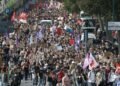
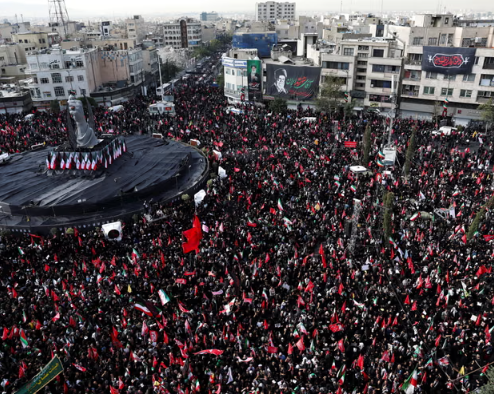
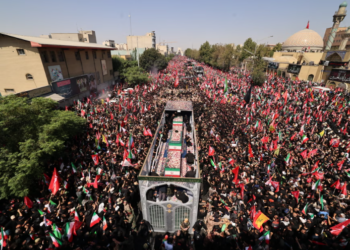
Tehran has awakened to a sea of black as millions gathered for the final farewell. The atmosphere is thick with grief and the heavy weight of a nation in transition. On Monday morning, the capital witnessed a massive turnout that defied all previous public expectations. The procession marks a defining moment for Iran amidst the turmoil of this current war. The crowds began their journey at the iconic Revolution Square in the heart of Tehran. They planned to move westward until reaching the expansive and historic Azadi Square area later. This route is symbolic, linking the past struggles of the nation with its future aspirations. The streets were packed tight with people who stood shoulder to shoulder in silent mourning.
Only seven months ago, these very streets saw intense protests against the existing government structure today. Thousands were killed during those clashes, creating a deep scar in the national collective memory. Now, however, the tide has turned dramatically toward a unified display of shared national sorrow. Many citizens view this gathering as a direct response to the recent regional military conflicts. They feel the war launched by Donald Trump in February has forced this new unity. The mourners universally wore black while carrying flags with the slogan of national rising. The flag of Iran waved alongside numerous pictures of the late supreme leader Ali Khamenei. The city metro was completely overwhelmed as thousands scrambled to join the vast marching crowd.
The air was filled with rhythmic chanting that echoed through the narrow city streets today. Mourners repeated verses about the martyrdom of their leader before his journey to the heavens. On Sunday, a smaller but equally emotional ceremony featured calls for revenge against the enemy. Kill Trump was chalked onto the main stage by those grieving and angry mourners alike. The emotional intensity highlighted a deep desire for justice mixed with profound personal loss today. Khamenei was killed by Israeli bombs during the opening days of the war in February. The strategic aim was to destabilize and eventually topple the foundations of the current government.
The funeral procession was expected to last between ten and twelve hours for the participants. Such a long duration was necessary to accommodate the massive numbers attending this important event. It was always clear this event would draw the largest crowds seen in many years. Only a limited number of people could enter the Grand Masalla mosque at one time. Therefore, the vast majority of the population chose to walk through the city streets instead. This act of public participation was a powerful demonstration of loyalty to the fallen leader.
On Sunday, the entire Iranian leadership turned out for the morning prayer as a group. The group appeared significantly depleted after the success of several targeted Israeli assassination campaigns lately. The notable exception to this gathering was the new supreme leader named Mojtaba Khamenei today. As the son of the late leader, he has been appointed as his official successor. His three grieving brothers attended the ceremony to show their support for the mourning nation. Iranian officials insisted his absence was not due to injuries from an Israeli attack. Instead, they cited significant security concerns regarding his safety during such a highly public event.
The state services performed an incredible feat by managing the flow of these massive crowds. The volunteer civic army worked tirelessly to ensure everyone had access to food and water. Unlike previous state-linked funerals, this massive event was managed with careful and deliberate calm today. The funeral of the previous supreme leader had descended into chaos and uncontrollable crowd surges. President Masoud Pezeshkian took time to praise the orderly behavior of the mourning Iranian people. He hoped the images emerging from Tehran would force the West to reflect deeply today. He believes the world must understand the internal determination of a country changing from within.
Pezeshkian noted that words are often lost on those who do not speak the language. However, he believes the physical presence of the people is a universal language today. He rejected the claims by Donald Trump that the public grief was somehow staged theater. He argued that these tears from girls, men, and children are entirely authentic expressions today. Tears arise from the genuine pain and sorrow that surges within a person in grief. The world is watching this truth unfold on the streets of the Iranian capital today.
More than three hundred foreign journalists were granted rare visas to report on this event. They joined the existing foreign press based in Tehran to document this display of unity. Pezeshkian, a reformist elected two years ago, has focused on building consensus among the elite. He explicitly stated that he does not accept the interpretation of this as a farewell. He described the event as a solemn covenant to continue on the current national path. This is not an ending but a pact to remain committed to their original mission.
He explained that the enemy disrupted the regional geography by entering this destructive ongoing war. However, he argues that the actions of the enemy have actually strengthened Muslim unity instead. He suggested the world is now aware of the true nature of Western human rights. The President emphasized that the United States and Israel have proven their claims are lies. He asserted that the Zionists are the primary perpetrators of all regional crimes today. He concluded that this is done with the active support of United States and Europe. The day continues as the crowd marches toward the final resting place of their leader. The world watches closely as Iran moves through this period of profound and intense mourning. The future of the region remains uncertain as this major funeral procession slowly moves forward.
Related News:
 Ukraine war briefing: Zelenskyy offers help to Saudi Crown prince on combatting Iranian drones
 Ukraine Sends Drone Experts to Defend US Bases in Jordan
 Saudi Arabia Urging US to Keep Up Iran Attacks
 Diplomacy on the Brink: Pakistan’s Risky Peace Mission
 Trump Slams Europe as Transatlantic Tensions Boil Over
 High-Value Target: Iranian Strike Destroys US Radar Plane
 UN Warns Israeli Death Penalty Bill Could Be a War Crime
 Pakistan and China Propose Five-Part Peace Plan
 Trump Issues Stark Warning After Strike On Iran’s Largest Bridge
 Hope and Fear as Iranians Flee Across the Turkish Border
 The Price of Hubris: Trump, Netanyahu, and the ‘Easy’ War
 Israel Defies Ceasefire as Lebanon Operations Persist
 Middle East Peace Crisis: Ceasefire Strained by New Violence
 Pakistan Brokers Historic Peace Deal Amid Rising Tensions
 Netanyahu Vows Continued Lebanon Strikes Amid Peace Talks
 Islamabad Hosts Historic Peace Talks Between Iran and USA
 US and Iran Pursue Extension of Ceasefire via Pakistan
 Trump’s Islamabad Gamble: The High Stakes of a New Iran Deal
 The General’s Gambit: Pakistan’s New Role in Global Peace
 Can Trump’s Ceasefire Hold in Lebanon?
 Global order shifts amid Trump-era turmoil
 Middle East Crisis Escalates as Oil Routes Shake Markets
 Saudi Arabia Blocks Trump’s Naval Plan for Hormuz Strait
 Tensions Emerge in Netanyahu-Trump Alliance
 UAE’s Secret Strike on Iran Risks Wider Gulf Conflict
 Netanyahu Claims Secret UAE Visit Amid Regional Conflict
 Netanyahu Calls Early Election Amid Coalition Turmoil
 Plea for Mercy: The Battle to Bring Ahmed al-Doush Home
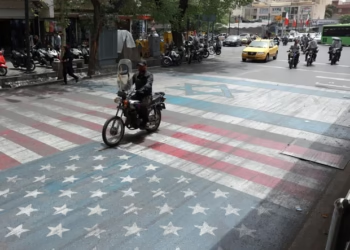 Trump Issues New Threat of Strikes Amid Iran Standback
 Global Outrage After Israeli Minister Mocks Bound Activists
 Israeli Strikes in Lebanon Kill 10 Amid Ceasefire Strain
 Hunger increasingly weaponised in global conflicts
 Former ICC prosecutor condemns US sanctions
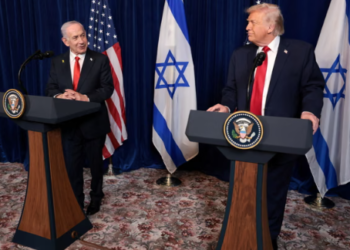 Trump and Netanyahu Clash Over Crucial US and Iran Peace Deal
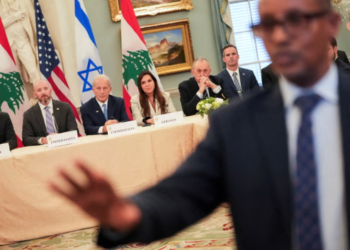 Washington Brokerage Sparking Hope Amid Regional Firestorms
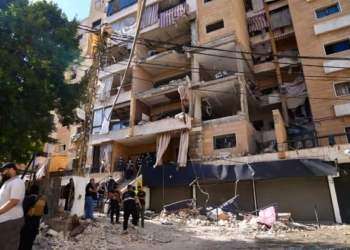 Israel Defies Trump in Direct Strikes on Targets Across Iran
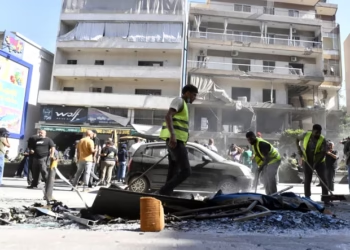 US and Iran Agree Historic Framework to End 15-Week War
 Global Powers Navigate Fragile Peace as Hormuz Reopens
 Trump Signs Landmark Iran Accord in Versailles
 Uncertainty Prevails as Landmark Peace Talks Abruptly Conclude Before Commencement
 Iran To Propose New Shipping Fees In Strait Of Hormuz
 Grief and Devotion Amidst the Rubble of Nabatieh
 High Drama in Tehran Over Secret Nuclear Letters
 Iran Prepares for Massive Six-Day Funeral for Khamenei
 Iran Prepares for Massive Funeral for Supreme Leader
 Iran Mourns: Millions at Khamenei’s Final Procession
 Hamas Proposes Handing Over Control of Gaza Strip
 Israeli Officer Investigated for Car Grenade Attack
 Yemen Accuses Iran of Violating National Sovereignty
 Trump Threatens Iran Power Strikes Over Hormuz Impasse
 Houthis Strike Saudi Arabia as Middle East Tensions Rise
 Friedman Uninvited From 2024 Adelaide Writers’ Week
 Spoof “Make America Go Away” Caps Rally Denmark Over Greenland
 New Zealand Covid Response Praised Despite Lingering Scars
 Tehran Strikes Mark War’s Most Devastating Night
 Injured Mojtaba Khamenei Elevated as Iran Leader
 Trump’s Six-Week Iranian War: The High Cost of Ignorance
 Reform UK Pledges To Halt Visas Over Reparations Demands
 US and Iran Agree to Two-Week Provisional Ceasefire
 Trump Signals Hope for New Iran Talks as Ceasefire Fades
 Security Alert Near Israeli Embassy as Police Investigate
 US-Iran Standoff: Will Trump Deploy Ground Troops?
 Investigation Into Anti-Trump Motives After Gala Shooting
 Trump Rejects Tehran Peace Plan as Regional Truce Crumbles
 High Stakes in Beijing as Trump and Xi Meet Amid Global Turmoil
 Fear and Betrayal: The Chilling Case of Kouri Richins
 Trump and Xi Convene in Beijing for Historic High-Stakes Summit
 Aussie Race Row: Coalition Accused of Scapegoating
 Trump Pledges 5,000 Troops for Poland in U-Turn
 Cannes filmmakers split over AI’s role in cinema
 US Condemns ‘Two-Tier’ UK Policing After Student Murder
 Trump Appeals for Middle East Calm but Conflict Escalates
 Millions in British Charity Funds Linked to Illegal Settlements
 US Trafficking Arrest Exposes Shocking Exploitation
 Gas Prices Fall Below $4 Following US-Iran Peace Deal
 Canada Secure Historic Last 16 Spot with Late Goal
 EU Slashes Steel Quotas But Grants UK Favourable Rates
 Trump Swaps Planes Amid Iran Tensions
 Rotterdam Museum Honours Artist With Peanut Butter Floor
 Bangkok Nightclub Blaze Claims 30 Lives Amid Negligence Probe