Published: 15 July 2026. The English Chronicle Desk. The English Chronicle Online.
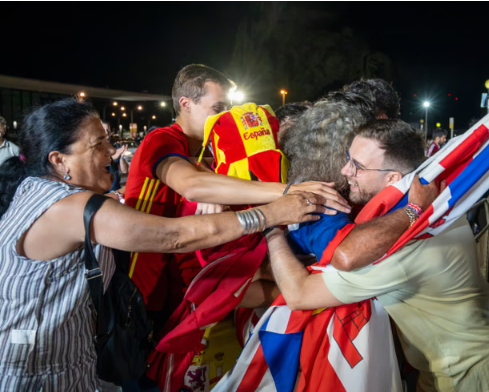
Spain and Gibraltar are currently celebrating the official fall of the last frontier fence. This historic milestone follows the signing of a monumental post-Brexit agreement this week. The new deal effectively brings an end to arduous border checks for local residents. It also supports the thousands of Spanish workers crossing into the territory each day. Tourists will also enjoy seamless travel between the Spanish region and British territory. The agreement was officially signed in Brussels on Tuesday to great international applause. It came into full effect at midnight to the delight of many local citizens. This marks the successful conclusion of over four years of intense, complex diplomatic negotiations. The process involved the United Kingdom, Spain, Gibraltar, and the European Union representatives together. Britain’s departure from the bloc had created significant uncertainty regarding this specific border region. The new deal completely eliminates border controls and various customs checks to ensure fluidity. It creates a truly open frontier for all people moving between the two distinct areas. Spain now takes on full responsibility for Schengen controls at the local airport facility. Furthermore, authorities have finally removed the physical barrier separating Spain from Gibraltar since 1908. This fence had long served as a visible symbol of deep division and political tension.
Gibraltar was originally ceded to the British crown under the 1713 treaty of Utrecht. It is currently home to a relatively small population of about forty thousand total people. The territory relies heavily on the fifteen thousand Spanish workers who cross the line daily. The Rock remains hugely important to the economy of the nearby Campo de Gibraltar region. Under the previous restrictive system, long queues frequently formed at the border during rush hours. These delays were particularly difficult during periods of heightened tension between Madrid and London officials. Spain’s foreign minister, José Manuel Albares, recently hailed the deal as a historic mutual agreement. He expressed deep confidence that this arrangement would ensure future prosperity for all involved parties. They have effectively put an end to a very long, difficult period of political discord. This new deal opens the door to a fresh era of coexistence for two populations. These neighbors lived apart for decades but are now finally joining hands across the divide. This is a historic agreement representing a huge leap forward for the entire border region. It provides lasting stability for the three hundred thousand Andalucíans living in the surrounding area.
Gibraltar’s chief minister, Fabian Picardo, stated that this treaty marks the beginning of modern times. He emphasized that the deal does not affect the territory’s status regarding current British sovereignty. The frontier that once divided our region will now become a place of shared economic opportunity. Daily lives for thousands of people will be made much easier starting from this very week. Our local economy will be given much greater certainty through these new, stable legal foundations. The chief minister insisted they have reached this moment without ever surrendering their unique identity. They did this without compromising British sovereignty or weakening any of the existing constitutional protections. The UK minister for Europe, Stephen Doughty, called the treaty signing a very special moment. Meanwhile, European commissioner Maroš Šefčovič toasted to the promise of shared future prosperity for all. He specifically noted the end of barriers for the fifteen thousand people crossing the border daily. Under these specific terms, Gibraltar becomes a de facto part of the EU Schengen free area. Britons flying into the territory will still interact with the bloc’s new entry and exit system.
These digital fingerprint and face scans have unfortunately caused long queues at some European airports. Chief Minister Picardo told the press this week that he remains concerned about potential future bottlenecks. Despite these minor technical hurdles, the mood in the region remains one of pure celebration today. Spanish Prime Minister Pedro Sánchez will travel to the town of La Línea on Wednesday morning. He intends to witness the final removal of the remaining sections of the old border fence. Spain has long sought the eventual return of this famous, highly contested piece of territory. The Brexit referendum in June 2016 prompted the conservative government to suggest joint sovereignty options. It represents a complete change of outlook that opens up new possibilities not seen for years. Former foreign minister José Manuel García-Margallo spoke about these hopes on national radio years ago. He once suggested that the formula of co-sovereignty was perhaps closer than it had ever been. That specific suggestion was strongly rebuffed by both Gibraltar and the London government at the time. A long, arduous process of negotiations then began to find a workable, peaceful, and lasting solution.
More than ninety-six percent of Gibraltar residents voted clearly to remain part of the European Union. The territory’s historical connections with Spain were totally cut off in the year 1969. The Spanish dictator Francisco Franco ordered the land border to be closed after a constitutional change. Families were tragically separated and thousands of local Spaniards lost their vital jobs overnight that year. That closed border did not officially reopen to the public until the year 1982 in reality. Today serves as a massive relief for those who remember those darker, much more divided times. Local businesses are preparing for a massive surge in cross-border trade and much easier daily logistics. Residents on both sides of the line are gathering to toast this new era of cooperation. They hope that the days of barriers and political posturing are finally behind them for good. This is a day that many people thought might never come in their own lifetimes. The spirit of unity is felt strongly throughout the streets of the rock today. Future generations will now grow up in a region defined by shared prosperity rather than steel fences. It stands as a testament to the power of diplomacy over historical, entrenched and painful political disputes. All eyes are now on the region as the final rubble of the fence is cleared away. This project will leave a legacy of peace and friendship for the centuries to come ahead.
Related News:
 Spain Shuts Airspace to US Military Over Iran Conflict
 Italy Faces Third Successive World Cup Absence After Loss
 Spain Faces Backlash Over Xenophobic Chants in Egypt Draw
 Ukraine strikes Tuapse as oil disaster worsens
 Global order shifts amid Trump-era turmoil
 Putin Declares Russia Victory at Scaled Victory Day Parade
 Greece Probes Mystery Explosive Drone in Ionian Waters
 Romania’s Judicial Crisis: A System Under Siege
 Chaos at Valdebebas: Florentino Pérez Calls for Elections
 Zelenskyy warns over Oreshnik threat as Kyiv hit
 Cannes filmmakers split over AI’s role in cinema
 Former ICC prosecutor condemns US sanctions
 Russia Hits Kyiv With Hypersonic Ballistic Missile
 EU Debate Looms Over Restricting New Member Veto Rights
 EU Leadership Gathers in Tivat to Renew Balkan Ties
 Monaco Bombing: Oligarch Attack Rocks Safe Principality
 Airlines Demand Freeze on EU Border System as Chaos Peak Looms
 Saudi Officials Report Zubaidi Flee Before Yemen Peace Talks
 UK Targets in New York Bomb Threat Hoax: Man Jailed
 Trump targets Iran trade with 25% tariff warning
 US Senate rejects resolution limiting Trump military powers
 Gulf states warn Trump Iran strikes risk wider Middle East war
 Geopolitical football: Iran, Trump and the World Cup clash
 EU weighs response amid Greenland tariff crisis with Trump
 Shinzo Abe’s killer receives life sentence in Japan
 EU Says US Ties Have Suffered ‘Big Blow’ After Greenland Crisis
 China General Under Investigation Amid Leadership Purge
 Portugal Election Delivers Socialist Win as Far Right Surges
 Concerns rise for Canberra boy amid Iran detention fears
 Champions League Thrills as Atalanta and Galatasaray Advance
 Abramovich Chelsea Sale Cash Faces Jersey Probe
 Yvette Cooper: UK Must Follow Principles, Not US Pressure
 Trump Slams Europe as Transatlantic Tensions Boil Over
 A Global Voice For Justice: Stephen Lewis Dies At Age 88
 Hope and Fear as Iranians Flee Across the Turkish Border
 Reform UK Pledges To Halt Visas Over Reparations Demands
 Starmer visits Gulf as US and Iran agree ceasefire
 Trump Signals Hope for New Iran Talks as Ceasefire Fades
 US and Iran Pursue Extension of Ceasefire via Pakistan
 Rat Poison Found in Baby Food Sparks Major Recall Row
 Pakistan’s Ambitious Bid for Middle East Peace
 Israeli Soldiers Jailed Over Vandalism of Lebanese Statue
 Prominent Voices Challenge Palestine Action Ban
 Merz Criticises US Approach in Iran Conflict
 UK Envoy Sparks Controversy Over Special Relationship Claims
 Ukraine Urges UK to Seize Russian Oil Tankers
 The Billionaire’s Secretary and the £1m Fraud
 Arteta urges Arsenal to step up in Atlético semi-final
 US and Mexico Face Heatwave as Floods Batter South Africa
 French Patient Told Hantavirus Was Just Anxiety
 Putin Signals War End as Russian Momentum Stalls
 Philippine Senator Flees After Days Under Senate Siege
 Alberta Separatist Bid Blocked by Canadian Court
 Big Tobacco Under Fire Over Controversial New Ad Campaign
 Court Upholds Landmark Win for Transgender Rights
 Senate Moves to Restrict Trump’s War Powers on Iran
 ICC Arrest Warrant Threat Sparks West Bank Retaliation
 Tony Abbott Returns as New Liberal Party President
 Pope Meets Families in Italy Toxic Waste Zone
 Discontent grows around Putin amid war strain
 Trump Faces Legal Blow Over Global Tariffs
 Global Tech Giants Face Off Against Australia Over Media Levies
 Ukraine Turning the Tide: Zelenskyy Reclaims the Initiative Against Isolated Russia
 Firearm Fine for Missing Boy’s Grandmother
 A New Era of Diplomacy Sparks Confusion on the World Stage
 Battle for Washington: Mayoral Race Braces for Trump
 Tuchel’s England Mission Goes Beyond Football Success
 Historic Victory for Canada as They Defeat Nine-Man Qatar
 Trump’s Iran Legacy Hangs on Tehran Deal
 What Burnham in Number 10 Means for the Future of Britain
 Canada Secure Historic Last 16 Spot with Late Goal
 White House Moves to Limit Public Voice on Fossil Fuels
 Paraguay Shock Germany in Historic Penalty Shootout
 Haaland Heroics Send Norway Into Historic Last 16 Knockout
 Severn Trent CEO Reward Package Doubled Despite Public Anger
 China’s Pacific Missile Test Sparks Regional Alarm
 Belgium Thrashes USA After Red Card Controversy
 UK Charity Funds Illegal Hebron Settlement Expansion
 Le Pen to Run for President Despite Embezzlement Conviction
 France’s Evolution Continues Past Morocco