Published: 7 August 2026. The English Chronicle Desk. The English Chronicle Online
South Korea is facing one of its most severe heatwaves in decades, with authorities issuing widespread health warnings, opening emergency shelters and taking unusual measures to protect people from extreme temperatures.
As temperatures soar across the country, officials have warned residents to avoid prolonged outdoor activity, while airports have introduced additional safety measures, including restrictions on drone activity near flight paths.
The prolonged heat has affected daily life, transportation, agriculture and public services, with authorities urging people to remain indoors during the hottest parts of the day and use cooling facilities where possible.
South Korean officials say the country is experiencing a dangerous combination of high temperatures and humidity, creating conditions that increase the risk of heat-related illnesses.
Emergency services have reported rising numbers of people suffering from heat exhaustion and heatstroke, while local governments have expanded cooling centres in public buildings such as libraries, community halls and transport facilities.

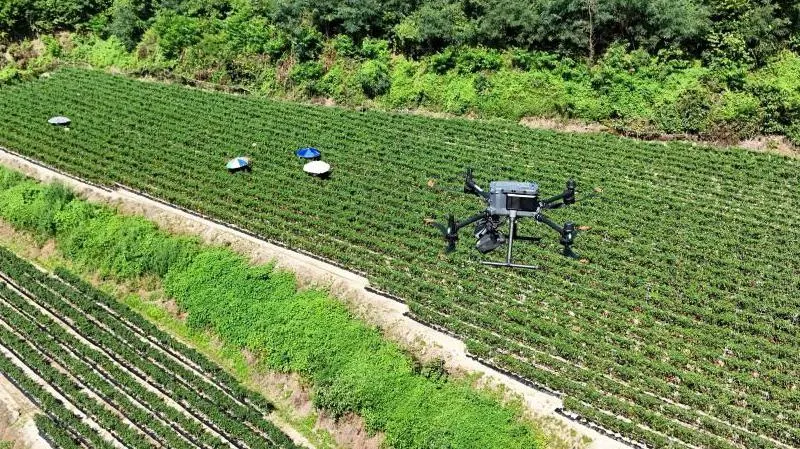
One of the concerns during the heatwave has been the increasing use of drones as people attempt to capture images and videos of the extreme weather conditions.
Authorities have warned that unauthorised drone flights around airports and restricted areas could create serious safety risks.
South Korea’s aviation authorities have reminded the public that drones must not be flown near airports, military facilities or other sensitive locations without official approval.
Officials say hot weather can already place additional pressure on aviation systems, including aircraft operations, ground equipment and airport staff working outdoors.
A drone collision with an aircraft could have serious consequences, and authorities have urged people not to use drones near flight paths while trying to document the impact of the heatwave.
With temperatures reaching dangerous levels, some airports and public facilities have become temporary refuges for people seeking relief from the heat.
Travellers and local residents have used air-conditioned spaces to escape the harsh outdoor conditions, particularly in urban areas where heat can become trapped between buildings and roads.
South Korean cities have expanded their network of cooling shelters, with many public buildings staying open for longer hours.
Officials have encouraged vulnerable groups, including elderly people, children and those with existing health conditions, to use these facilities rather than remain exposed to extreme temperatures.
The government has also distributed warnings about dehydration and heat-related illnesses, reminding people to drink water regularly and avoid direct sunlight.
South Korea has experienced increasingly intense summer heat in recent years, but officials say the current conditions are among the most severe recorded.
The heatwave has affected large parts of the country, with temperatures climbing well above seasonal averages.
Meteorologists say climate change is contributing to more frequent and intense heat events, making extreme summers increasingly common across East Asia.
Scientists have warned that rising global temperatures are increasing the likelihood of prolonged heatwaves, creating challenges for governments and communities.
The impact has been particularly severe in cities, where concrete buildings, roads and limited green spaces can intensify temperatures through the urban heat island effect.
Medical experts have warned that extreme heat can quickly become dangerous, especially when high temperatures combine with humidity.
Heatstroke occurs when the body is unable to regulate its temperature, and without rapid treatment it can become life-threatening.
Authorities have advised people to watch for warning signs, including dizziness, confusion, excessive sweating, weakness and nausea.
Outdoor workers, including construction workers, delivery workers and agricultural employees, face particular risks because of prolonged exposure to heat.
Some employers have adjusted working hours, allowing staff to take longer breaks or avoid the hottest periods of the day.
The government has also increased monitoring of heat-related illnesses and instructed emergency services to prepare for a possible rise in cases.
The heatwave has also created difficulties for farmers, with crops affected by high temperatures and dry conditions.
Agricultural authorities have warned that prolonged heat can damage vegetables, fruit and livestock, potentially affecting food supplies and prices.
Farmers have been advised to increase irrigation, provide shade for animals and take precautions to reduce heat stress.
In cities, residents have faced higher electricity demand as more people rely on air conditioning and cooling systems.
Energy officials have monitored electricity supplies closely, as extreme heat often places additional pressure on national power networks.
South Korean authorities have activated emergency response plans to deal with the heatwave.
Local governments have increased patrols to check on vulnerable residents, particularly elderly people living alone.
Public announcements have encouraged people to reduce unnecessary outdoor activities and avoid intense exercise during peak heat hours.
Cooling equipment, water supplies and emergency services have been deployed in areas most affected by rising temperatures.
Officials have also encouraged communities to look after neighbours and family members who may be at greater risk.
The extreme weather has renewed debate about South Korea’s preparations for a changing climate.
Environmental experts say countries across Asia must strengthen their ability to respond to rising temperatures, as heatwaves are expected to become more frequent and severe.
South Korea has already introduced measures aimed at reducing emissions and improving climate resilience, but scientists say more action will be needed.
They argue that governments must invest in greener cities, better public cooling systems and stronger protections for vulnerable communities.
For many South Koreans, the heatwave has transformed normal routines.
Outdoor activities have been reduced, tourism areas have seen changes in visitor patterns and many people are choosing to remain indoors during the hottest parts of the day.

Some residents have described the heat as unusually intense, with temperatures remaining high even after sunset.
Businesses have also adapted, with some shops extending indoor cooling areas and offering relief to customers trying to escape the heat.
Despite the challenges, authorities say public cooperation has been essential in reducing serious health consequences.
As South Korea continues to experience extreme temperatures, officials say safety remains the priority.
From airport drone warnings to expanded shelter networks, the country is taking a range of measures to manage the impact of a historic heatwave and protect millions of people from dangerous conditions.
Related News:
 Cyclone Vaianu Forces Mass Evacuations in New Zealand
 Mangrove Forests Recover After Years of Damage
 Deadly Earthquake Hits Philippines
 Airline Leaders Warn 2050 Net Zero Target May No Longer Be Achievable
 Sydney Records Hottest June Since 1859 as Expert Warns New High a ‘Signature’ of Global Warming
 ‘Extreme’ Marine Heatwave Forecast for UK Waters
 UK Heatwaves May Have Claimed Thousands of Lives
 France Evacuates Tourist Area as Wildfires Spread
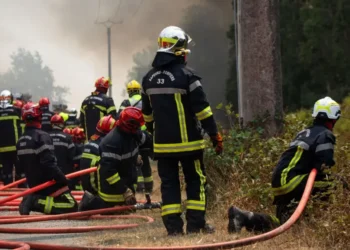 Wildfires Threaten Bordeaux as Mass Evacuations Grow
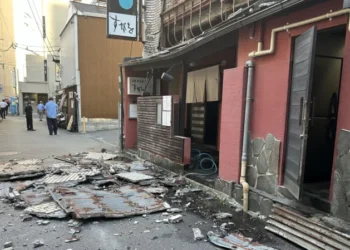 Magnitude 7.1 Earthquake Strikes Japan, Several Injured
 People Trapped in Japan Shopping Centre After Earthquake
 Many Trapped Inside Japanese Shopping Centre After Earthquake
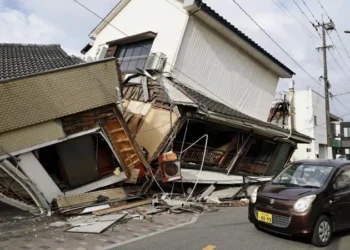 Japan Quake Survivors Recall Terror as Homes Crumble
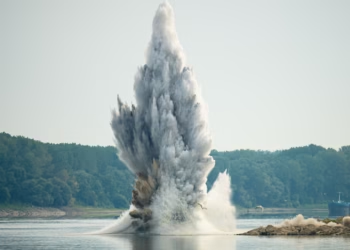 Europe’s Rivers Dry Up as Climate Crisis Deepens
 South Africa’s Garden Route Gem Faces Looming Water Crisis
 Dozens of Flood Warnings in England After Days of Non-Stop Rain

 How to Get the Best View of the Northern Lights in 2026
 BRRRITAIN: Met Office Issues Yellow Weather Warning for More Snow
 Chasing the Next Solar Eclipse: When, Where and How to See It
 Bumper Ski Season but Avalanches Threaten Scotland’s Snowy Hills
 How Do You Modernise Mango Farming? India’s Growers Urged to Innovate as Climate Change Hits
 Powerful Winter Storm Slams US Northeast; NYC Travel Ban
 Major 7.1 Earthquake Strikes Off Malaysian Tourist Coast
 Brit Killed in Horror Bus Crash as 18 Others Die and 25 Injured
Storm Hernando: Edinburgh Airport Flights Cancelled in US Travel Chaos
Brit Killed in Horror Bus Crash as 18 Others Die and 25 Injured
Storm Hernando: Edinburgh Airport Flights Cancelled in US Travel Chaos
 Victorian Bridge Could Be Saved by Traffic Ban
 More Than 5,000 Flights Cancelled as US East Coast Digs Out of Record Snow
 UK’s First Geothermal Plant Powers 10,000 Homes
 UK Winter Nowhere Near a Record Breaker Despite Floods and Storms
 UK Records Warmest Day of the Year as Temperatures Exceed 18 °C
 Study Says Only Two Nations May Survive Nuclear War
 Tiny Possum and Glider Thought Extinct for 6,000 Years Found in Remote West Papua
 Bodies of Two Chinese Backpackers Found in Floodwaters
 Uzbekistan’s Natural Landscapes Take Centre Stage
 Rescued Sea Turtle Shows ‘Fighting Spirit’ After Vital CT Scan
 Spring Awakening: Temperatures to Hit 17°C as Britain Bathes in Sunshine
 Evacuations Ordered as California Wildfires Spread Fast
 Storm Dave Disrupts Travel but Conditions Set to Ease
 Two Centuries of Steam: The Museum Train Embarking on a Bicentennial Journey
 Echoes of the Iron Horse: Exhibition Train Marks 200 Years of Rail
 Moldova River Crisis Exposes War’s Hidden Cost
 Heavier SUVs Accelerate Britain’s Pothole Crisis
 The Outback Squeeze: ‘Out of Control’ Diesel Prices Threaten Australia’s Freight Arteries
 Philippines Accuses Chinese Fishermen of Cyanide Dumping
 Robots Outpace Humans in Beijing Half-Marathon
 Rare ‘Nails in Wood’ Discovery Revealed as Ancient Marine Crocodile
 Chornobyl Still at Risk 40 Years After Disaster
 Older Than Dinosaurs: Secrets of Mayfly Dance Revealed
 Record May Heat to Cold Front in Eastern Australia
 “The Floating Fever”: WHO Confirms Second Hantavirus Case as Cruise Outbreak Death Toll Reaches Three
 “Not a New Pandemic”: UN Health Agency Calms Global Fears Over ‘Nasty’ Hantavirus Cruise Outbreak
 China mine blast death toll rises to 90
 UK rejects EV charging VAT cut amid Treasury clash
 Can Robots Truly Replicate the Unmatched Magic of K-Pop?
 Thailand Tightens Visa Rules to Curb Tourist Misbehavior
 UN Issues Urgent Warning: Imminent Return of El Niño
 Everest Climber Recalls Guide’s Six-Day Survival
 Bear Escapes Factory Through Open Window
 Scientists Warn Over US Ocean Monitoring Cuts
 Families Grieve Beyond Air India Crash Victims
 At Least 19 Killed After Powerful Earthquake Hits Southern Philippines
 US Places BYD on List of Companies Alleged to Have Chinese Military Links
 Temperatures Set to Fall This Week, But Forecasters Warn Heat Could Return Soon
 Why Extreme Heat Can Cause Trees to Collapse and What Experts Say Can Be Done
 Extreme Heat Grounds Birds of Prey Across the UK
 London Tube Heat Reaches Dangerous Levels
 Venezuela Quake Death Toll Surpasses 4,000
 UK Heatwave Nears Two-Week Milestone as High Temperatures Continue Across the Country
 Tokyo’s Push for Shorts at Work Sparks Debate as Some Women Raise Concerns Over ‘Leg Hair Harassment’
 No Helicopters Available to Fight Wildfires as ‘Crisis Management’ Plans Activated
 Fourth Heatwave Brings 35C Temperatures to UK
 French Firefighters Battle ‘David vs Goliath’ Wildfire
 Wildfires Intensify in South-West France as Region Braces for 40C Heatwave
 Amber Heat Health Alerts Issued as UK Heatwave Set to Reach 35C Peak
 Two Killed as Firefighting Helicopters Collide During Greece Wildfire Mission
 Storms Set to End UK Heatwave with Flood Warnings
 AI Disruption Leaves Filipino Workers Fearful
 Calls Grow to Ban Toxic Pet Flea Treatments
 Airlines Warn Passengers Over Lithium Battery Risks