Published: 05 September 2026. The English Chronicle Desk. The English Chronicle Online.
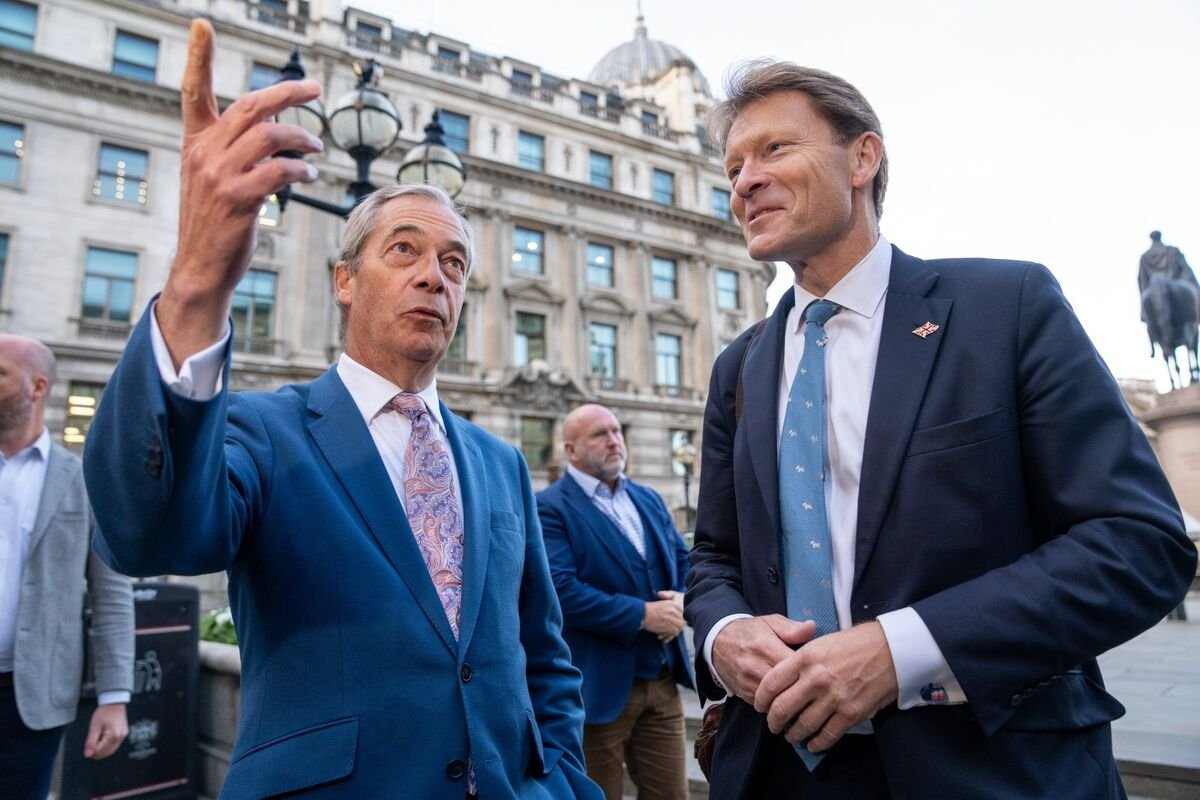
Reform UK and its leader Nigel Farage are facing renewed scrutiny over the party’s finances as a series of controversies surrounding political donations, personal financial arrangements and alleged attempts to navigate electoral rules continue to raise questions about transparency and accountability.
The latest controversy emerged as Reform UK held its annual conference in Birmingham, where two senior party officials were suspended after an undercover investigation appeared to show them discussing ways of getting around rules governing foreign political donations. The allegations have added to a growing list of financial disputes and investigations involving the party and individuals connected to Farage.
The controversies span the past two years and range from questions surrounding a property in Clacton to multimillion-pound donations from wealthy cryptocurrency figures. Some allegations have resulted in official investigations, while others have been rejected by Farage, Reform UK or representatives of those involved.
One of the earlier controversies concerned a property in Clacton-on-Sea, where Farage is the local MP. In 2025, it emerged that a house Farage had publicly described as having been bought by him was actually purchased solely by his partner, Laure Ferrari.

Farage had previously said that he had exchanged contracts to buy the detached property in November 2024. He presented the purchase as evidence that he was addressing criticism that he did not spend enough time in his parliamentary constituency.
However, records subsequently showed that Ferrari was the sole purchaser. The arrangement prompted questions about whether the ownership structure had implications for stamp duty, particularly because Farage already owned other properties.
Farage’s legal representatives rejected any suggestion of wrongdoing. They said he had obtained advice from a leading tax barrister and that the stamp duty had been calculated correctly. The dispute nevertheless became an early example of the financial scrutiny surrounding the Reform leader.
A much larger controversy emerged over a £5 million personal gift given to Farage by cryptocurrency businessman Christopher Harborne in 2024.
The payment was made shortly before Farage changed his position on standing as a parliamentary candidate in that year’s general election. Farage had initially said he would not stand but later reversed that decision and became the Reform candidate in Clacton.
He subsequently won the seat and entered the House of Commons for the first time as an MP. Farage has since made clear that he hopes to become prime minister after the next general election.
Farage has maintained that the £5 million was a personal gift rather than a political donation and therefore did not need to be declared to parliamentary authorities. He has cited security concerns when explaining why he accepted the money, although questions have continued over the circumstances surrounding the payment and the explanations provided for it.
Harborne’s lawyers have said that the businessman expected nothing in return and did not anticipate that Farage would return to frontline politics. The payment is now subject to an inquiry by Parliament’s standards commissioner.
Another financial controversy involves approximately £500,000 in donations made to Reform UK by Fiona Cottrell, whose son George Cottrell has longstanding links to Farage and has previously worked as an aide to the Reform leader.
The Metropolitan police are investigating whether the donations made in May 2024 were structured in a way that could have concealed funding from an impermissible donor. The investigation has attracted additional attention because George Cottrell transferred more than $2 million to his mother shortly before the donations were made.
The financial relationship between the Cottrell family and Farage has also been examined more broadly. Reports have alleged that George Cottrell helped finance aspects of Farage’s political operation, including staffing, security and accommodation.
He was also reported to have recruited and paid staff working on Farage’s social media operation before the 2024 election. Farage was additionally offered the use of a large townhouse near Buckingham Palace.
Under the electoral and parliamentary rules applicable at the time, MPs were generally required to register gifts above a specified value unless the gifts could not reasonably be considered connected to their political activities.
Farage and Reform UK have denied wrongdoing. Fiona Cottrell has not publicly answered detailed questions about her financial involvement with the party, while lawyers representing George Cottrell have declined to address detailed questions about the financial relationship between mother and son.
The controversy deepened when several financial transactions involving senior Reform figures and party donations were reported to the National Crime Agency by banks. Suspicious activity reports reportedly included the £5 million gift to Farage and financial transfers involving Richard Tice, Fiona Cottrell and George Cottrell.
Such reports do not in themselves establish criminal conduct. Banks are required to notify authorities when transactions raise potential money-laundering concerns, after which relevant agencies can determine whether further investigation is necessary.
Reform UK has faced further scrutiny over a separate multimillion-pound donation from cryptocurrency entrepreneur Ben Delo. The British businessman, who was previously based in Hong Kong, gave Reform an additional £4 million earlier in 2026, bringing his total contributions to the party to approximately £8 million.
Delo had previously been convicted in the United States over failures to maintain adequate anti-money-laundering controls at his cryptocurrency business before later receiving a presidential pardon from Donald Trump.
The latest donation has prompted questions about electoral eligibility rules introduced in March. Under those rules, donors are required to have been registered on the UK domestic electoral register for at least 12 months to avoid being subject to an annual £100,000 contribution limit.
Reform has expressed confidence that it will not be required to return Delo’s latest donation, suggesting that the circumstances of his electoral registration may satisfy the applicable requirements.
The newest controversy concerns allegations involving two senior Reform officials, James Orr and Dan Jukes. The pair were suspended after an undercover investigation appeared to show them discussing a possible arrangement designed to circumvent restrictions on foreign donations.
The investigation was conducted by Verbatim, an investigative journalism group founded by the Centre for Climate Reporting, and broadcast by Channel 4 News. The allegations emerged only hours before Farage was due to address the Reform conference, increasing political pressure on the party.
Reform said it had launched an investigation into the conduct of the two officials. Farage, however, insisted that the party had not broken electoral rules. He argued that polling and political research could be funded by overseas sources and rejected suggestions that the allegations demonstrated wrongdoing by Reform.
The episode has nevertheless intensified questions about the party’s approach to political funding at a time when Reform is seeking to establish itself as a major force in British politics.
The controversies are particularly significant because political parties depend heavily on public confidence in the transparency of their funding. Large private donations can provide parties with substantial resources for campaigning, staffing and communications, but they can also attract scrutiny when questions arise about donors, eligibility, financial arrangements or potential political influence.

For Reform UK, the issue is especially consequential because Farage has positioned the party as an alternative to the established political establishment. Its ability to maintain that image depends in part on demonstrating that its own financial affairs meet the standards it demands from other political organisations.
None of the allegations described above, by themselves, establishes that Reform UK or Farage has committed a criminal offence. Some matters remain under investigation, while others have been rejected by the individuals or organisations involved.
But the accumulation of disputes has created a continuing financial controversy around the party. From property arrangements and personal gifts to large cryptocurrency donations, suspicious activity reports and allegations of attempts to circumvent electoral rules, Reform is facing sustained questions about how money enters its political operation and how those financial relationships are disclosed.
As the party seeks to expand its electoral influence, the scrutiny is unlikely to disappear. The central challenge for Farage and Reform will be to convince voters that their financial affairs are transparent, lawful and consistent with the political standards they say they want to impose on Britain’s wider political system.
Related News:
 Richard Tice Faces £100k Tax Controversy
 BBC News Faces Deep Cuts in 2,000 Job Plan
 City & Guilds Faces Governance Crisis Over Sale
 Reeves Fights to Keep Treasury Role Amid Labour Turmoil
 Hungary Targets Oligarchs with Proposed Landmark Wealth Tax
 Burnham Faces Mounting Budget Challenges
 Tories Push to Dilute Labour’s Workers’ Rights Bill
 Trump’s UK Ambassador Urges North Sea Drilling to Strengthen US Ties
 Rachel Reeves Set to Break Labour Pledge and Raise Income Tax
 Thinktanks Urge Rachel Reeves to Reform UK Tax System
 Company linked to Michelle Mone owes £39m in tax
MPs Press Rachel Reeves to Hike Gambling Taxes
Company linked to Michelle Mone owes £39m in tax
MPs Press Rachel Reeves to Hike Gambling Taxes
 Cuts to home insulation funding threaten UK climate goals
 Millionaires group urge Reeves to introduce wealth tax to ‘lift kids out of poverty’
 PM Highlights UK Business at G20 in South Africa
 English Mayors Set to Introduce Tourist Taxes
 Starmer Says Labour’s Economic Plan Needs Years to Deliver
BBC bosses ‘right to stick by their guns’ against Trump, says minister
Starmer Says Labour’s Economic Plan Needs Years to Deliver
BBC bosses ‘right to stick by their guns’ against Trump, says minister
 China Dependence Threatens UK Energy Supply Chains and Jobs
 MPs warn AI financial risks threaten UK stability
 MPs warn AI financial risks threaten UK stability
 UK Government Borrowing Drops to £11.6bn in December
 Labour Must Revive High Streets to Avoid Election Collapse
 Barclays drops Global Counsel after Mandelson link scrutiny
 Unsustainable gaps in franchise policing, MPs warn
 UK shelves £110m border project amid trade strain
 UK Sees Record £30.4bn Budget Surplus, Boosting Reeves’ Position
 Ministers Urged to Ban Crypto Political Donations
 Reeves Must Back Defence Plan or Face Dismissal, Says Unite Chief
 OBR Reform Row Deepens Before Spring Forecast
 Wealthy Britons Flee Gulf War but Avoid UK Taxes
 UK Wage Growth Slows as Jobs Market Holds Firm
 Farage Faces Backlash Over Crypto Cameo Endorsements
 UK Doubles Steel Tariffs to 50% to Protect Domestic Plants
 Oil and Gas Prices Surge Amid Iran-Israel Attacks on Gasfields
 Starmer Adviser Urges New Profit Cap on Energy Firms
 Fuel Duty Relief Plea Amid Middle East Oil Crisis
 OpenAI Halts Stargate UK Project Amid Energy Crisis
 Student Loan Interest May Rise Despite 6% Cap
 Starmer would have blocked Mandelson role, says Lammy
 Carmakers Face £3bn Gap in UK Loan Payout Scandal
 City & Guilds Sale Sparks Fees and Pay Uproar
 Reform UK funding: mystery billionaire revealed
 New UK advice scheme to boost savings and investing
 Asylum deal sparks fears over Syria deportations
 Silent Tracks: Rail Line Without Passengers
 Ceasefire Standoff Deepens in Ukraine War
 Norway Doubles Down on Oil and Gas for Europe Energy Security
 Labour Faces Internal Pressure for Bold Economic Shift
 Labour Factions Propose Bold Tax Cuts Amid Leadership Storm
 Thames Water Rescue Package Hit by Downing Street Chaos
 Hybrid village stores fight rural decline
 UK Pushes for New EU Goods Trade Deal
 UK Urged to Build EU Rejoin Consensus, Says Miliband
 UK rejects EV charging VAT cut amid Treasury clash
 UK Supply Chains Face Major Risks From Global Instability
 Nationwide Faces Governance Scrutiny Ahead of AGM
 Deadly Russian Air Raids Strike Across Ukraine
 EU and UK Set July Date for Critical Post-Brexit Summit
 Hospitality Traders to Exploit Summer VAT Cut Loophole
 Andy Burnham Enlists Economic Heavyweights for Leadership Bid
 Great Britain Faces £90bn Electricity Grid Rewire Bill
 Burnham Promises Relief on Cost of Living Crisis
 UK Nations Brace for Potential Breakup Amid Reform Surge
 Severn Trent CEO Reward Package Doubled Despite Public Anger
 BMA Faces Unprecedented Staff Cuts Amidst Severe Financial Turmoil
 Murder Probe Continues After Arrest Release
 Labour MPs Urge Burnham to Revive UK Aid Target
 Trump Refuses to Sign Housing Bill, But Law Takes Effect
 EasyJet Takeover Sparks Fears Over Passengers’ Future
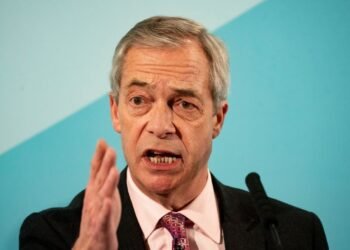 Farage Defends £5m Gift Amid Threats
 Burnham unveils £65m drought aid for farmers
 Unions Warn Labour Over Zero-Hours Contract Reforms
 RAF Barnham Protests Fuel Tensions in Norfolk Town
 UK Households Could Save £173 on Fixed Energy Deals
 Ukraine Villagers Demand Answers After Deadly Arms Depot Strike
 Green Leader Targets Starmer’s Former Seat
 Bayeux Tapestry Revives Franco-British Ties
 Trump Calls Iran War ‘Small Potatoes’ Despite US Deaths
 UK Subsidence Claims Surge After Record-Breaking Summer