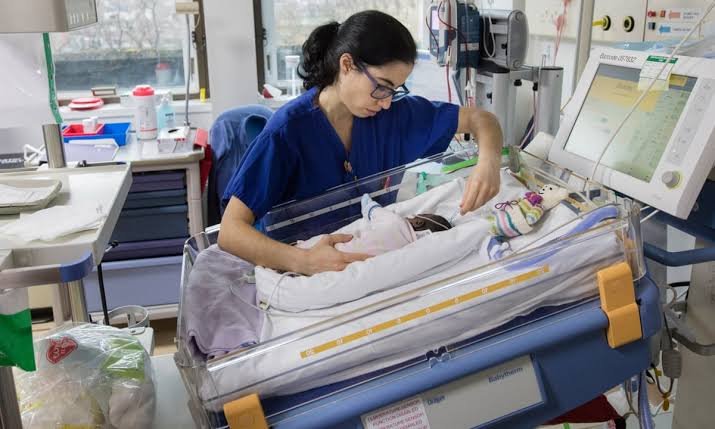
Several of the United Kingdom’s leading children’s hospitals are closing beds and reducing their workforces as they struggle to meet significant cost-cutting targets imposed across the National Health Service (NHS). The measures have raised concerns among medical professionals about the potential impact on children’s healthcare, particularly as hospitals prepare for the increased pressure traditionally experienced during the winter months.
Great Ormond Street Hospital (GOSH) in London, Sheffield Children’s Hospital and Alder Hey Children’s Hospital in Liverpool are among the specialist healthcare institutions making substantial changes to their services and staffing arrangements. The hospitals are attempting to reduce expenditure and achieve financial targets amid growing pressure on NHS organisations to prevent overspending.

Although hospital management teams maintain that the changes are designed to make services more financially sustainable without compromising patient safety, healthcare professionals have warned that fewer beds and reduced staffing could make it increasingly difficult to respond to rising demand for children’s medical treatment.
Great Ormond Street Hospital, internationally recognised for treating children with complex and life-threatening conditions, has already closed 28 beds and is planning to reduce its workforce by approximately 300 positions. The hospital is facing the challenge of identifying £50.6 million in savings by the end of March as part of its efforts to achieve financial stability.
Reports presented to the hospital’s board indicate that one ward has been closed, while the number of available beds has been reduced across several other departments in recent months. These changes have prompted questions about the hospital’s ability to maintain sufficient capacity for children requiring specialist treatment.
One of the most significant changes took place in April, when the hospital closed Hedgehog ward, which previously provided 10 beds for children with complex medical conditions. The ward treated patients from across the United Kingdom and overseas, including children requiring highly specialised and sometimes life-saving treatment.
Hospital representatives explained that the decision was partly influenced by a decline in the number of children and young people travelling from the Middle East for inpatient medical treatment. The reduction was linked, in part, to the conflict affecting the region.
However, the hospital has also reduced bed capacity in other specialist departments. These include Koala and Alligator Endo-Met wards, which provide treatment for children with brain-related conditions, as well as Panther ear, nose and throat ward.
The reductions have raised particular concerns about the hospital’s ability to accommodate patients who require specialist services. Documents presented to the board indicate that the loss of beds on Koala ward prompted questions about whether sufficient capacity would remain to meet the needs of all children requiring treatment.
The planned workforce reduction has added another dimension to the financial challenge. Despite reports indicating that several departments are already experiencing staffing shortages, the hospital intends to eliminate approximately 300 positions. Around two-thirds of its £31.5 million cost improvement programme for the 2026/27 financial year is expected to come from reductions in workforce expenditure.
A Great Ormond Street Hospital spokesperson acknowledged that the institution was facing financial challenges but emphasised that patient care would remain its priority.
The spokesperson said the hospital treated some of the sickest and most medically complex children in the country, making it essential that financial decisions did not undermine its ability to provide safe and high-quality treatment. The hospital also said its cost improvement programme had delivered significant savings and that it remained on course to achieve a balanced financial position by the end of the financial year.
Sheffield Children’s Hospital is facing similar financial pressures. The institution has closed eight surgical beds and is planning to reduce approximately 300 positions from its workforce of around 3,500 full-time equivalent employees. The hospital is seeking to save £17.7 million during the current financial year, representing approximately five per cent of its overall budget.
Hospital management said the decision to close the surgical beds followed a decline in demand for operations. Officials argued that the changes should not be viewed solely as short-term financial measures but as part of a wider effort to reorganise healthcare delivery in response to changing patient needs.
Ruth Brown, chief executive of the Sheffield Children’s NHS Foundation Trust, said the hospital was reconsidering how its services were organised to ensure they remained sustainable and capable of responding to the increasingly complex healthcare requirements of children and young people.
Meanwhile, Alder Hey Children’s Hospital in Liverpool is also undertaking significant cost reductions. The institution has been instructed to identify approximately £24 million in savings before next April and has reduced the number of beds on ward 4C, a general paediatric ward, from 32 to 16.
Hospital representatives said the reduction was part of a broader strategy to admit fewer children where clinically appropriate and provide more treatment at home through virtual wards. This approach is consistent with the government’s wider ambition to deliver more NHS care within communities and closer to patients’ homes.
Virtual wards allow suitable patients to receive medical monitoring and support without remaining in hospital. The approach can help reduce pressure on physical hospital facilities, although its effectiveness depends on patients having access to appropriate medical supervision and support outside traditional healthcare settings.
Alder Hey is also reviewing its workforce of approximately 4,000 employees as it attempts to reduce expenditure and meet its financial obligations.
A hospital spokesperson said the institution was treating more children and young people than ever before, many of whom had long-term medical conditions or had experienced extended waiting times for treatment. At the same time, the hospital was facing some of the most difficult financial circumstances in its history.
The spokesperson explained that NHS organisations across England were being required to identify savings and reduce overall staffing expenditure. Alder Hey therefore needed to save approximately £24 million to achieve financial sustainability and meet its financial targets for 2026/27.
The financial difficulties facing these hospitals reflect wider pressures across the NHS in England. Recent reports have indicated that dozens of NHS trusts are considering reductions in staffing and services as they attempt to control expenditure and remain within their allocated budgets.
The situation has attracted particular attention from organisations representing children’s healthcare professionals. Medical experts have expressed concern that the combination of fewer hospital beds, workforce reductions and increasing demand could leave specialist services struggling to respond to emergencies.
Dr Ronny Cheung, the officer for health services at the Royal College of Paediatrics and Child Health, described the situation as deeply concerning. He said hospitals were being forced to make difficult decisions simply to remain within their financial limits.
Drawing on his experience as a paediatrician, Dr Cheung warned that hospital wards regularly become extremely busy during winter. Closing beds and redeploying medical staff at a time when hospitals already struggle to accommodate sick children could therefore create additional challenges.
He also highlighted the growing number of children facing unacceptably long waiting times for medical treatment. Emergency hospital attendances and mental health presentations among young people have continued to rise, placing additional pressure on healthcare services.
According to Dr Cheung, these difficulties reflect years of insufficient national attention and sustained investment in children’s healthcare. He warned that without a stronger long-term commitment to paediatric services, hospitals could find it increasingly difficult to provide timely and appropriate treatment.
The concerns are particularly significant because children often require specialised medical facilities, experienced clinical teams and carefully coordinated treatment. Any reduction in available resources could affect the ability of hospitals to respond effectively to unexpected increases in patient numbers.
NHS England has defended the need for financial discipline while acknowledging the importance of maintaining high-quality children’s healthcare. A spokesperson said specialist NHS children’s services were continuing to treat more patients than ever before, making it important for organisations to use public money efficiently and remain transparent about the measures being taken to manage potential risks.
The spokesperson also stressed that children’s healthcare remained a priority for the NHS. Work was continuing on a plan to improve services for young people, including expanding community-based support to reduce unnecessary pressure on hospitals.

The challenge facing the NHS is therefore not simply about reducing expenditure. Healthcare organisations must balance financial sustainability with the responsibility to provide safe, timely and effective treatment to children, including those with complex and life-threatening conditions.
As winter approaches, the decisions taken by hospital management teams will be closely watched by families, medical professionals and healthcare organisations. While alternative treatment arrangements and virtual wards may help reduce pressure on hospital facilities, questions remain about whether the available staffing and bed capacity will be sufficient during periods of exceptionally high demand.
For parents and families whose children depend on specialist NHS services, maintaining access to timely medical treatment remains essential. The coming months will test whether the hospitals can achieve their financial targets while ensuring that cost reductions do not undermine the quality, availability and safety of children’s healthcare across England.
Related News:
 UK Review Urges Jobs Revolution for Disabled Youth
 UK Disability Benefit Review Promises Major Overhaul
 Oat Sales Surge as Shoppers Seek Natural Appetite Control
 North Sea oil workers must lose weight or face job loss
 Study Finds One in Seven England Takeaways Are Dark Kitchens
 Charity Watchdog Takes Control of Learning Disability Care Home
 Rising Costs Force Families to Rethink Days Out
 NHS Safety Fears as Nurses Cover Doctor Gaps
 Reform UK funding: mystery billionaire revealed
 Barrister Criticises Trial After Suicide Case Verdict
 Public Confidence in University Degrees Plummets in the UK
 BMA Faces Unprecedented Staff Cuts Amidst Severe Financial Turmoil
 UK Schools Struggle as Classrooms Top 40C
 London Tube Heat Reaches Dangerous Levels
 Weight-Loss Drugs Offer Food Savings Mainly to High Earners
 Burnham unveils £65m drought aid for farmers
 UK Households Could Save £173 on Fixed Energy Deals
 Green Leader Targets Starmer’s Former Seat
 UK Subsidence Claims Surge After Record-Breaking Summer
 UK House Prices Fall as Mortgage Rates Rise
 Councils spend £125m on illegal children’s care
 Thames Water Revises Oxfordshire Mega-Reservoir Plan
 UK Retailers Accused of Breaking Refund Laws
 Enhertu Approved for Eligible Breast Cancer Patients in England
 Lords Call for Tobacco-Style Gambling Ad Ban
 Disabled Travellers Seek Fairer UK Care Rules
 NHS Breast Care Review Finds Serious Patient Harm
 UK Rent Gap Puts Low-Income Families Under Pressure
 Headteachers Warn New Ofsted System Is Harming Wellbeing
 Labour Apprenticeship Scheme Faces Slow Start
 GP List Policy Risks Cutting Off Vulnerable Patients
 Frome Community Loses Bid for Major Regeneration Site
 UK University Strikes Spread as Financial Pressure Grows
 Burnham Opens Door to Possible UK Return to EU
 Poundland Rescue Bid Could Protect 11,000 Jobs
 Healey urged to act as UK energy bills rise 4%
 Badenoch Raises Prospect of 2027 UK Election
 BT Broadband Pauses Raise Digital Switchover Concerns
 Experts Warn UK Food Security Is at Risk
 Teenager Receives UK’s First Testicular Tissue Transplant
 UK Water Firms Earn Millions From Industrial Wastewater
 UK Pharmacy Body Drops Teva After Ethical Concerns
 Milburn Proposes Pre-Apprenticeship Route for Young People
 UK Savers Face Uncertainty as Rates Rise Above 5%
 Bedbug Infestation Grounds Qantas Plane in Rome
 Millions Face Tougher Medicaid Rules From January
 UK Water Firms Face £107m Bill Reduction Penalties
 UK Family Linked to Offshore Gambling Licence Controversy
 Up to 20 English Maternity Units Face Possible Closure
 Middleton Revitalisation Blueprint for UK Towns
 Older Worker Training Plan Faces Business Backlash
 UK Land Registry Plan Faces Opposition From Landowners
 UK Chancellor Moves to Scrap Gas Standing Charges
 Yvette Cooper Reverses NHS Patient Watchdog Abolition Plan
 MPs Urge UK to Write Off Most British Council Debt
 UK Side-Hustle Tax-Free Limit to Rise to £3,000
 Avanti West Coast Faces £70m Refund Bill
 NHS Rolls Out Child Illness Warning System Across England
 Queensland Hospital to Close Labs After Safety Probe
 Australia Reviews UK Visa Rules Amid Worker Influx
 Cumbria Mental Health Hub Shows Early Promise
 UK Urges Energy Firms to Help Households Clear Debt
 UK Employers to Be Forced to Publish Job Salaries
 Starbucks to Create 7,500 UK Jobs in Major Expansion
 Burnham’s Christmas Homelessness Pledge Faces Uncertainty
 TUC Chief Urges Major Investment to Tackle UK Youth Jobs Crisis
 UK Youth Face Jobs Crisis as Economy Loses Momentum
 Badenoch Unveils £36bn Tory Welfare Cuts Plan
 UK Civil Service Chief Vows Radical Whitehall Reform
 Tories Face Pension Age Rise Beyond 70, Labour Warns
 UK Blood Services Urge 150,000 Donations Ahead of Winter
 Burnham Unveils Major Plan to Tackle Youth Unemployment
 Minor No-Fault Accident Sends Car Insurance Quote Soaring
 UK Unemployment Falls to 4.6% Amid Youth Jobs Crisis
 Burnham Weighs Tax Cuts to Boost Youth Employment
 UK Rents Set to Rise Twice as Fast as House Prices
 UK Disability Benefit Cuts Raise Youth Poverty Fears
 Northern England Reinvents Modern Men’s Fashion
 UK Housebuilding Faces Deepening Crisis as Projects Stall
 London Tube Strike Triggers Major Travel Disruption