Published: 05 August 2026 | The English Chronicle Desk | The English Chronicle Online
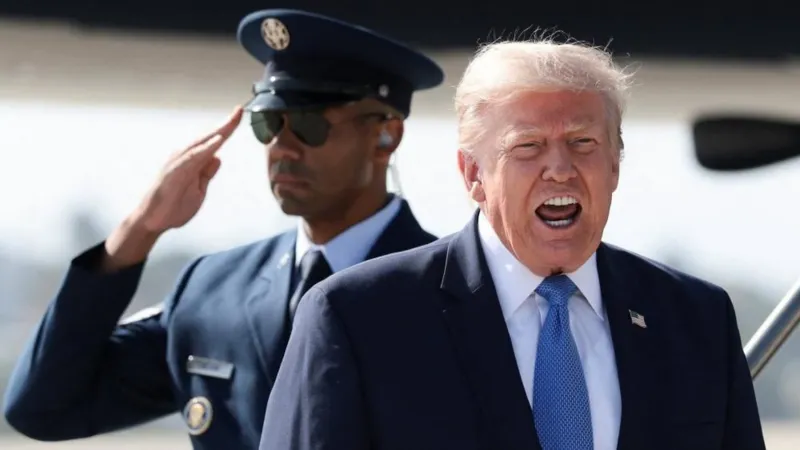
US President Donald Trump has warned Iran that it will be “hit very hard” if the Strait of Hormuz is not reopened soon, as diplomatic efforts intensify to restore commercial shipping through one of the world’s most important energy routes.
Trump’s comments came as oil prices fell sharply following signs that negotiations between Washington and Tehran may be making progress. Investors reacted positively to suggestions that restrictions on shipping could soon be eased, helping reduce fears of a major disruption to global energy supplies.
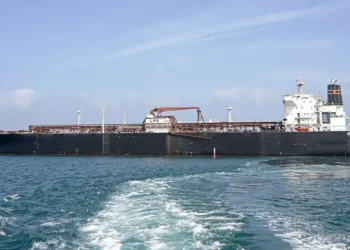
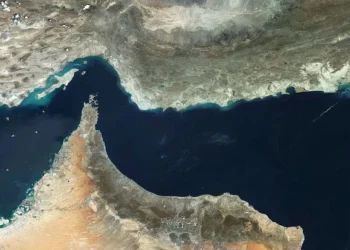
The Strait of Hormuz, a narrow waterway between Iran and Oman, has become the centre of tensions during the ongoing conflict. The route is responsible for transporting a significant share of the world’s oil and liquefied natural gas supplies, meaning any prolonged disruption could have major consequences for fuel prices, inflation and global markets.3

Speaking to Fox News during a visit to California, Trump said he believed the Strait of Hormuz would reopen “very soon” but warned Iran would face serious consequences if it failed to allow shipping activity to resume.
“We’re having very good discussions,” Trump said, claiming Iran was interested in reaching an agreement to end months of conflict.
The US president has previously warned Tehran that continued restrictions on the waterway could trigger further military action.
His latest comments came after senior US officials suggested progress had been made in diplomatic discussions involving Iran and regional mediators.
However, despite optimistic statements from Washington, Iran has denied holding direct negotiations with the United States.
Financial markets responded positively to signs that a diplomatic breakthrough could be possible.
Brent crude, the international benchmark for oil prices, dropped by almost 5% on Tuesday, falling below $80 a barrel.
Prices continued to decline in Asian trading on Wednesday, dropping by around 0.7%.
US West Texas Intermediate crude also recorded significant losses, falling more than 5% to around $76 a barrel.
The decline reflected investor expectations that a reopening of the Strait could reduce pressure on global oil supplies.
However, analysts warned that the market remains highly sensitive because previous attempts to ease tensions have failed.
The Strait of Hormuz has long been considered one of the world’s most strategically important shipping routes.
Before the conflict began in late February, around one-fifth of global daily oil and liquefied natural gas supplies passed through the waterway.
Any disruption immediately raises concerns among governments, energy companies and financial markets because alternative routes are limited and often more expensive.
Since tensions escalated, Iran has restricted much of the traffic passing through the strait, while the United States has imposed naval measures targeting Iranian ports.
The situation has created uncertainty for shipping companies and increased insurance costs for vessels operating in the region.
US Secretary of State Marco Rubio said discussions had moved forward but cautioned that no final agreement had been reached.
“There has been progress made in those talks, but not finality yet,” Rubio told reporters.
He said Washington hoped an arrangement could be reached shortly to allow more ships to pass through the waterway.
Treasury Secretary Scott Bessent also suggested that a deal could potentially be reached within days.
Speaking to CNBC, Bessent said there was a possibility of an agreement that would allow the Strait of Hormuz to reopen and move towards a more normal situation.
He described the potential arrangement as involving freedom of movement for commercial vessels.
However, officials have not released details about what conditions any agreement would include.
While US officials have described negotiations as progressing, Tehran has maintained that it is not negotiating directly with Washington.
Iranian officials said discussions were taking place with Oman, which has historically played a role as a mediator between Iran and Western governments.
Iran’s foreign ministry said talks with Oman regarding a new mechanism for ships travelling through the Strait had been positive.
Qatar has also been involved in diplomatic efforts, saying it continues working with international partners to encourage a peaceful resolution.
However, Qatari officials acknowledged that no direct talks between the United States and Iran were currently scheduled.
The diplomatic efforts are taking place alongside continued military tensions.
Reports suggest that the United States has used a significant portion of its global stockpile of long-range precision missiles during the conflict.
Sources familiar with the situation told US media that American forces have consumed almost all available supplies of certain weapons systems.
The reports have raised questions about the sustainability of continued military operations and whether weapons shortages could influence future decisions.
The issue has added another layer of complexity to negotiations between Washington and Tehran.
The Strait of Hormuz is not the only major shipping route affected by the conflict.
Iran-backed Houthi forces in Yemen have also disrupted shipping routes through the Red Sea, creating additional risks for international trade.
Since Iran restricted traffic through Hormuz, some vessels have attempted to use alternative routes.
However, these alternatives have become increasingly dangerous following attacks on commercial ships.
A recent projectile strike near Yemeni waters sank an Indian-flagged vessel, although all 14 people on board were rescued.
Shipping analysts say the threat to vessels carrying energy supplies is currently among the most serious seen since the conflict began.
The instability has already affected fuel prices around the world.
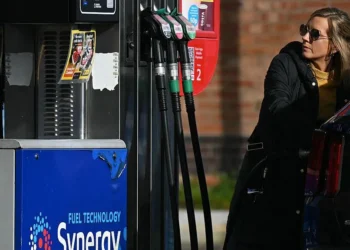
In the United Kingdom, petrol prices have returned to levels seen at the beginning of the conflict, with the average cost reaching around £1.60 per litre, according to motoring organisations.
In the United States, average gasoline prices have risen above $4 per gallon, while diesel prices have climbed significantly higher.
Consumers are ultimately affected because higher energy costs increase transportation expenses and can contribute to broader inflation.
The energy disruption has contributed to strong financial results for major oil companies.
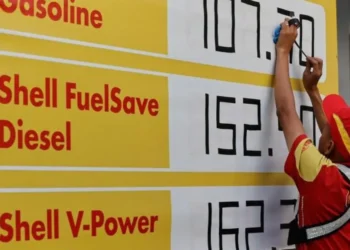
Companies including BP, Shell, Chevron and ExxonMobil have reported significant profits as energy prices increased.
However, analysts say oil companies remain vulnerable to political decisions and changing market conditions.
Financial experts warned that despite record revenues, the industry remains exposed to uncertainty caused by geopolitical developments.
Although markets reacted positively to signs of progress, investors remain cautious.
Financial analysts say previous moments of optimism during the conflict have often been followed by renewed tensions.
Danni Hewson, head of financial analysis at AJ Bell, said investors understand how fragile diplomatic efforts can be.

Markets are therefore watching closely for concrete evidence of an agreement rather than relying solely on political statements.
Donald Trump’s warning that Iran will face severe consequences if the Strait of Hormuz does not reopen reflects the growing pressure surrounding one of the world’s most important energy routes.
While diplomatic discussions have raised hopes of easing tensions and reducing oil prices, uncertainty remains high.
Iran continues to deny direct negotiations with Washington, military tensions remain active and global markets are closely monitoring every development.
The future of the Strait of Hormuz could determine not only the direction of the conflict but also the stability of global energy markets in the months ahead.
Related News:
 US Unveils Fresh Tariffs on Global Trading Partners
 Gulf Oil Shock Sends Global Economic Ripples
 Iran Rejects Ceasefire, Warns Trump With Chilling Message
 US Awaits Iran Reply on New Ceasefire Proposal
 Trump Approves $700m Coal Industry Investment
 US Eyes Frozen Iran Funds for Shipping Damage
 Trump Administration Probe of Fed’s Powell Draws Pushback
 Trump’s tariff strategy collapse sows global chaos and confusion
 G7 to Hold Emergency Oil Talks as Markets Plunge
 Oil Price Jumps Despite Deal to Release Record Amount of Reserves
 Trump Faces New Warning Signs as Iran War Hits Home
 India’s High-Growth Economy Braces for a Middle East Oil Shock
 Oil Markets Surge as Investors Await Trump’s Final Iran Ultimatum
 Global Oil Markets Volatile After Trump’s Profane Threat to Iran
 The ‘Relief Rally’: Global Markets Surge as Oil Prices Tank on 14-Day Truce
 The Horns of Dilemma: Why the 2026 Iran War Ignited and Where It Goes Next
 Tectonic Tension: Trump Blasts NATO Costs as Rutte Admits to ‘Very Frank’ Exchange
 Midnight Fire: Israel and Hezbollah Exchange Strikes as Trump Lashes Out at Tehran
 Crude Surge: Oil Hits Four-Year High as Trump Weighs “New Options” for Iran
 “The Art of the Withdrawal”: Trump Targets Germany Troops as Iran Row Boils Over
 Spirit Airlines shuts down after 34 years amid crisis
 Trump approval plunges amid Iran war fears
 Trump Threatens UN Budget Cuts as US Pushes ‘Trade Over Aid’ Agenda
 Hormuz Talks Near Critical Stage
 Reeves Fights to Keep Treasury Role Amid Labour Turmoil
 Republicans Defy Trump on Ukraine Aid Bill
 Global Stock Markets Slide Amid Tech Sell-Off and Middle East Tensions
 Why Some African Nations Are Rejecting Trump Aid
 Trump’s New Vision for 250 Years of US Expansion
 Europe Weighs Hormuz Navigation Fee Plan
 Trump Refuses to Sign Housing Bill, But Law Takes Effect
 US-Iran Exchange Fire as Hormuz Tensions Escalate
 China’s Economic Growth Slows, Missing Official Target
 AI Jitters Send Chip Stocks Tumbling in US and Asia
 US Borrowing Costs Hit 19-Year High as Federal Reserve Holds Interest Rates Steady
 Canada Passes Carney’s First Budget in Tight Parliamentary Vote
 Russia losses Ukraine war peace talks intensify amid rising deaths
 Trump Escalates Minnesota Immigration Surge Amid Rising Tensions
 Trump Threatens Strong Action If Iran Executes Protesters
 EU Says US Ties Have Suffered ‘Big Blow’ After Greenland Crisis
 Fears of New Arms Race as US-Russia Nuclear Weapons Treaty Expires
 Live Markets Bet on Spring Rate Cut as Inflation Falls
 Bill Gates ‘Took Responsibility’ Over Epstein Ties in Staff Meeting, Foundation Says
 American Citizen Killed in Cuba Boat Shooting, U.S. Officials Say
 Trump Faces Questions Over Iran Conflict Plan
 Pete Hegseth Iran War Remarks Spark Alarm
 Iran War Puts Trump at Political Risk Amid Rising Prices
 US Launches Probe into Trading Partners Including EU, China, and India
 Trump’s Confidence Undimmed — But Every Iran Option Carries Risk
 Sri Lanka Sets Weekly Shutdown to Save Fuel
 Philippines energy emergency sparks coal power surge
 Can Congress Stop US Sports Teams From Moving Cities?
 British Businesses Braced as National Living Wage Hits £12.71 Published: 1 April 2026
 Hungary Claims Plot to Target Gas Pipeline Pre-Vote
 Oil and Diplomacy: Russian Refineries Burn as Zelenskyy Secures Middle East Shield
 “A Perfect Storm”: UK Small Businesses Face Doubling Energy Bills as Iran War Rattles Markets
 Asian Powers Secure Energy Lifelines as Trump’s Hormuz Deadline Looms
 The Great Chokehold: Why the Strait of Hormuz is the Epicenter of the 2026 Crisis
 The Prediction Prohibition: White House Staff Barred from Betting on Political Markets
 Relief at the Pump: Irish PM Unveils €505m Package to Stem Fuel Crisis
 Diplomatic Deadlock: Lebanon Enters High-Stakes Border Talks with ‘No Cards to Play’
 The Fog of War and the Ticker Tape: Suspicious Trades Rile Washington
 Brinkmanship in Islamabad: Tehran Vows ‘New Battlefield Cards’ as Ceasefire Wanes
 Red Lines in Ottawa: PM Carney Insists US “Won’t Dictate Terms” of Trade Review
 “Industrial-Scale Extraction”: White House Memo Accuses China of Mass AI Theft
 Return of the “Skiffs”: Threat Level Raised as Somali Pirates Seize Second Vessel in a Week
 Southeast Asia Turns to Russia Amid Energy Crisis
 Capitalism ‘Suicidal’, Warns Petro at Climate Summit
 US Court Restores Abortion Pill Access Temporarily
 “The Iron Chancellor of the North”: Andy Burnham’s High-Stakes U-Turn to Prevent a Truss-Style Gilt Market Meltdown
 Zelensky Invites Putin to Direct Peace Talks
 Israel Strikes Iran After Missile Attack
 Trump Reportedly Earned More Than $1 Billion from Cryptocurrency Ventures in First Year Back in Office
 Severn Trent CEO Reward Package Doubled Despite Public Anger
 Bangladesh Balances China Ties as India Relations Improve
 Trump Helps Clear Balogun for Belgium World Cup Clash
 EasyJet Agrees in Principle to £5.2bn Takeover Deal
 Trump’s Major Recruitment Drive Targets Border Patrol Growth
 Trump Hosts Zelensky and Netanyahu as Ukraine and Iran Conflicts Shape Global Agenda
 Shell’s Profits More Than Double as Higher Oil and Gas Prices Boost Energy Giant