Published: 06 July 2026. The English Chronicle Desk. The English Chronicle Online.
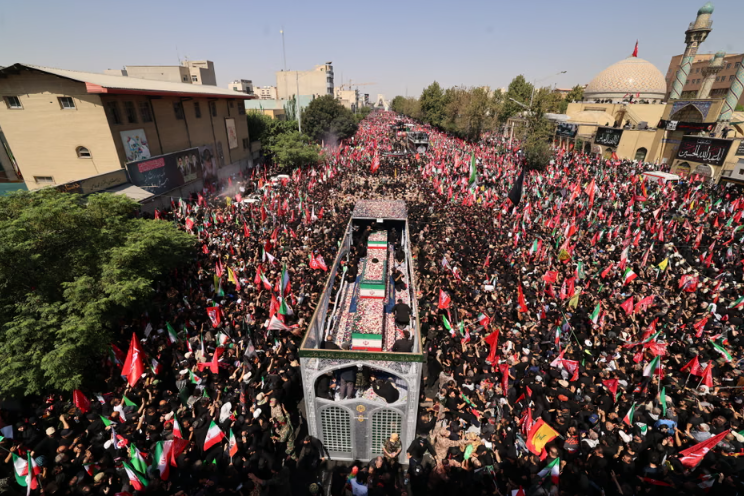
Millions of Iranians gathered in Tehran today to participate in the funeral procession for Ayatollah Ali Khamenei. The massive assembly marked a significant point in the national mourning period that began earlier this past weekend. A solemn convoy carried the flag-draped coffins of the former leader and his family members through the capital city. These individuals were tragically killed during a targeted airstrike by Israeli and United States forces last February. The long journey concluded at Mehrabad International Airport, serving as a final public tribute to the late supreme leader.
The scale of the march represents an extraordinary transformation for a country that previously faced intense social upheaval. Only seven months ago, streets were filled with protesters demanding significant political and social changes throughout the nation. Many observers now suggest this assembly highlights a sudden shift toward unity amid the ongoing conflict with external powers. Supporters view the gathering as a powerful response to the war launched against Iran earlier this year by Donald Trump.
The mourners moved slowly from Revolution Square toward Azadi Square while wearing traditional black attire to symbolize their deep grief. Many participants carried national flags alongside banners featuring slogans of resistance and resilience against perceived foreign aggression. Others held high portraits of the late leader, creating a sea of imagery that stretched across the major thoroughfares of Tehran. The public transit system struggled to manage the overwhelming volume of citizens who sought to join the historic procession today.
Throughout the event, crowds chanted emotive slogans expressing their sorrow and their commitment to the path defined by their former leader. Mourners often referred to the late Ayatollah as a martyr who was taken from them by foreign military intervention. Some messages chalked on staging areas and banners explicitly called for retaliation against those responsible for the fatal airstrikes in February. These displays of intense personal grief and political anger characterized the mood of the massive crowds throughout the day.
Despite the large numbers, state authorities and volunteer organizations managed the logistics with surprising efficiency compared to previous high-profile events. Reports indicate that the organizers successfully provided food and temporary housing for the thousands of citizens traveling from other provinces to attend. This level of coordination aimed to project a sense of national cohesion during a period of extreme vulnerability for the Islamic Republic. Officials were eager to avoid the chaotic incidents that have unfortunately marred similar state funerals in decades past.
The current Iranian leadership remained a focal point of public attention, although the new supreme leader was notably absent from the public proceedings. Mojtaba Khamenei, who was appointed as his father’s successor shortly after the February attack, did not appear before the waiting crowds during the procession. Some sources suggest he remains in a secure location due to ongoing concerns regarding his personal safety following the previous strike. His brothers, however, were seen participating in the ceremonies and praying behind the coffins of their family members during the weekend rites.
President Masoud Pezeshkian praised the collective behavior of the people and emphasized the global significance of such a massive, unified presence. He argued that the genuine tears of the mourners effectively countered claims from international critics who dismissed the event as a manufactured display. The president described the gathering not as a mere farewell, but as a firm commitment to continue the established ideological trajectory of the state. He strongly accused Israel of committing severe crimes against the region with the full backing of various Western nations.
More than three hundred foreign journalists secured rare visas to document this pivotal moment in the history of the Middle East. These reporters observed the display of public support as the leadership attempts to navigate a difficult transition during an active and destructive war. The procession is scheduled to continue until Thursday, when the final burial will take place at the Imam Reza shrine in Mashhad. This site, the birthplace of the late leader, will serve as the final resting place for the family members lost in the conflict.
The international community continues to watch these developments closely as the regional crisis shows little sign of immediate resolution or diplomatic cooling. Negotiations remain stalled while both sides trade accusations and maintain their respective military stances across the volatile landscape of the region. As the funeral events conclude this week, the long-term impact of this mourning period on Iran’s internal stability and foreign policy remains highly uncertain. The eyes of the world stay fixed on Tehran, waiting to see how this transition unfolds in the coming months.
Related News:
 Global order shifts amid Trump-era turmoil
 Middle East Crisis Escalates as Oil Routes Shake Markets
 Tensions Emerge in Netanyahu-Trump Alliance
 Former ICC prosecutor condemns US sanctions
 Iran Prepares for Massive Six-Day Funeral for Khamenei
 Houthis Strike Saudi Arabia as Middle East Tensions Rise
 Mandelson apologises over Epstein ties after public scrutiny
 Trump Calls Greenland Critical for US Security After Denmark Talks
 Trump: Iran Killing Has Stopped, Strike Threats Pulled Back
 Iran unrest slows under brutal crackdown and global tensions
 Trump Allies Pursue $200m European Gas Pipeline Deal
 Starmer Challenges US Over Controversial Greenland Deal
 Spoof “Make America Go Away” Caps Rally Denmark Over Greenland
 UK Presses On With Chagos Handover Despite Trump Criticism
 Kim Jong-un Fires Vice-Premier Over Factory Failures
 Starmer Resists Matching Trump Amid Greenland Tensions
 Netanyahu Accepts Trump’s ‘Board of Peace’ Invitation
 Snow Threatens Japan Election Turnout Amid Extreme Cold
 Keir Starmer meets Xi to strengthen UK-China economic relations
 Thousands Protest ICE Operations in Nationwide US Day of Action
 Epstein Files Reveal Trump Officials’ Emails with Financier
 Thousands Protest ICE in New York Against Trump Deportation Campaign
 Trump-Petro Meeting Sparks Hopes of Diplomatic Detente
 Epstein UAE Emails Shake British Royal Andrew’s Legacy
 Liberal Fallout: Taylor Challenge Casts Shadow Over Sussan Ley’s Leadership
 Ukraine, Russia Meet in Geneva Ahead of War Anniversary
 Tommy Robinson Meets Trump Officials at US State Department
 Ukraine war briefing: Zelenskyy offers help to Saudi Crown prince on combatting Iranian drones
 Mojtaba Khamenei Chosen as Iran’s New Supreme Leader
 Tehran Oil Depot Strikes Darken City With Toxic Smoke
 Mojtaba Khamenei Supporters Rally as Iranians Fear Repression
 New Zealand Covid Response Praised Despite Lingering Scars
 Iran Defiance Grows Amid US-Israel War Pressure
 Hormuz Crisis Sparks Global Oil Market Fears
 Injured Mojtaba Khamenei Elevated as Iran Leader
 Starmer Praised for Stance on Trump and Iran Conflict
 Yvette Cooper: UK Must Follow Principles, Not US Pressure
 UK Ministers Signal Strategic Independence From Trump Demands
 Diplomacy on the Brink: Pakistan’s Risky Peace Mission
 Big Tech Faces Investigation Over Australia’s Social Media Ban
 Farage Shuns Truss as US Right-Wing Roadshow Hits London
 Trump Slams Europe as Transatlantic Tensions Boil Over
 High-Value Target: Iranian Strike Destroys US Radar Plane
 A Global Voice For Justice: Stephen Lewis Dies At Age 88
 Trump Issues Stark Warning After Strike On Iran’s Largest Bridge
 The Price of Hubris: Trump, Netanyahu, and the ‘Easy’ War
 Final Countdown as Trump Deadline Looms Over Tehran
 Reform UK Pledges To Halt Visas Over Reparations Demands
 Israel Defies Ceasefire as Lebanon Operations Persist
 Pakistan Brokers Historic Peace Deal Amid Rising Tensions
 Islamabad Hosts Historic Peace Talks Between Iran and USA
 Iran Crisis Tests Trump’s Global Leadership
 Trump Signals Hope for New Iran Talks as Ceasefire Fades
 GOP Senator Criticizes Trump’s Feud With Pope Leo XIV
 Global Oil Prices Surge Amid Renewed Gulf Tensions
 Faith and Power: Catholics React to Trump-Pope Feud
 Investigation Into Anti-Trump Motives After Gala Shooting
 Security Scrutiny After Washington Shooting Incident
 UK Envoy Sparks Controversy Over Special Relationship Claims
 US Calls Australia Media Law “Foreign Extortion”
 Oil Prices Surge Above $120 Amid Iran Blockade Fears
 Trump orders US troop pullout from Germany
 Activists allege abuse after Gaza flotilla seizure
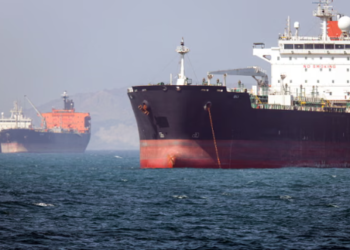 Saudi Arabia Blocks Trump’s Naval Plan for Hormuz Strait
 One Nation Candidate’s Surprising Ties to Independents
 Anika Wells Repays Over £5,000 in Travel Claims
 Plea for Mercy: The Battle to Bring Ahmed al-Doush Home
 Tony Abbott Returns as New Liberal Party President
 Tulsi Gabbard exits after turbulent intelligence tenure
 UK Urged to Build EU Rejoin Consensus, Says Miliband
 Discontent grows around Putin amid war strain
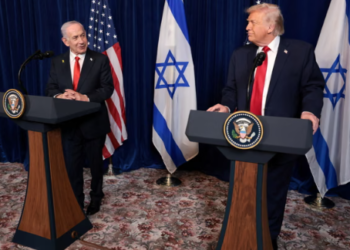 Trump and Netanyahu Clash Over Crucial US and Iran Peace Deal
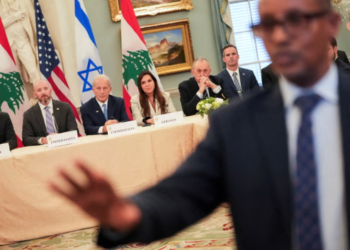 Washington Brokerage Sparking Hope Amid Regional Firestorms
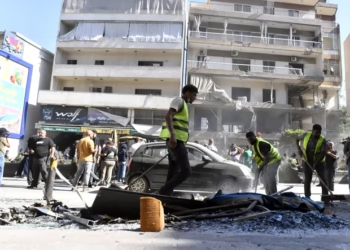 US and Iran Agree Historic Framework to End 15-Week War
 Trump Signs Landmark Iran Accord in Versailles
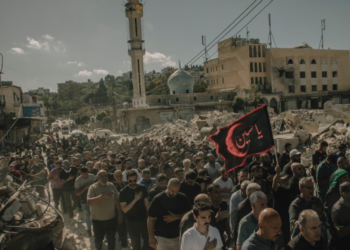 Grief and Devotion Amidst the Rubble of Nabatieh
 Trump’s Mount Rushmore Speech: A Divisive Anniversary
 Israeli Officer Investigated for Car Grenade Attack
 Trump Swaps Planes Amid Iran Tensions
 Yemen Accuses Iran of Violating National Sovereignty