Published: 15 July 2026 | The English Chronicle Desk | The English Chronicle Online
China’s economy has recorded a sharper-than-expected slowdown, missing the government’s official growth target and reinforcing concerns over the country’s post-pandemic recovery, weakening domestic demand and mounting global trade pressures.
The latest economic figures paint a mixed picture of the world’s second-largest economy. While manufacturing and exports continue to provide some support, sluggish consumer spending, persistent problems in the property sector and softer business investment have weighed heavily on overall growth. Economists say the weaker-than-expected performance highlights the challenges facing Beijing as it attempts to balance economic stimulus with financial stability.
The slowdown comes at a time when Chinese policymakers are under increasing pressure to revive confidence among households, businesses and foreign investors. Analysts believe the latest figures could prompt fresh measures aimed at boosting consumption, supporting struggling industries and maintaining employment.

According to official data, gross domestic product (GDP) expanded at a pace below the government’s annual target, disappointing financial markets that had expected stronger momentum following a series of policy interventions introduced earlier in the year.
Although China remains one of the fastest-growing major economies globally, the latest results suggest that structural challenges continue to limit the pace of recovery.
Domestic consumption, traditionally viewed as a key engine of sustainable economic growth, has remained weaker than anticipated. Many households continue to save rather than spend, reflecting uncertainty over employment prospects, income growth and the broader economic outlook.
Retail sales have shown only modest improvements, with discretionary spending remaining subdued across several sectors. Restaurants, tourism and entertainment have experienced periods of recovery, but these gains have not been sufficient to offset weakness in other parts of the consumer economy.
The property market remains one of the most significant drags on economic activity.
For decades, real estate played a central role in China’s rapid economic expansion, driving construction, local government revenues and household wealth. However, financial difficulties affecting major developers, falling home sales and declining property prices have continued to undermine confidence.
Many developers remain burdened by high debt levels, while prospective homebuyers have become increasingly cautious amid concerns over unfinished projects and uncertain market conditions.
The government’s efforts to stabilise the housing sector have included easing mortgage rules, lowering borrowing costs and providing targeted financial support. Nevertheless, economists say restoring confidence will likely require sustained policy action over an extended period.
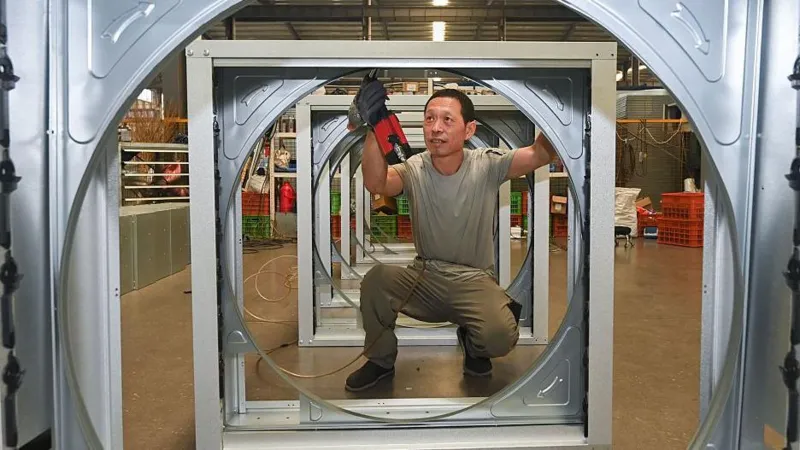
Manufacturing has presented a more mixed picture.
China continues to benefit from its position as one of the world’s leading industrial producers, particularly in sectors such as electric vehicles, batteries, renewable energy technologies and advanced manufacturing.
However, weaker global demand, ongoing geopolitical tensions and trade restrictions imposed by several Western countries have created additional headwinds for exporters.
Trade relations with the United States and parts of Europe remain an important source of uncertainty.
Tariffs, export controls and restrictions on advanced technology have complicated supply chains while encouraging multinational companies to diversify production into other countries.
Despite these pressures, Chinese exports have remained relatively resilient in several high-value manufacturing sectors.
Business investment has also slowed.
Private companies continue to face cautious market conditions, while uncertainty surrounding regulatory policies has affected investment decisions in some industries.
Although state-backed infrastructure spending has helped support economic activity, analysts argue that stronger private-sector confidence will be necessary to sustain long-term growth.
Employment remains another area receiving close attention from policymakers.
Youth unemployment has become a particular concern in recent years as university graduates enter an increasingly competitive labour market.
Authorities have introduced programmes designed to encourage hiring, support entrepreneurship and create opportunities in emerging industries, including artificial intelligence, green technology and advanced manufacturing.
Financial markets reacted cautiously to the latest economic data.
Investors are now assessing whether Beijing will introduce additional fiscal stimulus or further monetary easing through interest rate reductions and increased lending support.
Many economists expect policymakers to announce targeted measures rather than broad-based stimulus, reflecting concerns about rising debt levels among local governments and state-owned enterprises.
International organisations have repeatedly highlighted the importance of China’s economic performance to the global economy.
As one of the world’s largest trading nations, changes in Chinese growth influence commodity prices, manufacturing supply chains and international financial markets.
Slower growth in China can reduce demand for raw materials from resource-exporting countries while affecting multinational companies that rely heavily on Chinese consumers.
Climate-related investment remains one of the brighter areas of the economy.
China continues to lead globally in renewable energy deployment, electric vehicle production and battery manufacturing.
These industries have attracted substantial investment and are expected to remain central to Beijing’s long-term economic strategy.
At the same time, the government faces the challenge of balancing economic expansion with environmental goals, financial stability and technological self-sufficiency.
President Xi Jinping has repeatedly emphasised the importance of achieving “high-quality development” rather than pursuing rapid growth at any cost.
That approach prioritises innovation, productivity improvements and industrial upgrading while seeking to reduce financial risks and improve long-term sustainability.
Some economists argue that slower growth reflects China’s transition from an investment-driven economy to one increasingly centred on technology, services and domestic consumption.
Others caution that deeper structural reforms may be necessary to address declining productivity, demographic changes and growing debt burdens.
Global financial institutions have revised some of their forecasts for China’s economy following the latest data, though many still expect the country to remain a major contributor to worldwide economic growth over the coming years.

Whether Beijing introduces further policy support is likely to become clearer during upcoming government meetings, where senior officials are expected to review economic conditions and consider additional measures aimed at strengthening confidence.
For businesses, investors and trading partners around the world, China’s economic trajectory remains closely watched.
A sustained recovery would provide support for global trade and investment, while continued weakness could weigh on international growth prospects.
Although the latest figures indicate that China has fallen short of its official economic target, policymakers retain a wide range of fiscal and monetary tools to stimulate activity if necessary.
The coming months will therefore be critical in determining whether the world’s second-largest economy can regain momentum or whether structural challenges continue to restrain growth despite ongoing government intervention.
Related News:
 China Sets Lowest Economic Growth Target Since 1991
 Stock Markets and Oil Prices Still Volatile Over Fears Iran War May Drag On
 Gulf Oil Shock Sends Global Economic Ripples
 UK Wage Growth Slows as Jobs Market Holds Firm
 US Awaits Iran Reply on New Ceasefire Proposal
 “The Iron Chancellor of the North”: Andy Burnham’s High-Stakes U-Turn to Prevent a Truss-Style Gilt Market Meltdown
 “A Fragile Lull”: UK Inflation Dips to 2.8% Amid Warnings of a Renewed Climb
 Reeves Fights to Keep Treasury Role Amid Labour Turmoil
 Banks Accused of Steering Customers Away From Basic Accounts
 Live Markets Bet on Spring Rate Cut as Inflation Falls
 City Bets on Rate Cuts as Unemployment Soars
 Japan Braces as Takaichi Begins New Term with Huge Mandate for Low‑Tax, Ultra‑Conservative Agenda
 US and Indonesia Finalise Deal to Cut Tariffs to 19%
 US Trade Deficit Hits Fresh High Despite Trump’s Tariffs
 Trump Announces Global Tariffs to Rise to 15%
 Ukraine war briefing: Russia exporting more oil now than before war despite sanctions – report
 Trump’s tariff strategy collapse sows global chaos and confusion
 German Chancellor Lands in Beijing for Inaugural China Trip
 Why Asian Firms Are Not Cheering Trump Tariff Ruling
 Why Asian Firms Are Not Cheering Trump Tariff Ruling
 The Little Town Making Nearly All of China’s Lanterns
 Global markets face turmoil as Hormuz crisis deepens
 Could Trump Threaten London’s £50bn Insurance Giant?
 Fuel and Remittances: How Iran Conflict Hits India At Home
 G7 to Hold Emergency Oil Talks as Markets Plunge
 Iran War Costs to Be Passed to Consumers, Shipping Boss Warns
 Fuel Price Rise Makes Profit ‘Tricky’ for Taxis
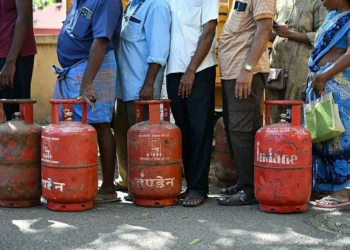 The Situation Is Dire: War on Iran Squeezes India’s Cooking‑Gas Supplies
 Oil Price Jumps Despite Deal to Release Record Amount of Reserves
 Wealthy Britons Flee Gulf War but Avoid UK Taxes
 UniCredit’s Bold Move to Reshape European Banking
 Close Brothers to Axe 600 Jobs in £85m Cuts
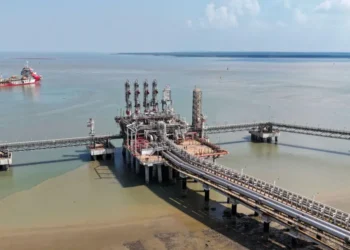 Gas on the Line: Will the Iran War Squeeze India’s Piped Gas Next?
 Australia Halves Fuel Tax and Offers Free Transport Amid Crisis
 The Bitter Aftertaste: Iran War Threatens to Spike Prices for Indian Beer and Bottled Water
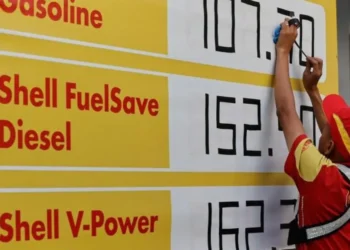 Oil Markets Surge as Investors Await Trump’s Final Iran Ultimatum
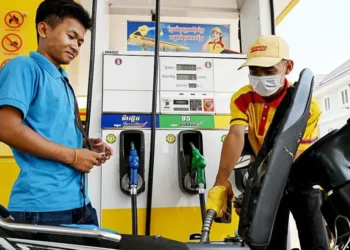 Global Oil Markets Volatile After Trump’s Profane Threat to Iran
 The Crown Jewel Sparkles: UK City Firms Report Historic Turnaround
 The ‘Relief Rally’: Global Markets Surge as Oil Prices Tank on 14-Day Truce
 ‘No Gas, No Food’: LPG Shortage Triggers Reverse Migration in Indian Metros
 The Vance Verdict: How the Vice President Navigated the Islamabad “Pressure Cooker”
 The Blockade Gambit: Trump’s High-Stakes Threat Leaves Middle East Predicaments Unchanged
 Southeast Asia Turns to Russia Amid Energy Crisis
 Albanese Rejects Gas Export Tax Push
 $13bn World Cup Set to Break All Revenue Records
 BBC News Faces Deep Cuts in 2,000 Job Plan
 Spirit Airlines shuts down after 34 years amid crisis
 New UK advice scheme to boost savings and investing
 “Human-Machine Coordination”: Robots Deployed as Death Toll in Liuyang Factory Blast Rises to 26
 “A Severe Disconnect”: Starbucks Korea Sacks CEO After ‘Nasty’ Tank Day Promotion Sparks National Outrage
 “The Balancing Act”: Navigating the Uncertain Future of UK Interest Rates
 Hormuz Talks Near Critical Stage
 UK Pushes for New EU Goods Trade Deal
 China mine blast death toll rises to 90
 UK rejects EV charging VAT cut amid Treasury clash
 Discontent grows around Putin amid war strain
 Xi Jinping to Make Rare North Korea Visit
 Can Ordinary Investors Buy SpaceX Shares?
 Asia Prepares for Severe El Niño Threat
 Global Stock Markets Slide Amid Tech Sell-Off and Middle East Tensions
 Severn Trent CEO Reward Package Doubled Despite Public Anger
 Vietnam Intensifies Crackdown on Fake Luxury Trade
 Bangladesh Balances China Ties as India Relations Improve
 EasyJet Agrees in Principle to £5.2bn Takeover Deal
 Europe Weighs Hormuz Navigation Fee Plan
 Weight-Loss Drugs Transform Fashion Shopping Habits
 Labour MPs Urge Burnham to Revive UK Aid Target
 EasyJet Takeover Sparks Fears Over Passengers’ Future
 US-Iran Exchange Fire as Hormuz Tensions Escalate
 Iran War Puts Trump at Political Risk Amid Rising Prices
 Sri Lanka Sets Weekly Shutdown to Save Fuel
 UK Forces Ready to Seize Russian Shadow Fleet Vessels
 Oil and Diplomacy: Russian Refineries Burn as Zelenskyy Secures Middle East Shield
 Asian Powers Secure Energy Lifelines as Trump’s Hormuz Deadline Looms
 Electric Shock: Australians Buy Record Number of New EVs as Fuel Crisis Bites
 The Great Chokehold: Why the Strait of Hormuz is the Epicenter of the 2026 Crisis
 The Fog of War and the Ticker Tape: Suspicious Trades Rile Washington
 ‘A Fragile Calm’: Oil Prices Dip as Trump Extends Iran Ceasefire, But Blockade Holds Firm
 High Street Crisis: Fears Grow Over Post Office Closures
 UK Economy Suffers a Sharp Downturn as Iran Conflict Bites