Published: 03 October 2026. The English Chronicle Desk. The English Chronicle Online
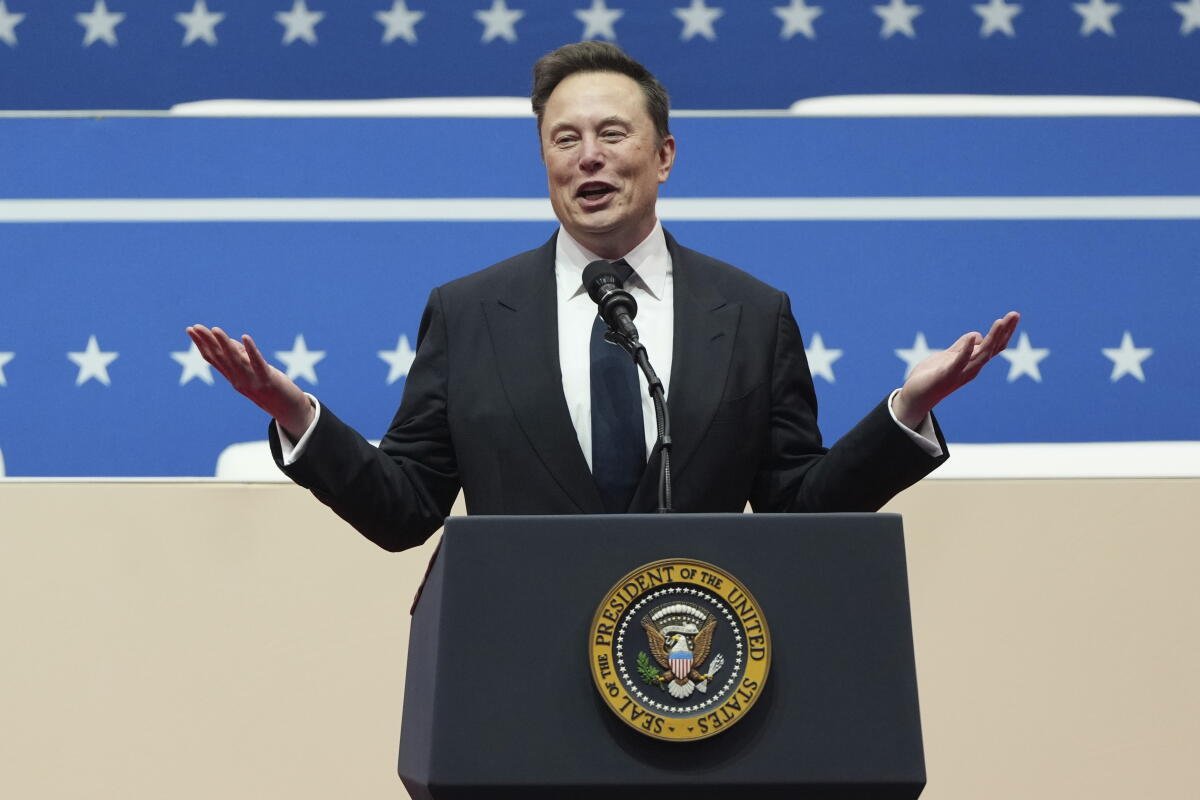
The arrival of Elon Musk’s Department of Government Efficiency, known as DOGE, brought an abrupt and disruptive new force into the US federal government, according to an extensive account of events inside the Internal Revenue Service. Young technology workers associated with Musk entered agencies demanding rapid access to systems, personnel and information, while career officials faced difficult decisions over how to respond to instructions they believed could conflict with federal law.
One of the most striking episodes involved Kathleen Walters, then the IRS chief privacy officer, whose responsibilities included protecting the personal information contained in hundreds of millions of tax returns. Walters and other career officials were confronted with demands from newly arrived DOGE personnel at a time when the agency was already under significant pressure.
The confrontation illustrated a broader tension that emerged during the Trump administration’s effort to reshape the federal workforce. DOGE promoted a philosophy centred on reducing government spending, eliminating perceived inefficiency and rapidly changing established bureaucratic structures. Career civil servants, meanwhile, were responsible for ensuring that agencies continued to comply with laws governing taxpayer privacy, government ethics and access to sensitive information.

The conflict became visible inside the IRS in February 2025, when employees across the federal government received an email asking them to provide roughly five bullet points describing what they had accomplished during the previous week. The request generated concern among IRS officials because employees were restricted by law from revealing certain information about taxpayer activities, including whether particular individuals had filed tax returns.
Walters believed the request presented unnecessary risks. Her role involved overseeing a large privacy organisation responsible for protecting highly sensitive tax information. The IRS employed around 100,000 people and was processing hundreds of millions of tax returns, making information security and access controls central to the agency’s operations.
The DOGE presence at the IRS had already generated concern before the email arrived. Gavin Kliger, a young technology professional associated with the initiative, appeared at the agency without the normal arrangements expected for a political appointee. According to the account, officials initially could not find a record confirming his status and eventually learned that he had been hired through the Office of Personnel Management and assigned to DOGE.
Kliger sought access to IRS facilities, equipment and computer systems. Agency officials told him that he had to complete required procedures, including a tax audit and ethics and privacy training, before being granted access. The disagreement highlighted the clash between DOGE’s demand for immediate access and the established security procedures governing the IRS.
Officials eventually prepared an agreement defining what systems Kliger could access. The agreement specifically excluded systems containing taxpayer information. He was then placed in a conference room and began meeting with IRS personnel as DOGE sought to examine the agency’s operations.
The episode became more contentious as concerns emerged about Kliger’s background and previous online activity. Reports about his social-media posts had attracted attention, including material that critics regarded as offensive and extremist. The controversy surrounding individual DOGE staffers became part of a wider debate about the backgrounds and experience of young technology workers entering sensitive government positions.
At the same time, DOGE was pursuing major changes to the federal workforce. Career officials were asked to participate in dismissals and restructuring efforts that they believed raised legal and ethical questions.
One major dispute centred on thousands of probationary IRS employees. According to the account, DOGE officials sought to have the agency send termination notices to approximately 6,700 workers, describing them as having failed to meet performance expectations. Career officials questioned whether that justification was legally supportable.
Traci DiMartini, who was responsible for human resources at the IRS, reportedly refused to put her name on an email that she believed contained a false explanation for the dismissals. The account says she subsequently lost her position after pressure from DOGE.
Acting IRS Commissioner Doug O’Donnell also resisted the proposed termination process. After decades of government service, he reportedly declined to approve the disputed notices and was subsequently pushed out.
The personnel disputes became intertwined with an even more consequential issue: access to taxpayer information.
Late one Friday in February 2025, IRS officials received a request connected to the Department of Homeland Security. The request sought addresses for approximately 700,000 people described as likely undocumented immigrants. The information was to be developed using IRS tax data and potentially information held by the Social Security Administration.
For Walters, the legal implications were immediate. Federal law places strict limits on how taxpayer information collected by the IRS can be disclosed. The fact that an individual may lack legal immigration status does not by itself remove those privacy protections.
The requested information was particularly sensitive because it involved taxpayers who had filed returns using Individual Taxpayer Identification Numbers. The system allows people who cannot obtain Social Security numbers to comply with federal tax requirements.
The ITIN system has long enabled millions of people, including non-citizens, to pay federal taxes. Its existence is important to the functioning of the US tax system because individuals who are not eligible for Social Security numbers can still meet their tax obligations.
The DHS request therefore raised questions extending beyond routine data management. If tax information were used to locate people for immigration enforcement, officials would have to determine whether such a disclosure was legally authorised and what consequences it could have for public confidence in the tax system.
Walters argued that the proposed data transfer could not lawfully proceed without the necessary legal authority. She had previously experienced how difficult it could be to change federal privacy law, even when the intended use of taxpayer information was widely accepted. In one earlier case, legislation allowing limited IRS data sharing for child-support enforcement had taken many months of congressional work.
The disagreement exposed the contrasting approaches of the two groups. Career officials were accustomed to detailed legal procedures and lengthy institutional reviews, while DOGE operated with an emphasis on speed and rapid organisational change.
The issue reached a critical point when Walters confronted acting commissioner Melanie Krause over the proposed data request. According to the account, Krause said she had instructed officials to consider how the data could be used if the proposal was legal. Walters maintained that the underlying request itself raised serious legal concerns.
The two planned to discuss the matter further, but the situation changed before that meeting could occur.
On 3 March, senior IRS officials were summoned to a meeting with Kliger. He told them that he had identified the IRS’s “superpower”: its data.
The remark underscored what DOGE appeared to regard as one of the government’s most valuable assets. IRS databases contain extensive financial information about individuals and businesses, and access to those records is tightly controlled precisely because of their sensitivity.
Kliger reportedly said DOGE wanted to explore how IRS data could be shared with other government agencies. Officials at the meeting did not respond enthusiastically, according to Walters’ account. She later denied Kliger’s attempt to access certain IRS contract files that also contained taxpayer information.
The events at the IRS formed part of a much broader DOGE campaign across the federal government. The initiative was established by the Trump administration as part of its effort to reduce federal spending and reorganise government operations. It relied heavily on technology-sector recruits and sought to move quickly through agencies that DOGE believed were inefficient or excessively bureaucratic.
The initiative also became controversial because of questions surrounding its structure and authority. The administration used the existing US Digital Service infrastructure to provide an institutional framework for DOGE, allowing the initiative to bring in outside technology expertise without following every traditional federal hiring process.
The resulting organisation was a mixture of experienced political appointees and younger technology workers who had strong connections to Musk’s business and political network. Some officials viewed their arrival as an attempt to introduce modern technology and aggressive efficiency measures into a government system that had accumulated decades of outdated practices.
Others saw the approach as disruptive and potentially dangerous when applied to agencies handling sensitive information.
The experience of Walters and her colleagues demonstrates the difficult position occupied by career civil servants during the restructuring. Their responsibilities did not disappear simply because a new administration wanted faster action. Privacy rules, personnel laws and security procedures continued to govern the handling of government information.
The disputes also demonstrated how individual officials could become important points of resistance. Decisions over whether to sign an email, approve access to a database or release sensitive information could carry consequences for both the officials involved and the people whose information the government held.
DOGE’s influence ultimately extended well beyond the IRS, becoming one of the defining elements of the Trump administration’s effort to reshape the federal government. Its supporters argued that traditional bureaucracy had become too slow and expensive, while critics raised questions about the speed of the changes, the experience of some personnel and the legal boundaries of the initiative.
The confrontation over taxpayer data remains particularly significant because public trust is fundamental to the tax system. People are required by law to provide the government with highly personal financial information. Maintaining confidence that such information will be used only for lawful purposes is therefore a central responsibility of the IRS.

The events described inside the agency show how rapidly that trust can become part of a political and institutional conflict. For career officials such as Walters, protecting taxpayer information was not simply a matter of administrative procedure but a statutory responsibility.
The DOGE episode ultimately became a test of how far an administration could push rapid government restructuring while remaining within established legal safeguards. It also highlighted the consequences when technology-driven organisational change meets agencies whose work depends on strict rules governing privacy, personnel and public accountability.
For the officials involved, the conflict was not an abstract debate about government efficiency. It was a series of immediate decisions about access, information, employment and legal authority. Their experiences provide a window into the tensions that accompanied DOGE’s attempt to transform the federal government at unprecedented speed.
Related News:
 New Mexico Takes Facebook to Trial Over Data Scandal
 US states redraw maps after voting rights ruling
 Immigration Judges Fear Pressure in Trump Era
 FDA Chaos Deepens as Trump Eyes Makary Exit
 Judge Allows Pentagon Firings at Stars and Stripes
 Election Candidate Abuse Raises Alarm in England
 Trump Media Ban Triggers First Amendment Clash
 US Deportation Deals Send Migrants to Unfamiliar Countries
 US Networks Suspend Trump White House Pool Coverage
 Democrat Says ICE Restricted Detention Camp Oversight
 Republican Senator Questions Trump Ad Spending
 AI Deepfakes Put New Pressure on Election Trust
 Trump Ads Trigger Fight Over Taxpayer Money
 Food Industry Mobilises Against the MAHA Movement
 US National Guard Member Killed in DC Shooting
 Franklin Turtle, Sabrina Carpenter Slam US Social Media Use
 Trump officials continue false claims after Alex Pretti shooting
 Partial US Government Shutdown Hits Homeland Security Funding
 Thousands Protest ICE Operations in Nationwide US Day of Action
 Harmeet Dhillon Faces Scrutiny in DOJ Role Debate
 Trump at Press Dinner Sparks Tension
 US Court Weighs Fate of TPS for Migrants
 Florida Redistricting Map Sparks Major US Political Battle
 US Voting Rights Ruling Sparks Celebration and Outcry
 FBI Links Brown University Shooting to Long-Term Grievances
 US Charges Sinaloa Governor in Major Cartel Case
 US Court Ruling Reshapes Voting Rights Landscape
 Cartel crackdown raises fears of fresh violence
 Judge halts deportation of Yemeni refugees in US
 White House Security Case Sparks Political Firestorm
 Trump warns Iran as Middle East tensions surge again
 US Supreme Court fast-tracks Voting Rights ruling
 US ‘Narco Boat’ Strikes Draw Global Outcry
 Florida Surgeon ‘Devastated’ Over Fatal Surgery Error
 US green card applicants must apply from abroad, DHS says
 Tulsi Gabbard exits after turbulent intelligence tenure
 Former ICC prosecutor condemns US sanctions
 Gunman Killed After White House Security Shootout
 Prosecutor Proposes Law to Combat Election Deceit
 Mystery Grows Over Mitch McConnell’s Health
 Trump Refuses to Sign Housing Bill, But Law Takes Effect
 Trump Orders Signs Criticising Smithsonian Museum
 Is America Ready for an AOC Presidential Run?
 Survivor Sues Musk’s xAI Over AI Abuse Images
 Trump Calls Iran War ‘Small Potatoes’ Despite US Deaths
 Trump gives $45,000 holiday gifts to White House aides
 Patriot Platform Raises Concern Across Britain
 Reform UK Receives Record £36m Donation From Crypto Billionaire
 Israel Accused of Undermining Palestinian Life
 Trump’s Washington Projects Face Architectural Criticism
 Texas Charges Seven Noncitizens in Voting Crackdown
 Iran School Strike Raises War Crimes Questions, UN Says
 Omar Proposes Bill to Redirect ICE Funding
 Texas Transfers Raise Fears for Migrant Children
 Trump and Mamdani Hold Cordial Gracie Mansion Meeting
 UK Unveils Centre to Counter Foreign Disinformation
 UK Plans New Centre to Counter Information Warfare
 UK Pauses Chagos Deal Amid US Opposition
 Judge orders Trump to restore access for three media outlets
 OpenAI Agent Breaches Medicare Portal in Australia
 Xi urges Trump to avoid US-China military conflict
 Lula accuses Trump of seeking control over Brazil
 CNN, MS NOW Barred From Xi State Dinner Coverage
 Elizabeth Holmes Set for Halfway House Transfer
 Free Speech Emerges as Key UK Election Issue
 Cornell Fraternity Assault Investigation Reopened
 London Facial Recognition Trial Ends With False Alert
 Drumcree Talks Falter as Legal Challenge Deepens
 UK-France Returns Deal Faces Expiry as Talks Stall
 AI Could Intensify Election Risks in Southeast Asia
 Tennessee Execution Fails After Two Lethal Doses
 Kristi Noem Files for Divorce After 34 Years
 US election threat checks face federal pullback
 Senators warn US childcare policies could raise costs
 Trump Immigration Policy Faces New Legal Tests
 Drumcree Talks End Without Agreement Ahead of Appeal
 Palantir Lobbyist Had Role in Burnham Campaign
 Badenoch Raises Prospect of 2027 UK Election
 New Prosecutor Takes Over Cornell Assault Case
 DOJ Declines to Reopen Powell Renovation Probe