Published: 03 October 2026. The English Chronicle Desk. The English Chronicle Online
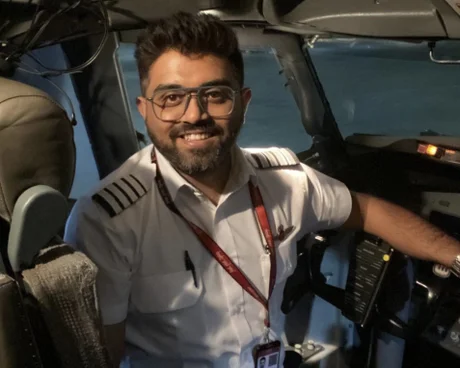
The United Arab Emirates has described the violent incident aboard a Flydubai passenger aircraft bound for Israel as an attempted terrorist act after investigators found that the flight’s co-pilot allegedly attacked the captain inside the cockpit with a crash axe and tried to take control of the aircraft.
The incident occurred on Flydubai flight FZ1073 during its journey from the United Arab Emirates towards Tel Aviv. According to the UAE prosecutor general, the co-pilot began carrying out what investigators believe was a deliberate plan while the aircraft was in flight. He allegedly attacked the captain inside the flight deck and attempted to seize control of the aircraft’s flight controls. The investigation remains active, with authorities examining the circumstances surrounding the incident, the suspect’s motives and whether he had any links to extremist organisations or other individuals.
The revelation has raised serious questions about aviation security, cockpit protection and the procedures used to assess the suitability of pilots before they are permitted to operate commercial passenger flights. It has also brought renewed attention to reports that the co-pilot had previously been prevented from flying in Oman because of concerns about extremist views.

The UAE prosecutor general, Hamad Saif Al Shamsi, said the investigation had established that the co-pilot attempted to carry out a terrorist act during the flight. Authorities are continuing to examine physical and digital evidence as part of the inquiry, while the final findings are expected after all investigative and technical procedures have been completed.
The attack reportedly placed the aircraft and everyone aboard it in immediate danger. The aircraft was carrying more than 170 passengers, along with members of the flight crew, when the confrontation took place. During the struggle, the aircraft entered a steep descent, creating a potentially catastrophic situation at cruising altitude.
The captain, who was seriously injured in the assault, nevertheless managed to unlock the cockpit door. The action allowed people outside the flight deck to become aware of the emergency and intervene. Passengers and crew members helped restrain the co-pilot, preventing him from maintaining control of the aircraft.
The intervention proved critical. With the situation inside the cockpit brought under control, the aircraft was eventually diverted to Saudi Arabia, where it made an emergency landing at Tabuk. The successful landing brought an end to an incident that could otherwise have resulted in a major aviation disaster.
Reports indicate that the captain used the remaining strength available to him after being attacked to open the cockpit door. People who had heard unusual noises were then able to enter and assist in subduing the co-pilot. A reserve or off-duty pilot also played a role in helping the aircraft reach safety.
The incident has since drawn international attention because of questions surrounding the co-pilot’s previous employment history. Multiple reports say he had previously worked with Oman Air but was later removed from flying duties after concerns emerged about alleged extremist views. He was reportedly transferred to an administrative role before subsequently working for Flydubai.
The reported history has become a central part of the investigation. Authorities are seeking to determine what information was available to aviation authorities and employers at different stages of his career, and whether earlier concerns should have prevented him from returning to a cockpit.
According to reports citing people familiar with the matter, Oman had previously barred the co-pilot from flying because of concerns that he had adopted extremist views. The information has prompted questions about how he later secured employment with a major UAE-based airline and whether relevant security information was shared between authorities and aviation companies.
The circumstances surrounding his recruitment and subsequent assignment to a flight travelling to Israel are therefore likely to receive close scrutiny. Investigators are expected to examine employment records, security assessments, training history and communications, as well as digital material connected to the suspect.
The investigation is being conducted with the involvement of authorities from several countries. The UAE is leading the inquiry, while Israel and other regional and Western agencies are also understood to be examining aspects of the case. The international involvement reflects the complexity of an incident that occurred on an international route and involved a crew member with links to more than one country.
Israeli Prime Minister Benjamin Netanyahu has described the suspect as having undergone Islamist radicalisation, although the full evidence behind that assessment has not been publicly established. Other officials and sources have also referred to concerns about extremist ideology. Investigators, however, have not yet released a complete account of the suspect’s motives or confirmed the nature of any organisational connections.
That distinction remains important as the investigation continues. While UAE authorities have officially characterised the incident as an attempted terrorist act, questions remain about the precise motivation of the co-pilot and whether the attack was directed by an established organisation, inspired by extremist ideology or driven by another motive. Officials have said they are examining all relevant circumstances before issuing final conclusions.
The case has also highlighted the importance of cockpit security. Commercial aircraft rely heavily on strict procedures governing access to the flight deck, particularly during international passenger operations. The cockpit is designed to be a highly controlled environment, and an assault involving a member of the flight crew presents a particularly difficult security challenge because the attacker already has authorised access.
A crash axe, normally kept inside the cockpit as emergency equipment, was reportedly used during the attack. The fact that an emergency tool became part of a violent confrontation has added another dimension to discussions about aviation safety and the protection of flight crews.
For the passengers, the incident was an extraordinary and frightening experience. What began as an ordinary international flight quickly became a struggle for control of the aircraft. The response by the captain, crew and passengers helped prevent the situation from developing into a larger catastrophe.
The captain’s actions have subsequently attracted attention because he was reportedly able to respond despite suffering serious injuries. By opening the cockpit door, he created an opportunity for others to intervene at a critical moment. The passengers and crew who entered the cockpit were then able to restrain the co-pilot and help restore control of the aircraft.
The emergency landing in Saudi Arabia allowed authorities to secure the aircraft and take the individuals involved into custody or medical care. Both the captain and co-pilot were later transferred to the UAE as investigators began working to establish a complete timeline of events.
The investigation is now focused not only on what happened during the flight but also on what preceded it. Authorities are examining the co-pilot’s professional history, ideological background, digital activity and possible relationships with individuals or organisations. Technical examinations of the aircraft and other physical evidence are also expected to form part of the inquiry.
The case could have wider implications for international aviation if investigators determine that previously identified security concerns were not adequately communicated or acted upon. Airlines and regulators routinely rely on background checks, professional assessments and information-sharing mechanisms when determining whether individuals are suitable to operate passenger aircraft.

For now, however, many questions remain unanswered. Authorities have not completed their investigation, and the full motivation behind the alleged attack has yet to be publicly established. Officials have indicated that final conclusions will be released after the necessary procedures and examinations are completed.
What is already clear is that the Flydubai flight narrowly avoided a potentially devastating outcome. A violent confrontation inside the cockpit placed the aircraft at serious risk, but the captain, crew members and passengers were able to intervene before the aircraft was lost.
The incident has consequently become both a criminal investigation and a major aviation-security case. As investigators continue examining the suspect’s background and the sequence of decisions that allowed him to operate the flight, attention is likely to remain focused on whether warning signs were missed, how international aviation authorities exchange security information and what additional safeguards may be considered to protect passengers and crews from threats originating within the cockpit itself.
Related News:
 Israeli Strikes in Lebanon Kill 10 Amid Ceasefire Strain
 Former ICC prosecutor condemns US sanctions
 Thousands Protest ICE in New York Against Trump Deportation Campaign
 Saudi Arabia Urging US to Keep Up Iran Attacks
 UN Warns Israeli Death Penalty Bill Could Be a War Crime
 Death, displacement and military duties: children plunged into crisis
 Bondi Nanny Adriana Rivas to Face Extradition to Chile
 Netanyahu Vows Continued Lebanon Strikes Amid Peace Talks
 US and Iran Pursue Extension of Ceasefire via Pakistan
 Aid Crisis Grows as Hormuz War Disrupts Supply
 Activists allege abuse after Gaza flotilla seizure
 Global order shifts amid Trump-era turmoil
 Middle East Crisis Escalates as Oil Routes Shake Markets
 Tensions Emerge in Netanyahu-Trump Alliance
 Netanyahu Calls Early Election Amid Coalition Turmoil
 Plea for Mercy: The Battle to Bring Ahmed al-Doush Home
 Hunger increasingly weaponised in global conflicts
 Iran To Propose New Shipping Fees In Strait Of Hormuz
 Grief and Devotion Amidst the Rubble of Nabatieh
 High Drama in Tehran Over Secret Nuclear Letters
 Houthis Strike Saudi Arabia as Middle East Tensions Rise
 Taliban global ties grow as rights fears mount
 Trump Calls Strait of Hormuz ‘American Territory’
 Trump Faces Iran War Crisis Before Midterm Vote
 Former Diplomats Urge UK and France to Act on Palestine
 Argentina Orders Return of Nazi-Looted Painting
 UN expert urges UK to rethink Israel policy
 Miliband Rejects Chief Rabbi’s West Bank Warning
 Nearly 50,000 Flee as Houthis Advance in Yemen
 Israel Accused of Undermining Palestinian Life
 Gaza Strike Kills Child and Paramedic
 Saudi Pact Raises Risk of Pakistan Entering War
 Netanyahu faces protests and pressure at UN
 Iran Awaits Trump Response on Seven-Day Hormuz Plan
 Pilot and Passengers Help Save Flydubai Flight
 New Maps Reveal Gaza’s Vast Destruction
 Thousands Protest ICE Operations in Nationwide US Day of Action
 Concerns rise for Canberra boy amid Iran detention fears
 Anthony Albanese Must Uphold Rights for All Australians
 Seventh US Service Member Killed in Iran Conflict Identified
 Tehran Strikes Mark War’s Most Devastating Night
 Iran Defiance Grows Amid US-Israel War Pressure
 Injured Mojtaba Khamenei Elevated as Iran Leader
 US Missile Strike on Iran School Sparks Global Shock
 Gaza Detainee Abuse: Israel Drops Charges Against Soldiers
 Lebanon Ground Campaign Raises Occupation Fears
 Diplomacy on the Brink: Pakistan’s Risky Peace Mission
 Canadian Mother and Daughter Released From ICE Detention
 Trump’s Six-Week Iranian War: The High Cost of Ignorance
 The Price of Hubris: Trump, Netanyahu, and the ‘Easy’ War
 Trump and Tehran Find Common Ground in Landmark Ceasefire
 Israel Defies Ceasefire as Lebanon Operations Persist
 Pakistan Brokers Historic Peace Deal Amid Rising Tensions
 Islamabad Hosts Historic Peace Talks Between Iran and USA
 Reeves Slams Trump Over Iran War Lack Of Exit Plan
 Kyiv and Odesa Mourn After Deadly Wave of Russian Strikes
 Prominent Voices Challenge Palestine Action Ban
 Oil Prices Surge Above $120 Amid Iran Blockade Fears
 Trump orders US troop pullout from Germany
 Japan Protests Erupt Over Plans to Revise Constitution
 FIFA Confirms Global Ban for Benfica Star Prestianni
 Trump Announces 3-Day Russia–Ukraine Ceasefire Deal
 Trump Rejects Tehran Peace Plan as Regional Truce Crumbles
 Putin Signals War End as Russian Momentum Stalls
 Fear and Betrayal: The Chilling Case of Kouri Richins
 Scepticism and tight security as Beijing braces for Trump
 Philippine Senator Flees After Days Under Senate Siege
 Tensions Flare as Israeli Nationalists March in Jerusalem
 Discontent grows around Putin amid war strain
 Washington Brokerage Sparking Hope Amid Regional Firestorms
 Aukus Deal Facing Fierce Backing and Historic Criticism
 Trump Signs Landmark Iran Accord in Versailles
 Canada Secure Historic Last 16 Spot with Late Goal
 Keiko Fujimori Claims Dramatic Victory in Peru Runoff
 Gaza Doctor Unrecognisable After Brutal Israeli Detention
 New Footage Revives Peter Falconio Mystery
 Yemen Accuses Iran of Violating National Sovereignty
 Ukraine Villagers Demand Answers After Deadly Arms Depot Strike
 Trump Calls Iran War ‘Small Potatoes’ Despite US Deaths
 Royal Crown Branded Enslaved Africans in Britain’s Slave Trade