Published: 08 October 2026. The English Chronicle Desk. The English Chronicle Online
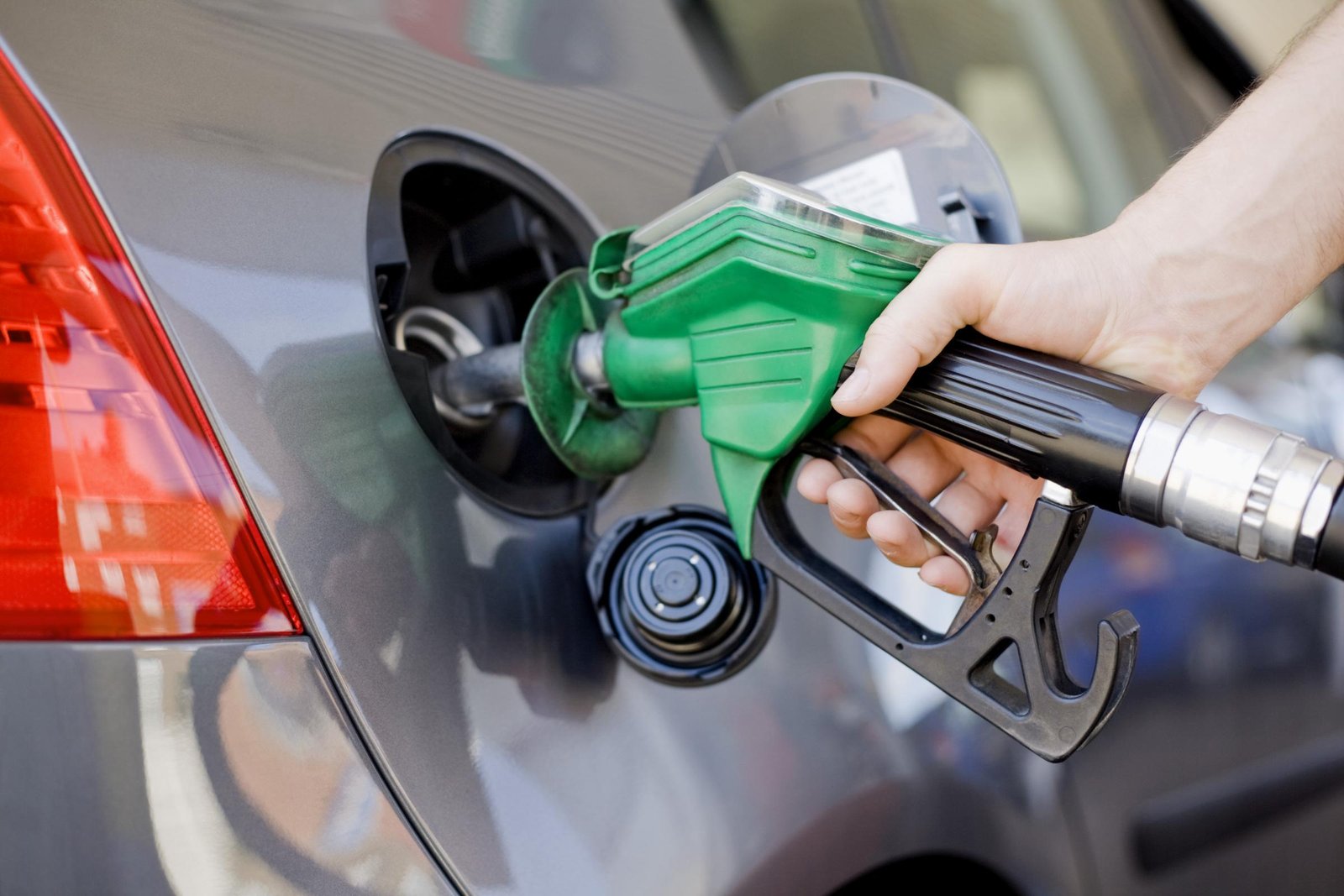
Millions of motorists across the UK will now be able to check near-real-time petrol and diesel prices through Google Maps, giving drivers a new way to compare forecourt costs before deciding where to fill up. The move is expected to make pump pricing more transparent and could increase pressure on fuel retailers to compete more strongly for customers at a time when household transport costs are under intense pressure.
The new feature becomes available in the UK from Thursday, allowing motorists searching for nearby petrol stations through Google Maps to see current fuel prices. Rather than having to visit individual forecourts or rely solely on dedicated fuel-price applications, drivers will be able to access pricing information while using one of the country’s most widely used mapping services.
The information displayed by Google will come from the government’s Fuel Finder platform, which was established to provide motorists with greater visibility of fuel prices. The government system receives price information from the overwhelming majority of UK forecourts, meaning drivers should be able to compare prices across a broad section of the market.

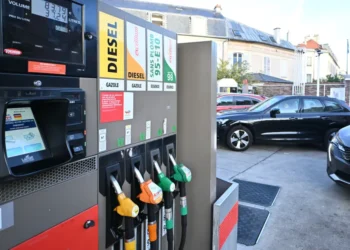
The development comes at a particularly difficult time for motorists. Fuel prices have climbed sharply amid disruption and uncertainty in global oil supplies, with the international energy market affected by the conflict involving the US, Israel and Iran. Diesel prices in the UK have recently reached a record average of £2 a litre, representing an increase of more than 40% since late February.
For drivers who depend on their cars for commuting, childcare, shopping and other everyday responsibilities, even relatively small differences between neighbouring petrol stations can add up to significant costs over the course of a month. The ability to identify cheaper fuel before making a journey could therefore provide immediate savings for households already struggling with higher living expenses.
The introduction of live pricing on Google Maps is also being viewed as a potential development in the wider effort to improve competition in the UK fuel market. Campaigners and motoring organisations have argued for greater transparency, saying motorists should have a straightforward way to determine whether they are receiving a competitive price.
Edmund King, president of the AA, described the arrival of fuel prices on Google Maps as a major step towards greater transparency. He said easier access to pump prices could encourage retailers to offer more competitive deals because consumers would be better equipped to compare prices before buying.
One of the concerns within the fuel market has been the practice of local forecourts matching one another’s prices. While price matching can prevent individual retailers from charging substantially more than competitors, it can also result in clusters of stations maintaining similarly high prices when there is little incentive for any one retailer to reduce its margin.
Greater visibility could change that dynamic. If drivers can quickly identify a forecourt offering fuel at a noticeably lower price, retailers charging more may face greater pressure to respond. Competitive stations that previously attracted customers only through local knowledge or word of mouth could become much easier to discover.
The AA has suggested that the increased transparency could expose pricing practices that motorists have found difficult to understand. Luke Bosdet, a spokesperson for the motoring organisation, indicated that demand for fuel-price information remained strong and said the arrival of Google Maps was unlikely to eliminate interest in existing specialist applications.
The government launched its Fuel Finder scheme in February following recommendations made by the Competition and Markets Authority. The objective was to help motorists compare prices and encourage stronger competition across the retail fuel market.
Fuel Finder information is already available through a number of applications and services, including Waze, PetrolPrices, the AA, Confused.com and RAC Fuel Watch. Google Maps now joins those platforms, potentially placing fuel-price information in front of a much larger number of motorists who may not previously have used specialist price-comparison tools.
The government’s decision to make price information more widely accessible reflects growing scrutiny of the way fuel prices move between wholesale markets and petrol station forecourts. When wholesale costs fall, consumers and regulators expect retailers to pass at least some of those reductions on through lower pump prices. However, there have been concerns that reductions do not always reach motorists quickly.
The Competition and Markets Authority warned fuel retailers in August that some businesses remained too slow to pass on falls in wholesale diesel prices. The watchdog referred to these practices as passive pricing strategies and warned that they could weaken competition while leaving households paying more than necessary.
That criticism has increased pressure on fuel retailers to demonstrate that their pricing decisions are responsive to market conditions. The introduction of a widely accessible live comparison tool could add another layer of accountability because significant differences between neighbouring stations will become easier for consumers to identify.
Polly Billington, the minister for energy consumers, said access to cheaper fuel should be straightforward and described the availability of near-real-time prices through Google Maps as a game-changing development for UK motorists. The government believes that easier access to information will help drivers make more informed choices and save money at the pump.
The potential benefits may be particularly significant for people who regularly drive long distances. Commuters, delivery workers, tradespeople and families making frequent journeys can consume large quantities of fuel over time. A difference of only a few pence per litre may appear insignificant during a single visit to a forecourt, but repeated savings can become substantial over weeks and months.
The new feature could also change how motorists plan journeys. Drivers who previously stopped at the nearest petrol station may increasingly check prices before setting off or while travelling. If a cheaper forecourt is located only a short distance away, motorists may decide that the additional journey is worthwhile.
However, price alone will not necessarily determine where every driver chooses to buy fuel. Convenience, distance, queues, opening hours, loyalty programmes and payment arrangements can all influence purchasing decisions. A driver may still choose a slightly more expensive station if it is directly on the route to work or home, while another motorist may be willing to travel further to secure the lowest available price.
There is also a distinction between transparency and guaranteed savings. Making prices easier to see does not automatically mean that every retailer will reduce prices. The broader impact will depend on how motorists respond to the information and whether retailers feel sufficient competitive pressure to change their pricing.
Nevertheless, the move gives consumers a new source of information at a moment when fuel affordability has become a major concern. With diesel recently reaching unprecedented levels and petrol prices also under pressure, motorists have increasingly been searching for ways to reduce the cost of essential journeys.
For policymakers, the wider objective is not simply to help individual drivers find a cheaper forecourt. It is to strengthen competition across the entire market by making it harder for significant price differences to remain hidden from consumers.
The success of that approach will ultimately depend on whether motorists actively compare prices and whether retailers respond to the increased visibility. If consumers consistently move towards cheaper forecourts, businesses may have a stronger incentive to lower prices or limit increases.

Google Maps therefore enters the fuel market at a significant moment. Its enormous reach means that price comparison is no longer confined to drivers who deliberately seek out specialist fuel-price services. For many motorists, checking the cost of filling up could become an ordinary part of planning a journey.
At a time when every additional pound spent on driving matters to household budgets, access to clearer and more immediate information could provide motorists with a practical way to make their money go further. More importantly, if greater transparency encourages genuine competition between forecourts, the impact could extend beyond individual savings and contribute to a fairer and more responsive UK fuel market.
Related News:
 UK House Prices Fall as Mortgage Rates Rise
 Oil nears $100 as Saudi attacks shake markets
 Thames Water Revises Oxfordshire Mega-Reservoir Plan
 UK Retail Sales Rebound as Consumers Spend More
 UK Borrowing Hits £18.3bn Ahead of Budget
 Thinktank Calls for Abolition of UK State Pension
 MPs Defend UK Economic Watchdog Against Critics
 UK Trade Losses Grow Without EU Product Deal
 Should Savers Lock Into 5.25% Fixed Rates?
 UK Diesel Prices Hit Record High Amid Iran Conflict
 Poundland Rescue Bid Could Protect 11,000 Jobs
 UK house price growth slows as mortgage rates rise
 UK borrowing costs surge as global bond sell-off deepens
 UK Assures Public Over Diesel Supply
 UK Diesel Reaches £2 as Inflation Surges Across Europe
 Minister Rejects Fears of UK Diesel Shortage
 Informa Agrees £2.24bn Deal to Buy Clarion
 Wealthy Britons Flee Gulf War but Avoid UK Taxes
 UK Wage Growth Slows as Jobs Market Holds Firm
 BBC News Faces Deep Cuts in 2,000 Job Plan
 New UK advice scheme to boost savings and investing
 Reeves Fights to Keep Treasury Role Amid Labour Turmoil
 UK rejects EV charging VAT cut amid Treasury clash
 EasyJet Takeover Sparks Fears Over Passengers’ Future
 Europe Faces Winter Gas Supply Anxiety
 UK Households Could Save £173 on Fixed Energy Deals
 Burnham Faces Mounting Budget Challenges
 Dutch Bank Moves 86 Tonnes of Gold to London
 UK Cost Squeeze Deepens as Mortgages and Gas Rise
 Billionaire Chris Rokos poised to leave UK
 JPMorgan Boss Warns Against UK Bank Tax Rise
 John Lewis Losses Widen to £124m as Confidence Falls
 UK State Pension Set to Rise 3.9% as Triple Lock Holds
 UK Parents Cut School Uniform Costs as Prices Rise
 UK Pay Growth Slows to 3.9% as Rate Decision Nears
 Bank Urged to Slow Bond Sales as UK Costs Rise
 UK Inflation Hits 3.1% as Household Pressure Grows
 UK Productivity Improves as Bank Weighs Interest Rates
 Japan Raises Rates to 31-Year High
 UK Rent Gap Puts Low-Income Families Under Pressure
 Calls Grow to Expand UK National Wealth Fund
 Chinese Hybrid Car Surge Raises EU Auto Industry Concerns
 Tony Blair Calls for Britain to Rejoin EU Within a Decade
 AO Acquires Jessops in Camera Retail Expansion
 Saudi intercepts Houthi missiles as oil fears grow
 Beaverbrooks Boss Calls for Relief on Business Costs
 Why Americans Feel Ripped Off by Rising Prices
 New UK Homes in Flood Zones Face Insurance Risk
 Ukraine Faces $45m Hourly Cost From Missile Alerts
 Healey urged to act as UK energy bills rise 4%
 Boots Sale Nears as Weston Family Eyes $9bn Deal
 French Debt Fears Put Euro Markets Under Pressure
 London Luxury Homes Face a Prolonged Property Slump
 London Council Warns of 150% Council Tax Rise
 UK Faces Calls to Review Bank Failure Bets
 North Sea Strike Threatens UK Fuel Supplies
 UK Weighs Chinese Car Tariffs Amid EU Trade Push
 BT Agrees £400m TalkTalk Rescue Deal
 Asos Investigates Hack Claims After Customer Alerts
 EU-China Talks Target Surge in Hybrid Car Imports
 UK house prices stall as mortgage costs rise
 IMF Warns Governments Over Rising Debt Burdens
 Student Loan Interest May Rise Despite 6% Cap
 Albanese Rejects Gas Export Tax Push
 Canada to Match Trump’s 50% Tariffs Dollar for Dollar
 US CEOs Earn 614 Times More Than Workers
 Trump Hardens Canada Trade Stance as Talks Stall
 UK Subsidence Claims Surge After Record-Breaking Summer
 Reform Faces Fresh Financial Controversy
 Spire Healthcare Agrees £1bn Takeover by Toscafund
 UK Retailers Accused of Breaking Refund Laws
 North Sea Firms Urge Early End to Windfall Tax
 Entain Plans 400 Job Cuts After Profit Update
 Trump Threatens EU With Tariffs Over Canada Proposal
 Reform UK Faces Internal Debate Over £72m Spending
 Labour Apprenticeship Scheme Faces Slow Start
 TalkTalk Races to Sell Arms as Administration Looms
 Burnham Opens Door to Possible UK Return to EU
 Badenoch Raises Prospect of 2027 UK Election
 Japan Beer Giants Face Cartel Probe