Published: 08 October 2026. The English Chronicle Desk. The English Chronicle Online.
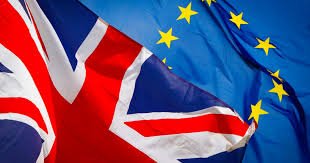
French Finance Minister Roland Lescure has extended an open invitation to Britain to reconsider its relationship with the European Union, saying the UK would be welcome to return to the bloc if its people chose to do so. His comments have added fresh momentum to a growing political debate in Britain over whether Brexit should remain the country’s long-term direction or whether closer ties with Europe should eventually be pursued.
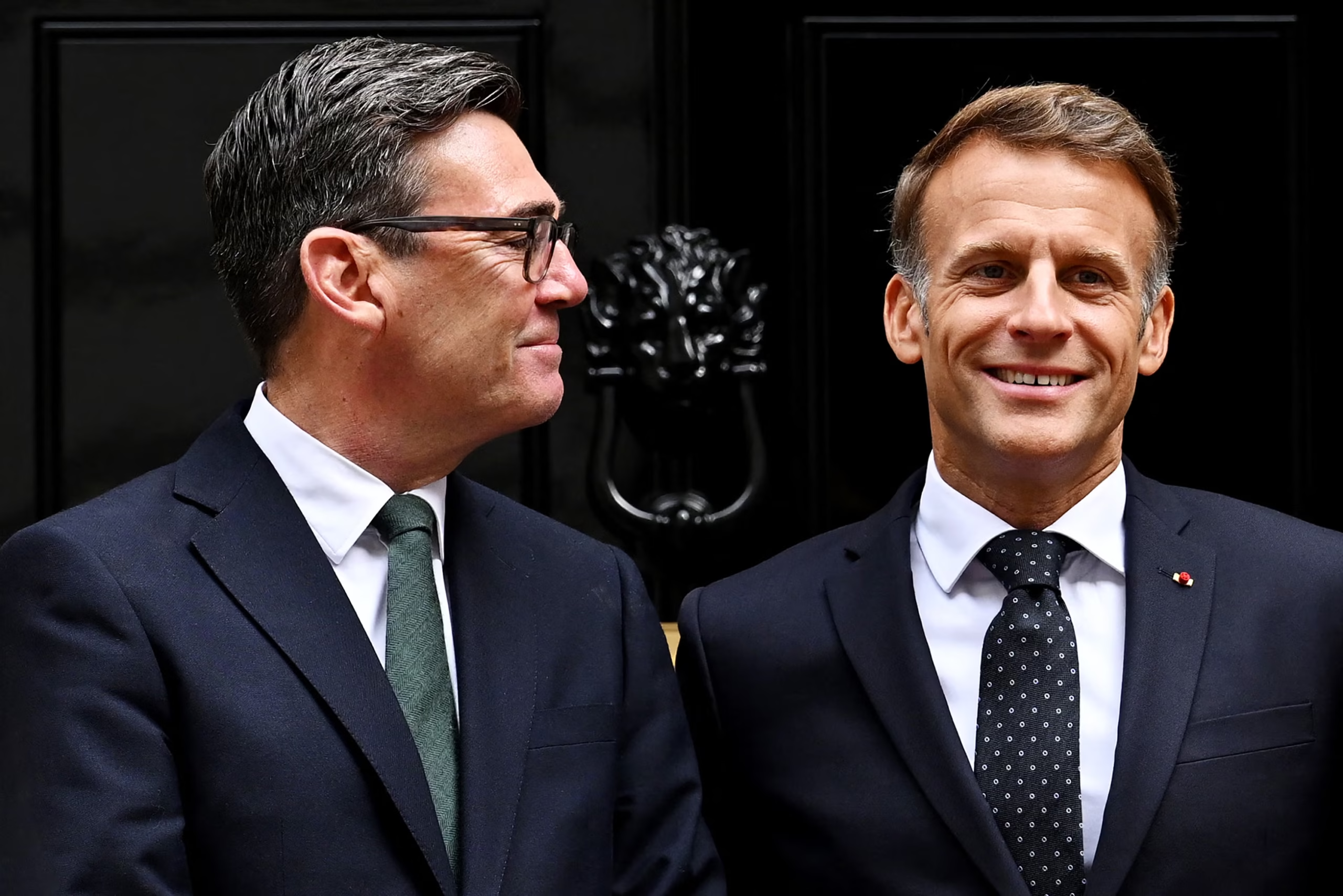
Lescure’s remarks came after Prime Minister Andy Burnham raised the possibility of examining a much closer relationship between Britain and the EU, including the prospect of eventually returning to the bloc. Burnham has argued that Brexit has caused more harm than benefit and has said his government should examine the full range of options available for Britain’s future relationship with Brussels.
Speaking about the possibility of Britain reversing Brexit, Lescure adopted a notably welcoming tone. He stressed that the decision would ultimately belong to the British people but made clear that France would be prepared to work with Britain if it sought to return.

“Come back, anytime,” Lescure said, signalling that France would not view a British return as an unwelcome development. He also suggested that Britain and other European countries would be stronger if they faced emerging international challenges together.
The comments come at a politically sensitive moment for the UK government. Burnham has recently indicated that ministers are prepared to consider a broad spectrum of possible relationships with the EU, ranging from maintaining the current arrangements to pursuing a customs union, returning to the European single market or ultimately seeking full EU membership.
Rather than committing the government to any particular outcome, Burnham has said ministers would assess what could realistically be achieved and examine the advantages and disadvantages of each possible arrangement. The approach marks a significant shift in the tone of the Brexit debate, which for years has largely focused on managing the consequences of Britain’s departure rather than openly discussing the possibility of reversing it.
Burnham’s position has already generated strong reactions from both supporters and opponents of Brexit. For those who believe the UK’s departure from the EU has damaged trade, investment and economic cooperation, the prime minister’s willingness to consider closer integration represents an opportunity to rebuild relations with European partners.
Critics, however, argue that revisiting Brexit risks reopening political divisions that have shaped British politics for much of the past decade. Reform UK leader Nigel Farage has claimed that Burnham’s approach has given his party renewed political momentum by bringing the question of Britain’s EU membership back into national debate.
Farage has dismissed polling suggesting that a majority of the public could now support Britain rejoining the EU. He has argued that public support could weaken if voters were presented with the potential financial and political consequences of membership.
Among the issues raised by Farage are the possible cost of renewed membership and questions surrounding border arrangements and European integration. He has also argued that returning to the EU could eventually involve commitments that many Brexit supporters would strongly oppose.
The dispute highlights the difficulty facing any government seeking to change Britain’s relationship with Brussels. While public attitudes towards Brexit have evolved since the 2016 referendum, rejoining the EU would involve a complex political and diplomatic process and would require agreement between Britain and European member states.
For European governments, meanwhile, the prospect of a closer British relationship with the bloc could carry significant strategic benefits. Britain remains a major European economy and a leading military and diplomatic power. Greater cooperation could strengthen European efforts on security, trade, technology and responses to international crises.
Lescure’s comments reflect this broader strategic perspective. He argued that Britain and European countries would benefit from facing new global threats collectively rather than working separately. His invitation therefore goes beyond the economic consequences of Brexit and touches on Europe’s wider geopolitical challenges.
Burnham is travelling to Germany for talks with Chancellor Friedrich Merz, whose government has been supportive of the idea of Britain exploring closer links with the EU. The discussions are expected to cover both European security and the future direction of UK-EU relations.
Security cooperation is likely to be particularly important. Britain and European countries face growing concerns over cyber-attacks and other threats targeting critical infrastructure and government institutions. Closer cooperation could allow countries to share intelligence, strengthen digital defences and coordinate responses to attacks.
A proposed agreement between Britain and Germany on security cooperation could therefore provide a practical example of how relations might deepen without immediately addressing the highly contentious question of EU membership.
At the same time, economic issues remain central to the debate. Burnham has raised concerns about European rules designed to support manufacturers, warning that some measures could have unintended consequences for British companies. British government officials have previously indicated that progress on an expected UK-EU reset could be affected if Brussels refuses to discuss measures that might leave British businesses at a disadvantage in European markets.
The issue reflects the complicated balance facing Britain. The government wants stronger economic and political cooperation with European partners while also seeking to protect British businesses and preserve the regulatory choices created by Brexit.
Any move towards closer alignment would therefore involve difficult negotiations. The EU would have its own interests and conditions, while the British government would need to consider the domestic political consequences of each option.
For now, Burnham has stopped short of promising that Britain will seek EU membership again. His position is instead that the government should examine the available choices before deciding how far it is willing to go.
That distinction is important because the political debate remains highly divided. Supporters of closer European integration see the changing public mood as evidence that Britain should reconsider some of the consequences of Brexit. Opponents argue that leaving the EU was a democratic decision that should be respected and that returning would create new economic and political obligations.
The intervention from France nevertheless demonstrates that the question is no longer confined to British politics. European governments are watching closely as Britain reassesses its long-term relationship with the continent.
Lescure’s invitation may not immediately change British policy, but it provides a clear indication that at least some European leaders would welcome a more integrated Britain. Whether that means limited cooperation, a customs arrangement, closer access to the single market or eventually full EU membership will depend on political choices in London as well as the response from European capitals.

The renewed debate also suggests that Brexit is entering a different phase. Rather than asking only how Britain can make its existing relationship with Europe work, politicians are increasingly discussing what that relationship should look like in the years ahead.
For Burnham’s government, the challenge will be to balance public opinion, economic interests, national sovereignty and Britain’s wider security needs. For the EU, the question will be how far it is willing to accommodate a closer British relationship while protecting the principles and interests of its member states.
Lescure’s message was straightforward: if Britain decides it wants to return, Europe would be ready to talk. The political and economic journey back, however, would be far more complicated than the invitation itself.
Related News:
 UK Pushes for New EU Goods Trade Deal
 Reeves Fights to Keep Treasury Role Amid Labour Turmoil
 Burnham Leaves Door Open to Future Brexit Reversal
 Tony Blair Calls for Britain to Rejoin EU Within a Decade
 Burnham Opens Door to Possible UK Return to EU
 EU-China Talks Target Surge in Hybrid Car Imports
 UK Wage Growth Slows as Jobs Market Holds Firm
 UK Doubles Steel Tariffs to 50% to Protect Domestic Plants
 BBC News Faces Deep Cuts in 2,000 Job Plan
 Ceasefire Standoff Deepens in Ukraine War
 Norway Doubles Down on Oil and Gas for Europe Energy Security
 Deadly Russian Air Raids Strike Across Ukraine
 Labour MPs Urge Burnham to Revive UK Aid Target
 Europe Faces Winter Gas Supply Anxiety
 Burnham Faces Mounting Budget Challenges
 Trump Hardens Canada Trade Stance as Talks Stall
 Green Leader Targets Starmer’s Former Seat
 Bayeux Tapestry Revives Franco-British Ties
 Reform Faces Fresh Financial Controversy
 Swedish Mining Push Puts Sami Land Rights Under Pressure
 Argentina to file criminal charges over Falklands oil drilling
 UK plans tougher Israel stance with settlement trade ban
 Oil nears $100 as Saudi attacks shake markets
 Europe’s democracies face a growing far-right threat
 Trump Threatens EU With Tariffs Over Canada Proposal
 Trump Threatens EU Over Canada Partnership Proposal
 Macron and Carney deepen France-Canada ties
 Trump Eyes Major Belarus Fertiliser Deal Amid Canada Trade Dispute
 Thinktank Calls for Abolition of UK State Pension
 MPs Defend UK Economic Watchdog Against Critics
 Iran Rejects Claims of Shift in US Talks
 Elif Eralp Emerges as Berlin’s Next Political Force
 Saudi intercepts Houthi missiles as oil fears grow
 Madrid Tent Camp Grows as Spain Housing Crisis Deepens
 Ukraine Faces $45m Hourly Cost From Missile Alerts
 French Debt Fears Put Euro Markets Under Pressure
 Badenoch Raises Prospect of 2027 UK Election
 UK Diesel Reaches £2 as Inflation Surges Across Europe
 Minister Rejects Fears of UK Diesel Shortage
 London Council Warns of 150% Council Tax Rise
 Spain Sets Snap Election as Housing Crisis Deepens
 Informa Agrees £2.24bn Deal to Buy Clarion
 Report Urges UK to Rethink Overseas Military Spending
 Trump’s UK Ambassador Urges North Sea Drilling to Strengthen US Ties
 Millionaires group urge Reeves to introduce wealth tax to ‘lift kids out of poverty’
 Canada Passes Carney’s First Budget in Tight Parliamentary Vote
 Starmer Says Labour’s Economic Plan Needs Years to Deliver
 UK shelves £110m border project amid trade strain
 Trump Tariffs Threat Spark UK and EU Alarm
 Gordon Brown urges court for crimes against children
 Relationship with Trump may be beyond repair, Starmer warned
 Italian Town Buys Mussolini Villa to Keep Away Fascist Fans
 Unions Raise Concerns Over Doctors’ Pay Dispute
 UK Stands Firm on Falklands Amid US Rift
 Oil Prices Surge Above $120 Amid Iran Blockade Fears
 Silent Tracks: Rail Line Without Passengers
 Kevin Warsh sworn in as Fed chair amid economic backlash
 Discontent grows around Putin amid war strain
 Farage and Reform UK Reshape British Politics
 Burnham unveils £65m drought aid for farmers
 Unions Warn Labour Over Zero-Hours Contract Reforms
 Former Diplomats Urge UK and France to Act on Palestine
 Ukraine Villagers Demand Answers After Deadly Arms Depot Strike
 Trump Calls Iran War ‘Small Potatoes’ Despite US Deaths
 North Sea Firms Urge Early End to Windfall Tax
 UK Pay Growth Slows to 3.9% as Rate Decision Nears
 Mayors Could Gain Greater Powers Over Water Firms
 US Sanctions Open New Battle for Cuba Assets
 Tom Watson Takes Senior Role at Palantir
 UK Rent Gap Puts Low-Income Families Under Pressure
 Calls Grow to Expand UK National Wealth Fund
 AO Acquires Jessops in Camera Retail Expansion
 The Tests Awaiting Andy Burnham After Labour Conference
 Healey urged to act as UK energy bills rise 4%
 UK house price growth slows as mortgage rates rise
 French School Protests Escalate as 400 Schools Close
 France Schools Protests Draw 250,000 as Police Clash
 Poland Pushes Energy Security Beyond Russian Gas
 UK house prices stall as mortgage costs rise
 South Korea Probes Fuel Shipments to Russia