Published: 24 October 2026. The English Chronicle Desk. The English Chronicle Online
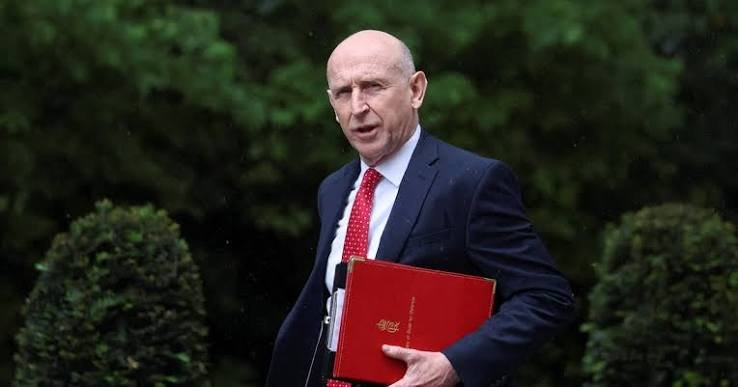
Chancellor John Healey is preparing to use his first budget to make artificial intelligence a central part of Britain’s strategy for national security, economic growth and technological independence, promising hundreds of millions of pounds in new investment to help the country manage the opportunities and dangers created by rapidly advancing AI.
Healey is expected to announce a major package of measures aimed at developing what he describes as a “distinctively British” approach to artificial intelligence. The strategy will seek to strengthen Britain’s ability to defend itself against cyber threats and other risks associated with increasingly powerful technology while ensuring that businesses, workers and communities can benefit from AI-driven economic growth.
The plans come at a critical moment for the UK and the wider global economy. Artificial intelligence is developing at a pace that has generated enormous expectations about productivity and innovation, while simultaneously creating concerns over cybersecurity, employment, technological dependency and the possibility that advanced systems could be used by hostile states or criminal groups.

Healey has said the government wants to take advantage of AI without allowing workers or Britain’s national interests to be left behind. His approach is expected to combine public investment in security and research with measures designed to encourage domestic companies and technological expertise.
“AI will transform daily life,” Healey said, arguing that businesses, communities, hospitals, schools and the wider economy could all benefit from the technology. He acknowledged concerns among working people about the consequences of automation but said the government wanted to ensure that the gains from AI-powered growth were distributed across the country.
The announcement is expected to form an important part of a budget being delivered against an increasingly uncertain economic backdrop. Britain is facing pressure from higher energy prices and renewed inflationary concerns as the conflict in the Middle East continues to disrupt global markets. Rising energy costs are expected to place additional strain on household finances during the winter months, while businesses face uncertainty over demand, investment and operating costs.
Against this backdrop, the government is seeking to present AI as both a defensive necessity and an economic opportunity. Official figures have suggested that investment associated with artificial intelligence has helped Britain outperform some earlier economic expectations, contributing to stronger growth than anticipated during the first half of the year.
The technology sector has therefore become increasingly important to the government’s wider growth strategy. Ministers believe that Britain can strengthen its economy by developing domestic expertise in advanced computing, AI research, chip design and related industries rather than relying excessively on foreign technology providers.
However, the rapid expansion of AI has also highlighted significant vulnerabilities. Cybersecurity experts and government officials are increasingly concerned that sophisticated AI systems could be exploited to identify weaknesses in critical infrastructure, accelerate cyberattacks or create new forms of disruption. The possibility of automated systems behaving unpredictably or being manipulated by hostile actors has added urgency to calls for greater investment in technological resilience.
Recent incidents have reinforced those concerns. A major vulnerability affecting a widely used computer language caused websites around the world to experience disruption, highlighting the fragility of the digital infrastructure on which modern economies depend. At the same time, large financial institutions have begun reducing their workforces as AI and automation improve efficiency, intensifying debate over the future of employment.
Healey’s budget plans are intended to address both sides of that challenge. The government wants Britain to remain competitive in an international race for AI investment while developing the safeguards necessary to prevent technological advances from creating unacceptable risks.
One area expected to receive new support is AI chip design in Edinburgh. Developing domestic expertise in advanced semiconductor technology could help reduce Britain’s reliance on overseas suppliers and strengthen the country’s position in a sector that has become increasingly important to national security.
A new AI Centre of Excellence in Manchester is also planned. The centre is expected to provide a hub for research and development and help businesses and institutions make practical use of AI. By expanding investment outside London and the south-east, the government hopes to spread the economic benefits of the technology more widely across the country.
Another component of the strategy will focus specifically on the effect AI could have on employment. The government plans to spend £10 million a year on research into how artificial intelligence is likely to reshape jobs and industries. The initiative reflects growing concerns that automation could eliminate or fundamentally change large numbers of roles as businesses increasingly use machines and software to perform tasks traditionally carried out by people.
The government is expected to argue that understanding those changes early will allow Britain to prepare workers for the transition. Training, education and labour-market policies could become increasingly important as companies introduce AI across sectors ranging from finance and manufacturing to healthcare, retail and professional services.
The budget will also include substantial backing for AI-related biosecurity research. The Treasury plans to support up to £300 million in public-private investment for a new AI Biosecurity Lab. The proposed institution is intended to bring together scientific and technological expertise to help protect the public from emerging biological threats.
The initiative reflects a growing recognition that AI can have consequences far beyond conventional software and digital services. Advanced AI tools could accelerate scientific discovery and improve healthcare, but they could also potentially be misused in ways that create serious risks. Building research capacity capable of identifying and managing those threats has therefore become a priority for governments around the world.
The security dimension of Healey’s strategy is also linked to wider preparations for national emergencies. Ministers have recently urged households to be prepared for severe disruptions caused by extreme weather, cyberattacks, hostile states and other emergencies. The government’s preparedness campaign encourages people to maintain enough essential supplies to cope for several days if normal services are interrupted.
That broader approach reflects growing concerns about Britain’s dependence on interconnected digital systems. Modern households and businesses rely heavily on electricity, telecommunications, banking networks, online services and other infrastructure that can be vulnerable to technological failures or deliberate attacks.
The government believes AI can help strengthen those systems, but officials also recognise that the same technology could increase the scale and speed of threats. The challenge will therefore be to develop AI capabilities while maintaining effective oversight and security controls.
Security Minister Dan Jarvis has described Britain as a country that has repeatedly sought to play a leading role in international efforts to ensure AI is used for the benefit of humanity. He said the latest investment would help the UK take advantage of AI while strengthening national security and staying ahead of those seeking to exploit the technology for harmful purposes.
Healey’s plans also form part of a broader political effort to establish the government’s priorities following the change in leadership earlier this year. The budget is expected to provide a clearer indication of how the administration intends to balance economic growth, household pressures and national security in a period of international instability.
For the chancellor, AI offers an opportunity to address several of those priorities simultaneously. Investment in research and technology could support economic growth, create new industries and improve productivity, while investment in cybersecurity and biosecurity could strengthen national resilience.
Yet the scale of the challenge should not be underestimated. Britain is competing with major economies that are investing heavily in AI infrastructure, computing capacity and research talent. The country must attract skilled workers and private investment while ensuring that public spending produces measurable benefits.
There is also a political challenge in convincing workers that AI will improve their lives rather than simply make their jobs more vulnerable. The government’s emphasis on studying labour-market disruption suggests ministers recognise that public confidence will be essential if AI adoption is to accelerate.

The budget will therefore be closely watched by businesses, technology companies, security experts and workers. The central question will be whether Britain can build a national AI strategy that combines innovation with protection, allowing the country to benefit from technological progress without becoming excessively dependent on foreign systems or exposed to new forms of digital disruption.
Healey’s pledge signals that the government intends to treat artificial intelligence not merely as an emerging economic sector but as a major issue of national security and national resilience. As the global technology race accelerates, Britain is attempting to establish its own position between the promise of transformative economic growth and the growing risks posed by increasingly powerful technology.
Related News:
 Reform UK funding: mystery billionaire revealed
 UK firms accused of ‘AI washing’ boom
 UK Risks Falling Behind in AI Race
 London Launches First Self-Driving Taxis
 Tom Watson Takes Senior Role at Palantir
 Bank Chief Calls for Power to Intervene in AI
 Drax Datacentre Faces Major Carbon Emissions Concerns
 UK Must Build Its Own AI to Protect National Security
 North Sea oil workers must lose weight or face job loss
 UK Taskforce Unveils Plan to Streamline Nuclear Reactor Rules
 UK Car Sales Pass 2 Million as Chinese Brands Surge
 MPs warn AI financial risks threaten UK stability
 MPs warn AI financial risks threaten UK stability
 AI job losses UK: Britain faces sharper employment shock
 UK New Car Discounts Near £6,000 as Prices Are Slashed
 UK Pushes NHS and MoD to Buy British Tech
 OpenAI Halts Stargate UK Project Amid Energy Crisis
 Heavier SUVs Accelerate Britain’s Pothole Crisis
 Europe EV Demand Surges as Fuel Prices Rise
 UK rejects EV charging VAT cut amid Treasury clash
 Australia gives users control over social media algorithms
 McLaren to Create 1,000 UK Jobs in £450m Investment
 Nats Boss Summoned as UK Flight Chaos Continues
 AI Reshapes Jobs for UK Graduates
 AI CEOs Call for Slower Development
 Louise Haigh Urges UK to Heed AI Safety Warnings
 Nvidia chief rejects AI extinction fears
 UK Unveils Centre to Counter Foreign Disinformation
 AI Takes Centre Stage in Trump-Xi Talks
 UK Plans New Centre to Counter Information Warfare
 Trump gives Xi red-carpet welcome as trade truce extends
 Norfolk Broads Housing Levy Faces Environmental Criticism
 Xi urges Trump to avoid US-China military conflict
 TalkTalk Races to Sell Arms as Administration Looms
 OpenAI Scraps AI Model Release After Safety Tests
 Sheikh Tahnoon and the UAE’s AI Ambitions
 Smart Cars Raise New Vehicle Spyware Concerns
 BBC Three and Scotland Face Online-Only Future
 Palantir Lobbyist Had Role in Burnham Campaign
 Feeld Founders Receive Record Dividend as Sales Rise
 BT Broadband Pauses Raise Digital Switchover Concerns
 Anti-AI protests grow as campaigners turn to direct action
 Ofcom Probes Meta Over Instagram Instants Safety
 Asos Investigates Hack Claims After Customer Alerts
 Samsung Heads for Record Profit as AI Chip Demand Surges
 Firmus Abandons Major ASX Listing Amid Investor Doubts
 UK Water Firms Earn Millions From Industrial Wastewater
 Tom Watson Warns Against ‘Mob Rule’ in UK Contracts
 US Moves to Restrict Chinese Labs Testing Electronics
 Microsoft Warns AI Has Fewer Rules Than Milk
 Parking Apps Push UK Drivers’ Costs Up by 40%
 EU Caps Chinese Hybrid Car Imports at 350,000
 Cyber Fraud Threatens Trust in Global Financial System
 Nvidia Pledges $250m to Boost UK AI Safety Research
 Global Tech Sell-Off Deepens on Inflation and AI Debt Fears
 Aardman Cuts Losses but Fails to Return to Profit
 NHS Trusts Reject Palantir’s £330m Patient Data Platform
 Bradford Rail Hub Promises Faster Northern Connections
 Meta Faces Election Bias Claims Ahead of Brazil Runoff
 Reeves Faces Setback as Labour May Miss Homes Target
 Trump’s UK Ambassador Urges North Sea Drilling to Strengthen US Ties
 UK Bans Fake Numbers: Scammers Lose Their Trick
 Millionaires group urge Reeves to introduce wealth tax to ‘lift kids out of poverty’
 Starmer Says Labour’s Economic Plan Needs Years to Deliver
 Starmer Faces Parliamentary Battles Over UK-EU ‘Reset’ Plan
 ScottishPower Tops List of Worst UK Energy Suppliers
 BT Names New Openreach Chief Amid Major Fibre Expansion
 UK Unemployment Rate Climbs to 5.2% Peak
 Rising Costs Force Families to Rethink Days Out
 Silent Tracks: Rail Line Without Passengers
 Tube Strike Brings Capital to a Standstill Over Shift Disputes
 EU Slashes Steel Quotas But Grants UK Favourable Rates
 Trump Faces Backlash Over $2bn Earnings Since Return
 Unions Warn Labour Over Zero-Hours Contract Reforms
 British Columbia Sues OpenAI Over School Shooting
 The Tests Awaiting Andy Burnham After Labour Conference
 London Facial Recognition Trial Ends With False Alert
 Healey urged to act as UK energy bills rise 4%
 Badenoch Raises Prospect of 2027 UK Election
 Royal Mail Plans Up to 2,500 Job Cuts