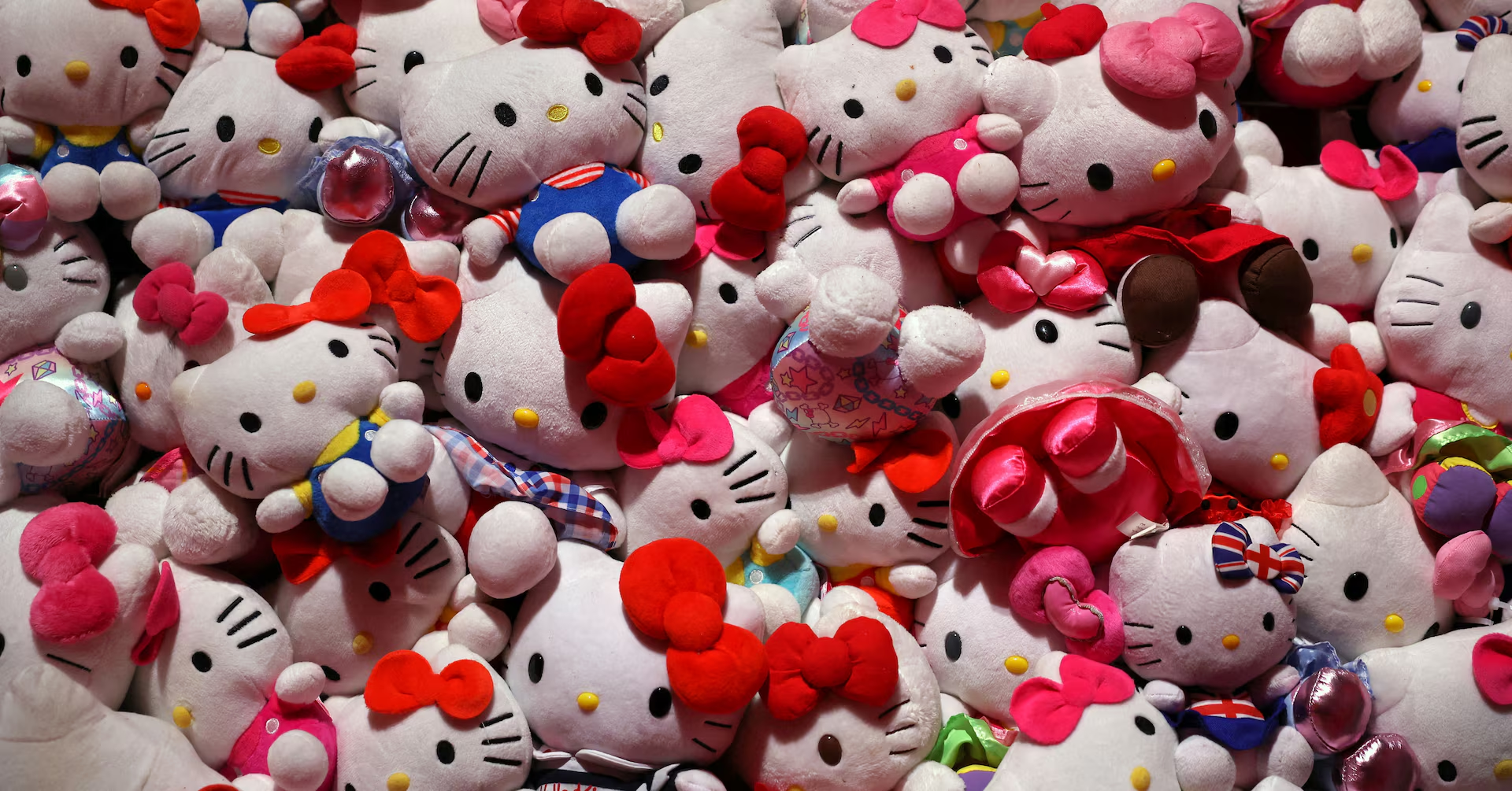
Sanrio, the Japanese company behind the globally recognised Hello Kitty franchise, has apologised and ended its commercial partnership with a popular Japanese television drama after the programme triggered a wave of criticism in China over its portrayal of Chinese intelligence agents. The controversy has highlighted the growing sensitivity surrounding historical memory, national identity and entertainment content amid increasingly strained relations between Beijing and Tokyo.
The company announced its decision after Chinese state media and social media users accused the drama, Vivant, of presenting Chinese characters as perpetrators of extreme violence in a manner they described as a deliberate attempt to discredit China. Sanrio said it had concluded that elements of the programme were inconsistent with its core values and pledged to strengthen its review procedures for future collaborations.
The decision represents a significant commercial response to a dispute involving a television production rather than a direct political statement. Sanrio’s characters are popular across international markets, and its business relies heavily on maintaining a positive public image associated with friendship, kindness and emotional connection. The controversy has therefore placed the company in a difficult position as it seeks to protect its brand reputation while responding to criticism in one of its important overseas markets.

In a statement published on the Chinese social media platform Weibo, Sanrio said it had taken the feedback seriously and would discontinue its association with the drama. The company explained that its corporate philosophy had consistently centred on using its characters to promote care, connection and harmony among people.
It also promised to strengthen its screening and review processes for future collaborative projects, indicating that the incident could influence how the company evaluates entertainment partnerships and the material associated with them.
The controversy centres on the second season of Vivant, a spy thriller produced by Japan’s TBS television network. The series features Japanese actor Masato Sakai as a salaryman whose life becomes entangled in international crime, espionage and covert operations. While the first season, set in a fictional Central Asian country, avoided a similar backlash, the latest instalment has become embroiled in a politically sensitive dispute.
The criticism began after an episode depicted Chinese agents using extreme violence against members of a secret unit associated with Japan’s Self-Defence Forces. In a particularly graphic scene shown in the 4 October episode, a Chinese agent cuts off the fingers of a Japanese intelligence officer before stabbing him in the abdomen.
Chinese state media argued that the depiction went beyond fictional suspense and carried troubling historical implications. Critics drew comparisons between the torture shown in the programme and abuses committed by Japanese troops against Chinese civilians during the Second World War.
The state-run Global Times said the scenes bore striking similarities to torture inflicted on Chinese nationals by invading Japanese forces. It accused the programme of distorting historical truth by assigning acts associated with wartime atrocities to contemporary Chinese characters.
Such criticism reflects the enduring sensitivity surrounding Japan’s wartime conduct in China. Historical disputes have remained a recurring source of tension between the two countries, influencing diplomatic relations, public debate and reactions to cultural representations of the past.
For many Chinese viewers, depictions of wartime violence cannot easily be separated from the experiences of civilians who suffered during Japan’s invasion and occupation. Content that appears to reverse historical roles or portray Chinese people as perpetrators of comparable atrocities can therefore provoke strong emotional responses, particularly when distributed by prominent entertainment companies.
At the same time, fictional television dramas often use exaggerated violence, intelligence operations and morally complex characters to create suspense. The dispute over Vivant illustrates how creative storytelling can acquire a political dimension when its subject matter intersects with national history and contemporary diplomatic tensions.
The controversy has also placed Sanrio’s commercial strategy under scrutiny. Although the company is best known for Hello Kitty, its wider portfolio includes characters such as My Melody and Cinnamoroll. These characters have become prominent in merchandise, fashion collaborations, consumer products and entertainment partnerships across several countries.
Some of these characters featured in merchandise associated with Vivant, connecting Sanrio’s intellectual property directly to the television programme. Ending the partnership therefore represents more than a response to criticism of the drama itself; it also reflects the potential risks companies face when their brands become associated with controversial cultural content.
China is a particularly important overseas market for Sanrio. Chinese media reported that the Tokyo-based company generated 781 million yuan, equivalent to approximately $117 million, in revenue from the Chinese market during the first half of the year. That figure represented an increase of more than 40 per cent compared with the same period a year earlier.
The reported growth underscores the commercial importance of maintaining relationships with Chinese consumers. For international companies operating in the market, public controversy can create uncertainty about sales, brand partnerships and consumer confidence. A strong response to criticism may help limit reputational damage, although the longer-term commercial consequences of Sanrio’s decision remain unclear.
The company did not merely issue a general expression of regret. By ending its association with Vivant, it took a concrete step to distance its characters from the programme. Its commitment to stricter review procedures also suggests that future collaborations may receive greater scrutiny when they involve sensitive political, historical or cultural themes.
However, the episode raises wider questions about how international entertainment businesses should respond when fictional works trigger political disputes. Companies must balance commercial interests, creative independence, audience expectations and the risk that their products may be interpreted as endorsing particular political or historical narratives.
The controversy is unfolding against a backdrop of increasingly difficult relations between China and Japan. Diplomatic tensions intensified after Japan’s conservative Prime Minister, Sanae Takaichi, made remarks in November 2025 about a possible Chinese attack on Taiwan. She said such a conflict could trigger the deployment of Japan’s Self-Defence Forces if it posed an existential threat to the country.
Beijing strongly opposes moves it considers interference in the Taiwan question, while Tokyo has increasingly discussed the regional security implications of a potential conflict. The disagreement has contributed to a tense political environment in which cultural controversies can quickly become connected to broader questions of national security and diplomatic trust.
Takaichi’s own comments about Vivant have added an unusual dimension to the story. Earlier in October, she said she had recorded episodes of the drama and hoped to watch them during the year-end and New Year holidays. Her remarks demonstrated the programme’s popularity in Japan, although they did not indicate a position on the controversy that later emerged.
The Sanrio dispute also follows a separate controversy involving French footballer Kylian Mbappé, who was reportedly dropped by several Chinese brands after jokingly referring to Mao Zedong as a dictator. The Real Madrid forward, who is nicknamed the dictator because of his influence within football, subsequently apologised for what he described as ill-judged remarks.
The two incidents involve different circumstances, but both illustrate how international brands and public figures can face commercial consequences when statements or entertainment content are interpreted as disrespectful towards politically sensitive national histories.
For multinational companies, the Chinese market offers substantial commercial opportunities but can also expose brands to rapid shifts in public sentiment. Social media platforms enable criticism to spread quickly, while state media coverage can give a controversy wider visibility and increase pressure on companies to respond.
Sanrio’s decision is likely to attract attention from other entertainment businesses considering cross-border partnerships. The incident demonstrates the importance of evaluating not only the immediate commercial appeal of a collaboration but also the historical and political context in which its content may be received.
Yet withdrawing from a partnership does not necessarily resolve the underlying disagreement. The broader debate over Vivant concerns the relationship between fictional depictions of violence, historical memory and national identity. Different audiences may interpret the same scenes in sharply contrasting ways, depending on their historical experiences and political circumstances.

For Sanrio, the immediate priority is to protect the reputation of a brand built around friendly characters and positive relationships. Its response suggests that the company considers the controversy serious enough to justify ending an established commercial association and reviewing its future partnership procedures.
For the entertainment industry more broadly, the incident highlights the increasingly complex environment in which popular culture operates. Television dramas, films, sports personalities and consumer brands can become participants in international political disputes even when their original purpose is entertainment or commercial promotion.
As relations between China and Japan remain strained, the reaction to Vivant demonstrates how historical grievances can influence modern commercial decisions. Sanrio’s withdrawal may help it contain the immediate controversy, but the episode also serves as a reminder that global brands must navigate cultural expectations carefully when operating across politically sensitive markets.
Related News:
 BBC Three and Scotland Face Online-Only Future
 China’s AI Ambitions Hit $2.4 Trillion Market Setback
 US Bans BYD Vehicles at Japan Military Base
 US Senators Slam Ticketmaster Over Sneaky New Fee Hikes
 Southeast Asia Turns to Russia Amid Energy Crisis
 US Awaits Iran Reply on New Ceasefire Proposal
 Hormuz Talks Near Critical Stage
 China mine blast death toll rises to 90
 Shein targets $27bn valuation in Hong Kong debut
 Ukraine Moves to Seize Water Company
 Susan Sarandon Says Palestine Stand Costs Roles
 Swedish Mining Push Puts Sami Land Rights Under Pressure
 Oil nears $100 as Saudi attacks shake markets
 Iceland to Open First UK High Street Store in Falklands
 Saudi Arabia Shuts Oil Pipeline After Drone Attack
 Indonesia Receives First Aircraft Carrier
 South Korea Rules Out Military Role in Iran War
 AI Takes Centre Stage in Trump-Xi Talks
 Iran Rejects Claims of Shift in US Talks
 Trump gives Xi red-carpet welcome as trade truce extends
 Chinese Hybrid Car Surge Raises EU Auto Industry Concerns
 Xi urges Trump to avoid US-China military conflict
 Saudi intercepts Houthi missiles as oil fears grow
 Taylor Swift and Madonna Lead 2026 MTV VMAs
 UK Diesel Reaches £2 as Inflation Surges Across Europe
 Minister Rejects Fears of UK Diesel Shortage
 EU-China Talks Target Surge in Hybrid Car Imports
 Tanker Attacked Near Qatar as Hormuz Tensions Escalate
 South Korea Probes Fuel Shipments to Russia
 Japan Beer Giants Face Cartel Probe
 Houthi Missile Claim Sparks Riyadh Airport Disruption
 Israel Promotes Film Challenging Controversial Gaza Documentary
 UK Pharmacy Body Drops Teva After Ethical Concerns
 Turkey Rules Out Troops in Saudi Arabia’s Houthi Conflict
 Trader Wins Unfair Dismissal Case After Overseas Work
 Trump’s Russian Diesel Deal Sparks Ukraine Fury
 UK Rejects EU Pressure to Impose Tariffs on China
 Aardman Cuts Losses but Fails to Return to Profit
 Japan’s Takaichi Faces a Crucial Second Year in Power
 From Lego to Pokémon: How Adults Are Driving UK Toy Market Growth
 Canada Passes Carney’s First Budget in Tight Parliamentary Vote
 ‘Black Tax’: Burden, Pride and Survival for African Workers
 Oil Slides, Stocks Jump on Trump Peace Signals
 Ticketmaster Fees Rise Despite Recent US Junk Fee Crackdown
 Army Probes Apache Flyover at Kid Rock’s Nashville Estate
 Iran Drone Strike Hits Kuwaiti Oil Tanker in Dubai Port
 Oil Prices Surge Above $120 Amid Iran Blockade Fears
 Trump approval plunges amid Iran war fears
 Global Conflict Hits Home As Bullock Warns Of Economic Pain
 High Street Crisis: Fears Grow Over Post Office Closures
 Oil Markets Face ‘Red Zone’ Threat Amid Iran Crisis
 Maldives Cave Diving Tragedy Raises Safety Alarm
 Discontent grows around Putin amid war strain
 Houthis Strike Saudi Arabia as Middle East Tensions Rise
 Powerful 7.7-Magnitude Earthquake Hits Eastern Indonesia
 Trump Calls Iran War ‘Small Potatoes’ Despite US Deaths
 Billionaire Chris Rokos poised to leave UK
 JPMorgan Boss Warns Against UK Bank Tax Rise
 UK Retailers Accused of Breaking Refund Laws
 US Sanctions Open New Battle for Cuba Assets
 AO Acquires Jessops in Camera Retail Expansion
 Burnham Opens Door to Possible UK Return to EU
 French Debt Fears Put Euro Markets Under Pressure
 Okinawa US Troops Face Curfew After Murder Case
 Royal Mail Plans Up to 2,500 Job Cuts
 Israel Marks Three Years Since October 7 Attack
 Tesco Raises Profit Forecast as Consumer Confidence Holds
 Ministers Push ATO to Reconsider Credit Card Ban
 UK Water Firms Earn Millions From Industrial Wastewater
 Trump Rules Out Iran Attack Before US Elections
 Hanson Attacks Taylor as Australian Conservatives Clash
 Hall and Woodford Win Nobel Economics Prize
 Mexico Storms Leave Five Dead as Flooding Worsens
 Brazil Court Scandal Threatens Lula as Bolsonaros Rise
 India’s Voter Roll Crisis Sparks Nationwide Protests
 Healey Plans £1bn Online Marketplace Tax Crackdown
 UK Could Rejoin EU Through a Switzerland Plus Deal
 Sainsbury’s Warns of Tough Christmas Ahead
 Xi Jinping Tightens China’s Anti-Corruption Campaign
 Labour MPs Urge Burnham to Lead UK Reindustrialisation