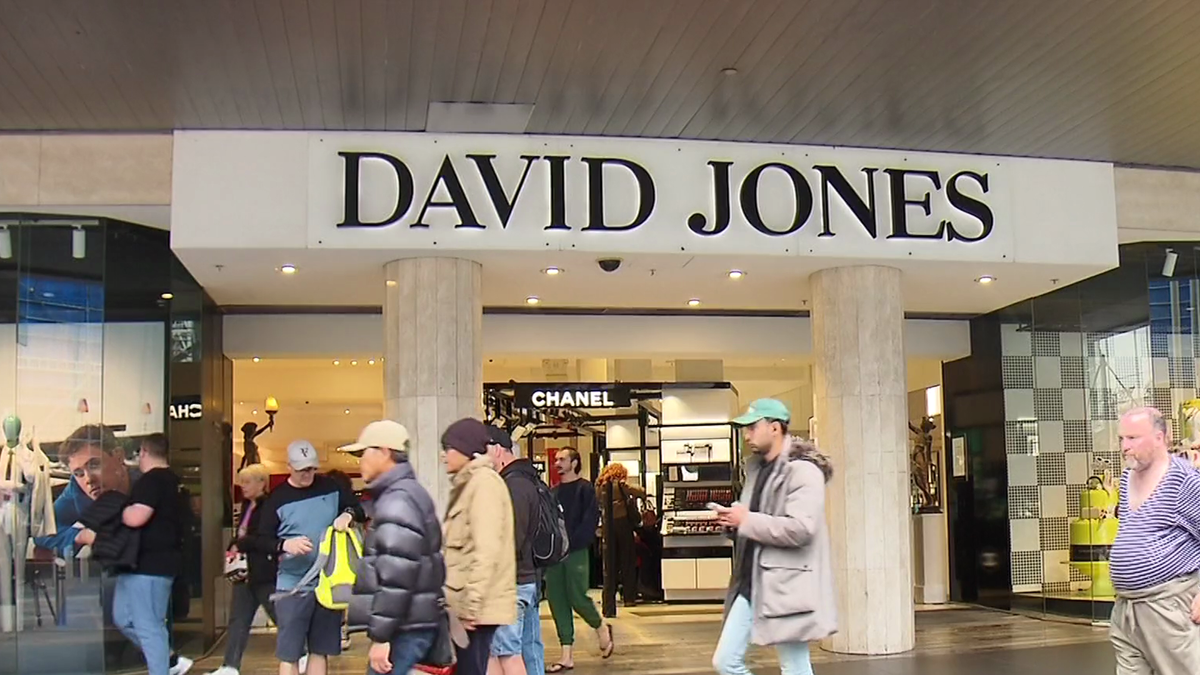
The future of Australian department store chain David Jones has been thrown into serious uncertainty after last-minute negotiations between its private equity owner and its largest landlord collapsed, raising the prospect that the 188-year-old retailer will enter administration. The breakdown in discussions has intensified concerns about the survival of one of Australia’s best-known retail brands, which has struggled with mounting financial losses, declining consumer spending and growing pressure from changing shopping habits.
Scentre Group, the owner of Westfield shopping centres and David Jones’s principal landlord, confirmed on Wednesday that negotiations with Anchorage Capital Partners, the retailer’s private equity owner, had ended without an agreement. The dispute centres on the retailer’s financial difficulties and its inability to meet rental obligations, creating an increasingly difficult situation for both parties.
Scentre Group chief executive Elliott Rusanow said David Jones had not paid rent since September and was therefore in breach of its lease obligations. He said the landlord had made what it considered a generous proposal that would have allowed the department store chain to continue trading, but Anchorage had rejected the offer. The failure to reach an agreement has raised the possibility that administrators will soon be appointed to oversee the retailer’s affairs.

People familiar with the negotiations, who were not authorised to speak publicly, indicated that appointing administrators was expected to be the next step. Although the formal process could provide an opportunity to restructure the struggling business, it would also transfer important decisions about its future to external administrators, whose responsibilities would include assessing the company’s financial position and dealing with competing creditor claims.
For David Jones, administration would represent a major turning point in a history stretching back nearly two centuries. Established in 1838, the retailer has become a familiar part of Australian commercial and social life. Its stores have traditionally been associated with premium fashion, beauty products, homewares and department store shopping, attracting customers seeking a broad selection of established brands under one roof.
However, the business has faced sustained difficulties as Australia’s retail sector has undergone significant changes. Consumers have increasingly turned to online shopping, discount retailers and specialist luxury brands, placing traditional department stores under pressure. David Jones has also struggled with weak consumer demand, rising operating expenses and underperforming locations, making it increasingly difficult to maintain its previous business model.
The retailer’s financial problems have become particularly serious as household budgets have come under pressure from inflation and the rising cost of living. Higher expenses for housing, food, transport and other essentials have reduced the amount many consumers can spend on discretionary purchases, including fashion, cosmetics and home products. For department stores that depend heavily on non-essential spending, the changing economic environment has created additional challenges.
David Jones had been attempting to negotiate more favourable lease arrangements with landlords while reviewing its nationwide store network. The company currently operates 38 stores across Australia and has been considering reducing that number by closing or selling locations that have failed to generate sufficient returns. The longer-term ambition was reportedly to reduce the network to approximately one-third of its existing size, reflecting an effort to concentrate resources on more commercially viable locations.
Such a restructuring could help reduce rental expenses, operating costs and other financial commitments. However, reducing the number of stores would also carry consequences for employees, suppliers, customers and the shopping centres that depend on department stores to attract visitors. Any major closure programme could therefore affect a much wider network of businesses and communities.
The breakdown in negotiations with Scentre Group has made the situation more urgent. The landlord operates major Westfield shopping centres, making its relationship with David Jones particularly important to the retailer’s physical presence. Without an agreement on rental obligations and future trading arrangements, the department store could struggle to maintain operations across key locations.
Before the negotiations collapsed, David Jones chief executive Erica Berchtold had been involved in advanced discussions with important stakeholders. The company said these talks included a review of its Australian store portfolio and the commercial arrangements it maintains with suppliers and brand partners. The review was intended to address the retailer’s financial pressures and establish more sustainable trading conditions.
An administration process could provide a temporary opportunity to stabilise the business while its financial position is assessed. Administrators may examine whether stores can continue operating, whether leases can be renegotiated and whether parts of the business can attract new investment or a buyer. They would also have to consider the interests of creditors, including landlords, suppliers and other parties owed money.
The timing of any potential administration would be particularly important. The period leading up to Black Friday and Christmas is among the most significant trading seasons for Australian retailers. Strong sales during these weeks can provide an essential cash injection, particularly for businesses facing financial difficulties.
People familiar with the situation suggested that administrators would likely seek to keep David Jones stores operating with minimal disruption during these key shopping periods. Maintaining normal trading could help preserve revenue, protect the value of the business and provide more time to consider restructuring or sale options. However, whether this would be possible would depend on the company’s available cash, supplier arrangements and the decisions made by administrators.
Suppliers and fashion brands are also likely to watch developments closely. Department stores depend on relationships with a wide range of product manufacturers, distributors and luxury labels. If the retailer enters administration, suppliers may reassess their willingness to provide stock on existing credit terms, potentially creating further pressure on trading operations. Maintaining confidence among brand partners could therefore become an important part of any recovery effort.
David Jones is not alone in facing difficulties. Australia’s broader department store industry has been under pressure for years as shopping habits evolve and competition intensifies. Rival retailer Myer has also experienced a difficult period, with shares in Myer Holdings reportedly falling by more than 50 per cent during 2026. The decline highlights the wider challenges confronting established retailers as they attempt to adapt to changing consumer expectations and economic conditions.
RMIT University advertising expert Professor Robert Crawford said David Jones had become caught between two increasingly powerful parts of the retail market. Discount chains have attracted price-conscious shoppers by offering lower-cost alternatives, while luxury fashion houses have strengthened their direct relationships with customers through their own stores and online channels.
That competitive pressure has weakened the traditional position of department stores, which once served as important destinations for customers seeking both premium products and a broad shopping experience. Crawford argued that the David Jones model had struggled to adapt to modern retailing, particularly as consumers increasingly expect convenient digital services, competitive pricing and distinctive shopping experiences.
The retailer’s difficulties also reflect a wider transformation in the relationship between physical stores and online commerce. Customers now frequently compare prices, read product reviews and purchase items through digital platforms before visiting a shop. This has forced traditional retailers to invest in technology, delivery systems, customer services and more flexible sales strategies.
For David Jones, the challenge is to determine whether its established brand identity can support a smaller and more sustainable business. Its long history and reputation may still provide commercial value, but those advantages alone cannot guarantee profitability in a market where consumers have more choices than ever before.
The potential administration has also raised questions about the future of the retailer’s workforce. Store closures, restructuring and changes to trading arrangements could affect employees across different states. Suppliers, shopping centre operators and smaller businesses that rely on the department store’s customer traffic may also face uncertainty if its operations are significantly reduced.

For customers, the immediate concern will be whether stores remain open and whether normal shopping services continue. Administrators may seek to preserve trading while examining the business, but any longer-term restructuring could lead to changes in store locations, product ranges and customer services.
The collapse of the talks with Scentre Group marks a critical moment for David Jones. The retailer must now confront the possibility of external administration after years of financial pressure and unsuccessful efforts to restore its commercial position. Whether the historic chain can survive through restructuring, attract new investment or secure a buyer remains uncertain.
The coming weeks could prove decisive as the company approaches the crucial Christmas trading period. For a retailer that has been part of Australia’s commercial landscape since the nineteenth century, the immediate challenge is no longer simply how to compete with modern rivals, but whether it can secure a viable future at all.
Related News:
 Ministers Push ATO to Reconsider Credit Card Ban
 Australia Delays Tax Credit Card Payment Ban After Backlash
 Australia Faces Deeper Economic Slowdown
 Oil nears $100 as Saudi attacks shake markets
 Thames Water Revises Oxfordshire Mega-Reservoir Plan
 Chinese Hybrid Car Surge Raises EU Auto Industry Concerns
 UK Trade Losses Grow Without EU Product Deal
 Poundland Rescue Bid Could Protect 11,000 Jobs
 UK Diesel Reaches £2 as Inflation Surges Across Europe
 Minister Rejects Fears of UK Diesel Shortage
 Informa Agrees £2.24bn Deal to Buy Clarion
 EU-China Talks Target Surge in Hybrid Car Imports
 Tesco Raises Profit Forecast as Consumer Confidence Holds
 Firmus Abandons Major ASX Listing Amid Investor Doubts
 EU Caps Chinese Hybrid Car Imports at 350,000
 Healey Plans £1bn Online Marketplace Tax Crackdown
 China’s AI Ambitions Hit $2.4 Trillion Market Setback
 Australia Inflation Surges as Trump’s Iran War Hits Households
 BP Profits Surge as Middle East Conflict Lifts Margins
 Rate Rise Threatens Australian Jobs and Businesses
 Australia Raises Interest Rates to 18-Year High
 Firms on both sides fear damage from US-Canada trade war
 Dutch Bank Moves 86 Tonnes of Gold to London
 UK House Prices Fall as Mortgage Rates Rise
 Billionaire Chris Rokos poised to leave UK
 JPMorgan Boss Warns Against UK Bank Tax Rise
 John Lewis Losses Widen to £124m as Confidence Falls
 Oil Prices Surge as Saudi Pipeline Closure Deepens Crisis
 UK Productivity Improves as Bank Weighs Interest Rates
 Japan Raises Rates to 31-Year High
 UK Retail Sales Rebound as Consumers Spend More
 UK Borrowing Hits £18.3bn Ahead of Budget
 Thinktank Calls for Abolition of UK State Pension
 MPs Defend UK Economic Watchdog Against Critics
 AO Acquires Jessops in Camera Retail Expansion
 Saudi intercepts Houthi missiles as oil fears grow
 Should Savers Lock Into 5.25% Fixed Rates?
 Beaverbrooks Boss Calls for Relief on Business Costs
 Why Americans Feel Ripped Off by Rising Prices
 UK Diesel Prices Hit Record High Amid Iran Conflict
 Ukraine Faces $45m Hourly Cost From Missile Alerts
 UK house price growth slows as mortgage rates rise
 UK borrowing costs surge as global bond sell-off deepens
 Boots Sale Nears as Weston Family Eyes $9bn Deal
 French Debt Fears Put Euro Markets Under Pressure
 UK Assures Public Over Diesel Supply
 UK Faces Calls to Review Bank Failure Bets
 UK Weighs Chinese Car Tariffs Amid EU Trade Push
 BT Agrees £400m TalkTalk Rescue Deal
 Asos Investigates Hack Claims After Customer Alerts
 Shell Refineries Set for Record Refining Profits
 IMF Warns Governments Over Rising Debt Burdens
 Japan Beer Giants Face Cartel Probe
 Google Maps Brings Live Fuel Prices to UK Drivers
 Oil Shock Sends Markets Lower as Middle East Risks Grow
 France Faces Debt Crisis as Protests and Markets Clash
 IFS Warns UK Budget Faces £35bn Spending Gap
 UK Van Drivers Face £2.5bn Diesel Cost Surge
 Hall and Woodford Win Nobel Economics Prize
 IMF Warns Global Economy Is Nearing Its Limits
IMF Raises UK Growth Forecast Ahead of Healey’s Budget
 Global Tech Sell-Off Deepens on Inflation and AI Debt Fears
 Business Chief Urges Burnham to Fix Brexit Damage
 Australian Mortgages Now Cheaper Than Rent in Some Suburbs
 Cormann Warns Australia Against Populist Migration Caps
 UK Unemployment Falls to 4.7% as Vacancies Decline
UK Borrowing Hits £24.5bn Ahead of Healey’s Budget
 Sainsbury’s Warns of Tough Christmas Ahead
 Labour MPs Urge Burnham to Lead UK Reindustrialisation
 Anthropic IPO Reveals AI Boom’s Huge Costs and Risks
 Healey Set to Scrap Planned Cut to Cash ISA Allowance
 Fed Expected to Hold Rates Steady Ahead of US Midterms
 Albanese Faces Labor Pressure as Inflation Hits 4.3%
 Lloyds Warns Against Extending Higher Bank Tax
 North Korea Linked to Record $6.3bn Binance Crypto Heist
 UK House Price Growth Slows to Two-Year Low
 London Luxury Homes Face Deeper Price Declines
 UK Mortgage Holders Face Fresh Payment Shock
 Ryanair Weighs Pay Freezes as Fuel Costs Surge
 Entain Plans 400 Job Cuts After Profit Update