
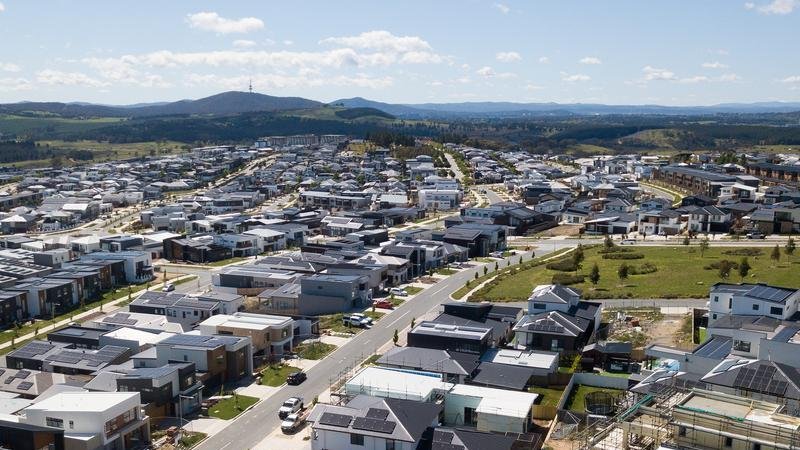
Australia’s property market is facing growing pressure as lending to residential investors has recorded its sharpest quarterly decline since official records began, while an increasing number of homeowners are falling behind on mortgage repayments. The latest figures point to a changing housing market in which higher interest rates, tax reforms and falling property prices are influencing investment decisions and household finances. Data from the Australian Bureau of Statistics (ABS) and the Commonwealth Bank of Australia (CBA) highlight the challenges facing both property investors and ordinary borrowers, raising questions about the direction of the housing sector and the wider economy.
The value of new loans to property investors plunged by nearly one-third during the three months to September, marking the largest quarterly decline in records dating back to 2002. According to the ABS, the fall was almost twice as large as the previous record quarterly contraction. The figures indicate a significant reduction in investor demand for residential property, with landlords becoming more cautious about purchasing homes amid changing financial conditions and expectations about future property prices.

The decline in investor lending comes at a time when Australia’s largest home lender, CBA, has reported a rise in mortgage arrears among its customers. Its latest quarterly trading update showed that the proportion of borrowers who were at least 90 days behind on their mortgage repayments increased from 0.73 per cent to 0.8 per cent of total lending. Although the latest figure remains relatively small as a share of the bank’s overall mortgage portfolio, it represents the highest level recorded by the lender in 12 years.
The last time CBA reported a higher arrears rate was in 2014, according to its previous trading updates. The increase suggests that more households are experiencing difficulties managing their mortgage commitments as borrowing costs remain elevated and household budgets face pressure from living expenses.
Nathan Zaia, a senior equity analyst at Morningstar, said mortgage arrears were rising across the Australian banking sector and warned that the trend might not have reached its peak. He observed that the number of borrowers falling behind on home loan payments had been increasing, although the recent rise had started from an unusually low level.
Zaia noted that Australia had experienced an extended period of exceptionally low mortgage arrears, making some increase less surprising as financial conditions changed. His assessment suggests that the current deterioration should be viewed against the relatively strong repayment performance recorded by borrowers over previous years. Nevertheless, continued increases could create additional challenges for lenders and households if economic pressures persist.
Nico de Lange, director of financial institution ratings at S&P Global, offered a more measured assessment of the banking sector’s overall position. He said that, despite the rise in arrears, there was not yet evidence of significant financial stress across the banking industry as a whole. However, he highlighted the importance of monitoring the situation following five interest rate increases during the year.
The latest developments have placed renewed attention on the effects of monetary policy. Higher interest rates increase the cost of servicing variable-rate mortgages and can also make it more difficult for prospective buyers to qualify for new loans. For existing homeowners, the combination of higher repayments and other household expenses can reduce the amount of disposable income available for everyday needs.
The ABS figures show that the decline in investor activity was substantially greater than the reduction in lending to owner-occupiers. New loans to people purchasing homes to live in fell by 5.3 per cent during the September quarter. Overall, the value of new housing loans declined by 15 per cent, reflecting weaker activity across different parts of the residential property market.
Lending to first-home buyers also weakened, falling by 8.6 per cent during the quarter. The decline suggests that higher borrowing costs and uncertainty about future property prices are discouraging some potential homeowners from entering the market. While first-time buyers have been affected, the fall was considerably smaller than the contraction in investor lending, indicating that different groups of borrowers are responding differently to the changing market.
The reduction in investor demand is closely linked to changes announced by the Albanese government in its May budget. The reforms included changes to the taxation of capital gains for property investors and a ban on negative gearing for new landlords purchasing existing homes. These measures have become a central issue in the debate over housing affordability, investment incentives and the supply of residential properties.
Negative gearing allows property investors to deduct eligible rental property losses against other taxable income. The government’s decision to restrict the arrangement for new investors buying existing homes is intended to change the financial incentives that influence property purchasing decisions. The capital gains tax changes are also expected to affect the returns investors receive when they sell properties.
The government has argued that the reforms are designed to improve access to housing for first-time buyers by reducing competition from established property investors. With investor demand declining sharply, ministers have pointed to the latest figures as an indication that the changes may be influencing the market.
Treasurer Jim Chalmers defended the government’s approach, saying the ABS data showed that first-home buyers were facing less competition from investors. He argued that the reforms were intended to help more Australians enter the housing market and that their benefits should be assessed over several years rather than a few months.
Chalmers said first-time buyers would have to compete less with established investors for the limited supply of existing homes. He maintained that the government was beginning to see evidence of this shift in the latest lending figures. His comments reflect the administration’s wider argument that improving housing affordability requires changes to the tax arrangements that have shaped property investment for many years.
However, the sharp fall in investor lending has also prompted criticism from the opposition. The Coalition has promised to reverse the investor tax changes if it returns to government, arguing that the measures could discourage investment at a time when Australia needs additional housing.
Andrew Bragg, the shadow housing minister, criticised the government’s reforms, saying higher housing taxes were discouraging investment when the country needed more homes. He called for the measures to be repealed, warning that reducing investor participation could have negative consequences for housing supply.
The debate highlights a difficult policy challenge for Australia. Governments are under pressure to make homes more affordable for first-time buyers while also encouraging the construction and availability of additional housing. Measures that reduce investor demand may create opportunities for some buyers seeking to purchase existing properties, but concerns remain about whether weaker investment could affect the supply of rental accommodation and future development.
The ABS data also showed that lending to investors seeking to build new homes declined by 12 per cent during the quarter. This figure adds another dimension to the debate because investment in new construction can contribute directly to the supply of housing. A prolonged reduction in this type of lending could affect the willingness of investors to finance residential development, although the latest figures alone do not establish the long-term consequences.
The wider property market is also being influenced by expectations about prices. The ABS said investor activity appeared to be responding to factors beyond increasing borrowing costs, including the potential impact of tax changes and expectations of lower property values. When investors anticipate weaker prices, they may delay purchases or reconsider the financial risks associated with owning rental properties.
For households already carrying mortgages, the outlook is equally important. A rise in arrears does not automatically indicate a banking crisis, particularly when the overall proportion of seriously overdue loans remains limited. However, continued increases could signal that more borrowers are struggling to absorb the effects of higher repayments and other financial pressures.
Banks, regulators and policymakers will therefore be watching the coming quarters closely. The direction of interest rates, employment conditions, household incomes and property prices will all influence whether mortgage arrears continue to rise or stabilise. The performance of investor lending will also help indicate how landlords are responding to the government’s tax changes and broader market uncertainty.

Australia’s housing sector now faces competing pressures. First-home buyers are seeking greater opportunities to purchase properties, investors are reassessing the costs and returns of ownership, and existing mortgage holders are dealing with higher financial commitments. The record decline in investor lending and the increase in overdue home loan repayments illustrate how these pressures are reshaping the market.
The latest figures have intensified the political debate over housing policy, but the longer-term effects of the reforms remain uncertain. Whether reduced investor competition translates into more affordable homeownership, and whether weaker investment affects rental supply or new construction, will depend on how the market develops over the coming years. For now, the data provide a clear indication that Australia’s property market is undergoing a significant adjustment, with consequences for buyers, landlords, homeowners and the financial institutions that support them.
Related News:
 Ministers Push ATO to Reconsider Credit Card Ban
 Australia Delays Tax Credit Card Payment Ban After Backlash
 Australia Inflation Surges as Trump’s Iran War Hits Households
 Rate Rise Threatens Australian Jobs and Businesses
 Australia Faces Deeper Economic Slowdown
 Australia Raises Interest Rates to 18-Year High
 David Jones Faces Administration After Talks Collapse
 Australian Mortgage Confidence Hits 32-Year Low
 Dutch Bank Moves 86 Tonnes of Gold to London
 UK House Prices Fall as Mortgage Rates Rise
 Oil nears $100 as Saudi attacks shake markets
 Thames Water Revises Oxfordshire Mega-Reservoir Plan
 Japan Raises Rates to 31-Year High
 UK Retail Sales Rebound as Consumers Spend More
 UK Borrowing Hits £18.3bn Ahead of Budget
 Thinktank Calls for Abolition of UK State Pension
 MPs Defend UK Economic Watchdog Against Critics
 Chinese Hybrid Car Surge Raises EU Auto Industry Concerns
 UK Trade Losses Grow Without EU Product Deal
 Saudi intercepts Houthi missiles as oil fears grow
 Should Savers Lock Into 5.25% Fixed Rates?
 Why Americans Feel Ripped Off by Rising Prices
 UK Diesel Prices Hit Record High Amid Iran Conflict
 Ukraine Faces $45m Hourly Cost From Missile Alerts
 Poundland Rescue Bid Could Protect 11,000 Jobs
 UK house price growth slows as mortgage rates rise
 UK borrowing costs surge as global bond sell-off deepens
 French Debt Fears Put Euro Markets Under Pressure
 UK Assures Public Over Diesel Supply
 UK Diesel Reaches £2 as Inflation Surges Across Europe
 Minister Rejects Fears of UK Diesel Shortage
 Informa Agrees £2.24bn Deal to Buy Clarion
 EU-China Talks Target Surge in Hybrid Car Imports
 IMF Warns Governments Over Rising Debt Burdens
 Google Maps Brings Live Fuel Prices to UK Drivers
 Tesco Raises Profit Forecast as Consumer Confidence Holds
 Oil Shock Sends Markets Lower as Middle East Risks Grow
 Firmus Abandons Major ASX Listing Amid Investor Doubts
 France Faces Debt Crisis as Protests and Markets Clash
 IFS Warns UK Budget Faces £35bn Spending Gap
 UK Van Drivers Face £2.5bn Diesel Cost Surge
 EU Caps Chinese Hybrid Car Imports at 350,000
 Hall and Woodford Win Nobel Economics Prize
 IMF Warns Global Economy Is Nearing Its Limits
IMF Raises UK Growth Forecast Ahead of Healey’s Budget
 Healey Plans £1bn Online Marketplace Tax Crackdown
 Business Chief Urges Burnham to Fix Brexit Damage
 Australian Mortgages Now Cheaper Than Rent in Some Suburbs
 Cormann Warns Australia Against Populist Migration Caps
 UK Unemployment Falls to 4.7% as Vacancies Decline
UK Borrowing Hits £24.5bn Ahead of Healey’s Budget
 China’s AI Ambitions Hit $2.4 Trillion Market Setback
 Healey Set to Scrap Planned Cut to Cash ISA Allowance
 Fed Expected to Hold Rates Steady Ahead of US Midterms
 Albanese Faces Labor Pressure as Inflation Hits 4.3%
 North Korea Linked to Record $6.3bn Binance Crypto Heist
 BP Profits Surge as Middle East Conflict Lifts Margins
 UK House Price Growth Slows to Two-Year Low
 London Luxury Homes Face Deeper Price Declines
 UK Mortgage Holders Face Fresh Payment Shock
 UK House Prices Suffer Sharpest Fall in Three Years
 Albanese Rejects Gas Export Tax Push
 UK Cost Squeeze Deepens as Mortgages and Gas Rise
 Billionaire Chris Rokos poised to leave UK
 JPMorgan Boss Warns Against UK Bank Tax Rise
 UK Pay Growth Slows to 3.9% as Rate Decision Nears
 UK Rent Gap Puts Low-Income Families Under Pressure
 Calls Grow to Expand UK National Wealth Fund
 AO Acquires Jessops in Camera Retail Expansion
 Healey urged to act as UK energy bills rise 4%
 North Sea Strike Threatens UK Fuel Supplies
 UK house prices stall as mortgage costs rise
 Japan Beer Giants Face Cartel Probe
 UK Could Rejoin EU Through a Switzerland Plus Deal
 UK Inflation Hits 3.5% as Middle East War Drives Fuel Costs
 Sainsbury’s Warns of Tough Christmas Ahead
 Labour MPs Urge Burnham to Lead UK Reindustrialisation
 UK Chancellor Moves to Scrap Gas Standing Charges
 Poundland Remains Vulnerable as Rescue Talks Continue
 Labor Minister Defends Chalmers Amid Budget Tensions