
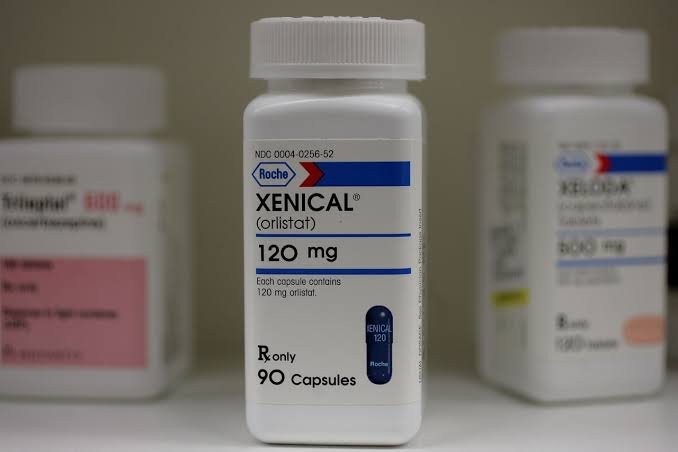
Hundreds of children across England are receiving prescriptions for weight-loss medications, including a small number younger than 12, raising important questions about childhood obesity, the growing use of medical treatments among young people and the need for long-term specialist supervision. Newly disclosed figures reveal that prescriptions for GLP-1 medications have increased, highlighting how healthcare professionals are increasingly considering medical interventions for children experiencing severe obesity and related health complications.
The figures have also reignited discussions about the potential benefits and risks of weight-loss injections for growing children. While these medications have become widely recognised among adults seeking help with weight management, their use among younger patients remains a sensitive medical issue. Experts are emphasising that treatment must be carefully assessed, supported by nutritional guidance and accompanied by regular monitoring of physical development and psychological wellbeing.
An investigation has revealed that 419 prescriptions for GLP-1 medications were issued to children under the age of 18 during the 2025–26 financial year. Of these prescriptions, 10 were issued to children younger than 12. The figures indicate that the use of these medicines is not limited to adults, although the number of prescriptions remains relatively small compared with the overall scale of childhood obesity.

The trend appears to have continued into the following financial year. Between April and July 2026, a further 341 prescriptions for GLP-1 medications were issued to children in England, including 15 prescriptions involving patients younger than 12. These figures have attracted attention because they suggest that some very young patients are already receiving medicines that have become increasingly prominent in the treatment of obesity and metabolic conditions.
The information was obtained from the NHS Business Services Authority through freedom of information requests. It covers prescriptions issued to children in England and dispensed through community settings anywhere in the United Kingdom. However, the data does not include private prescriptions, medicines supplied in hospitals or prescriptions issued within prisons. Consequently, the actual number of children receiving these treatments could be considerably higher.
There are also limitations in determining precisely why the medicines were prescribed. GLP-1 medications are used for different medical purposes, including the management of type 2 diabetes and obesity. Therefore, the available figures do not establish that every prescription was specifically intended to help a child lose weight.
The growing interest in these treatments comes as childhood obesity continues to present a serious public health challenge in England. Data from the National Child Measurement Programme for the 2025–26 academic year indicates that 10.7 per cent of children in reception classes, generally aged four and five, are living with obesity. The proportion increases substantially among children in Year 6, aged approximately 10 and 11, reaching 22.8 per cent.
These figures illustrate how weight-related health problems can become more widespread as children grow older. Childhood obesity can increase the risk of developing serious medical conditions, including type 2 diabetes, cardiovascular disease, liver complications and sleep-related breathing disorders. It can also affect mobility, confidence, social relationships and mental health.
The challenge is not confined to England. According to the World Health Organization, approximately 400 million children and adolescents aged between five and 19 were overweight worldwide in 2024. Around 170 million of them were living with obesity. The figures demonstrate that childhood weight-related conditions have become a major international health concern requiring coordinated action from healthcare systems, governments, educational institutions and families.
GLP-1 medications were originally developed to help people with type 2 diabetes regulate blood sugar levels. These medicines work by influencing hormones involved in appetite, digestion and blood glucose regulation. Some treatments can also help people feel fuller for longer, reduce appetite and support weight management.
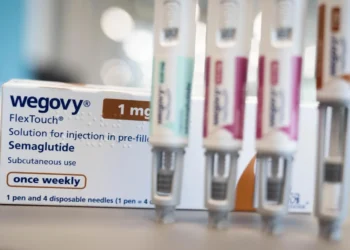
Medicines such as Wegovy and Mounjaro have attracted considerable public attention because of their effectiveness in helping eligible adults lose weight. However, their use among children requires a different approach because young patients are still developing physically, hormonally and psychologically.
Martin Whyte, a professor of metabolic medicine at the University of Surrey, said the number of prescriptions remained relatively small compared with the overall scale of childhood obesity. Nevertheless, he emphasised that children receiving these medicines must be supported through specialist healthcare services and encouraged to make sustainable changes to their lifestyles.
According to Whyte, treatment should involve comprehensive support covering nutrition, physical development and general wellbeing. Regular monitoring is particularly important because children’s bodies undergo significant changes during adolescence, and medical interventions could have implications that require careful assessment over time.
He highlighted the importance of monitoring growth, puberty, nutritional intake, mental health, eating behaviours and possible side effects. Another important concern is the possibility of weight returning after medication is discontinued. This makes long-term planning essential rather than treating injections as a temporary solution.
The evidence surrounding the prolonged use of GLP-1 medications among growing children also remains limited. Although clinical research has provided encouraging findings, experts say more information is needed about the effects of treatment over several years and its implications for physical and psychological development.
England has already introduced specialist services to address severe childhood obesity. The NHS began piloting Complications from Excess Weight clinics in 2021, targeting children between the ages of two and 16 who experience serious weight-related health problems.
These clinics are designed to provide multidisciplinary care, bringing together medical professionals, nutrition specialists and other healthcare workers to assess children’s needs and develop appropriate treatment plans.
In May 2026, NHS England reported that almost 6,500 children had been referred to these specialist services since their introduction. More than 400 of those referred were younger than four, demonstrating that serious weight-related health concerns can emerge during very early childhood.
Hundreds of young people have received weight-management medicines through these services. However, only some clinics have access to funding that allows them to provide GLP-1 treatments, which are generally dispensed through hospital pharmacies.
Dr Dunia Ismail, a consultant paediatrician who manages one of the specialist clinics, said healthcare professionals had traditionally focused on patients aged 12 and above when considering these medicines. However, specialists are now examining the possibility of extending access to younger patients, potentially including children aged eight and above, where the treatments are appropriately licensed and approved.
The discussion has become particularly important following the publication of new global guidance from the World Health Organization. The guidelines, released last month, state that obesity medications, including GLP-1 treatments, should not be given to children younger than 10.
At the same time, emerging clinical research has raised interest in the potential effectiveness of these medicines among younger age groups. A recent trial involving 165 children aged six to under 12, conducted by pharmaceutical company Novo Nordisk, which manufactures medicines including Wegovy and Victoza, suggested that semaglutide could help young children experiencing obesity.
The findings have added another dimension to the debate over whether carefully supervised medical treatment could benefit children who have not responded sufficiently to conventional interventions. However, clinical trial results do not automatically establish that a medicine is suitable for every child, and decisions must consider regulatory approval, individual medical circumstances and potential risks.
Julian Hamilton-Shield, a professor of diabetes and metabolic endocrinology and a clinician at the Bristol Complications from Excess Weight clinic, explained that children receiving semaglutide through specialist services have generally experienced difficulties losing weight through conventional dietary advice, nutritional support and psychological interventions.
He said many of these young patients also experience additional health complications, including type 2 diabetes, obstructive sleep apnoea, liver disease and intracranial hypertension. In such circumstances, medication may be considered as an additional treatment after other approaches have failed to deliver sufficient improvements.
Hamilton-Shield stressed that GLP-1 medicines are not intended for every child who is above a healthy weight. Instead, they are generally considered for patients experiencing particularly severe obesity and significant associated medical complications.
He also warned against treating childhood obesity as a moral failure or blaming children and their families for their medical circumstances. According to him, healthcare services should focus on providing appropriate treatment to those who need it rather than making judgments about their weight.
The psychological consequences of severe childhood obesity can be substantial. Children experiencing the condition may face bullying, social exclusion, low self-esteem and difficulties participating in school activities. Some also experience significant physical limitations because of related medical complications.
Hamilton-Shield said successful treatment could have a transformative effect on young patients who have struggled with their health and confidence for years. For some children, substantial weight reduction can improve their physical condition and help them regain a sense of control over their daily lives.
Dr Ismail similarly emphasised that obesity should be recognised as a medical condition rather than simply a matter of personal choice. She warned that without effective intervention, children experiencing severe obesity could face serious health consequences during adulthood, including heart disease and diabetes, and potentially a reduced life expectancy.

The growing use of GLP-1 medications among children therefore reflects a complicated healthcare challenge. Medical professionals must balance the potential benefits of treatment against uncertainties surrounding long-term safety, development and the possibility of weight returning after medication stops.
As childhood obesity continues to affect millions of young people worldwide, the debate is likely to intensify. For healthcare authorities in England, the priority will be ensuring that children receive evidence-based treatment, appropriate specialist supervision and sustained support throughout their development.
Ultimately, experts agree that medication alone cannot provide a complete solution. Effective treatment must combine medical care, nutritional education, psychological support and long-term lifestyle improvements while addressing the wider social and environmental factors contributing to childhood obesity. The challenge is to protect vulnerable young patients today while ensuring they have the opportunity to enjoy healthier lives in adulthood.
Related News:
 Banned Health Coach Faces UK Events Criticism
 Teenager Receives UK’s First Testicular Tissue Transplant
 UK Weighs Tougher Firework Rules Over Animal Welfare
 NHS Rolls Out Child Illness Warning System Across England
 Cumbria Mental Health Hub Shows Early Promise
 How Bringing Forests Into Preschools Boosts Children’s Health
 Experts Urge Legal Right to Timely Cancer Care
 Patients to Test Health at Home to Ease NHS Winter Pressure
 North Sea oil workers must lose weight or face job loss
 No link found between paracetamol in pregnancy and autism
 Coffins Now Too Large to Cremate Amid Rising Obesity Crisis
 Thinktank Urges Smaller Hospitals to End NHS ‘Permacrisis’
 NHS paediatric leave parents waiting months for answers
 Cancer Death Rate in Britain Falls by Nearly a Third
 NHS Safety Fears as Nurses Cover Doctor Gaps
 Reform UK funding: mystery billionaire revealed
 Barrister Criticises Trial After Suicide Case Verdict
 UK to Expand Prostate Cancer Trials for Black Men
 NHS Approves Landmark Ovarian Cancer Drug
 UK Schools Struggle as Classrooms Top 40C
 London Tube Heat Reaches Dangerous Levels
 Weight-Loss Drugs Offer Food Savings Mainly to High Earners
 London’s 2026 ‘Great Stink’ Raises Sewer Concerns
 Australia gives users control over social media algorithms
 Election Candidate Abuse Raises Alarm in England
 Enhertu Approved for Eligible Breast Cancer Patients in England
 Nature Access Gaps Expose Inequality Across England
 English Hospitals Face Shortage of Health Play Staff
 Disabled Travellers Seek Fairer UK Care Rules
 NHS Breast Care Review Finds Serious Patient Harm
 Headteachers Warn New Ofsted System Is Harming Wellbeing
 GP List Policy Risks Cutting Off Vulnerable Patients
 Drones Could Speed Up Defibrillator Delivery
 Fayed Survivors Demand Inquiry Into Medical Regulator
 London Facial Recognition Trial Ends With False Alert
 Edinburgh Glasshouses Reopen After Major Restoration
 Palantir Lobbyist Had Role in Burnham Campaign
 Feeld Founders Receive Record Dividend as Sales Rise
 BT Broadband Pauses Raise Digital Switchover Concerns
 Experts Warn UK Food Security Is at Risk
 The Cockroach Infestation I Still Cannot Forget
 WHO Seeks Russia Answers Over Suspected Plague Death
 Sardinia Village Emerges as Longevity Hotspot
 Bendy Elm Named UK Tree of the Year
 Britons Demand Greater Honesty on Climate Crisis
 UK Water Firms Earn Millions From Industrial Wastewater
 Controversial Vaccine Trial Approved in Guinea-Bissau
 Australian Advocates Seek Subsidised Drugs for PMOS
 Recruitment Boss Accused of Leading Doxxing Campaign
 UK Shoppers Urged to Avoid Hake and Coley
 Indonesia Tests Dry Ice as Toxic Haze Spreads Across Asia
 NHS Trusts Reject Palantir’s £330m Patient Data Platform
 Climate Change Makes Tap Water Unsafe in Arctic Norway
 Up to 20 English Maternity Units Face Possible Closure
 Bradford Rail Hub Promises Faster Northern Connections
 Support for NHS Founding Principles Declines Across UK
 Nigeria Confirms Ebola Case as Regional Outbreak Spreads
 Yvette Cooper Reverses NHS Patient Watchdog Abolition Plan
 Democrats Court Maha Voters as Trump Alliance Frays
 Australia Faces Growing Scrutiny Over Paraquat Risks
 Measles Claims Child’s Life in New York After 30 Years
 Queensland Hospital to Close Labs After Safety Probe
 UK Review Urges Jobs Revolution for Disabled Youth
 AI Crisis Forces UK Universities to Rethink Exams
 UK Bans Fake Numbers: Scammers Lose Their Trick
 Reeves rejects £1bn plea for NHS redundancy payouts
 Five-Year-Old Dies After Rare Tonsil Surgery Complication
 Streeting moves on doctor pay to end strike dispute
 Rising Costs Force Families to Rethink Days Out
 Palantir Boss Defends NHS Deal Amid Government Break Clause
 Crisis in NHS Surgery Scheduling Hits Patients Hard
 Labour MP Revives Blocked Assisted Dying Bill in Commons
 British Museum Faces Questions Over Peter Thiel’s Private Bayeux Viewing
 Tom Watson Takes Senior Role at Palantir
 Healey urged to act as UK energy bills rise 4%
 Badenoch Raises Prospect of 2027 UK Election
 Elizabeth Struhs Inquest Examines Child Safety Failures
 UK Visa Refusal Threatens Baby’s Family Christmas
 UK Land Registry Plan Faces Opposition From Landowners
 Early-Release Prisoners Face Rising Risk of Homelessness