Published: 02 October 2026. The English Chronicle Desk. The English Chronicle Online
The UK government has moved to reassure motorists that Britain is not facing a diesel shortage after US President Donald Trump threatened to restrict fuel exports, amid rising concerns over international supplies and rapidly increasing prices at British filling stations.
Transport minister Keir Mather said the UK’s diesel supply network remained resilient because fuel was obtained from a range of international sources. His comments were intended to calm concerns that restrictions on US exports could leave Britain struggling to secure enough diesel, particularly as domestic refining capacity remains limited and one of the country’s largest refineries is preparing for an extended period of maintenance.
Speaking on Friday, Mather said motorists should continue to use filling stations normally and should not be concerned about an imminent shortage. He argued that the diversity of Britain’s fuel supply arrangements provided protection against disruption from any individual supplier.

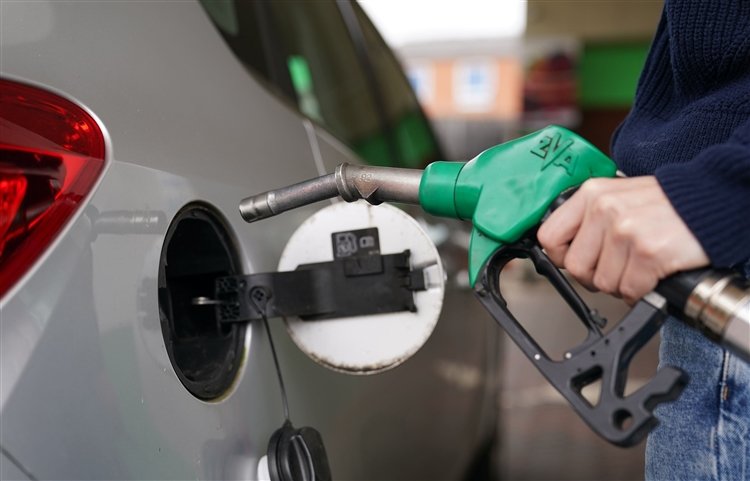
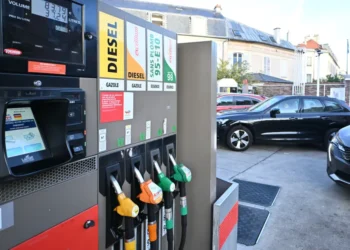
The reassurance comes at a particularly difficult time for British drivers. The average UK diesel price passed £2 a litre for the first time on Friday, reaching 200.01 pence per litre according to figures from the motoring organisation RAC. The milestone represents another sharp increase in the cost of running diesel vehicles and has intensified concerns about the wider impact of energy prices on household budgets and businesses.
The government is also facing pressure over the possibility of further increases if international fuel supplies become tighter. The United States is an important source of diesel for Britain, accounting for around 30% of UK diesel imports. Most of the remainder comes from other European markets, creating a supply system that officials say is sufficiently diversified to withstand pressure on individual routes.
Britain also holds reserve supplies equivalent to around 42 days, providing an additional buffer if international deliveries are temporarily disrupted. However, concerns have grown because the global fuel market is already under pressure from geopolitical developments, refinery disruptions and uncertainty over energy exports.
Trump’s threat to restrict US fuel supplies has added another layer of uncertainty. The US administration has been pressing European countries to make greater use of emergency diesel reserves as prices rise. Germany and France have been among the countries urged to consider releasing stockpiles, with Washington warning that continued access to American supplies could be affected if European governments do not take action to ease pressure on fuel markets.
The UK has subsequently opened discussions with European partners about the possible release of emergency diesel reserves. Officials are examining how stockpiles held by European countries could be used if market conditions deteriorate further.
The discussions are not limited to Britain’s immediate supply requirements. European governments and energy officials are also considering the wider effect of high diesel prices on transport companies, manufacturers, farmers and households.
Dan Jørgensen, the European commissioner for energy, said on Friday that discussions over emergency diesel reserves were taking place with members of the International Energy Agency. He indicated that the release of strategic stocks remained one of the options available to governments if market conditions warranted such action.
The prospect of using emergency reserves reflects the unusual pressure currently affecting the diesel market. Strategic stockpiles are generally maintained to provide protection against significant disruptions rather than ordinary price movements. Their potential use therefore signals the level of concern among energy authorities about the combination of geopolitical tensions and supply constraints.
Britain faces an additional domestic challenge because its refining industry has become much smaller over the past several decades. The country had 18 refineries during the 1980s but now has only four major facilities. This means the UK is more dependent on international fuel markets and imported refined products than it was in the past.
The Fawley refinery in Hampshire, the country’s largest refinery, is also scheduled to close temporarily for planned maintenance. The shutdown is expected to last for up to 10 weeks. Although the maintenance has been planned rather than caused by the current fuel market disruption, its timing has added to concerns about the availability of diesel during a period of already elevated prices.
Officials have stressed that planned maintenance does not mean the UK is running out of fuel. The country’s import infrastructure and existing reserves are intended to provide flexibility when domestic production is temporarily reduced.
Nevertheless, the combination of the Fawley shutdown, international supply concerns and threats of restrictions on US exports has increased attention on Britain’s fuel security.
The latest rise in diesel prices is already having a direct effect on motorists. At 200.01 pence a litre, filling a typical 55-litre diesel tank now costs roughly £110. The increase is particularly significant for households that depend on cars for commuting, childcare, shopping and other essential journeys.
Higher diesel prices are also a concern for businesses. Road haulage companies, delivery operators, agricultural businesses and other industries rely heavily on diesel-powered vehicles. When fuel costs rise, companies may face higher operating expenses and could eventually pass some of those costs on to consumers through higher prices for goods and services.
The pressure comes despite government measures designed to limit the effect of rising fuel costs. The government has extended a 5p-a-litre reduction in fuel duty until the end of the year. The measure provides some relief to motorists, although the scale of the recent increase in wholesale and retail fuel prices means that drivers are still paying considerably more than earlier in the year.
The RAC has called for the fuel duty reduction to be extended beyond the end of the year, arguing that motorists need additional support as diesel prices continue to climb.
Mather said the government was aware of the pressure facing households and businesses and would consider the issue as part of wider decisions on fuel duty. The chancellor is expected to set out the government’s plans for fuel taxation at the budget.
The debate over fuel prices also highlights the difficult balance facing policymakers. Cutting fuel taxes can provide immediate support to drivers but reduces government revenue, while allowing prices to rise can place additional pressure on household finances and businesses.
At the same time, governments must ensure that interventions in the fuel market do not create unintended consequences. Strategic reserves are limited resources, and releasing them can provide temporary relief without resolving the underlying causes of supply disruption.
The European discussions therefore represent an attempt to manage immediate market pressures while governments continue to monitor international fuel flows.
For British motorists, the central question remains whether the current price shock will develop into an actual supply problem. The government says there is no evidence of an imminent shortage and that the UK’s diverse import arrangements and reserve stocks provide a significant buffer.
However, the unprecedented rise in the average diesel price demonstrates that motorists are already experiencing the effects of the wider energy crisis even without empty pumps.
The coming weeks are likely to remain important for Britain’s fuel market. Developments in US export policy, European emergency reserves, refinery operations and international energy supplies could all influence prices and availability.

For now, ministers are urging motorists not to panic-buy diesel. Officials maintain that fuel continues to flow into Britain from multiple sources and that the country’s reserves provide additional protection against temporary disruptions.
The government’s immediate priority is therefore to maintain confidence in the supply network while working with European partners and US officials to keep fuel markets functioning normally. Whether those efforts can prevent further price increases will depend largely on developments beyond Britain’s control.
The £2-a-litre diesel milestone has nevertheless become a stark reminder of how quickly international energy disruptions can affect everyday life in Britain. Even if supplies remain available, the financial burden of filling a vehicle is becoming increasingly difficult for many households and businesses to absorb.
Related News:
 UK Diesel Reaches £2 as Inflation Surges Across Europe
 Oil nears $100 as Saudi attacks shake markets
 Oil Prices Surge as Saudi Pipeline Closure Deepens Crisis
 Thames Water Revises Oxfordshire Mega-Reservoir Plan
 UK Trade Losses Grow Without EU Product Deal
 UK Diesel Prices Hit Record High Amid Iran Conflict
 Poundland Rescue Bid Could Protect 11,000 Jobs
 UK Wage Growth Slows as Jobs Market Holds Firm
 Reeves Fights to Keep Treasury Role Amid Labour Turmoil
 Firms on both sides fear damage from US-Canada trade war
 Europe Faces Winter Gas Supply Anxiety
 Dutch Bank Moves 86 Tonnes of Gold to London
 UK House Prices Fall as Mortgage Rates Rise
 Billionaire Chris Rokos poised to leave UK
 JPMorgan Boss Warns Against UK Bank Tax Rise
 John Lewis Losses Widen to £124m as Confidence Falls
 UK Productivity Improves as Bank Weighs Interest Rates
 Japan Raises Rates to 31-Year High
 UK Retail Sales Rebound as Consumers Spend More
 UK Borrowing Hits £18.3bn Ahead of Budget
 Thinktank Calls for Abolition of UK State Pension
 MPs Defend UK Economic Watchdog Against Critics
 Chinese Hybrid Car Surge Raises EU Auto Industry Concerns
 Tony Blair Calls for Britain to Rejoin EU Within a Decade
 AO Acquires Jessops in Camera Retail Expansion
 Saudi intercepts Houthi missiles as oil fears grow
 Should Savers Lock Into 5.25% Fixed Rates?
 Beaverbrooks Boss Calls for Relief on Business Costs
 Ukraine Faces $45m Hourly Cost From Missile Alerts
 UK house price growth slows as mortgage rates rise
 UK borrowing costs surge as global bond sell-off deepens
 Boots Sale Nears as Weston Family Eyes $9bn Deal
 French Debt Fears Put Euro Markets Under Pressure
 UK Assures Public Over Diesel Supply
 Wealthy Britons Flee Gulf War but Avoid UK Taxes
 BBC News Faces Deep Cuts in 2,000 Job Plan
 New UK advice scheme to boost savings and investing
 UK Pushes for New EU Goods Trade Deal
 UK rejects EV charging VAT cut amid Treasury clash
 Labour MPs Urge Burnham to Revive UK Aid Target
 EasyJet Takeover Sparks Fears Over Passengers’ Future
 Canada to Match Trump’s 50% Tariffs Dollar for Dollar
 Pubs and Hotels Face Business Rates Reform Review
 Shein targets $27bn valuation in Hong Kong debut
 UK Households Could Save £173 on Fixed Energy Deals
 Burnham Faces Mounting Budget Challenges
 Trump Hardens Canada Trade Stance as Talks Stall
 Ukraine Moves to Seize Water Company
 UK Cost Squeeze Deepens as Mortgages and Gas Rise
 Swedish Mining Push Puts Sami Land Rights Under Pressure
 Spire Healthcare Agrees £1bn Takeover by Toscafund
 Iceland to Open First UK High Street Store in Falklands
 Saudi Arabia Shuts Oil Pipeline After Drone Attack
 UK Retailers Accused of Breaking Refund Laws
 UK State Pension Set to Rise 3.9% as Triple Lock Holds
 UK Parents Cut School Uniform Costs as Prices Rise
 North Sea Firms Urge Early End to Windfall Tax
 UK Pay Growth Slows to 3.9% as Rate Decision Nears
 Bank Urged to Slow Bond Sales as UK Costs Rise
 JLR Eyes NATO Market With New Defender Military Vehicle
 UK Inflation Hits 3.1% as Household Pressure Grows
 Entain Plans 400 Job Cuts After Profit Update
 Next Raises Profit Forecast After Strong Summer Sales
 Trump Threatens EU With Tariffs Over Canada Proposal
 Trump Threatens EU Over Canada Partnership Proposal
 Barclays Staff Push Back Against Office Return Plan
 UK Rent Gap Puts Low-Income Families Under Pressure
 Calls Grow to Expand UK National Wealth Fund
 Trump Eyes Major Belarus Fertiliser Deal Amid Canada Trade Dispute
 Burnham Leaves Door Open to Future Brexit Reversal
 Iran Rejects Claims of Shift in US Talks
 TalkTalk Races to Sell Arms as Administration Looms
 Why Americans Feel Ripped Off by Rising Prices
 New UK Homes in Flood Zones Face Insurance Risk
 Burnham Opens Door to Possible UK Return to EU
 Bank Chief Calls for Power to Intervene in AI
 Healey urged to act as UK energy bills rise 4%
 UK Bookmakers Linked to Offshore Casino Deal
 BBC Three and Scotland Face Online-Only Future
 Feeld Founders Receive Record Dividend as Sales Rise