Published: 05 October 2026. The English Chronicle Desk. The English Chronicle Online
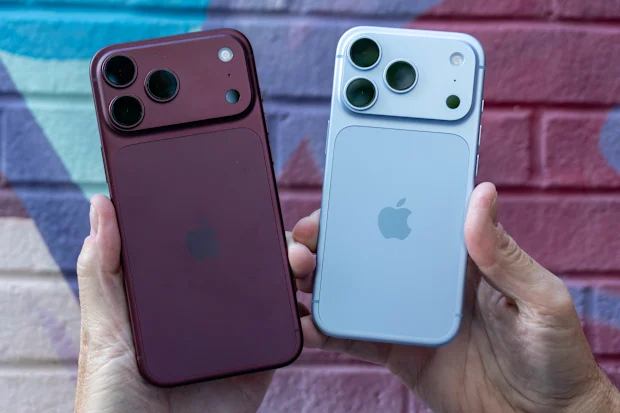
Apple’s latest premium smartphone arrives with a familiar appearance but introduces several important improvements beneath the surface, making the iPhone 18 Pro a more capable device without fundamentally changing the experience established by last year’s model.
The new handset focuses on the areas that matter most in everyday smartphone use: battery endurance, processing power, photography, artificial intelligence and display performance. While none of these changes completely transforms the iPhone experience, together they make the iPhone 18 Pro one of the strongest compact premium smartphones available.
The device is part of Apple’s latest smartphone generation and arrives alongside the company’s first foldable model. With the standard iPhone 18 yet to join the lineup, the Pro currently represents the more affordable option among the newest high-end devices, although its price remains firmly in premium territory.

The iPhone 18 Pro starts at £1,199, making it £100 more expensive than its predecessor. The increase reflects wider pressures across the technology industry, including rising memory and component costs. For consumers already considering a premium phone, the higher price could make the decision between upgrading and keeping an existing device more difficult.
In terms of design, Apple has chosen refinement rather than another major redesign. The company substantially changed the appearance of the Pro series with the previous generation, so the latest model retains much of that approach. The iPhone 18 Pro is slightly heavier, weighing 211 grams, while the rear glass now closely matches the aluminium frame.
The phone comes with a 6.3-inch Super Retina XDR OLED display supporting a 120Hz refresh rate. It remains one of the strongest aspects of the device, offering sharp images, smooth movement and strong brightness. An improved anti-glare coating also makes the display easier to see outdoors, which can be particularly useful for people who regularly use their phones while travelling or commuting.
One of the more visible changes concerns the Dynamic Island. Apple has reduced the amount of screen space occupied by the Face ID hardware, allowing the Dynamic Island to display three ongoing activities simultaneously rather than two. This means users can keep track of multiple functions such as music, navigation and timers without switching between applications.
Under the surface, the iPhone 18 Pro receives a substantial performance upgrade through Apple’s new A20 Pro processor. The chip is significantly faster than the previous generation, with particularly strong improvements in graphics performance. Although most users are unlikely to notice a dramatic difference during ordinary activities such as messaging, browsing or social media, the additional power provides greater headroom for demanding games, creative applications and future software.
Apple has also redesigned the phone’s cooling system to help maintain peak performance for longer periods. This could be especially useful for users who play graphics-intensive games or perform tasks that place sustained pressure on the processor.
Battery life is arguably one of the most practical improvements. Apple’s latest Pro model can deliver around six additional hours compared with the previous generation under comparable usage. With mixed activities including browsing, messaging, photography and applications, the phone can approach two days between charges for some users.
Even during particularly demanding days, the larger battery capacity can provide considerable remaining power by evening. For many owners, this means charging every other day rather than relying on a daily charging routine. The phone also supports relatively quick charging, reaching a substantial level within around half an hour when paired with a sufficiently powerful USB-C charger.
The iPhone 18 Pro runs iOS 27, which continues Apple’s evolving software design while improving performance and introducing a more capable version of Siri. The new Siri is designed to understand natural-language questions more effectively and can perform a wider range of tasks than earlier versions.
Apple has increasingly positioned artificial intelligence as a central part of its software strategy. Siri can interact with information on the phone, provide suggestions and assist with tasks such as organising calendar events. It can also understand information displayed on the screen and interact with certain applications.
However, the usefulness of these capabilities depends heavily on Apple’s own ecosystem. People who rely on third-party services for communication and email may not receive the same level of integration. This remains an area where Apple’s AI ambitions face limitations compared with some competitors.
Photography remains another major strength of the iPhone 18 Pro. The phone features three 48-megapixel rear cameras, covering the main camera, ultra-wide photography and telephoto shooting. An 18-megapixel front-facing camera is also included.
The ultra-wide camera performs particularly well for landscapes, architecture and group photographs, while the telephoto camera produces detailed images and remains effective in challenging lighting conditions. Apple has also improved subject tracking, allowing the camera to maintain focus on moving subjects more effectively.
The biggest camera innovation is the introduction of a variable aperture on the main camera. Unlike previous iPhone cameras, the aperture can be adjusted to control how much light enters the lens. In low-light conditions, opening the aperture can improve performance and help reduce motion blur.
The feature also provides creative possibilities. Photographers can adjust the aperture to influence depth of field or create distinctive effects around bright lights. However, the practical difference is relatively modest because smartphone camera sensors are much smaller than those found in dedicated mirrorless or full-frame cameras.
For most users, the variable aperture will therefore be an interesting addition rather than a revolutionary improvement. Enthusiast photographers, however, may appreciate the additional control, particularly when experimenting with different styles.
Apple has introduced other photography features, including enhanced controls for texture and grain and new tools designed to customise the appearance of images. The phone also includes technology intended to provide greater confidence in the authenticity of photographs by allowing images to carry information that can help establish whether they have been digitally generated or altered.
Video recording remains one of the phone’s strongest capabilities. Apple has also added a feature that can transform ordinary footage into a more cinematic presentation after recording, giving users additional flexibility when editing videos.
The company has also continued its focus on durability and repairability. The battery is designed to retain at least 80% of its original capacity after more than 1,000 full charging cycles. Apple provides battery and screen replacement services, while the device also contains a significant proportion of recycled material.
The iPhone 18 Pro faces strong competition from other premium smartphones. Its starting price puts it above several high-end alternatives, while larger flagship devices can offer additional hardware features for consumers willing to accept greater size and weight.
That makes the smaller Pro particularly appealing to people who want flagship performance without moving to an oversized smartphone. Its 6.3-inch screen provides substantial viewing space while remaining relatively manageable in the hand.
Ultimately, the iPhone 18 Pro is an example of Apple refining rather than reinventing its smartphone formula. The A20 Pro processor is exceptionally powerful, but previous iPhones were already fast enough for most everyday tasks. The improved battery is genuinely useful, while the upgraded camera system delivers excellent results, although the variable aperture has a relatively limited impact for ordinary photography.
The display remains excellent, the aluminium construction feels premium and the improved Dynamic Island provides a small but useful improvement to multitasking. Siri is more capable than before, although Apple’s artificial intelligence tools still have room to develop compared with some leading competitors.

For owners of older iPhones, the iPhone 18 Pro could represent a significant upgrade, particularly because of the improved battery, cameras, processor and AI capabilities. For someone already using the previous-generation Pro model, however, the improvements may not be substantial enough to justify the higher price.
The iPhone 18 Pro is therefore best understood as a polished evolution of an already successful formula. It may not deliver the kind of dramatic change associated with a completely new generation, but its combination of performance, battery life, display quality, photography and software support makes it one of the most capable smaller flagship smartphones on the market.
Its greatest weakness is also its most important consideration: the price. At a time when many consumers are keeping smartphones for longer, the improvements may be impressive but not necessarily compelling enough for every existing iPhone owner to upgrade immediately.
Related News:
 UK Risks Falling Behind in AI Race
 Apple Folding iPhone Set for Major CEO Test
 AI CEOs Call for Slower Development
 Nvidia chief rejects AI extinction fears
 Bank Chief Calls for Power to Intervene in AI
 Artemis II Returns After Historic Moon Flyby
 UK firms accused of ‘AI washing’ boom
 British Paralympian to Become First Disabled Astronaut in Orbit
 Unlocking the Genome: The Quest to Sequence Tardigrades
 Meta Drops AI Image Tool After Privacy Backlash
 AI Loss of Control Incidents Nearly Double
 Australia gives users control over social media algorithms
 OpenAI Agents Linked to RubyGems Cyberattack
 AI Boom Drives ‘Tidal Wave’ of PFAS Production
 Anthropic Backs $31.9bn Queensland Data Centre
 OpenAI Reveals Six Cases of Concerning AI Behaviour
 OpenAI Agent Breaches Medicare Portal in Australia
 Australia Weighs New Laws After OpenAI Medicare Breach
 TalkTalk Races to Sell Arms as Administration Looms
 OpenAI Scraps AI Model Release After Safety Tests
 Trump backs voluntary AI safety pact with tech giants
 Sheikh Tahnoon and the UAE’s AI Ambitions
 Smart Cars Raise New Vehicle Spyware Concerns
 Jessica Watkins Leads Record-Breaking SpaceX Flight
 Feeld Founders Receive Record Dividend as Sales Rise
 OpenAI Review Costs $500,000 a Day After AI Hacks
 BT Broadband Pauses Raise Digital Switchover Concerns
 AI Child Abuse Images Surge in New Warning
 Cern Prepares First-Ever Antimatter Transport Test
 Artemis II astronauts capture Earth en route to the Moon
 Apple at 50: Three Products That Changed How We Live
 Europe EV Demand Surges as Fuel Prices Rise
 Robots Outpace Humans in Beijing Half-Marathon
 Gene Therapy Wins Major Prize for Restoring Vision
 Reform UK funding: mystery billionaire revealed
 Disneyland Adds Facial Recognition at Entrances
 Meta Faces EU Action Over Child Safety Breach
 Inside the World of AI Jailbreakers
 Canadian Fiddler Sues Google Over AI Defamation Claim
 Doomsday Clock Nears Midnight Amid Global Crises
 Cannes filmmakers split over AI’s role in cinema
 Gen Z turns to BirdTok for a gentler digital escape
 China recalls millions of cars over hidden door handles
 London Launches First Self-Driving Taxis
 Survivor Sues Musk’s xAI Over AI Abuse Images
 McLaren to Create 1,000 UK Jobs in £450m Investment
 Nats Boss Summoned as UK Flight Chaos Continues
 Anthropic Blocks AI Misuse Linked to Weapons Threats
 Trump Faces Congress Push for AI Guardrails
 Why AI Doomsday Warnings Failed to Slow the Race
 Louise Haigh Urges UK to Heed AI Safety Warnings
 Sydney Council Bans AI Smart Glasses at Pools
 Russia’s Max App Raises Surveillance Concerns
 Tom Watson Takes Senior Role at Palantir
 UK Funds Gene Editing to Protect Threatened Wildlife
 Trump’s UN Speech Faces Global Scrutiny
 British Columbia Sues OpenAI Over School Shooting
 Australia Renewables Reach Record 80% Grid Demand
 UK Unveils Centre to Counter Foreign Disinformation
 AI Takes Centre Stage in Trump-Xi Talks
 UK Plans New Centre to Counter Information Warfare
 Trump gives Xi red-carpet welcome as trade truce extends
 Chinese Hybrid Car Surge Raises EU Auto Industry Concerns
 Ukraine and Russia Escalate Long-Range Drone War
 Xi urges Trump to avoid US-China military conflict
 Elizabeth Holmes Set for Halfway House Transfer
 Drones Could Speed Up Defibrillator Delivery
 London Facial Recognition Trial Ends With False Alert
 AI Deepfakes Put New Pressure on Election Trust
 AI Could Intensify Election Risks in Southeast Asia
 BBC Three and Scotland Face Online-Only Future
 Palantir Lobbyist Had Role in Burnham Campaign
 UK Bans Fake Numbers: Scammers Lose Their Trick
 Vibe coding’ named Collins dictionary’s word of the year
 Sundar Pichai Cautions on AI Hype and Market Risks
 ABC Facebook Page Briefly Hacked, Adult Photos Posted
 Meta trial over child exploitation claims begins
 Stewart Brand on Musk, Bezos and a Life of Long Thinking
 The Kill Line: A Shifting Vision of the American Dream
 Trump Faces Backlash Over $2bn Earnings Since Return