Published: 07 October 2026. The English Chronicle Desk. The English Chronicle Online.
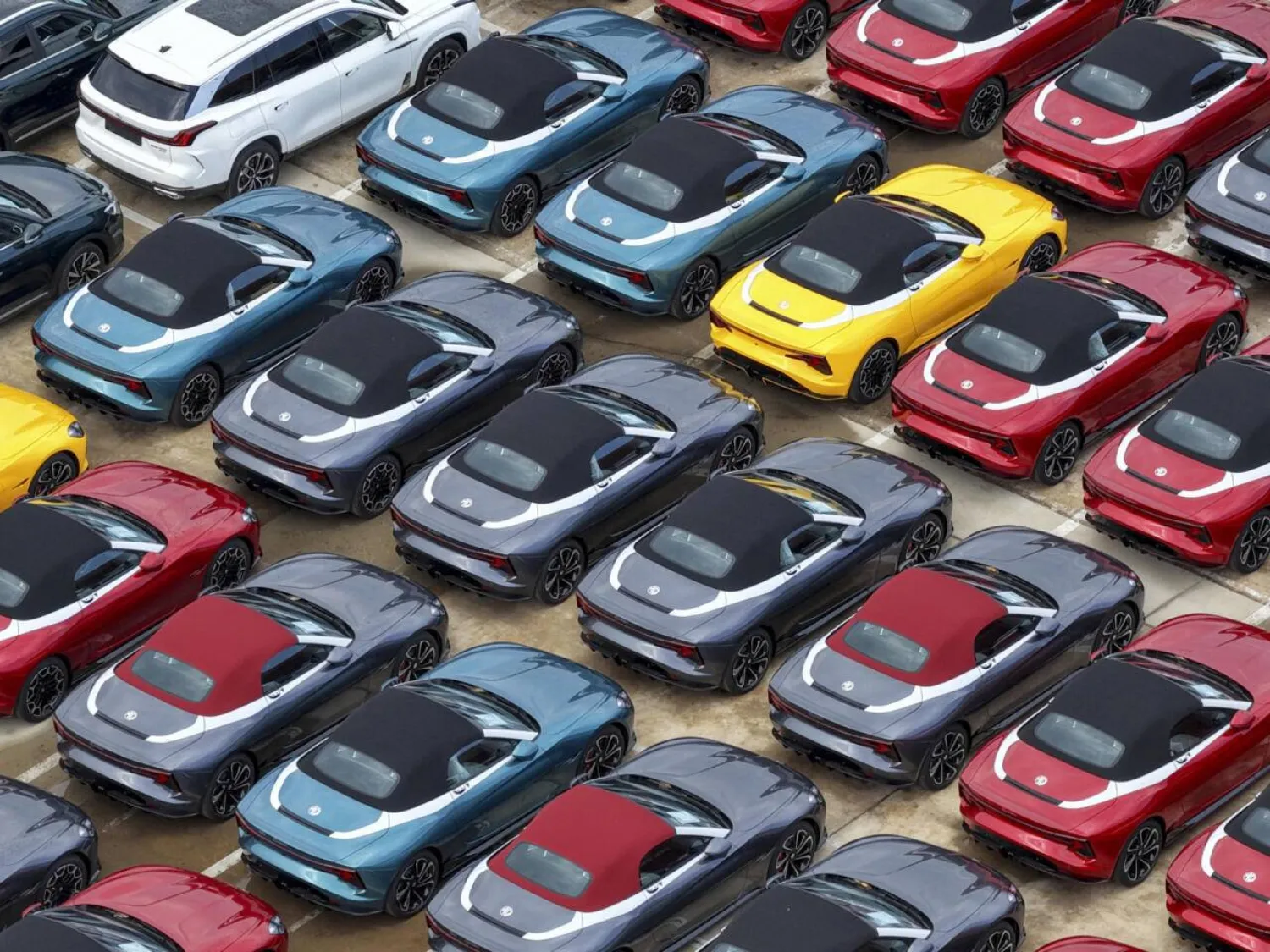
European Union trade negotiators are travelling to China for two days of high-level discussions aimed at finding a practical way to reduce the growing flow of relatively cheap hybrid electric vehicles into the European market. The talks come at a sensitive moment in EU-China economic relations, as several member states increasingly fear that rapidly rising Chinese exports could place additional pressure on European manufacturers and accelerate industrial decline across the bloc.
EU Trade Commissioner Maroš Šefčovič and his negotiating team are expected to begin intensive discussions on Thursday and continue negotiations until late Friday. The immediate objective is to secure what European officials have described as tangible, meaningful and measurable progress before EU leaders meet in Brussels next week, where relations with China are expected to feature prominently on the agenda.
At the centre of the discussions is a possible pilot arrangement focused on a single industrial sector. The automotive industry is widely expected to become the first area covered by such an agreement. If successful, the approach could eventually be extended to other sectors affected by concerns over China’s expanding exports and Europe’s weakening industrial competitiveness.

The negotiations reflect a significant change in the atmosphere surrounding EU-China trade. When diplomatic efforts began in late June to prevent the dispute from developing into a wider trade confrontation, there was considerable doubt that Beijing would agree to voluntarily reduce exports. China’s manufacturing industries have repeatedly demonstrated an ability to redirect products towards markets where demand remains available whenever new trade restrictions are introduced elsewhere.
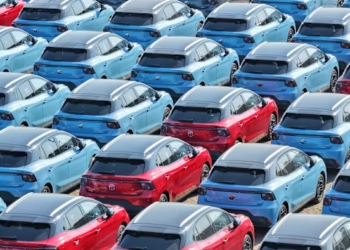
The experience of Europe’s electric vehicle market has reinforced those concerns. After the European Union introduced additional tariffs on Chinese battery-powered electric vehicles in 2024, Chinese manufacturers increased their presence in the hybrid vehicle segment, where the same tariff barriers did not initially apply. The shift demonstrated how quickly companies could adjust their export strategies in response to changes in European trade policy.
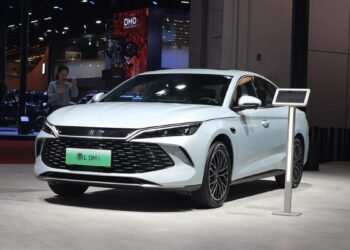
Hybrid vehicles have subsequently become an increasingly important part of the debate over China’s role in the European automotive market. European governments and manufacturers are concerned that continued growth in imports could make it more difficult for domestic companies to maintain production, employment and investment while competing against manufacturers benefiting from large-scale production capacity and strong cost advantages.
The EU last month asked China to voluntarily limit its hybrid vehicle exports in an effort to ease pressure on European producers. Brussels also warned that failure to address the increase could eventually lead to the introduction of safeguard measures, potentially including quotas or other restrictions on the volume of vehicles entering the European market.
The precise response from Beijing to that request has not been publicly established. However, people familiar with the negotiations indicate that the tone of the discussions has become more difficult as EU governments have strengthened their demands for protection against imports that they believe could threaten strategically important industries.
The shift has been particularly significant in Germany, Europe’s largest industrial economy and one of the countries with the deepest commercial links to China. German Chancellor Friedrich Merz and French President Emmanuel Macron have recently moved closer together in advocating stronger European tools to respond to industrial pressure from abroad.
A joint Franco-German proposal has called for more effective mechanisms that could allow the European Union to respond rapidly when foreign countries are seen as undermining fair competition. The proposal reflects concerns extending well beyond the car industry, with pharmaceuticals, aerospace, machine tools and chemicals among the sectors identified as strategically important to Europe’s economic model.
The initiative could give Brussels greater flexibility to restrict access to the EU’s single market when necessary. Supporters argue that existing trade defence mechanisms are sometimes too slow to respond to rapidly changing economic conditions, allowing foreign competitors to gain market share before European institutions can take effective action.
The proposed new mechanism has informally been described as a potential “kill switch”, reflecting the desire among some European policymakers for an instrument that could be activated quickly when serious trade distortions emerge. The idea has gained momentum partly because another powerful European measure, the anti-coercion instrument, has remained unused despite years of debate over how it could be deployed.
The anti-coercion instrument was considered particularly relevant after former US President Donald Trump threatened European exports with tariffs, but political support for its immediate use remained limited. One concern has been that the process could take too long to deliver a response in fast-moving trade disputes.
The renewed Franco-German push therefore represents more than a disagreement over individual vehicle imports. It signals a broader debate about how Europe should protect its industrial base while maintaining an open trading relationship with one of its most important economic partners.
For Germany, the issue is particularly sensitive because its automotive sector has historically been a cornerstone of the national economy. Major German manufacturers have significant operations and commercial interests in China, while China itself has developed a powerful domestic vehicle industry capable of producing increasingly sophisticated electric and hybrid models at competitive prices.
European officials now face the difficult task of balancing those commercial relationships against growing political pressure to defend domestic manufacturing. Any agreement that significantly limits Chinese vehicle exports could provide relief to European producers, but it could also risk provoking retaliation from Beijing or damaging businesses that rely heavily on access to the Chinese market.
Analysts have warned that the negotiations could therefore become a test of whether Brussels and Beijing are genuinely prepared to compromise. Andrew Small, a former EU adviser on China, has suggested that the coming discussions will reveal whether Beijing is willing to put sufficiently serious proposals on the table to address European concerns.
There is also concern that prolonged negotiations could delay more decisive action. Critics of a purely diplomatic approach fear that China could offer limited concessions that create the appearance of progress while leaving the underlying competitive pressures unchanged. Such an outcome could allow negotiations to continue while European industries face continued pressure from cheaper imports.
This concern is closely connected to a wider European debate over deindustrialisation. Policymakers across the continent are increasingly worried about high energy costs, international competition, investment shortages and the possibility that important manufacturing capabilities could move outside Europe.
The Franco-German position reflects that anxiety. Their joint assessment described the situation as a major industrial shock affecting sectors considered central to Europe’s economic future. The argument is that trade policy can no longer be treated separately from industrial policy, particularly when governments believe foreign subsidies, market practices or state-backed production advantages are reshaping global competition.
Germany’s changing position is especially notable because Berlin has traditionally favoured maintaining strong economic engagement with China. German industry has benefited enormously from Chinese demand, and successive governments have been cautious about measures that could undermine those commercial links.
The tougher stance now emerging in Berlin suggests that economic concerns are beginning to outweigh some of the traditional arguments for a more accommodating China policy. European policymakers increasingly appear to view the relationship through the lens of economic security as well as trade and investment.
For China, the challenge will be to determine how much flexibility it is prepared to show without undermining the interests of its rapidly expanding automotive industry. Chinese manufacturers have invested heavily in electric and hybrid vehicle production, and overseas markets are increasingly important as domestic competition intensifies.

For the European Union, the immediate priority is to secure an arrangement that can demonstrate measurable results without triggering a wider trade conflict. A voluntary agreement on hybrid vehicle exports could offer both sides a way to avoid harsher measures, while giving European manufacturers some additional breathing room.
The outcome of the talks could therefore have consequences far beyond the automotive industry. If negotiators succeed in creating a workable model for managing trade imbalances in one sector, Brussels could attempt to use the same framework elsewhere. If negotiations fail, pressure for tariffs, quotas and faster defensive measures is likely to increase.
As EU negotiators prepare for two days of difficult discussions in China, the central question is no longer simply how many vehicles can enter the European market. It is whether Brussels and Beijing can establish a new balance in their economic relationship at a time when Europe is becoming increasingly determined to protect its industrial capacity while China continues to expand its global manufacturing reach.
Related News:
 Oil nears $100 as Saudi attacks shake markets
 Saudi intercepts Houthi missiles as oil fears grow
 Ukraine Faces $45m Hourly Cost From Missile Alerts
 French Debt Fears Put Euro Markets Under Pressure
 UK Diesel Reaches £2 as Inflation Surges Across Europe
 Minister Rejects Fears of UK Diesel Shortage
 Informa Agrees £2.24bn Deal to Buy Clarion
 Reeves Fights to Keep Treasury Role Amid Labour Turmoil
 Firms on both sides fear damage from US-Canada trade war
 Dutch Bank Moves 86 Tonnes of Gold to London
 Trump Hardens Canada Trade Stance as Talks Stall
 Swedish Mining Push Puts Sami Land Rights Under Pressure
 Oil Prices Surge as Saudi Pipeline Closure Deepens Crisis
 Thames Water Revises Oxfordshire Mega-Reservoir Plan
 Japan Raises Rates to 31-Year High
 Trump Eyes Major Belarus Fertiliser Deal Amid Canada Trade Dispute
 Thinktank Calls for Abolition of UK State Pension
 MPs Defend UK Economic Watchdog Against Critics
 Iran Rejects Claims of Shift in US Talks
 Chinese Hybrid Car Surge Raises EU Auto Industry Concerns
 Tony Blair Calls for Britain to Rejoin EU Within a Decade
 UK Trade Losses Grow Without EU Product Deal
 Poundland Rescue Bid Could Protect 11,000 Jobs
 Asos Investigates Hack Claims After Customer Alerts
 UK Wage Growth Slows as Jobs Market Holds Firm
 BBC News Faces Deep Cuts in 2,000 Job Plan
 Norway Doubles Down on Oil and Gas for Europe Energy Security
 US Awaits Iran Reply on New Ceasefire Proposal
 UK Pushes for New EU Goods Trade Deal
 Hungary Targets Oligarchs with Proposed Landmark Wealth Tax
 Severn Trent CEO Reward Package Doubled Despite Public Anger
 Europe Weighs Hormuz Navigation Fee Plan
 Labour MPs Urge Burnham to Revive UK Aid Target
 Canada to Match Trump’s 50% Tariffs Dollar for Dollar
 Shein targets $27bn valuation in Hong Kong debut
 Europe Faces Winter Gas Supply Anxiety
 Burnham Faces Mounting Budget Challenges
 Reform Faces Fresh Financial Controversy
 UK House Prices Fall as Mortgage Rates Rise
 Billionaire Chris Rokos poised to leave UK
 Trump Pledges $5,000 if Republicans Win Midterms
 JPMorgan Boss Warns Against UK Bank Tax Rise
 John Lewis Losses Widen to £124m as Confidence Falls
 Saudi Arabia Shuts Oil Pipeline After Drone Attack
 UK Pay Growth Slows to 3.9% as Rate Decision Nears
 Bank Urged to Slow Bond Sales as UK Costs Rise
 JLR Eyes NATO Market With New Defender Military Vehicle
 UK Inflation Hits 3.1% as Household Pressure Grows
 Trump Threatens EU With Tariffs Over Canada Proposal
 UK Productivity Improves as Bank Weighs Interest Rates
 Trump Threatens EU Over Canada Partnership Proposal
 US House Passes Russia Sanctions Bill Amid Debate
 US Sanctions Open New Battle for Cuba Assets
 UK Retail Sales Rebound as Consumers Spend More
 Macron and Carney deepen France-Canada ties
 UK Borrowing Hits £18.3bn Ahead of Budget
 Burnham Leaves Door Open to Future Brexit Reversal
 AO Acquires Jessops in Camera Retail Expansion
 Should Savers Lock Into 5.25% Fixed Rates?
 Beaverbrooks Boss Calls for Relief on Business Costs
 Why Americans Feel Ripped Off by Rising Prices
 UK Diesel Prices Hit Record High Amid Iran Conflict
 Madrid Tent Camp Grows as Spain Housing Crisis Deepens
 Burnham Opens Door to Possible UK Return to EU
 UK house price growth slows as mortgage rates rise
 UK borrowing costs surge as global bond sell-off deepens
 Boots Sale Nears as Weston Family Eyes $9bn Deal
 UK Assures Public Over Diesel Supply
 London Council Warns of 150% Council Tax Rise
 UK Faces Calls to Review Bank Failure Bets
 Spain Sets Snap Election as Housing Crisis Deepens
 UK Weighs Chinese Car Tariffs Amid EU Trade Push
 BT Agrees £400m TalkTalk Rescue Deal
 Bayeux Tapestry Revives Franco-British Ties
 North Sea Firms Urge Early End to Windfall Tax
 Entain Plans 400 Job Cuts After Profit Update
 Trump gives Xi red-carpet welcome as trade truce extends
 Healey urged to act as UK energy bills rise 4%
 Badenoch Raises Prospect of 2027 UK Election
 France Schools Protests Draw 250,000 as Police Clash