Published: 09 October 2026. The English Chronicle Desk. The English Chronicle Online
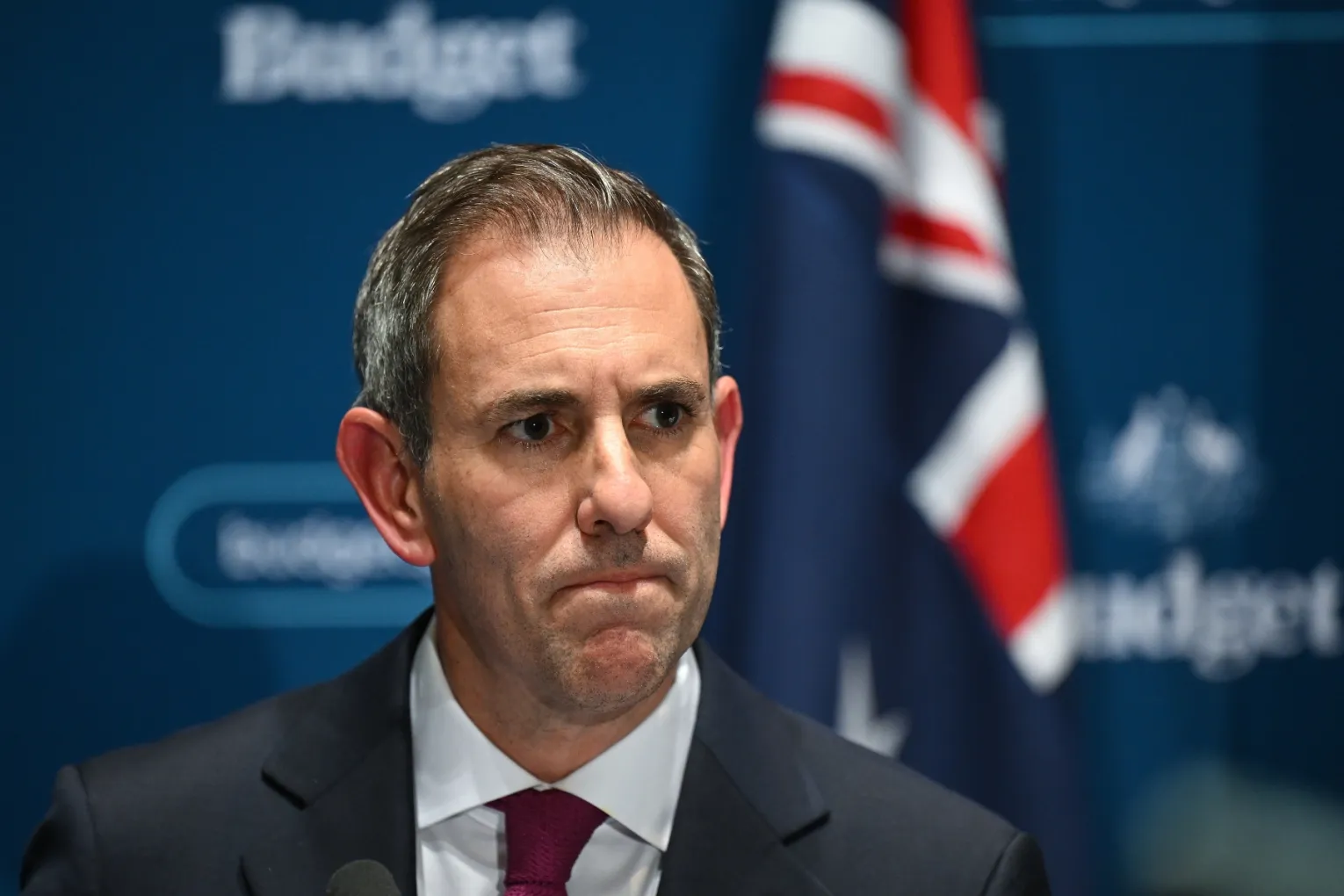
Australia’s federal government has stepped in to delay a controversial decision by the Australian Taxation Office (ATO) to stop accepting credit card payments for tax bills, following strong opposition from small businesses and industry representatives. Treasurer Jim Chalmers announced additional funding for the tax office on Friday, providing a transition period intended to give businesses more time to adjust to the proposed changes.
The decision follows days of criticism after the ATO announced that it would discontinue credit card payments for tax liabilities from the beginning of December. The move had threatened to disrupt the financial management practices of some small businesses, many of which use credit cards to manage cash flow and meet tax obligations while waiting for money owed by customers to arrive.
Under the revised arrangement, the ATO will continue accepting credit card payments through third-party payment providers until the end of the 2026–27 financial year. The extension is intended to keep the existing option available while the government and tax authorities consult small businesses and determine how the new payment arrangements should operate.

The dispute emerged after the Reserve Bank of Australia moved to prohibit surcharges on credit and debit card transactions. Such surcharges have allowed businesses to pass some card-processing expenses on to customers. However, the policy changes have also created questions about how organisations that accept card payments will manage transaction costs when those charges can no longer be transferred directly to card users.
The ATO had argued that continuing to accept credit card payments without the ability to recover the associated costs would impose a substantial financial burden on taxpayers collectively. Tax Commissioner Rob Heferen said the arrangement could cost the tax office almost A$200 million annually. The agency therefore decided to stop accepting credit card payments for tax bills from 1 December, while continuing to offer other payment options.
Those alternatives include debit cards and bank transfers, which are available through free or lower-cost payment arrangements. Nevertheless, business representatives argued that removing credit cards would take away a useful financial management tool, particularly for smaller companies facing unpredictable income, delayed customer payments and mounting operating expenses.
For some businesses, credit cards provide a short-term bridge between the date a tax bill becomes due and the arrival of revenue. Depending on their credit arrangements, business owners may be able to make a payment immediately and manage the resulting balance within an existing credit period. Although this approach does not eliminate the underlying tax liability and may involve interest or other charges, it can provide flexibility when cash flow is tight.
Industry estimates suggest that approximately 5% of small businesses use credit cards to pay tax bills. While the proportion is relatively small, business groups say the impact on those companies could be significant, especially for operators with limited cash reserves or seasonal income. Losing the payment option with little time to prepare could force some businesses to change their financing arrangements or seek alternative sources of short-term credit.
Chalmers said the government had provided additional funding to allow the ATO to continue accepting credit card payments during the transition period. He explained that ministers generally sought to avoid interfering with the operational decisions of independent institutions such as the Reserve Bank and the tax office, but considered it important to prevent the payment option from disappearing before businesses had adequate time to adjust.
The treasurer said the extension would give the ATO an opportunity to consult small businesses and develop a more appropriate approach to implementing the changes. The decision does not permanently reverse the proposed ban. Instead, it postpones the change and creates additional time for consultation before the end of June 2027.
The dispute also highlights the limits of government intervention in the work of independent public institutions. The ATO operates independently, and the government cannot simply direct the tax commissioner to change operational decisions. However, because taxation obligations and the broader legal framework are determined through federal legislation, ministers can consider policy and funding arrangements that influence how tax payments are administered.
The government’s intervention came after pressure from opposition politicians and business organisations, which warned that the proposed ban would place an unnecessary burden on companies already dealing with elevated costs. Critics argued that the ATO’s initial announcement did not provide sufficient time for affected businesses to adapt.
Opposition leader Angus Taylor welcomed the opportunity to criticise the government’s handling of the issue but argued that a delay was not enough. He called for the proposed ban to be abandoned entirely, rather than postponed until the following financial year.
Taylor said the government had merely delayed the disruption facing businesses instead of resolving the underlying problem. He also attacked Chalmers politically, describing the decision as another embarrassing retreat by the government. His comments reflected the broader opposition effort to portray the administration as struggling to manage economic pressures and respond effectively to business concerns.
Business groups, meanwhile, offered a more positive assessment of the immediate outcome. Andrew McKellar, chief executive of the Australian Chamber of Commerce and Industry, said the extension provided much-needed breathing space for small businesses. He welcomed the decision as temporary relief but stressed that many companies remained under considerable pressure.
For business owners, the additional months could provide time to review payment procedures, renegotiate credit arrangements and assess whether other methods would meet their cash-flow needs. The transition period could also allow industry representatives to explain how the change would affect different sectors, including businesses with irregular revenue or substantial tax obligations.
However, the extension leaves important questions unresolved. Businesses will need clarity about whether credit card payments will remain available beyond June 2027, what alternative arrangements may be introduced and whether any new system will impose additional administrative or financial burdens. The outcome of consultations between the ATO and business groups will therefore be important in determining how the policy develops.
The wider debate also raises questions about the balance between reducing payment-processing costs and preserving flexibility for taxpayers. Credit card transactions can be expensive for institutions that accept them, particularly when processing charges cannot be recovered from the people making payments. From the ATO’s perspective, those expenses ultimately affect public resources that could otherwise be used for other services.
At the same time, removing an established payment method can have consequences for taxpayers who depend on it to manage the timing of their financial obligations. For small businesses, cash flow is not simply a matter of profitability. A company can generate revenue on paper and still struggle to pay suppliers, wages or tax bills if incoming payments arrive later than expected.
The government’s decision reflects an attempt to manage those competing concerns without immediately abandoning the tax office’s plan to change its payment arrangements. Whether the additional funding and consultation process will produce a lasting solution remains uncertain.
The controversy also comes at a time when Australian businesses are closely watching changes to taxation, payment systems and the cost of running a company. Even administrative decisions can affect daily operations when they influence how businesses settle major liabilities. The reaction to the credit card proposal demonstrates that small businesses expect policymakers to consider practical financial consequences before introducing significant changes.

For now, the immediate threat of losing the credit card payment option has been postponed. The extension offers affected businesses more time to prepare, while leaving the government and the ATO with the task of developing arrangements that balance processing costs with taxpayers’ needs.
The coming months will determine whether consultation produces a workable compromise or whether businesses face the same uncertainty again when the transition period ends. Until then, the government’s intervention provides temporary relief but does not settle the wider dispute over how Australians should be able to pay their tax bills.
Related News:
 Ministers Push ATO to Reconsider Credit Card Ban
 Informa Agrees £2.24bn Deal to Buy Clarion
 EU-China Talks Target Surge in Hybrid Car Imports
 Oil nears $100 as Saudi attacks shake markets
 Thames Water Revises Oxfordshire Mega-Reservoir Plan
 Thinktank Calls for Abolition of UK State Pension
 MPs Defend UK Economic Watchdog Against Critics
 Chinese Hybrid Car Surge Raises EU Auto Industry Concerns
 UK Trade Losses Grow Without EU Product Deal
 Saudi intercepts Houthi missiles as oil fears grow
 Poundland Rescue Bid Could Protect 11,000 Jobs
 UK Diesel Reaches £2 as Inflation Surges Across Europe
 Minister Rejects Fears of UK Diesel Shortage
 IMF Warns Governments Over Rising Debt Burdens
 Tesco Raises Profit Forecast as Consumer Confidence Holds
 BBC News Faces Deep Cuts in 2,000 Job Plan
 Reeves Fights to Keep Treasury Role Amid Labour Turmoil
 Firms on both sides fear damage from US-Canada trade war
 Burnham Faces Mounting Budget Challenges
 Dutch Bank Moves 86 Tonnes of Gold to London
 Trump Hardens Canada Trade Stance as Talks Stall
 Swedish Mining Push Puts Sami Land Rights Under Pressure
 UK House Prices Fall as Mortgage Rates Rise
 Billionaire Chris Rokos poised to leave UK
 JPMorgan Boss Warns Against UK Bank Tax Rise
 John Lewis Losses Widen to £124m as Confidence Falls
 Oil Prices Surge as Saudi Pipeline Closure Deepens Crisis
 UK Pay Growth Slows to 3.9% as Rate Decision Nears
 Bank Urged to Slow Bond Sales as UK Costs Rise
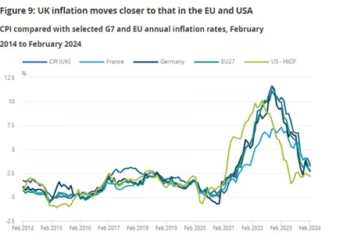 UK Inflation Hits 3.1% as Household Pressure Grows
 UK Productivity Improves as Bank Weighs Interest Rates
 Japan Raises Rates to 31-Year High
 UK Retail Sales Rebound as Consumers Spend More
 Trump Eyes Major Belarus Fertiliser Deal Amid Canada Trade Dispute
 UK Borrowing Hits £18.3bn Ahead of Budget
 Iran Rejects Claims of Shift in US Talks
 Tony Blair Calls for Britain to Rejoin EU Within a Decade
 AO Acquires Jessops in Camera Retail Expansion
 Should Savers Lock Into 5.25% Fixed Rates?
 Beaverbrooks Boss Calls for Relief on Business Costs
 Why Americans Feel Ripped Off by Rising Prices
 UK Diesel Prices Hit Record High Amid Iran Conflict
 Ukraine Faces $45m Hourly Cost From Missile Alerts
 UK house price growth slows as mortgage rates rise
 UK borrowing costs surge as global bond sell-off deepens
 Boots Sale Nears as Weston Family Eyes $9bn Deal
 French Debt Fears Put Euro Markets Under Pressure
 UK Assures Public Over Diesel Supply
 London Council Warns of 150% Council Tax Rise
 UK Faces Calls to Review Bank Failure Bets
 UK Weighs Chinese Car Tariffs Amid EU Trade Push
 BT Agrees £400m TalkTalk Rescue Deal
 Asos Investigates Hack Claims After Customer Alerts
 Shell Refineries Set for Record Refining Profits
 Doubts Grow Over Trump’s $15bn Iowa Steel Plant
 Japan Beer Giants Face Cartel Probe
 Google Maps Brings Live Fuel Prices to UK Drivers
 Oil Shock Sends Markets Lower as Middle East Risks Grow
 Albanese Rejects Gas Export Tax Push
 US Awaits Iran Reply on New Ceasefire Proposal
 Kevin Warsh sworn in as Fed chair amid economic backlash
 Albanese Defends Tax Reforms Amid Emotional Speech
 US CEOs Earn 614 Times More Than Workers
 UK Cost Squeeze Deepens as Mortgages and Gas Rise
 UK Retailers Accused of Breaking Refund Laws
 Farage Threatens Union Funding Ban Over Reform Donations
 North Sea Firms Urge Early End to Windfall Tax
 Mayors Could Gain Greater Powers Over Water Firms
 Entain Plans 400 Job Cuts After Profit Update
 Trump Threatens EU With Tariffs Over Canada Proposal
 US Sanctions Open New Battle for Cuba Assets
 UK Rent Gap Puts Low-Income Families Under Pressure
 Calls Grow to Expand UK National Wealth Fund
 Australia Renewables Reach Record 80% Grid Demand
 Burnham Opens Door to Possible UK Return to EU
 Healey urged to act as UK energy bills rise 4%
 Badenoch Raises Prospect of 2027 UK Election
 North Sea Strike Threatens UK Fuel Supplies
 UK house prices stall as mortgage costs rise
 South Korea Probes Fuel Shipments to Russia