Published: 19 October 2026. The English Chronicle Desk. The English Chronicle Online
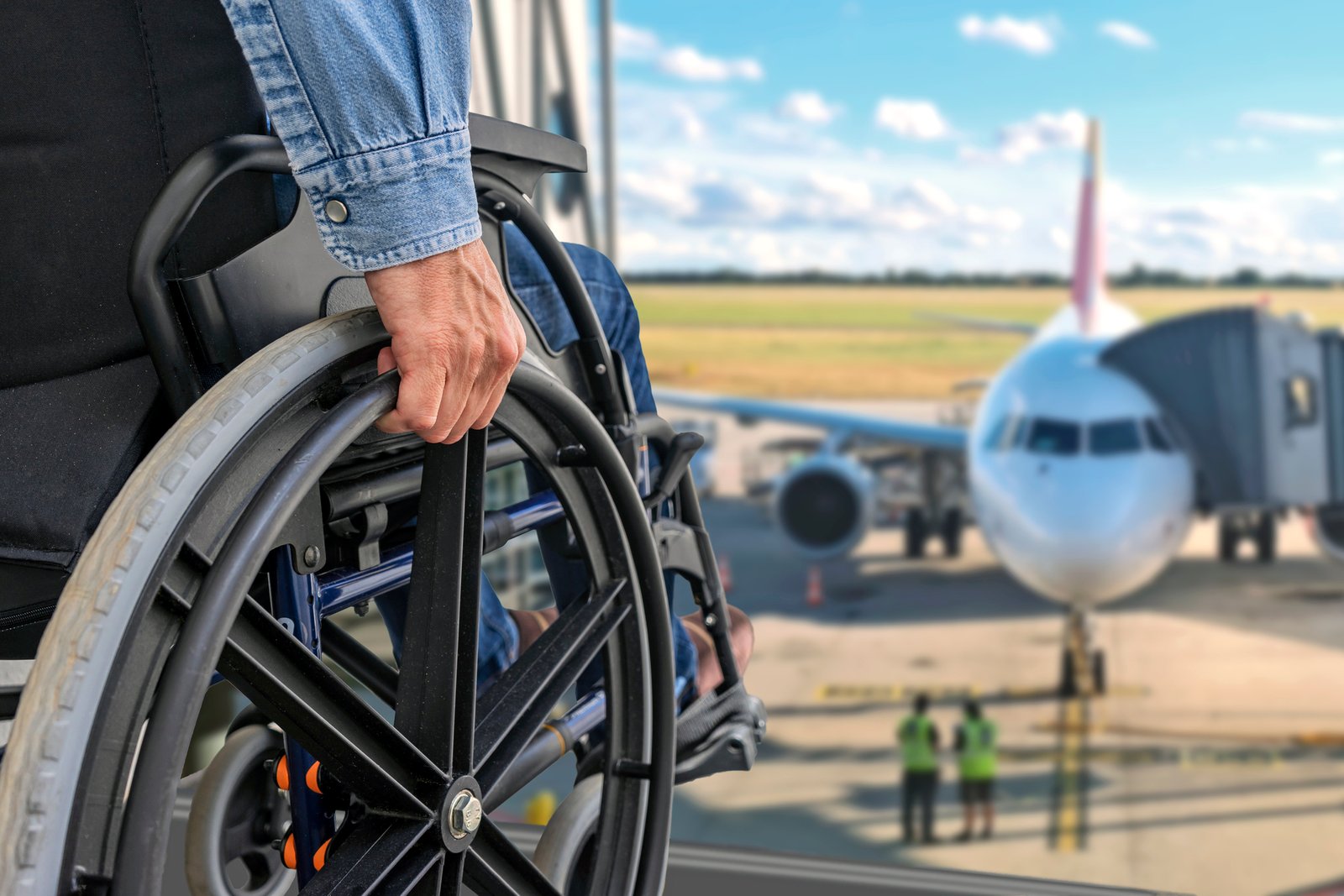
The UK government has pledged stronger protections for disabled air passengers, promising measures to prevent damage to wheelchairs and other mobility equipment, improve staff training and ensure travellers receive the assistance they need at airports. The planned reforms are intended to make flying safer, more accessible and less stressful for people with disabilities, following years of complaints about inadequate support, damaged equipment and passengers being left without help during their journeys.
Despite improvements reported by the aviation industry, significant concerns remain. Almost one in five disabled passengers continues to express dissatisfaction with their air travel experience, while the number of travellers requesting assistance is increasing. The government says further action is necessary to ensure that disabled people can travel with dignity and confidence, rather than facing additional uncertainty when using a service that many passengers rely on for work, family commitments, holidays and medical needs.
The Department for Transport said airports had expanded staff training and introduced a standardised system to help airlines prepare for the handling of mobility aids. These changes follow repeated incidents involving wheelchairs being damaged during flights and passengers experiencing difficulties obtaining assistance at airports. More than 1,000 wheelchairs were damaged in transit during 2024, equivalent to more than 80 each month, according to figures cited by the department.

For wheelchair users, such damage can have consequences that extend far beyond the inconvenience of a delayed or disrupted journey. A wheelchair may be individually adjusted to meet a person’s physical needs, and damage can affect their independence, comfort and ability to move safely. If essential equipment is unavailable or unusable after landing, passengers may be unable to leave an airport independently or continue with their planned activities. The resulting disruption can create additional financial, practical and emotional burdens.
The government’s proposed changes include removing the maximum compensation payout for lost or damaged wheelchairs. The intention is to strengthen protections for passengers whose mobility equipment is damaged while travelling by air. Under the existing arrangements, compensation limits can leave passengers concerned that the amount they receive may not reflect the actual cost of replacing specialised equipment or restoring their independence.
Removing the maximum payout would represent a significant change in how the aviation sector handles such cases. However, the practical impact will depend on the final legislation and the arrangements introduced to assess claims and resolve disputes. Clear procedures will be important to ensure that passengers can obtain appropriate compensation without facing unnecessarily complicated or lengthy processes.
The government also intends to give the aviation regulator stronger powers to fine airlines and airports that fail to provide the assistance passengers require. The proposed enforcement measures are expected to form part of the civil aviation bill, which is progressing through Parliament. The legislation is intended to strengthen consumer rights and improve accountability across the aviation sector.
Stronger regulatory powers could help address concerns that accessibility commitments are not always reflected in passengers’ actual experiences. Training and guidance may improve staff awareness, but passengers also need reliable procedures, adequate staffing and effective oversight. The possibility of financial penalties could encourage airlines and airports to treat accessibility requirements as a core operational responsibility rather than an issue to address only after a complaint has been made.
Transport Secretary Heidi Alexander said disabled passengers should be able to fly without worrying about whether their wheelchairs would be returned intact or whether trained staff would be available to support them throughout the airport. She said the government had supported industry efforts to overhaul staff training, prevent damage to mobility aids and establish simpler ways for passengers to share important information before travelling.
Advance information can play an important role in improving assistance. When airlines and airports know what support a passenger requires, they can make appropriate arrangements for boarding, transfers, equipment handling and movement through airport facilities. However, such systems must be straightforward to use and should not place excessive responsibility on disabled passengers to repeatedly explain their needs to different staff members.
Accessibility also depends on coordination between the organisations involved in a journey. Passengers may interact with airline employees, airport assistance teams, security personnel and ground-handling contractors before reaching their aircraft. If information is lost between those services, a traveller can face delays or be left waiting without appropriate support. Consistent procedures and clearly assigned responsibilities are therefore essential to making improvements effective.
The government’s latest commitments follow a review led by Tanni Grey-Thompson, which called for substantial improvements to air travel for disabled people. The review was prompted by repeated reports of passengers being left stranded or experiencing serious failures in assistance. Its recommendations covered changes intended to improve the way airlines and airports support disabled travellers, including the training and procedures needed to make journeys more reliable.
An aviation accessibility implementation group, led jointly by representatives responsible for assessing progress, has been monitoring work on the review’s 19 recommendations. Its co-chairs acknowledged that further work remained necessary but described the progress made so far as a positive start. They said the next phase would focus on embedding more of the changes required to help disabled people fly with confidence and dignity.
The group’s assessment suggests that progress should be measured not only by new policies or training programmes, but also by whether disabled passengers notice a meaningful improvement in practice. Staff need to understand how to provide assistance respectfully, respond to different accessibility requirements and handle mobility equipment appropriately. Training must also be reinforced through supervision, clear operating procedures and mechanisms for learning from complaints.
The continuing dissatisfaction reported by passengers indicates that improvements have not yet resolved every problem. According to Airlines UK chief executive Tim Alderslade, the number of passengers requiring assistance has increased by nearly 10 per cent year on year. The rise places additional demands on airlines and airports, which must ensure that staffing and support services keep pace with changing passenger needs.
Alderslade said 82 per cent of disabled passengers reported satisfaction with their air travel experience, arguing that the figure demonstrated the efforts and progress airlines were making to support travellers who need additional assistance. The figure also means that a substantial minority remains dissatisfied, underlining the difference between improvements across the industry and the experiences of individual passengers.
The increase in demand for assistance has implications for airport operations. Services must be available at the right time, including when passengers arrive, move between airport facilities, board aircraft or collect their mobility equipment after landing. Insufficient staffing or poor coordination can create long waits and uncertainty, particularly for travellers who cannot move independently over long distances or who require specific forms of physical support.
For disabled passengers, dependable assistance is not simply an additional convenience. It can determine whether a journey is manageable, whether a connecting flight can be reached and whether a traveller can move safely through an unfamiliar environment. A damaged wheelchair or an extended wait for help can undermine a passenger’s independence and make future travel more difficult to plan.
The wider challenge is to ensure that accessibility is built into the normal operation of air travel. Better training, advance communication and stronger enforcement can contribute to that goal, but the results will depend on implementation. Airlines and airports will need to ensure that staff understand their responsibilities, mobility aids are handled carefully and passengers have accessible ways to report problems and seek remedies.
The proposed civil aviation legislation could provide a stronger framework for addressing these concerns, particularly if it gives regulators effective tools to respond when services fall short. Removing compensation limits for damaged or lost wheelchairs could also help ensure that the consequences of equipment damage are taken seriously. Nevertheless, the details of the legislation and its enforcement will determine how far the measures improve passengers’ everyday experiences.

The government faces pressure to demonstrate that its commitments will lead to lasting changes rather than remain policy announcements. Disabled travellers have long called for reliable assistance, safe handling of mobility equipment and greater accountability when things go wrong. As passenger demand continues to rise, the aviation industry must show that it can provide support consistently across different airports, airlines and stages of a journey.
The latest pledge marks another step towards improving accessibility in UK aviation, but the continuing dissatisfaction among disabled passengers shows that the work is unfinished. The central test will be whether travellers can board and leave aircraft safely, receive timely support and trust that their essential mobility equipment will be handled with care. For disabled people who want to travel independently, stronger safeguards could make a meaningful difference, provided the promised reforms are implemented effectively and their impact is closely monitored.
Related News:
 UK Passport Rules Leave Family Facing Separation
 UK may ban protests amid rising antisemitism fears
 Ministers Condemn Far-Right Unrest in Portsmouth
 Patriot Platform Raises Concern Across Britain
 Reform UK Receives Record £36m Donation From Crypto Billionaire
 Election Candidate Abuse Raises Alarm in England
 Mahmood Warns Far Right Over Asylum Protests
 Disabled Travellers Seek Fairer UK Care Rules
 UK Reviews Hague Child Abduction Cases Involving Abuse
 King Refers Jamaica Slavery Petition to Privy Council
 Far-Right Activist Arrested After Channel Dinghy Incident
 Portadown protest ends after tense Orange Order standoff
 Free Speech Emerges as Key UK Election Issue
 Burnham Opens Door to Possible UK Return to EU
 Drumcree Talks Falter as Legal Challenge Deepens
 UK-France Returns Deal Faces Expiry as Talks Stall
 Hundreds of UK prisoners released early amid overcrowding
 Drumcree Talks End Without Agreement Ahead of Appeal
 Badenoch Raises Prospect of 2027 UK Election
 Gosport Protesters Clash With Police Over Migrant Rescue
 Recruitment Boss Accused of Leading Doxxing Campaign
 England and Wales Begin Second Wave of Early Prison Releases
 Farage Rejects Claims Reform Would Let Troops Shoot Migrants
 French Taxi Driver Cleared in David Lammy Theft Case After Fare Dispute
 Major Rent Reform Ends No-Fault Evictions in England
 Peers Flood Assisted Dying Bill with 942 Amendments
 UK Asylum Overhaul Sparks Debate Over Human Rights and Deportations
 Peers Get Extra Time to Debate Assisted Dying Bill
 Tim Walz urges Trump to withdraw federal agents immediately
 Civil Service Pay: Union Urges Ministers to End ‘Barking Mad’ Limits
 Proposed Law Leaves Gap for Children of Convicted Paedophiles
 Kezia Dugdale Warns of Possible Reversal of Equal Rights Gains
 Synagogue Arson Attempt Sparks Security Fears
 Crackdown Backfires on UK Climate Protesters
 John Terry Faces Backlash Over Political Posts
 Greens Face Internal Row Over Antisemitism Claims
 Barrister Criticises Trial After Suicide Case Verdict
 Immigration Judges Fear Pressure in Trump Era
 Farage and Reform UK Reshape British Politics
 Starmer Leadership Under Pressure After Setbacks
 Le Pen’s Popularity Holds Despite Conviction
 London Tube Heat Reaches Dangerous Levels
 Westminster Council Threatens Charing Cross Soup Kitchen
 BBC Warned About Missing Clothes of Murder Victim
 Burnham unveils £65m drought aid for farmers
 Unions Warn Labour Over Zero-Hours Contract Reforms
 Queue row erupts on Wales’ highest mountain
 RAF Barnham Protests Fuel Tensions in Norfolk Town
 Internal Exclusions Surge in England’s Schools
 UK plans tougher Israel stance with settlement trade ban
 Councils spend £125m on illegal children’s care
 UK Retailers Accused of Breaking Refund Laws
 Lib Dems Prepare for Election Amid Reform Challenge
 Reform UK Faces Internal Debate Over £72m Spending
 Democrat Says ICE Restricted Detention Camp Oversight
 Roman Finds Reveal Bath’s Suburban Past
 London Facial Recognition Trial Ends With False Alert
 UK University Strikes Spread as Financial Pressure Grows
 Green Party faces dispute over Zionism motion
 French School Protests Escalate as 400 Schools Close
 Palace Rejects Funding Andrew’s Police Legal Challenge
 Police accused of failing abuse victims
 UK Mission in East Jerusalem to Remain Open
 Royal Navy Sailor Charged With Alleged Spying
 Labour Wins Key London By-election as Greens Fall Short
 South Africa Withdraws Directive on Asylum Applications
 US Execution Livestream Plan Sparks Global Outrage
 Delhi Detains Protest Leaders as Youth Rally Escalates
 British Military School Abuse Victims Denied Justice
 UK Greens Face Crisis Over Zionism and Extremism Row
 Ohio Airports Become Key Hubs for ICE Deportation Flights
 Farage Calls for Prosecution of Asylum Seeker Charities
 Gadi Eisenkot: Israel’s Anti-Netanyahu Challenger
 Talarico Faces Tough Voter Test in Texas Senate Race
 UK Bill Faces Warning Over Fayed Trafficking Victims
 UK Could Rejoin EU Through a Switzerland Plus Deal
 Jenrick Defends Farage Amid Fresh Reform Racism Claims
 UK Visa Refusal Threatens Baby’s Family Christmas
 Macron Condemns Violence as France Faces 2,400 Arrests
 Up to 20 English Maternity Units Face Possible Closure