Published: 23 October 2026. The English Chronicle Desk. The English Chronicle Online
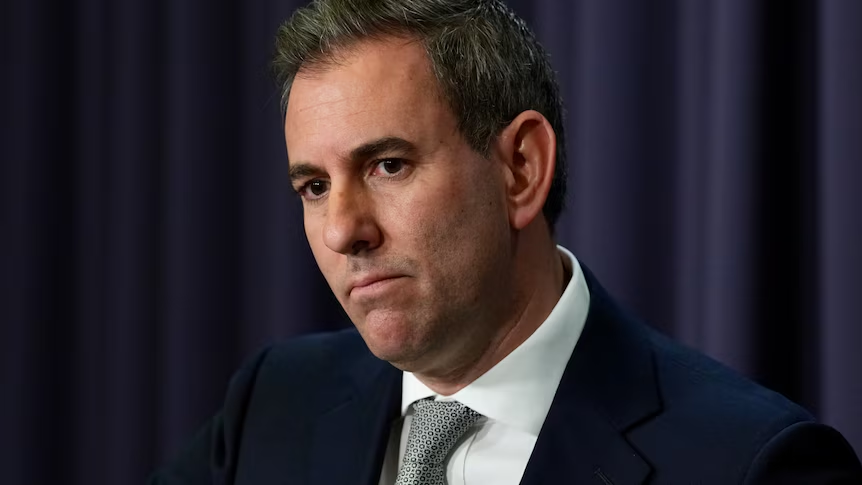
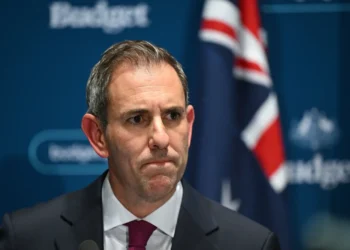
Australian Federal Treasurer Jim Chalmers faces an increasingly perilous economic landscape where every policy lever designed to resolve one crisis risks exacerbating another. In the lead-up to the mid-year budget update, Treasury officials have begun revising economic projections downward, signaling slower domestic growth, stubborn inflationary pressures, and rising unemployment across the national economy. The shifting outlook highlights what Reserve Bank officials describe as a classic central banking dilemma, trapping policymakers between persistent cost-of-living pressures and a weakening labor market.
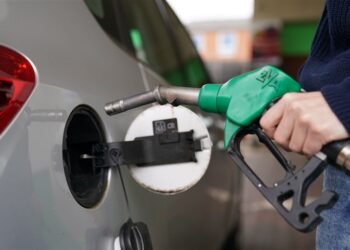
External geopolitical shocks continue to complicate domestic economic management. Escalating military conflict across the Middle East has pushed global benchmark crude oil prices upward, triggering sharp price increases at retail fuel pumps nationwide. Motorists are paying substantially higher fuel prices, placing additional financial strain on household budgets and driving up transport and supply chain logistics costs. International economic institutions warn that further escalation in energy-producing regions could drive crude oil toward unprecedented highs, creating severe inflationary headwinds that directly undermine efforts by central banks to stabilize consumer prices.

At the same time, international financial markets have experienced heightened volatility surrounding technology and infrastructure investments. A global surge in capital expenditure for artificial intelligence infrastructure and data centers has raised debt burdens among major technology firms, prompting sell-offs on international equity exchanges. While artificial intelligence and renewable energy infrastructure remain key areas of commercial investment in Australia, community opposition and logistical delays surrounding large-scale data center build-outs threaten to slow capital deployment, removing a critical buffer that had previously supported broader economic activity.
The convergence of elevated inflation and slowing economic momentum presents severe political and structural challenges for the federal government. Reserve Bank of Australia Deputy Governor Andrew Hauser cautioned that a prolonged period of above-target inflation risks embedding elevated price expectations into consumer and business behavior—a scenario widely regarded as a central banker’s nightmare. Financial markets have responded by increasing the probability of another interest rate hike at the Reserve Bank’s upcoming board meeting, which would mark the fifth interest rate increase of the year and push borrowing costs to multi-year highs.
Government attempts to alleviate consumer distress through fiscal measures remain severely constrained. Unilateral intervention to reduce transport costs through temporary fuel tax cuts would inject billions of dollars back into household pockets, stimulating consumer demand and actively working against the central bank’s efforts to curb inflation. Conversely, implementing substantial fiscal spending cuts to assist monetary policy would further suppress economic growth, driving unemployment figures higher at a time when joblessness has already reached elevated levels.
External geopolitical shocks continue to severely complicate domestic economic management. Escalating military conflict across the Middle East has pushed global benchmark Brent crude oil prices upward to US$113 per barrel, approaching multi-month highs. For Australian motorists, the geopolitical escalation translates directly to sharp price increases at retail fuel pumps nationwide, with drivers paying roughly 60 cents more per liter for petrol than in previous months. An extra $36 per tankful adds nearly
 144inmonthlyfuelexpensesforaveragecommutinghouseholds.InternationalfinancialinstitutionsandbankinganalystswarnthatfurtherregionalescalationcouldpushcrudeoiltowardUS144 in monthly fuel expenses for average commuting households, placing direct strain on family budgets and driving up freight and supply chain costs across retail sectors. International financial institutions and banking analysts warn that further regional escalation could push crude oil toward US.
Treasurer Chalmers emphasized that while the federal government continues to provide targeted cost-of-living assistance and manage national budget settings responsibly, domestic economic health remains heavily influenced by international conflicts and global market disruptions beyond national control. As productivity growth remains stagnant, the Australian economy hits its operational limits sooner, producing higher inflation at lower levels of overall growth. With voters feeling the sustained squeeze of unyielding living costs and stagnant real wages, policymakers are left with a shrinking margin for error in an environment defined by unforgiving economic trade-offs.
Related News:
 Cormann Warns Australia Against Populist Migration Caps
 UK Pushes for New EU Goods Trade Deal
 Reeves Fights to Keep Treasury Role Amid Labour Turmoil
 Trump Hardens Canada Trade Stance as Talks Stall
 Swedish Mining Push Puts Sami Land Rights Under Pressure
 Trump Eyes Major Belarus Fertiliser Deal Amid Canada Trade Dispute
 Burnham Leaves Door Open to Future Brexit Reversal
 Iran Rejects Claims of Shift in US Talks
 Tony Blair Calls for Britain to Rejoin EU Within a Decade
 Saudi intercepts Houthi missiles as oil fears grow
 Burnham Opens Door to Possible UK Return to EU
 EU-China Talks Target Surge in Hybrid Car Imports
 France Urges UK to Consider Returning to EU
 Ministers Push ATO to Reconsider Credit Card Ban
 Australia Delays Tax Credit Card Payment Ban After Backlash
 France Faces Debt Crisis as Protests and Markets Clash
 Australia Rejects Russian Fuel as Trump Strikes Deal
 UK Could Rejoin EU Through a Switzerland Plus Deal
 Canada Passes Carney’s First Budget in Tight Parliamentary Vote
 India’s Labour Law Overhaul Sparks Fierce Debate
 UK Doubles Steel Tariffs to 50% to Protect Domestic Plants
 Trump to Deploy “God Squad” Over Gulf Wildlife Protections
 Trump Slams UK Ties and Threatens To Rewrite Trade Deal
 Trump Faces Crisis as Iran Reopens Hormuz Tensions
 Southeast Asia Turns to Russia Amid Energy Crisis
 US Calls Australia Media Law “Foreign Extortion”
 Capitalism ‘Suicidal’, Warns Petro at Climate Summit
 Oil Prices Surge Above $120 Amid Iran Blockade Fears
 Trump approval plunges amid Iran war fears
 Ohio’s Battle for Trust: Democrats Vying to Flip the Buckeye State
 Trump Threatens UN Budget Cuts as US Pushes ‘Trade Over Aid’ Agenda
 US Awaits Iran Reply on New Ceasefire Proposal
 Kevin Warsh sworn in as Fed chair amid economic backlash
 Hormuz Talks Near Critical Stage
 Albanese Defends Tax Reforms Amid Emotional Speech
 Discontent grows around Putin amid war strain
 Ukraine Creates Long-Range Strike Command
 Canada to Match Trump’s 50% Tariffs Dollar for Dollar
 Trump orders US to rename Lake Ontario ‘Lake America’
 Europe Faces Winter Gas Supply Anxiety
 Trump Calls Iran War ‘Small Potatoes’ Despite US Deaths
 UK plans tougher Israel stance with settlement trade ban
 Oil nears $100 as Saudi attacks shake markets
 Saudi Arabia Shuts Oil Pipeline After Drone Attack
 Fugitive Developer Rants at NSW Corruption Inquiry
 Trump Threatens EU With Tariffs Over Canada Proposal
 Trump Threatens EU Over Canada Partnership Proposal
 US Sanctions Open New Battle for Cuba Assets
 Australia Renewables Reach Record 80% Grid Demand
 MPs Defend UK Economic Watchdog Against Critics
 Xi urges Trump to avoid US-China military conflict
 Lula accuses Trump of seeking control over Brazil
 Madrid Tent Camp Grows as Spain Housing Crisis Deepens
 Economic growth and political strain reshape Benin
 French Debt Fears Put Euro Markets Under Pressure
 Badenoch Raises Prospect of 2027 UK Election
 UK Diesel Reaches £2 as Inflation Surges Across Europe
 Minister Rejects Fears of UK Diesel Shortage
 IMF Warns Governments Over Rising Debt Burdens
 South Korea Probes Fuel Shipments to Russia
 Oil Shock Sends Markets Lower as Middle East Risks Grow
 Houthi Missile Claim Sparks Riyadh Airport Disruption
 Turkey Rules Out Troops in Saudi Arabia’s Houthi Conflict
 Trump’s Russian Diesel Deal Sparks Ukraine Fury
 Hanson Attacks Taylor as Australian Conservatives Clash
 IFS Warns UK Budget Faces £35bn Spending Gap
 Hall and Woodford Win Nobel Economics Prize
 IMF Warns Global Economy Is Nearing Its Limits
 Brazil Court Scandal Threatens Lula as Bolsonaros Rise
 Millions Face Tougher Medicaid Rules From January
 Trump Rallies GOP as Senate Democrats Boost Key Races
 Serbia Leader Linked to Controversial Trump Tower Plan
 Trump Halts New Russia Sanctions Amid Ukraine Rift
 Brexit Debate Returns as UK Voters Reconsider EU Exit
 UK Plans Higher Training Costs for Older Apprentices
 Milan Luxury Stores Shut as Italy Plans Troop Deployment
 Japan’s Takaichi Faces a Crucial Second Year in Power
 UN Warns World Must Cut Emissions by 18% by 2030
UK Borrowing Hits £24.5bn Ahead of Healey’s Budget
 Tax Online Sales to Save High Street, Burnham Urged