
Under the proposal, the government will ask Ofgem, Great Britain’s energy regulator, to remove gas standing charges in 2027 or as soon as possible afterwards. The change is expected to save around 60% of households holding gas accounts an average of £45 annually, although the final impact will depend on individual consumption and the revised pricing structure.
The announcement comes as household budgets remain under pressure from elevated energy costs, food prices and other essential expenses. Ministers have made the cost of living a central priority, with the latest proposal forming part of a wider effort to ease financial pressures on working families and lower-income households.
Standing charges are fixed daily fees included in household energy bills. They cover certain costs associated with maintaining energy connections and supplying customers, regardless of how much energy they consume.

This means households can still face charges even when they use little or no gas. For people who limit their consumption to manage tight budgets, the arrangement can be particularly difficult.
Under the planned reform, the costs currently recovered through gas standing charges would instead be incorporated into unit rates. Households would therefore pay more directly according to their gas consumption, rather than automatically paying the same fixed daily fee.
The change is intended to make the energy pricing system more responsive to actual usage. However, it does not mean that every household will necessarily see its total annual bill fall. Customers who consume substantial amounts of gas could pay more under the revised arrangement, depending on how suppliers adjust their unit rates.
The government argues that the existing system places a disproportionate burden on households that use less gas, including people on low incomes who deliberately restrict their consumption to keep bills affordable.
Research conducted for Ofgem found that 61% of respondents considered standing charges unfair. The findings suggest that many consumers believe the fixed-fee structure does not adequately reflect differences in household energy use.
The research charity Nesta has also argued that removing standing charges could transfer some costs away from poorer households towards wealthier households with higher gas consumption.
Certain households could benefit particularly from the reform. These include people who rely primarily on electricity for cooking and hot water but retain gas boilers for winter heating. Such households may use relatively little gas during warmer months while continuing to pay standing charges throughout the year.
Prepayment meter customers could also benefit because removing fixed daily charges may reduce the accumulation of energy-related debt during periods when gas consumption is low.
Chancellor Healey described standing charges as unfair and outdated, arguing that their removal would give millions of households greater breathing space amid persistent cost-of-living pressures.
He said the budget would mark a change in energy policy, with the government seeking to address a system that has left households exposed to costs beyond their direct control.
The Treasury estimates that approximately 60% of households with gas accounts could save an average of £45 a year following the change.
Although this represents a modest reduction for many households, the government believes the measure could provide meaningful assistance to people already making difficult decisions about heating and other essentials.
For households using very little gas, eliminating the fixed daily charge could make the cost of maintaining a gas connection more closely reflect actual consumption.
However, the savings will not be uniform. Because the costs currently covered by standing charges will be transferred to unit rates, households that consume larger quantities of gas may face higher bills.
Consumers will therefore need to consider their individual usage patterns when assessing how the new system could affect their finances.
The proposal is also not expected to impose a direct cost on the Treasury, as the reform concerns the way energy costs are distributed across customer bills rather than a government-funded subsidy.
The announcement forms part of a broader government effort to tackle household energy costs.
Ministers are also expected to introduce targeted assistance for households receiving means-tested benefits. The proposed package could involve more than £1 billion in additional support and an increase of approximately £100 to the annual Warm Home Discount rebate, which currently provides eligible households with assistance towards electricity costs.
The government has also introduced a temporary six-month suspension of VAT on electricity bills, which took effect at the beginning of October, according to the reported announcement.
That measure reduced the energy price cap by an estimated £45 a year compared with the level it would otherwise have reached. However, households on fixed-price tariffs are not necessarily affected in the same way as customers whose prices follow the cap.
Together, these measures are intended to provide some relief while the government considers longer-term changes to the structure of Britain’s energy market.
The wider policy debate includes proposals to move certain energy-related levies away from electricity bills and into general taxation. Supporters argue that this could make electricity cheaper relative to gas, encouraging households to adopt cleaner heating technologies.
Andrew Sissons, a director working on sustainable futures at Nesta, welcomed the planned abolition of gas standing charges, saying it could provide relief to households that ration their gas use.
He also suggested that changing the pricing structure could improve the financial case for some households considering electric heating systems, including heat pumps.
Simon Francis, coordinator of the End Fuel Poverty Coalition, said removing standing charges could bring meaningful relief to low-income households that use little gas. He also highlighted the potential benefits for prepayment customers, particularly during the summer months when gas consumption may be limited.
However, campaigners have stressed that removing standing charges alone will not resolve Britain’s wider energy affordability problems. Further measures may be needed to reduce the underlying cost of energy and protect vulnerable consumers from future price shocks.
The Green Party criticised the proposal as insufficient, arguing that the government should take more ambitious action to address the cost-of-living crisis.
Although the government has announced its intention to seek the removal of standing charges, the change is not immediate. Ofgem will be central to the process of determining how the new pricing arrangement should operate and when it can be introduced.
Energy suppliers will also need to adjust their tariffs to reflect the revised approach. The regulator and suppliers will have to consider how costs are distributed fairly while ensuring that the energy system remains financially sustainable.
Consumers should also understand that abolishing a fixed charge does not eliminate the underlying costs associated with supplying gas. Instead, those costs will be recovered differently through the pricing structure.
The eventual outcome will depend on the details of the reform, the tariffs offered by suppliers and individual household consumption.

The proposed abolition of gas standing charges represents a significant change in how household energy costs could be calculated in Great Britain.
For households that use little gas, particularly those managing tight budgets, the reform could provide welcome relief. For others, the shift towards higher usage-based charges may limit the benefits or increase costs.
The government’s challenge will be to ensure that the new system delivers meaningful savings to vulnerable consumers without creating unexpected financial pressures elsewhere.
As the cost-of-living debate continues, the proposal is likely to remain an important part of discussions about energy affordability, consumer protection and the future of Britain’s energy market.
The planned reform offers a potential improvement for millions of households, but its ultimate success will depend on implementation, tariff changes and whether the wider package of government support can deliver lasting reductions in energy costs.
Related News:
 Thames Water Revises Oxfordshire Mega-Reservoir Plan
 UK Subsidence Claims Surge After Record-Breaking Summer
 UK House Prices Fall as Mortgage Rates Rise
 Thinktank Calls for Abolition of UK State Pension
 New UK Homes in Flood Zones Face Insurance Risk
 Poundland Rescue Bid Could Protect 11,000 Jobs
 UK Savers Face Uncertainty as Rates Rise Above 5%
 Britons Build Emergency Supplies Amid Rising Fears
 UK rejects EV charging VAT cut amid Treasury clash
 Weight-Loss Drugs Transform Fashion Shopping Habits
 EasyJet Takeover Sparks Fears Over Passengers’ Future
 Burnham unveils £65m drought aid for farmers
 Pubs and Hotels Face Business Rates Reform Review
 UK Households Could Save £173 on Fixed Energy Deals
 Billionaire Chris Rokos poised to leave UK
 Oil nears $100 as Saudi attacks shake markets
 JPMorgan Boss Warns Against UK Bank Tax Rise
 UK Retailers Accused of Breaking Refund Laws
 UK State Pension Set to Rise 3.9% as Triple Lock Holds
 UK Parents Cut School Uniform Costs as Prices Rise
 UK Pay Growth Slows to 3.9% as Rate Decision Nears
 Bank Urged to Slow Bond Sales as UK Costs Rise
 UK Inflation Hits 3.1% as Household Pressure Grows
 UK Retail Sales Rebound as Consumers Spend More
 UK Rent Gap Puts Low-Income Families Under Pressure
 UK Borrowing Hits £18.3bn Ahead of Budget
 MPs Defend UK Economic Watchdog Against Critics
 Chinese Hybrid Car Surge Raises EU Auto Industry Concerns
 UK Trade Losses Grow Without EU Product Deal
 Should Savers Lock Into 5.25% Fixed Rates?
 UK Diesel Prices Hit Record High Amid Iran Conflict
 Healey urged to act as UK energy bills rise 4%
 UK house price growth slows as mortgage rates rise
 UK borrowing costs surge as global bond sell-off deepens
 Boots Sale Nears as Weston Family Eyes $9bn Deal
 UK Assures Public Over Diesel Supply
 Feeld Founders Receive Record Dividend as Sales Rise
 UK Diesel Reaches £2 as Inflation Surges Across Europe
 Minister Rejects Fears of UK Diesel Shortage
 UK Faces Calls to Review Bank Failure Bets
 Informa Agrees £2.24bn Deal to Buy Clarion
 Asos Investigates Hack Claims After Customer Alerts
 Google Maps Brings Live Fuel Prices to UK Drivers
 UK Water Firms Earn Millions From Industrial Wastewater
 France Faces Debt Crisis as Protests and Markets Clash
 Labour Fears Budget Will Fail to Lift Living Standards
 IFS Warns UK Budget Faces £35bn Spending Gap
 UK Van Drivers Face £2.5bn Diesel Cost Surge
 IMF Warns Global Economy Is Nearing Its Limits
IMF Raises UK Growth Forecast Ahead of Healey’s Budget
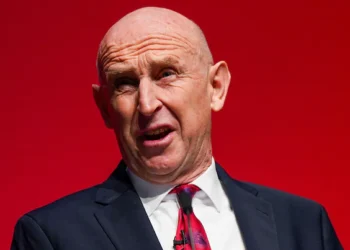 Healey Plans £1bn Online Marketplace Tax Crackdown
 UK Water Firms Face £107m Bill Reduction Penalties
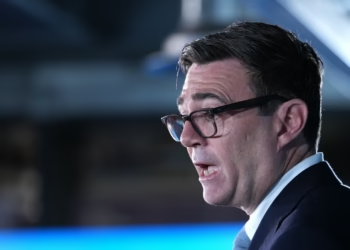 Business Chief Urges Burnham to Fix Brexit Damage
 Australian Mortgages Now Cheaper Than Rent in Some Suburbs
 UK Family Linked to Offshore Gambling Licence Controversy
 UK Unemployment Falls to 4.7% as Vacancies Decline
UK Borrowing Hits £24.5bn Ahead of Healey’s Budget
 UK Land Registry Plan Faces Opposition From Landowners
 UK Energy Reform Could Cut Bills by £200
 Rising Costs Force Families to Rethink Days Out
 UK Schools Struggle as Classrooms Top 40C
 UK Cost Squeeze Deepens as Mortgages and Gas Rise
 North Sea Firms Urge Early End to Windfall Tax
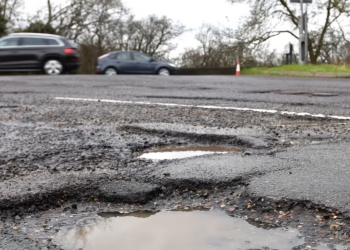 UK Heatwaves Set to Worsen Pothole Damage, RAC Warns
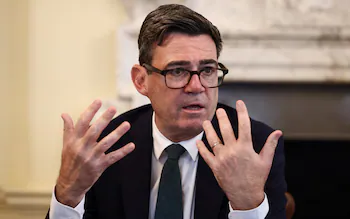 Mayors Could Gain Greater Powers Over Water Firms
 Entain Plans 400 Job Cuts After Profit Update
 Calls Grow to Expand UK National Wealth Fund
 AO Acquires Jessops in Camera Retail Expansion
 Frome Community Loses Bid for Major Regeneration Site
 UK University Strikes Spread as Financial Pressure Grows
 Burnham Opens Door to Possible UK Return to EU
 Badenoch Raises Prospect of 2027 UK Election
 North Sea Strike Threatens UK Fuel Supplies
 UK house prices stall as mortgage costs rise
 Tesco Raises Profit Forecast as Consumer Confidence Holds
 Ministers Push ATO to Reconsider Credit Card Ban
 Hall and Woodford Win Nobel Economics Prize
 UK Shoppers Urged to Avoid Hake and Coley
 UK Inflation Hits 3.5% as Middle East War Drives Fuel Costs
 Labour MPs Urge Burnham to Lead UK Reindustrialisation