Published: 29 October 2026. The English Chronicle Desk. The English Chronicle Online
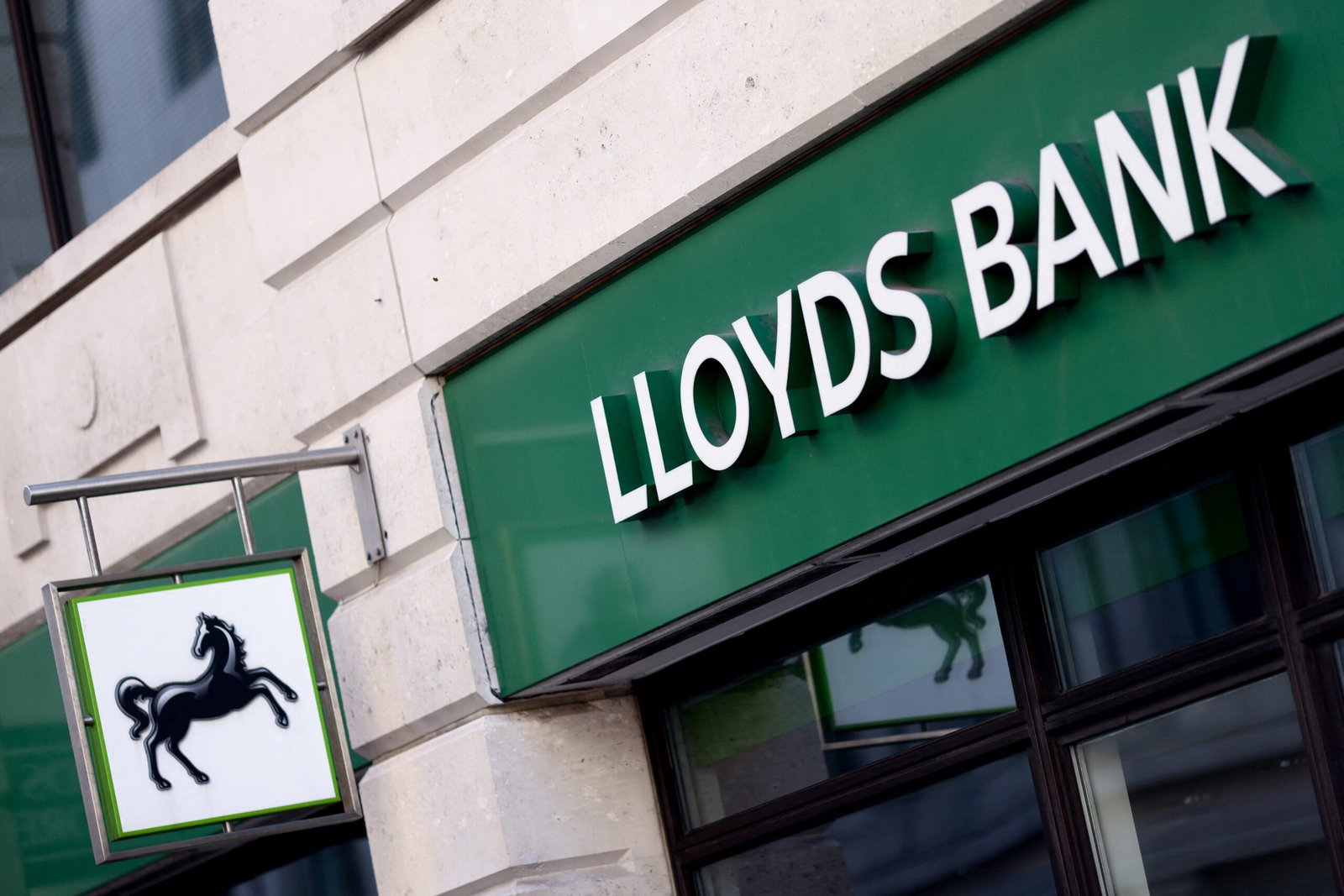
A senior executive at Lloyds Banking Group has criticised the UK government’s decision to link higher taxes on banks with financial support for household energy bills, warning that the banking sector must remain competitive and capable of providing loans to businesses and consumers if Britain is to achieve stronger economic growth.
William Chalmers, chief financial officer of Lloyds Banking Group, said the banking industry understood the difficult economic conditions facing the country but argued that additional taxation should not undermine the sector’s ability to support investment and economic activity. He also expressed hope that the government’s newly announced increase in the bank surcharge would remain temporary, as ministers have promised.
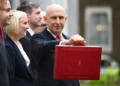
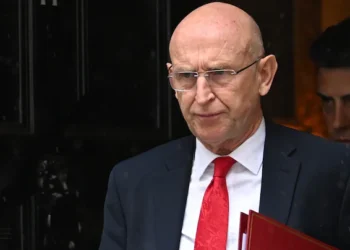
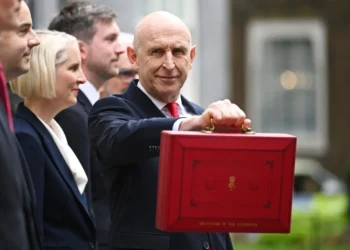
The comments came less than a day after Chancellor John Healey announced plans to increase the bank surcharge from 3% to 6%. The additional levy, which is charged on top of corporation tax, is due to take effect in January and is intended to remain in place for 15 months. The government says the measure will help finance immediate support for households facing higher energy costs.

The decision has nevertheless raised concerns within the banking industry about the possibility that the temporary increase could eventually become permanent. Chalmers said Lloyds hoped the government would maintain the promised time limit and provide businesses with a stable and predictable tax environment.
Speaking during the bank’s latest earnings call, Chalmers acknowledged that the economic environment was challenging but stressed that banks have an important role to play in supporting the wider economy. He argued that the sector must be able to provide banking services to households, businesses and communities at a reasonable cost while remaining internationally competitive.
His concern centres partly on the connection between bank taxation and energy prices. The government has justified the higher surcharge as a temporary way of raising funds for household energy support. Chalmers questioned the logic of linking the two areas, arguing that higher energy prices should instead reinforce the importance of ensuring that banks can continue lending to the real economy.
He said there was no obvious long-term connection between energy prices and bank taxes. In his view, the stronger response to an energy-related economic shock would be to enable banks to provide financing that supports businesses and investment, helping the economy expand and become more resilient.
The comments highlight a growing debate over how Britain should fund emergency assistance while protecting long-term economic growth. The government is under pressure to help households manage higher energy costs, but banks and other businesses are concerned that higher taxes could reduce their capacity to invest, lend and compete internationally.
The Treasury has promised that the 15-month limit on the higher bank surcharge will be written into legislation through the financial bill. However, some senior figures in the banking industry remain cautious about whether the commitment would survive another major energy crisis.
Concerns have been reinforced by developments in other European countries. Industry representatives have pointed to Spain, where a temporary windfall tax on banks was introduced to help ease cost-of-living pressures during the energy crisis. The levy was subsequently extended and increased, creating fears that a similar pattern could emerge in Britain if energy prices remain elevated or another crisis develops.
For Lloyds, the issue is particularly significant because the bank is already a major contributor to the UK tax base. Chalmers said the group had paid around £1.8bn in corporate taxes during the year to date and emphasised the importance of maintaining a tax system that businesses can predict when making long-term decisions.
The warning came as Lloyds reported a sharp increase in third-quarter pre-tax profits. The bank said profits had almost doubled compared with the same period a year earlier, rising from £1.2bn to £2.3bn.
The increase, however, needs to be viewed in the context of the bank’s financial performance in the previous year. Lloyds had taken a substantial hit after setting aside additional money to compensate customers affected by the motor finance scandal. The latest figures therefore partly reflect the absence of a similarly large charge in the corresponding period.
The bank also benefited from stronger net interest income, which measures the difference between the interest a bank receives from borrowers and the interest it pays to savers. Lloyds reported a 10% increase in net interest income, indicating that higher interest rates continued to provide support to the group’s earnings.
The wider banking industry has also benefited from movements in interest rates. Inflation expectations have been affected by higher fuel and energy prices, with the economic consequences of the conflict in the Middle East contributing to uncertainty over the future path of inflation. Higher inflationary pressures can influence monetary policy and interest rates, which in turn affect banks’ lending and savings businesses.
For banks, stronger net interest income can provide an important source of profitability. However, higher interest rates can also increase borrowing costs for households and businesses, potentially weakening demand for loans and placing greater financial pressure on customers.
That creates a difficult balance for policymakers. The government wants banks to contribute more towards financing immediate assistance for households, while the banking industry argues that its ability to lend should be protected because credit is essential to economic expansion.
Chalmers’ comments reflect the banking sector’s broader concern about policy uncertainty. Banks make lending and investment decisions over long periods, meaning sudden or unpredictable changes in taxation can affect how they allocate capital. A stable tax framework, industry representatives argue, allows financial institutions to plan more effectively and support businesses with greater confidence.
The government, however, faces its own financial pressures. Rising energy costs have created a need for additional household support at a time when public finances are already under pressure. Increasing the bank surcharge provides ministers with a way to raise additional revenue from a highly profitable sector without placing the full burden directly on households.
The political appeal of the measure is therefore clear, but the economic consequences remain contested. Supporters can argue that banks, which are reporting strong profits, should contribute more during a period of financial difficulty. The industry, meanwhile, maintains that higher taxation could ultimately affect lending conditions and economic growth.
The disagreement also raises questions about the government’s longer-term strategy. If the higher bank surcharge remains genuinely temporary, the immediate impact on the industry may be limited. But if energy prices remain high and political pressure grows for continued household assistance, there could be renewed calls to extend the measure.
Lloyds is therefore seeking greater certainty over what happens after the 15-month period ends. Chalmers’ message is that the banking sector can play a significant role in supporting Britain’s economic recovery, but that role depends on maintaining a predictable regulatory and taxation environment.
The latest developments underline the difficult choices facing the government as it attempts to protect households from the cost of living crisis while encouraging investment and growth. The banking sector is being asked to contribute to the immediate response, but its executives are warning that the longer-term consequences of higher taxation should not be overlooked.

As Britain confronts elevated energy prices, weaker growth expectations and continued economic uncertainty, the debate over bank taxation is likely to remain active. For Lloyds and other major lenders, the priority will be to ensure that temporary emergency measures do not become a permanent burden that restricts their ability to finance households and businesses.
For the government, the challenge will be to demonstrate that the additional revenue raised from banks can provide meaningful assistance without weakening the financial sector’s capacity to support the wider economy. The outcome of that balance could have significant implications for investment, lending and Britain’s economic prospects in the years ahead.
Related News:
 Oil nears $100 as Saudi attacks shake markets
 John Lewis Losses Widen to £124m as Confidence Falls
 Thames Water Revises Oxfordshire Mega-Reservoir Plan
 UK Trade Losses Grow Without EU Product Deal
 AO Acquires Jessops in Camera Retail Expansion
 Beaverbrooks Boss Calls for Relief on Business Costs
 Poundland Rescue Bid Could Protect 11,000 Jobs
 UK Diesel Reaches £2 as Inflation Surges Across Europe
 Minister Rejects Fears of UK Diesel Shortage
 BT Agrees £400m TalkTalk Rescue Deal
 Informa Agrees £2.24bn Deal to Buy Clarion
 Healey Plans £1bn Online Marketplace Tax Crackdown
 Labour MPs Urge Burnham to Lead UK Reindustrialisation
 Wealthy Britons Flee Gulf War but Avoid UK Taxes
 UK Wage Growth Slows as Jobs Market Holds Firm
 BBC News Faces Deep Cuts in 2,000 Job Plan
 New UK advice scheme to boost savings and investing
 Reeves Fights to Keep Treasury Role Amid Labour Turmoil
 UK rejects EV charging VAT cut amid Treasury clash
 UK Households Could Save £173 on Fixed Energy Deals
 Burnham Faces Mounting Budget Challenges
 Spire Healthcare Agrees £1bn Takeover by Toscafund
 UK House Prices Fall as Mortgage Rates Rise
 Billionaire Chris Rokos poised to leave UK
 JPMorgan Boss Warns Against UK Bank Tax Rise
 UK Retailers Accused of Breaking Refund Laws
 Entain Plans 400 Job Cuts After Profit Update
 Next Raises Profit Forecast After Strong Summer Sales
 UK Productivity Improves as Bank Weighs Interest Rates
 Barclays Staff Push Back Against Office Return Plan
 UK Retail Sales Rebound as Consumers Spend More
 UK Rent Gap Puts Low-Income Families Under Pressure
 Calls Grow to Expand UK National Wealth Fund
 UK Borrowing Hits £18.3bn Ahead of Budget
 Thinktank Calls for Abolition of UK State Pension
 MPs Defend UK Economic Watchdog Against Critics
 Chinese Hybrid Car Surge Raises EU Auto Industry Concerns
 Tony Blair Calls for Britain to Rejoin EU Within a Decade
 TalkTalk Races to Sell Arms as Administration Looms
 Should Savers Lock Into 5.25% Fixed Rates?
 UK Diesel Prices Hit Record High Amid Iran Conflict
 New UK Homes in Flood Zones Face Insurance Risk
 Bank Chief Calls for Power to Intervene in AI
 Healey urged to act as UK energy bills rise 4%
 UK house price growth slows as mortgage rates rise
 UK borrowing costs surge as global bond sell-off deepens
 UK Bookmakers Linked to Offshore Casino Deal
 Boots Sale Nears as Weston Family Eyes $9bn Deal
 BBC Three and Scotland Face Online-Only Future
 UK Assures Public Over Diesel Supply
 Feeld Founders Receive Record Dividend as Sales Rise
 London Council Warns of 150% Council Tax Rise
 UK Faces Calls to Review Bank Failure Bets
 UK Weighs Chinese Car Tariffs Amid EU Trade Push
 Asos Investigates Hack Claims After Customer Alerts
 EU-China Talks Target Surge in Hybrid Car Imports
 Google Maps Brings Live Fuel Prices to UK Drivers
 Tesco Raises Profit Forecast as Consumer Confidence Holds
 Ministers Push ATO to Reconsider Credit Card Ban
 Australia Delays Tax Credit Card Payment Ban After Backlash
 Labour Fears Budget Will Fail to Lift Living Standards
 IFS Warns UK Budget Faces £35bn Spending Gap
 UK Van Drivers Face £2.5bn Diesel Cost Surge
 EU Caps Chinese Hybrid Car Imports at 350,000
 IMF Warns Global Economy Is Nearing Its Limits
IMF Raises UK Growth Forecast Ahead of Healey’s Budget
 Cyber-Attack Puts Hobbs and Whistles Customer Data at Risk
 Cyber Fraud Threatens Trust in Global Financial System
 UK Water Firms Face £107m Bill Reduction Penalties
 Business Chief Urges Burnham to Fix Brexit Damage
 Iran War Pushes UK Corporate Profit Warnings to Two-Year High
 UK Unemployment Falls to 4.7% as Vacancies Decline
UK Borrowing Hits £24.5bn Ahead of Healey’s Budget
 Sainsbury’s Warns of Tough Christmas Ahead
 Tax Online Sales to Save High Street, Burnham Urged
 UK Consumer Confidence Plunges at Fastest Rate Since Brexit Vote
 China’s AI Ambitions Hit $2.4 Trillion Market Setback
 Healey Set to Scrap Planned Cut to Cash ISA Allowance
 UK Budget Leaves Households Facing Higher Energy Bills
 North Sea Firms Urge Early End to Windfall Tax