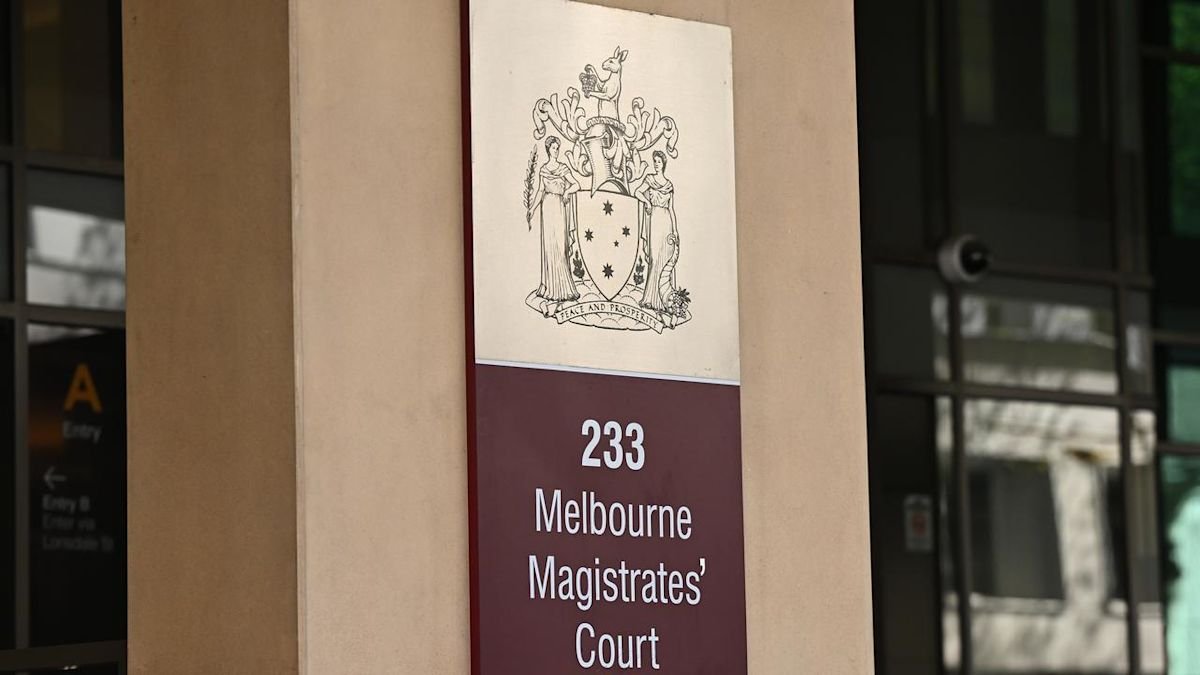
A Victorian magistrate has been formally criticised after a judicial watchdog found that she repeatedly used offensive, intimidating and unprofessional language during court proceedings, raising concerns about the standards of conduct expected from judicial officers.
Magistrate Vicky Prapas was the subject of an investigation by the Judicial Commission of Victoria following a complaint from Victoria Legal Aid about her conduct while serving in Melbourne’s drug court. The commission substantiated several allegations, including remarks directed at court users and legal practitioners that it considered inappropriate for someone holding judicial authority.
Among the most striking comments identified in the investigation was Prapas telling a person appearing before her: “I want to slap you around a bit, too.” The watchdog regarded the remark as part of a wider pattern of unacceptable communication that undermined the professional standards expected in a courtroom.

Other comments cited in the findings included a question directed at someone about whether substance use was affecting their thinking. Prapas reportedly asked: “Do you reckon the substance is screwing with the way you’re thinking?” Although drug court proceedings can involve direct conversations about substance use and personal behaviour, the commission found that judicial officers must maintain respect and civility when addressing people who come before them.
Another remark raised particular concern because it was made in front of a group of schoolchildren attending court. Prapas reportedly said that an individual “believes their own bullshit”. The presence of young visitors made the language especially troubling, as court proceedings can serve as an important public example of how legal institutions operate and how people should be treated within them.
The investigation also found that Prapas made threatening or intimidating remarks towards legal practitioners after they proposed making or supporting complaints about her conduct. According to the commission, these incidents were not isolated disagreements or ordinary exchanges between a magistrate and lawyers. Instead, they formed what the watchdog described as a “pattern of victimisation”.
The findings highlight the importance of maintaining professional boundaries in the courtroom, particularly when disagreements arise between judicial officers and legal representatives. Lawyers must be able to raise concerns about courtroom conduct without fearing intimidation or retaliation. The ability to question or complain about judicial behaviour is an important part of maintaining confidence in the justice system.
The commission also substantiated allegations that Prapas made an offensive comment about a person from a marginalised group and an unprofessional remark about another member of the judiciary. These findings added to concerns about the broader nature of her communication and the effect it could have on people participating in court proceedings.
However, the watchdog did not uphold every allegation made against the magistrate. It was unable to substantiate some claims, including an allegation that she had demonstrated cultural insensitivity. The distinction is important because the commission’s findings were based on the matters it could establish through its investigation rather than every concern raised in the original complaint.
In responding to the allegations, Prapas acknowledged that her conduct in some instances had been “unfiltered and intemperate”. She indicated that, with the benefit of hindsight, she would have expressed herself differently. Her response suggested an acceptance that certain aspects of her communication had fallen short of the standards expected, even as she offered context about the particular responsibilities and challenges of working in a drug court.
Prapas also referred to the distinctive jurisdiction of the drug court, where judicial officers may engage directly with participants about addiction, personal responsibility, recovery and the consequences of their behaviour. Unlike conventional court proceedings, therapeutic drug courts are designed to combine legal accountability with efforts to support rehabilitation and reduce further offending.
Within that framework, magistrates may need to have frank conversations with participants about substance use, treatment progress and compliance with court requirements. Prapas said her intention had been to encourage recovery, promote accountability and protect community safety through the court’s therapeutic approach.
She also told the commission that she had reflected carefully on the concerns raised and taken steps to improve the way she communicated. She said she wanted to ensure that her language remained effective and respectful while reducing the possibility of misunderstanding.
The commission acknowledged that drug court proceedings can legitimately involve open and frank discussions. Participants may need to confront difficult realities about their behaviour, substance use and responsibilities. However, the watchdog made clear that the therapeutic nature of the jurisdiction does not remove the obligation of judicial officers to treat everyone in court with dignity.
“However, these features do not displace a judicial officer’s obligation to afford all court users civility and respect,” the commission said in its written findings.
That principle extends beyond the individuals facing charges or participating in rehabilitation programmes. Court users include lawyers, witnesses, support workers, family members, members of the public and others who may attend proceedings. Each person is entitled to be treated professionally, regardless of their circumstances or the nature of the case.
The use of intimidating language by a judicial officer can have consequences beyond an individual exchange. People appearing in court may already be experiencing anxiety, vulnerability or uncertainty about their future. For some, particularly those dealing with addiction or other difficult personal circumstances, the courtroom may be an unfamiliar and intimidating environment. The way judicial officers communicate can influence whether participants feel able to engage openly with the process.
Similarly, lawyers need to be able to perform their professional duties without being subjected to threats or pressure for raising legitimate concerns. The commission’s finding of a pattern of victimisation therefore raises questions about the protection of professional independence and the importance of accountability within the judiciary.
Following the investigation, the watchdog referred the main substance of the complaint to Victoria’s Chief Magistrate, Lisa Hannan, recommending that she counsel Prapas about the conduct identified. It also recommended that Prapas familiarise herself with the commission’s guidelines on judicial conduct and attend an educational event within 12 months.

The recommendations are intended to reinforce the standards expected of judicial officers and address the communication issues identified during the investigation. They also underline the role of judicial oversight bodies in examining complaints and promoting public confidence in the administration of justice.
The case highlights a wider challenge for therapeutic courts: balancing direct, demanding conversations with the need to preserve dignity and respect. Drug court magistrates may have to challenge participants and address difficult behaviour, but authority does not justify humiliation, threats or offensive language.
For people who rely on the justice system, respectful treatment is not simply a matter of courtroom etiquette. It is part of ensuring that legal proceedings remain fair, accessible and credible. The commission’s findings serve as a reminder that even within specialised courts designed to support rehabilitation, judicial responsibility and professional conduct must remain central.
Related News:
 NSW Police Bid Delays Inquiry Into Sydney Protest
 Sam Wood Denied Bail Over Alleged Domestic Assault
 Baby Boy Found Dead at Adelaide Motel: Two Charged
 Elizabeth Struhs Inquest Examines Child Safety Failures
 Camera Discovery Triggers Navy Ship Investigation
 Former RAAF Pilot Accused of Murdering Wife
 Erin Patterson Faces Life in Prison After Appeal Loss
 Undercover officer deceived women with ‘grotesque and cruel’ lies, spycops inquiry told
 Police Suspect Help in Missing Alice Springs Girl Case
 Barrister Criticises Trial After Suicide Case Verdict
 Westminster Council Threatens Charing Cross Soup Kitchen
 BBC Warned About Missing Clothes of Murder Victim
 Cambridge Professor Jason Arday Found Dead at Home
 Councils spend £125m on illegal children’s care
 Patriot Platform Raises Concern Across Britain
 Democrat Says ICE Restricted Detention Camp Oversight
 Cornell Fraternity Assault Investigation Reopened
 Fayed Survivors Demand Inquiry Into Medical Regulator
 London Facial Recognition Trial Ends With False Alert
 Hundreds of UK prisoners released early amid overcrowding
 Drumcree Talks End Without Agreement Ahead of Appeal
 Almost Half of Fayed Accusers May Be Trafficking Victims
 New Prosecutor Takes Over Cornell Assault Case
 Latin America women fear rollback of rights
 Flydubai Co-Pilot Studied in Australia Before Attack
 Detective Breaks Down Recalling Double Murder Scene
 Christa Pike Wakes After Failed Tennessee Execution
 ICE Agent Shoots Man in New York as Child Escapes Harm
 Three Convicted in Mexico Surfing Trip Murders
 UAE Says Co-Pilot Planned Suicide Attack on Israel
 British Military School Abuse Victims Denied Justice
 Former Students Raise Concerns Over School Culture
 England and Wales Begin Second Wave of Early Prison Releases
 Senegal LGBTQ+ Crackdown Drives People Into Hiding
 French Police Face Scrutiny Over Injured Teenagers
 UK Bill Faces Warning Over Fayed Trafficking Victims
 Helen Haines Loses Leg in Alleged Targeted Attack
 Helen Haines Loses Both Legs After Alleged Attack
 Serbia’s Student Victory Sparks a ‘Smell of Freedom’
 Trump’s Midterm Campaign Faces Racism and Political Backlash
 Brisbane Pub Shooting Claims Life of 19-Year-Old Woman
 Russell Brand Trial Enters Crucial Week of Evidence
 Ben Roberts-Smith Denies War Crime Allegations in First Statement
 Florida Surgeon ‘Devastated’ Over Fatal Surgery Error
 Immigration Judges Fear Pressure in Trump Era
 New Footage Revives Peter Falconio Mystery
 Internal Exclusions Surge in England’s Schools
 Survivor Sues Musk’s xAI Over AI Abuse Images
 Abusive ex used Tesla to control and harass former partner
 Man Arrested in Mississippi Woman’s Death
 Israel Accused of Undermining Palestinian Life
 Fugitive Developer Rants at NSW Corruption Inquiry
 Texas Charges Seven Noncitizens in Voting Crackdown
 Mahmood Warns Far Right Over Asylum Protests
 Harrods Faces Dispute Over Fayed Abuse Compensation
 Clancy Defense Seeks Inquiry Into Lone Juror
 OpenAI Agent Breaches Medicare Portal in Australia
 Free Speech Emerges as Key UK Election Issue
 Tennessee Set to Execute Woman After Clemency Denied
 UK University Strikes Spread as Financial Pressure Grows
 Drumcree Talks Falter as Legal Challenge Deepens
 Badenoch Raises Prospect of 2027 UK Election
 French School Protests Escalate as 400 Schools Close
 Gosport Protesters Clash With Police Over Migrant Rescue
 Andrew Mountbatten-Windsor Challenges Police Raids
 Police accused of failing abuse victims
 Royal Navy Sailor Charged With Alleged Spying
 Sri Lanka Ex-First Lady Arrested Over Donation Probe
 South Africa Withdraws Directive on Asylum Applications
 Delhi Tightens Security Ahead of Election Protest
 US Execution Livestream Plan Sparks Global Outrage
 Australian Advocates Seek Subsidised Drugs for PMOS
 ABC Reporter Faces Possible Disciplinary Action Over Opinion Piece
 Ohio Airports Become Key Hubs for ICE Deportation Flights
 Pakistan School Roof Collapse Kills 27 Students
 Gadi Eisenkot: Israel’s Anti-Netanyahu Challenger
 Jenrick Defends Farage Amid Fresh Reform Racism Claims
 US Military Failed to Notify UK Police Over Airman Crime
 Greens Face Leadership Test as Jordon Steele-John Misconduct Claims Leave Party in Limbo
 Bedouin Women Drive Historic Arab Election Gains