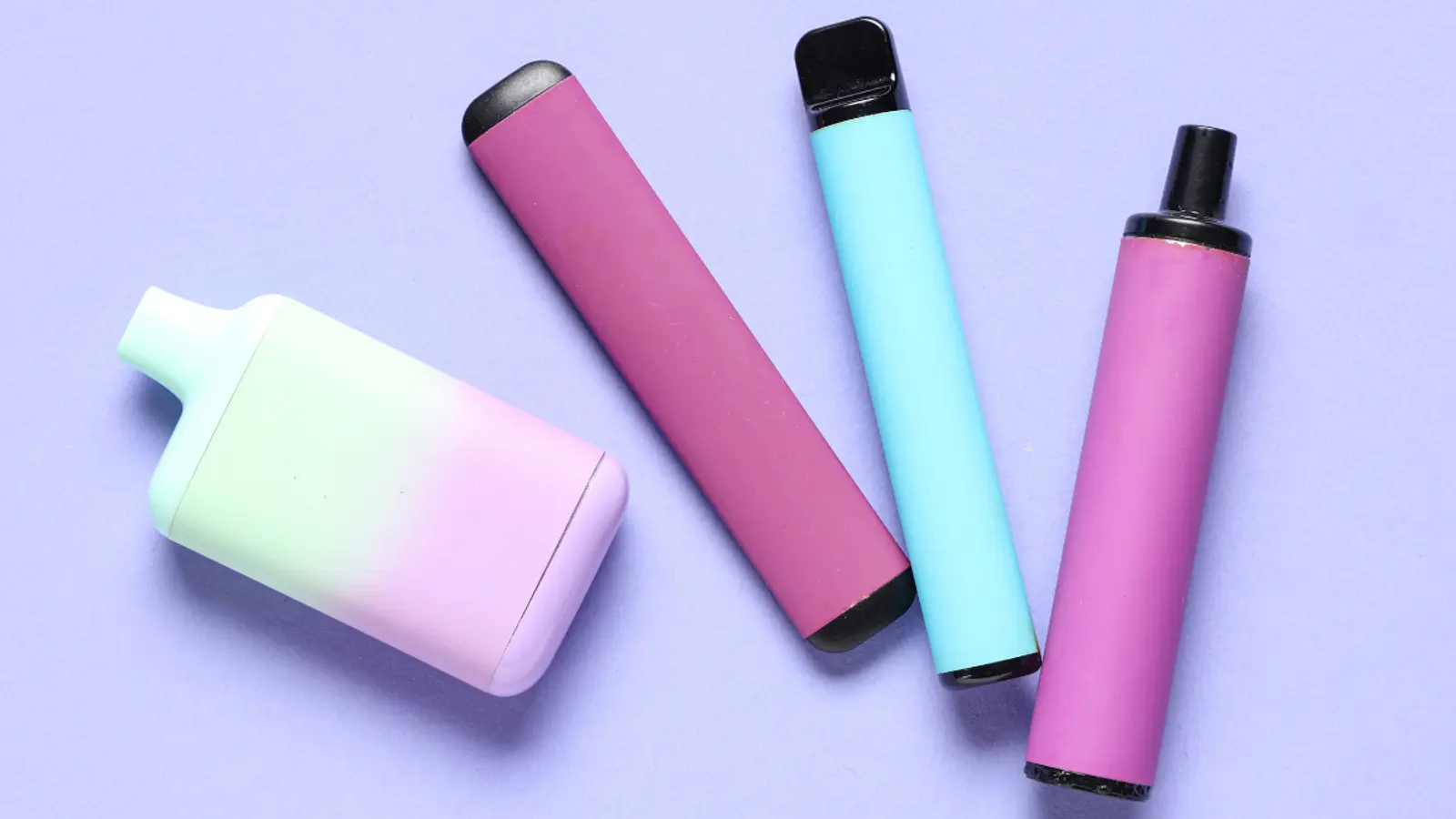
Health authorities in Australia’s New South Wales have issued an urgent public health warning after three people were hospitalised following the use of refillable vapes containing etomidate, a powerful sedative commonly used as a general anaesthetic in some countries but not registered for medical use in Australia. Testing confirmed the presence of the substance in the blood and urine of all three patients after they reportedly lost consciousness, raising fresh concerns about the potentially dangerous ingredients circulating in illicit vaping products.
The warning, issued by NSW Health on Friday, highlights the risks associated with non-nicotine vape liquids that may contain powerful pharmaceutical substances or other undisclosed drugs. Officials said the three affected individuals had used non-nicotine refillable vaping devices before experiencing serious medical symptoms. Their loss of consciousness prompted hospital treatment, although the health department did not disclose their ages, the hospitals where they received care or their medical conditions as of Friday.

The discovery has increased concerns among public health officials because etomidate is a fast-acting anaesthetic agent capable of significantly affecting the central nervous system. While it has medical applications overseas, its presence in vaping products creates a potentially unpredictable route of exposure, particularly because users may have little or no knowledge of the substances contained in the liquid.
NSW Health warned that products sold under names such as Space Pods, Space Oil, K-pods, Piu Piu vapes and Zombie vapes could contain etomidate or other potentially dangerous substances. These may include ketamine, tetrahydrocannabinol (THC), the psychoactive component of cannabis, and potent opioids. Authorities stressed that the names and packaging of vaping products cannot be relied upon to establish their actual contents.
The warning follows an earlier discovery in Victoria, where health officials reported finding etomidate in an illicit vape sold in Melbourne around four months ago. The latest cases in New South Wales suggest that the issue may extend beyond a single location and underline the challenges facing authorities in identifying and responding to emerging risks associated with unregulated vaping products.
Dr Darren Roberts, medical director of the NSW Poisons Information Centre, said the effects of inhaling etomidate through a vape were unpredictable. Unlike medicines administered in controlled clinical settings, substances contained in illicit vaping liquids may be present in unknown concentrations and combined with other chemicals or drugs. This makes it difficult for users to understand what they are consuming or anticipate how their bodies may react.
According to Roberts, exposure to etomidate can cause a range of serious symptoms, including confusion, drowsiness, slowed breathing, vomiting and involuntary muscle spasms or movements. In some cases, individuals may become unresponsive. These effects can develop into life-threatening situations, particularly when the substance is combined with other drugs that suppress the nervous system.
Alcohol, opioids, benzodiazepines and gamma-hydroxybutyrate, commonly known as GHB, were identified as substances that could increase the danger when used alongside etomidate. Combining sedative drugs can intensify their effects, potentially increasing the risk of severe breathing difficulties, loss of consciousness and other medical emergencies.
The health concerns are not limited to immediate reactions. Roberts warned that repeated exposure to etomidate could cause longer-term damage by disrupting the production of hormones by the adrenal glands. These hormones play an essential role in regulating the body’s response to physical and emotional stress, as well as supporting important functions needed to maintain normal health.
If the adrenal glands fail to produce sufficient amounts of these hormones, affected individuals may require medical treatment and hormone replacement. The possibility of lasting harm makes the presence of etomidate in products used recreationally particularly concerning, especially when consumers may repeatedly inhale the substance without understanding its potential consequences.
Roberts also cautioned that non-nicotine vapes should not automatically be considered safer alternatives to conventional nicotine products. The absence of nicotine does not mean a device contains harmless ingredients. He said the contents of these products vary and warned consumers against assuming that they know what is inside a vape simply because of its branding, appearance or advertised description.
The warning reflects a broader public health challenge created by the circulation of unregulated vaping products. Devices and refill liquids may be marketed with attractive packaging and unfamiliar product names, while their chemical composition remains unclear. Consumers may have no reliable way to identify whether a product contains an anaesthetic, an opioid, a cannabis-related substance or another potentially harmful chemical.
Health officials are particularly concerned about the possibility that people may use these products without recognising the symptoms of drug exposure. Confusion, unusual drowsiness, uncontrolled movements and breathing difficulties could be mistakenly dismissed as temporary reactions. However, authorities have stressed that unexpected symptoms following vape use should be treated seriously, as a person’s condition could deteriorate rapidly.
Roberts urged people considering vaping to think carefully about the possible contents of the products they use. He also emphasised that anyone experiencing health problems after using a vape should seek medical assistance rather than avoid treatment because of concerns about possible legal or social consequences.
“You won’t get into trouble for seeking medical care,” he said, encouraging people to act promptly if they or someone they know becomes unwell after using a vaping product. The advice is particularly important for friends and family members who may witness someone losing consciousness or developing unusual symptoms.
NSW Health has also highlighted the importance of naloxone in responding to suspected drug-related emergencies. Naloxone is a medication used to reverse the effects of opioid overdoses and is available free of charge from pharmacies in Australia without a prescription. Health officials recommend administering it to someone who becomes unresponsive after drug use, because the person may have taken an opioid without knowing it.
However, officials have clarified that naloxone does not reverse the effects of etomidate. The anaesthetic belongs to a different class of drugs and does not act as an opioid. Nevertheless, administering naloxone can still be appropriate when the substances involved are unknown, particularly because illicit vaping products may contain more than one drug.
The distinction is important because people responding to an emergency may not know which substance has caused the symptoms. If an opioid is involved, naloxone could help reverse its effects. If etomidate is responsible, the medication will not counteract the sedative, meaning urgent medical treatment remains essential.
Authorities have advised anyone who witnesses a person experiencing unexpected symptoms after using drugs to call Australia’s emergency number, triple zero, immediately or seek urgent medical attention. Early intervention can be critical when someone has difficulty breathing, loses consciousness or becomes unresponsive.
The three hospitalisations have renewed attention on the need for stronger awareness of the risks associated with unregulated vaping products. Although vaping devices are often marketed as alternatives to traditional tobacco products, the discovery of powerful sedative substances in some liquids demonstrates how their contents can present entirely different dangers.

For public health authorities, the immediate priority is to alert consumers, encourage early medical intervention and prevent further harm. The cases also underline the importance of ensuring that people understand the risks of using products whose ingredients and concentrations cannot be verified.
As investigations and public health monitoring continue, NSW Health’s warning serves as a reminder that an unfamiliar vape product may contain substances far more dangerous than consumers expect. With potentially life-threatening effects and the possibility of long-term hormonal damage, officials are urging the public to treat unexpected reactions after vaping as a medical emergency rather than a minor side effect.
Related News:
 Queensland Hospital to Close Labs After Safety Probe
 Banned Health Coach Faces UK Events Criticism
 Controversial Vaccine Trial Approved in Guinea-Bissau
 Australian Advocates Seek Subsidised Drugs for PMOS
 Elizabeth Struhs Inquest Examines Child Safety Failures
 One Nation Pledges $2,000 Baby Subsidy in Victoria
 Helen Haines Loses Leg in Alleged Targeted Attack
 Helen Haines Loses Both Legs After Alleged Attack
 Australia Faces Growing Scrutiny Over Paraquat Risks
 UK Weighs Tougher Firework Rules Over Animal Welfare
 WA Facial Recognition Trial Scans 1.38m Faces
 Australia Defends Teen Social Media Ban in High Court
 NSW Inquest Examines Deaths of Twins After Free Birth
 Twin Baby’s Death Raises Questions Over Home Birth Risks
 Florida Surgeon ‘Devastated’ Over Fatal Surgery Error
 Barrister Criticises Trial After Suicide Case Verdict
 FDA Chaos Deepens as Trump Eyes Makary Exit
 Ebola outbreak in DRC overwhelms health system as cases surge
 Weight-Loss Drugs Offer Food Savings Mainly to High Earners
 Australia gives users control over social media algorithms
 Abusive ex used Tesla to control and harass former partner
 Election Candidate Abuse Raises Alarm in England
 Sydney Council Bans AI Smart Glasses at Pools
 Disabled Travellers Seek Fairer UK Care Rules
 NHS Breast Care Review Finds Serious Patient Harm
 Patrick Clancy speaks publicly about children’s deaths
 OpenAI Agent Breaches Medicare Portal in Australia
 Fayed Survivors Demand Inquiry Into Medical Regulator
 London Facial Recognition Trial Ends With False Alert
 WHO Seeks Russia Answers Over Suspected Plague Death
 Sardinia Village Emerges as Longevity Hotspot
 Teenager Receives UK’s First Testicular Tissue Transplant
 NSW Leader Downplays Impact of Landmark Coal Ruling
 NSW Police Bid Delays Inquiry Into Sydney Protest
 Sam Wood Denied Bail Over Alleged Domestic Assault
 Trader Wins Unfair Dismissal Case After Overseas Work
 Three Convicted in Mexico Surfing Trip Murders
 Recruitment Boss Accused of Leading Doxxing Campaign
 Baby Boy Found Dead at Adelaide Motel: Two Charged
 Camera Discovery Triggers Navy Ship Investigation
 Greens Block Labor’s Health Rebate Cuts for Pensioners
 Indonesia Tests Dry Ice as Toxic Haze Spreads Across Asia
 Senegal LGBTQ+ Crackdown Drives People Into Hiding
 Climate Change Makes Tap Water Unsafe in Arctic Norway
 Nigeria Confirms Ebola Case as Regional Outbreak Spreads
 Personalized mRNA Vaccine Cuts Melanoma Recurrence Risk by 42 Percent
 Greens Face Leadership Test as Jordon Steele-John Misconduct Claims Leave Party in Limbo
 Former RAAF Pilot Accused of Murdering Wife
 Australia Moves to Restrict AI Chatbots’ Emotional Intimacy
 Erin Patterson Faces Life in Prison After Appeal Loss
 Democrats Court Maha Voters as Trump Alliance Frays
 Victorian Magistrate Reprimanded Over Courtroom Remarks
 NHS Rolls Out Child Illness Warning System Across England
 Measles Claims Child’s Life in New York After 30 Years
 Alan Jones Trial Paused for Melbourne Cup Viewing
 Cumbria Mental Health Hub Shows Early Promise
 Hanson Takes Racial Discrimination Case to High Court
 Lamarre-Condon Defends First Shot in Double Murder Trial
 Teenager Survives Six Nights Alone in Australian Wilderness
 Hundreds of English Children Receive Weight-Loss Drugs
 Helen Haines Leaves Hospital After Double Amputation
 Exam System Failure Disrupts Melbourne University Tests
 NSW Delays Tougher Rules on Property Underquoting
 Melbourne Cup Horse Found Dumped in Sydney Skip Bin
 Viagra-Like Pill Offers Hope in Alzheimer’s Fight
 White House Withdraws Heidi Overton’s FDA Nomination
 NSW Liberal Exodus Deepens as Mark Speakman Quits
 Patients to Test Health at Home to Ease NHS Winter Pressure
 ‘Drinking from a Fetid Pond’: Superbug Genes in Lough Neagh
 British Columbia Sues OpenAI Over School Shooting
 Democrat Says ICE Restricted Detention Camp Oversight
 UK University Strikes Spread as Financial Pressure Grows
 Badenoch Raises Prospect of 2027 UK Election
 South Africa Withdraws Directive on Asylum Applications
 Former Students Raise Concerns Over School Culture
 UK Visa Refusal Threatens Baby’s Family Christmas
 Up to 20 English Maternity Units Face Possible Closure
 UK Land Registry Plan Faces Opposition From Landowners
 Early-Release Prisoners Face Rising Risk of Homelessness
 Labor Faces Five Major Battles Before Year-End