The administration of US President Donald Trump has asked a federal appeals court to dismiss its controversial lawsuit challenging the certification of Alaska’s Senate election, following a decisive victory by Democratic candidate Mary Peltola. The move marks a significant reversal in the administration’s legal efforts to prevent the election result from being officially recognised and has renewed debate about political interference in the American electoral process.
In a legal filing submitted on Thursday, the Trump administration requested that the appeals court declare the case moot after Peltola secured victory in the closely watched midterm election. The lawsuit had originally been filed before the election, seeking to prevent Alaska from certifying the Senate results if the Democratic candidate defeated Republican incumbent Dan Sullivan.

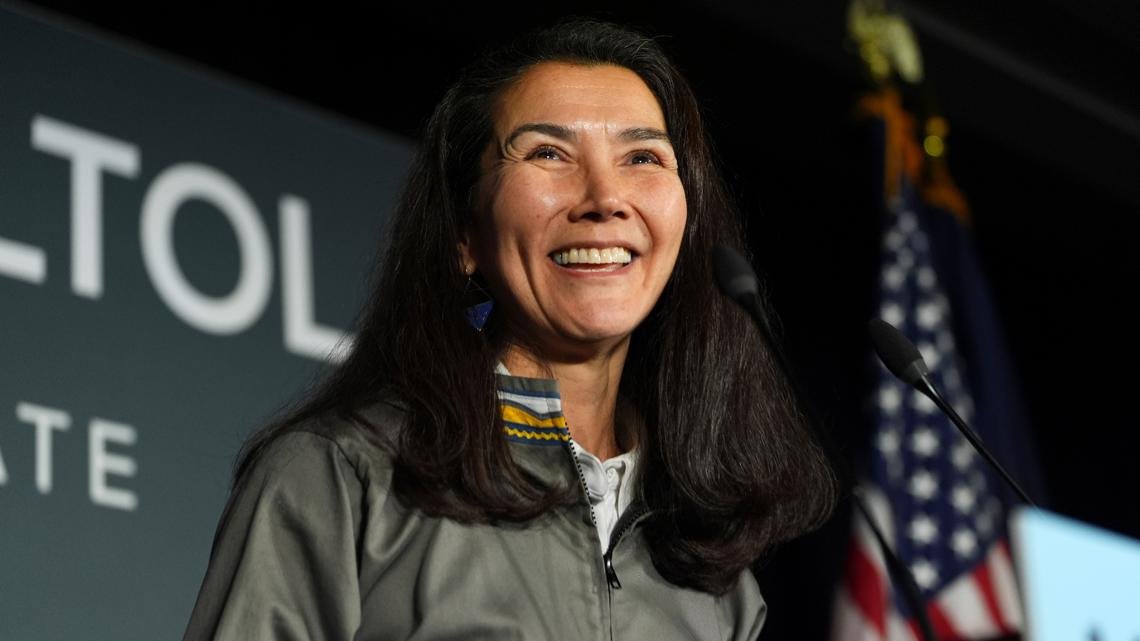
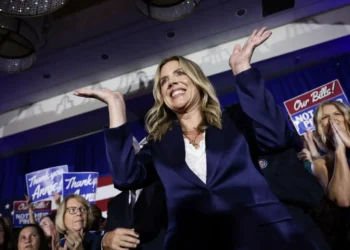
Peltola won 50.13 per cent of the vote, receiving more support than all the other candidates combined. Her victory included defeating the sitting Republican senator and another candidate named Daniel Sullivan, whose participation in the contest became one of the most controversial aspects of the election campaign.
The legal challenge centred on the presence of two candidates with the same name on the ballot. The Trump administration argued that voters could have been confused by the situation and questioned whether the election result should be certified without further investigation. However, Alaska’s Supreme Court had already ruled that the second Sullivan was legally entitled to contest the election and remain on the ballot.
The administration’s decision to seek dismissal came two days after Peltola’s victory was established. By asking the appeals court to declare the case moot, the government is seeking to end a legal dispute that had raised questions about the limits of federal intervention in state election procedures.
The controversy surrounding the second Dan Sullivan had attracted considerable attention throughout the campaign. Reports suggested that Democratic political operatives had been involved in efforts to recruit a candidate with the same name as the Republican incumbent, potentially diverting votes from the sitting senator.
The New York Times previously reported that individuals associated with Peltola’s campaign staff were involved in the recruitment effort. The allegations generated criticism from Republicans, who questioned whether the strategy was designed to manipulate voter behaviour and influence the outcome.
Peltola denied any involvement in encouraging the second Sullivan to enter the race. Nevertheless, the issue became a significant political controversy, with the Trump administration using the unusual ballot situation as the basis for its legal challenge.
The election result also carries historic importance for Indigenous representation in American politics. Peltola, a member of the Yup’ik community, will join Minnesota senator-elect Peggy Flanagan, who belongs to the White Earth Band of Ojibwe, as the first two Native American women to serve in the United States Senate.
Their election represents a significant development for Indigenous communities, which have historically faced barriers to political representation at the highest levels of American government. Their presence in the Senate is expected to bring additional attention to issues affecting Native American communities, including tribal sovereignty, healthcare, education, economic opportunities and environmental protection.
Meanwhile, Alaska’s election authorities have completed the counting process for the state’s other major electoral contests, including the race for its sole seat in the US House of Representatives. The congressional election was decided through ranked-choice tabulation after no candidate secured more than 50 per cent of the initial votes.
Under Alaska’s ranked-choice voting system, voters can rank candidates according to their preferences. If no candidate receives an outright majority in the first round, the candidate with the fewest votes is eliminated and those ballots are redistributed according to voters’ next preferences. The process continues until a candidate secures the required majority.
In the congressional contest, incumbent Republican representative Nick Begich narrowly defeated independent challenger Bill Hill after the redistribution of voters’ second preferences. The outcome demonstrated how ranked-choice voting can influence closely contested elections, particularly when several candidates compete for the same seat.
The race also attracted controversy over the candidacy of Eric Hafner, who contested the election as a Democrat despite objections from Alaska’s Democratic Party. Hafner had no established connection to the state and was serving a federal prison sentence in New York during the election campaign.
Despite these unusual circumstances, Hafner received 22,715 votes. His candidacy became particularly significant because of the potential impact those votes could have had on the final result. According to the election analysis, if all ballots initially cast for Hafner had instead been transferred to Hill, the independent candidate would have defeated Begich.
The circumstances surrounding Hafner’s candidacy raised additional questions about candidate eligibility, political strategy and the potential influence of unusual ballot arrangements on electoral outcomes. Democratic officials in Alaska had opposed his participation, but he was nevertheless permitted to contest the election.
The Trump administration’s decision to withdraw its challenge to the Senate election comes amid several other significant political and legal developments in Washington.
In another important development, Michigan Democratic Senator Elissa Slotkin has endorsed Maryland Senator Chris Van Hollen in the contest to replace Chuck Schumer as the Democratic Party’s Senate leader. Democrats are expected to take control of the Senate in January, creating an opportunity for the party to reconsider its leadership following the midterm elections.
Slotkin, a former Central Intelligence Agency analyst, said the Democratic Party needed a new generation of leadership and stronger ideas to respond to public expectations. Her endorsement adds momentum to Van Hollen’s challenge, although Schumer continues to retain support from several colleagues.
The leadership contest reflects wider discussions within the Democratic Party about its political direction, generational change and strategy ahead of future elections.
Meanwhile, the Department of Justice has come under scrutiny over spending on the renovation and decoration of its headquarters in Washington. According to documents obtained by Bloomberg News through Freedom of Information Act requests, the department spent approximately $892,192 on headquarters beautification, including a 40-foot banner featuring a portrait of President Trump.
The reported expenditure has raised questions about the use of taxpayer funds and the administration’s priorities at a time when several government departments are facing scrutiny over public spending.
Another development involved former White House Press Secretary Katie Zacharia, who is reportedly under investigation by the California State Bar over allegations that she presented herself as an attorney despite failing the bar examination. The investigation followed a complaint submitted by the nonprofit watchdog organisation Campaign for Accountability.
The organisation argued that Zacharia’s appearances on television programmes created the impression that she possessed professional legal qualifications. The California State Bar has reportedly assigned the complaint to an investigator and legal adviser to assess the allegations.
In a separate announcement, Trump issued a posthumous pardon to former baseball star Pete Rose, who died two years earlier. Rose had served five months in federal prison in 1990 after pleading guilty to federal tax offences involving undeclared income from personal appearances, memorabilia sales and gambling winnings.
The president’s decision has attracted attention because Rose had also been banned from Major League Baseball for life after admitting to gambling on baseball games.
These developments illustrate the continuing political and legal turbulence surrounding the Trump administration as it prepares for a new phase of congressional politics.

However, the Alaska Senate election remains particularly significant because it highlights the tension between federal political authority and the independence of state election procedures. The administration’s original lawsuit sought to delay certification based on concerns about voter confusion, while the state’s highest court had already determined that the disputed candidate was legally entitled to participate.
With Peltola securing a majority of the vote and the administration now seeking dismissal of its legal challenge, attention will turn to the appeals court’s decision and the formal conclusion of the dispute.
For Alaska, the outcome represents a major political transition and a historic moment for Indigenous representation. For the wider United States, the controversy has renewed questions about election integrity, legal challenges and the importance of respecting the established democratic process.
Related News:
 US states redraw maps after voting rights ruling
 Trump Media Ban Triggers First Amendment Clash
 US Networks Suspend Trump White House Pool Coverage
 Republican Senator Questions Trump Ad Spending
 Trump Ads Trigger Fight Over Taxpayer Money
 Latin America women fear rollback of rights
 Trump Says He Deserves Nobel Peace Prize
 Trump Attacks Norway After Nobel Peace Prize Snub
 Brazil Court Scandal Threatens Lula as Bolsonaros Rise
 Ohio Airports Become Key Hubs for ICE Deportation Flights
 Judge Blocks Trump White House Media Ban
 Serbia Leader Linked to Controversial Trump Tower Plan
 Trump’s Midterm Campaign Faces Racism and Political Backlash
 Paraguay President Impeached and Arrested After Banking Crisis
 Stephen Miller’s Rise Puts Hardline Views at Centre of Power
 Trump Defends Hegseth as Impeachment Push Intensifies
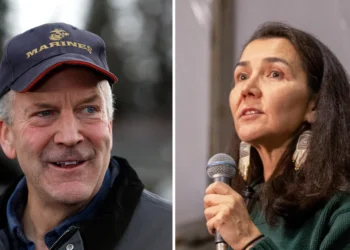 Trump Administration Seeks to Drop Alaska Senate Lawsuit
 Thousands Protest ICE Operations in Nationwide US Day of Action
 US Court Ruling Reshapes Voting Rights Landscape
 Cartel crackdown raises fears of fresh violence
 Judge halts deportation of Yemeni refugees in US
 Trump warns Iran as Middle East tensions surge again
 US ‘Narco Boat’ Strikes Draw Global Outcry
 Immigration Judges Fear Pressure in Trump Era
 Former ICC prosecutor condemns US sanctions
 Gunman Killed After White House Security Shootout
 Mystery Grows Over Mitch McConnell’s Health
 Is America Ready for an AOC Presidential Run?
 Trump Calls Iran War ‘Small Potatoes’ Despite US Deaths
 New Mexico Takes Facebook to Trial Over Data Scandal
 Israel Accused of Undermining Palestinian Life
 US Deportation Deals Send Migrants to Unfamiliar Countries
 Democrat Says ICE Restricted Detention Camp Oversight
 UK Pauses Chagos Deal Amid US Opposition
 Lula accuses Trump of seeking control over Brazil
 AI Deepfakes Put New Pressure on Election Trust
 Drumcree Talks Falter as Legal Challenge Deepens
 UK-France Returns Deal Faces Expiry as Talks Stall
 Trump Immigration Policy Faces New Legal Tests
 Musk’s DOGE Sparks Turmoil Inside US Government
 Trump Rally Faces Protests as Texas Race Tightens
 Tanker Attacked Near Qatar as Hormuz Tensions Escalate
 Bolsonaro Gains Key Endorsement Ahead of Brazil Runoff
 Controversial Vaccine Trial Approved in Guinea-Bissau
 Millions Face Tougher Medicaid Rules From January
 Farage Rejects Claims Reform Would Let Troops Shoot Migrants
 UK Urges Interpol to Reject Argentina’s Falklands Arrest Requests
 India’s Voter Roll Crisis Sparks Nationwide Protests
 Ukrainian Soldier Faces Trial Over Nord Stream Blast
 Trump Warns Alaska Voters Over Rival Dan Sullivans
 Trump Targets Arizona and Montana Amid GOP Election Worries
 Brazil Cuts Working Week to 40 Hours in Lula Election Boost
 Gadi Eisenkot: Israel’s Anti-Netanyahu Challenger
 Trump Rallies GOP as Senate Democrats Boost Key Races
 Talarico Faces Tough Voter Test in Texas Senate Race
 Trump’s Ambassador Picks Face Growing Controversy
 Trump Falsely Questions Ossoff’s Election Legitimacy
 Trump Administration Threatens California Election Officials
 Meta Faces Election Bias Claims Ahead of Brazil Runoff
 Omar Claims US Raid on Residence Was Meant to Intimidate
 US Midterms Could Reshape Trump’s Second Term
 Serbia’s Student Victory Sparks a ‘Smell of Freedom’
 Flávio Bolsonaro Reportedly Leaves Brazil After Election Defeat
 Obama Mocks Trump at Georgia Rally for Democrats
 Trump Again Demands Peltola Prosecution as Alaska Race Escalates
 Trump’s Global Policies Put Republicans at Risk
 Global Crises Test Diplomacy as Trump’s Policies Face Scrutiny
 Bedouin Women Drive Historic Arab Election Gains
 US Judge Blocks Pressure on Election Officials
 Trump Attacks Abdul El-Sayed in Controversial Iowa Rally
 US Midterms Put Trump’s Presidency to the Test
 Hegseth Faces Growing Pressure After GOP Election Defeat
 Trump-Backed Republicans Suffer Major Midterm Defeats
 Democrats Expand House Majority in Major Midterm Victory
 Judge Blocks Trump’s $100m Washington Arch Project
 US Pushes for Final Russia-Ukraine Peace Deal
 Knesset Speaker Race Could Decide Netanyahu’s Future
 Pentagon Claims Victory as Hegseth Impeachment Bid Stalls
 Zelenskyy Sees Peace Opportunity as US Envoys Meet Putin
 Australia’s Election Funding Changes Face Fresh Backlash