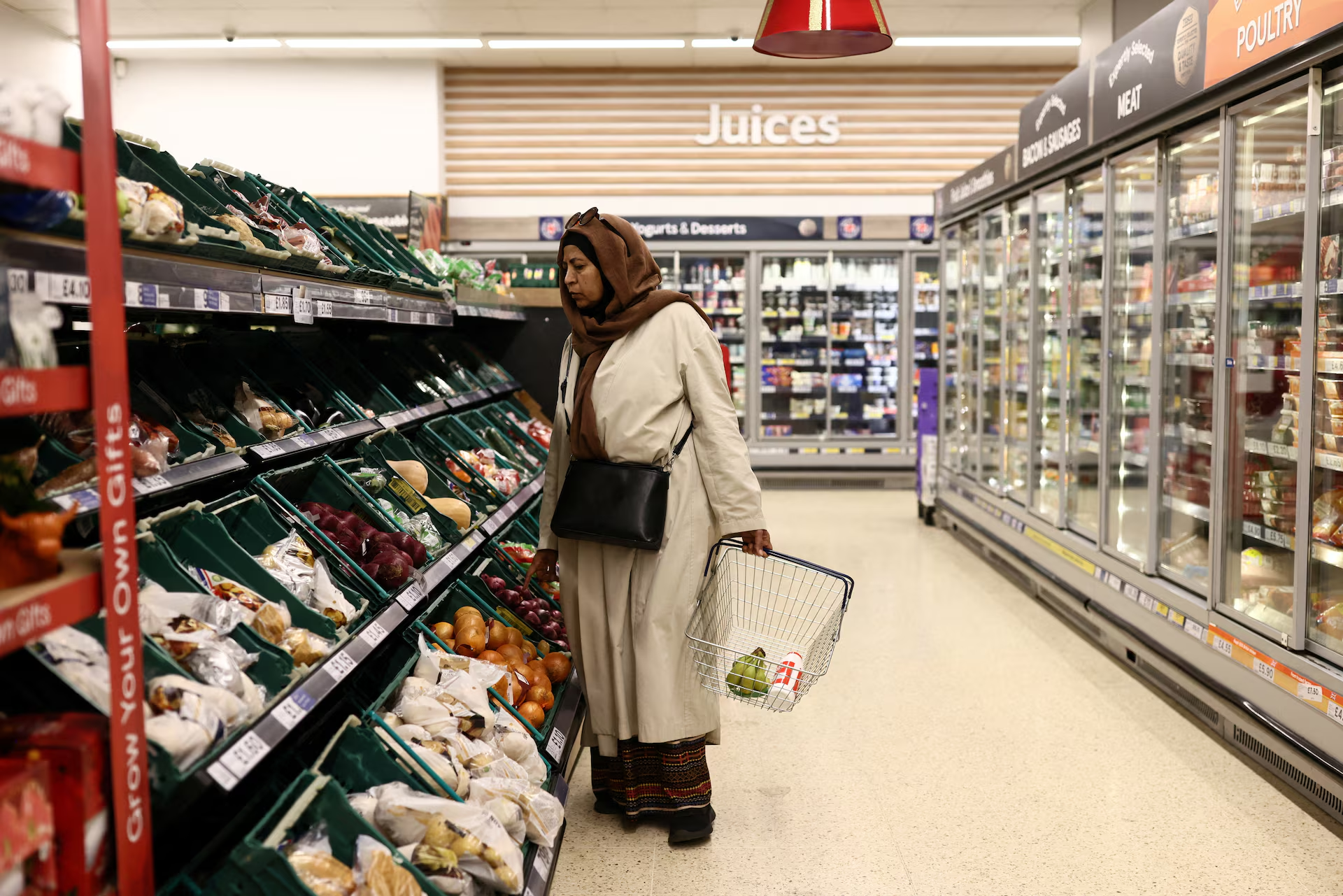
Retail sales across Great Britain recorded an unexpected increase in October as households stepped up purchases of essential goods, including tinned food, bottled water and long-life milk, amid growing concerns about potential emergencies. The rise followed a government campaign encouraging residents to prepare for situations such as extreme weather, cyberattacks and other major disruptions by keeping sufficient supplies at home to last at least 72 hours.
Official figures from the Office for National Statistics (ONS) showed that the volume of retail goods sold increased by 0.7 per cent month-on-month in October. The growth exceeded economists’ expectations, who had largely anticipated that sales would remain unchanged. The figures suggest that consumer spending regained some momentum after a disappointing September, although concerns about household finances and the wider economic outlook continue to influence purchasing decisions.

The government’s Be Ready campaign has played an important role in changing consumer behaviour. Launched to encourage households to become better prepared for unexpected emergencies, the initiative advises people to maintain essential supplies that could help them manage for three days without relying on normal public services or commercial facilities.
The campaign highlights the importance of having access to drinking water, non-perishable food, basic medicines, batteries and other household necessities. Authorities have emphasised that preparation should be practical and gradual rather than driven by panic buying. Nevertheless, the message appears to have influenced shopping habits, particularly in supermarkets, where demand for products with longer shelf lives has increased.
Grant Fitzner, chief economist at the ONS, said supermarkets had reported stronger sales of long-life food products, including canned goods and ultra-high-temperature milk. These products are particularly suitable for emergency storage because they can remain usable for extended periods without requiring immediate refrigeration while unopened.
The increase in food retail sales was one of the most significant contributors to October’s overall performance. Sales at food stores, primarily supermarkets, rose by 0.8 per cent compared with September. This represented the strongest monthly increase since April, when food sales recorded growth of 1.4 per cent.
The figures indicate that households are giving greater attention to essential supplies as awareness of potential disruptions grows. Products such as baked beans, canned vegetables, packaged food and long-life dairy products have become particularly relevant to consumers seeking to establish basic emergency reserves. For retailers, the additional demand has provided a welcome boost during a period when consumer confidence remains relatively weak.
The increase also comes against a backdrop of growing public discussion about Britain’s preparedness for major emergencies. Governments across Europe have increasingly encouraged citizens to consider how they would respond if essential services were temporarily disrupted. Severe weather, infrastructure failures, hostile cyber activities and other unexpected events can affect electricity, transport, communication networks and food distribution systems.
Britain’s Be Ready initiative reflects this broader approach to emergency preparedness. Rather than relying entirely on emergency services and public authorities, the government wants households to take reasonable steps to protect themselves during the initial stages of a crisis. Having essential supplies available could help families remain independent while emergency responders focus on the most urgent situations.
However, the campaign’s influence on retail spending has also attracted attention because of its economic implications. The increase in demand for basic household products has come at a time when retailers have been seeking stronger sales ahead of the crucial Black Friday and Christmas shopping periods.
October’s overall performance represented a considerable improvement on September, when retail sales had fallen more sharply than initially reported. The ONS revised September’s monthly decline from 0.4 per cent to 0.6 per cent, highlighting the difficulties facing retailers during the early autumn period.
One factor behind September’s disappointing performance was weaker online demand for seasonal clothing. Unusually warm weather reduced consumers’ interest in purchasing autumn and winter collections, leaving some retailers struggling to generate expected sales. The change in weather during October subsequently encouraged shoppers to return to seasonal clothing and other weather-related products.
Textile, clothing and footwear stores recorded a 1.5 per cent monthly increase in sales during October. The improvement suggested that demand for seasonal products had recovered as temperatures and weather conditions became more appropriate for autumn and winter shopping.
Other non-food retailers experienced an even stronger performance. Sales across this category increased by 3.1 per cent compared with September, marking the largest monthly rise since January. The improvement was supported by increased visits to galleries and stronger purchases of sports equipment, games and toys.
The broader non-food retail category, which includes department stores, clothing outlets, household goods retailers and other specialist businesses, recorded a 1.1 per cent increase during the month. The figures suggest that consumer spending was not limited to emergency supplies, with households also continuing to purchase products associated with leisure, entertainment and seasonal activities.
Online retail also showed signs of recovery. Non-store sales, which mainly include internet-based purchases alongside transactions through street markets and other sellers, increased by 0.9 per cent in October. The improvement followed weaker online activity in September and was partly supported by renewed interest in autumn and winter products.
The recovery in online shopping is particularly important for retailers that have become increasingly dependent on digital sales channels. Changing consumer habits, competition from international businesses and rising delivery costs have created additional pressure for companies operating in the online marketplace. October’s figures provide some encouragement that demand may strengthen as the festive shopping season approaches.
Not every retail category experienced positive growth, however. Motor fuel sales recorded a significant decline, falling by 2.2 per cent during October. This was the steepest monthly decrease since April. Higher prices at petrol stations may have contributed to the reduction, as motorists faced increased costs and potentially adjusted their fuel consumption.
The contrasting performance across retail categories demonstrates that British consumers remain selective about their spending. While households have increased purchases of essential goods and certain seasonal products, higher living costs continue to place pressure on discretionary budgets.
Erin Brookes, European retail and consumer lead at Alvarez & Marsal, said October’s sales performance had exceeded expectations despite weak consumer confidence and increasing financial pressure on households. She suggested that the latest figures could provide retailers with greater optimism as they approach Black Friday and Christmas, traditionally among the most important trading periods of the year.
However, Brookes also highlighted the challenges facing the industry. Retailers are having to respond to increasingly price-sensitive customers while managing rising operating expenses. Higher wages, energy bills, transportation costs and other business expenses can reduce profit margins even when sales volumes improve.
The upcoming festive season will therefore be an important test of whether October’s growth represents the beginning of a sustained recovery or simply a temporary improvement driven by specific consumer concerns and seasonal factors.
For supermarket operators, the increased demand for emergency supplies presents both an opportunity and a responsibility. Retailers must ensure that essential products remain available without encouraging unnecessary stockpiling or creating shortages for other customers. Government advice has focused on sensible household preparation rather than excessive purchasing.
The distinction is important because panic buying can place unnecessary pressure on supply chains, particularly during periods of uncertainty. A gradual approach to building emergency reserves allows households to prepare without creating sudden shortages or placing additional financial pressure on vulnerable families.
October’s retail figures also provide an indication of how government communication campaigns can influence economic activity. A public information initiative designed primarily to improve emergency preparedness has contributed to changes in purchasing behaviour, generating additional demand for certain products across the retail sector.
Nevertheless, the wider economic picture remains uncertain. British households continue to face pressure from inflation, interest rates and the rising cost of everyday necessities. Although the latest sales figures suggest that consumers are still willing to spend, maintaining that momentum will depend on improvements in purchasing power and confidence.
As Britain approaches the Christmas trading period, retailers will be watching closely to determine whether consumers continue spending or become more cautious about their finances. October’s unexpected increase offers some encouragement, but the industry still faces considerable challenges.

The growing interest in emergency preparedness has added another dimension to Britain’s changing shopping habits. For households, maintaining a modest supply of essential goods is increasingly being viewed as a practical precaution. For retailers, the development has created an unexpected source of demand at a critical point in the trading calendar.
Whether this trend continues in the coming months will depend on public awareness, household finances and the wider economic environment. For now, October’s figures demonstrate that a government call for emergency preparation has coincided with a notable improvement in Britain’s retail performance.
Related News:
 Oil nears $100 as Saudi attacks shake markets
 Thames Water Revises Oxfordshire Mega-Reservoir Plan
 UK Trade Losses Grow Without EU Product Deal
 Poundland Rescue Bid Could Protect 11,000 Jobs
 UK Diesel Reaches £2 as Inflation Surges Across Europe
 Minister Rejects Fears of UK Diesel Shortage
 Informa Agrees £2.24bn Deal to Buy Clarion
 Healey Plans £1bn Online Marketplace Tax Crackdown
 BP Profits Surge as Middle East Conflict Lifts Margins
 UK House Prices Suffer Sharpest Fall in Three Years
 UK House Prices Fall as Mortgage Rates Rise
 Billionaire Chris Rokos poised to leave UK
 JPMorgan Boss Warns Against UK Bank Tax Rise
 John Lewis Losses Widen to £124m as Confidence Falls
 UK Productivity Improves as Bank Weighs Interest Rates
 UK Retail Sales Rebound as Consumers Spend More
 UK Borrowing Hits £18.3bn Ahead of Budget
 Thinktank Calls for Abolition of UK State Pension
 MPs Defend UK Economic Watchdog Against Critics
 Chinese Hybrid Car Surge Raises EU Auto Industry Concerns
 AO Acquires Jessops in Camera Retail Expansion
 Should Savers Lock Into 5.25% Fixed Rates?
 Beaverbrooks Boss Calls for Relief on Business Costs
 UK Diesel Prices Hit Record High Amid Iran Conflict
 UK house price growth slows as mortgage rates rise
 UK borrowing costs surge as global bond sell-off deepens
 Boots Sale Nears as Weston Family Eyes $9bn Deal
 UK Assures Public Over Diesel Supply
 UK Faces Calls to Review Bank Failure Bets
 UK Weighs Chinese Car Tariffs Amid EU Trade Push
 BT Agrees £400m TalkTalk Rescue Deal
 Asos Investigates Hack Claims After Customer Alerts
 EU-China Talks Target Surge in Hybrid Car Imports
 Google Maps Brings Live Fuel Prices to UK Drivers
 Tesco Raises Profit Forecast as Consumer Confidence Holds
 Ministers Push ATO to Reconsider Credit Card Ban
 Australia Delays Tax Credit Card Payment Ban After Backlash
 IFS Warns UK Budget Faces £35bn Spending Gap
 UK Van Drivers Face £2.5bn Diesel Cost Surge
 EU Caps Chinese Hybrid Car Imports at 350,000
 IMF Warns Global Economy Is Nearing Its Limits
IMF Raises UK Growth Forecast Ahead of Healey’s Budget
 Business Chief Urges Burnham to Fix Brexit Damage
 UK Unemployment Falls to 4.7% as Vacancies Decline
UK Borrowing Hits £24.5bn Ahead of Healey’s Budget
 Labour MPs Urge Burnham to Lead UK Reindustrialisation
 China’s AI Ambitions Hit $2.4 Trillion Market Setback
 Healey Set to Scrap Planned Cut to Cash ISA Allowance
 Lloyds Warns Against Extending Higher Bank Tax
 UK House Price Growth Slows to Two-Year Low
 London Luxury Homes Face Deeper Price Declines
 Australia Faces Deeper Economic Slowdown
 UK Mortgage Holders Face Fresh Payment Shock
 Ryanair Weighs Pay Freezes as Fuel Costs Surge
 David Jones Faces Administration After Talks Collapse
 M&S Profits Rebound to £355m After Cyber-Attack
 Poundland Remains Vulnerable as Rescue Talks Continue
 Nationwide Launches Exclusive Savings Deal Paying 5.3%
 UK Inflation Climbs to 3.6% as Fuel Prices Surge
 Bank of England Faces £160m Renovation Challenge
 EDF Expands UK Market With 1.3m Utilita Accounts
 UK Borrowing Beats Forecast in Boost for Healey
 UK Cost Squeeze Deepens as Mortgages and Gas Rise
 UK Retailers Accused of Breaking Refund Laws
 UK Pay Growth Slows to 3.9% as Rate Decision Nears
 Entain Plans 400 Job Cuts After Profit Update
 UK Rent Gap Puts Low-Income Families Under Pressure
 Calls Grow to Expand UK National Wealth Fund
 Healey urged to act as UK energy bills rise 4%
 North Sea Strike Threatens UK Fuel Supplies
 UK house prices stall as mortgage costs rise
 Japan Beer Giants Face Cartel Probe
 Hall and Woodford Win Nobel Economics Prize
 Iran War Pushes UK Corporate Profit Warnings to Two-Year High
 UK Inflation Hits 3.5% as Middle East War Drives Fuel Costs
 Sainsbury’s Warns of Tough Christmas Ahead
 UK Chancellor Moves to Scrap Gas Standing Charges
 Australia Raises Interest Rates to 18-Year High
 Starbucks to Create 7,500 UK Jobs in Major Expansion
 Australian Mortgage Confidence Hits 32-Year Low