Published: 18 April 2026. The English Chronicle Desk. The English Chronicle Online.
Donald Trump recently made a bold claim about ending his tenth foreign conflict today. He insists his administration has successfully halted the brutal fighting within Lebanon. However, the situation on the ground remains incredibly fragile and deeply uncertain for civilians. Israel’s security cabinet first learned of this ceasefire through social media posts online. Hezbollah received the news through their Iranian ambassador instead of direct diplomatic channels. Both sides launched intense waves of munitions before the official deadline finally took hold. Israeli troops maintain their positions deep inside Lebanese territory while firing heavy artillery rounds. Hezbollah fighters claim they will respect the pause but keep fingers on their triggers. This ten-day ceasefire delivers a temporary reprieve but solves none of the fundamental issues. Absent a radical shift in positions, the violent fighting could easily resume quite soon. The primary sources of this conflict remain Hezbollah’s arms and continued Israeli military occupations. This agreement aims to create space for direct negotiations between the two rival governments. Direct talks represent a significant achievement because the nations have not spoken in decades. These negotiators face an incredibly difficult path toward achieving a lasting regional peace agreement. The current deal demands the Lebanese government establish an exclusive monopoly of military force. It also requires a formal demarcation of borders that have been contested since year 2000. To achieve these goals, Hezbollah must address their arms status and withdraw foreign combatants. Israeli forces are also expected to withdraw from all occupied territory within the southern region. Hezbollah has officially asked the Lebanese government not to engage in direct Israeli talks.

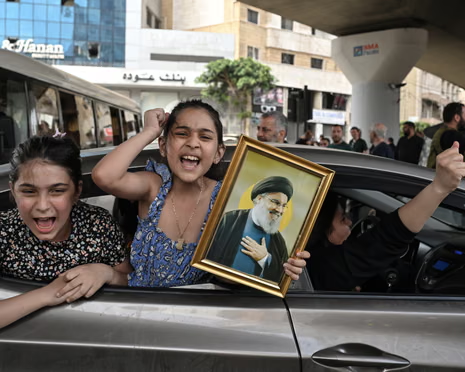
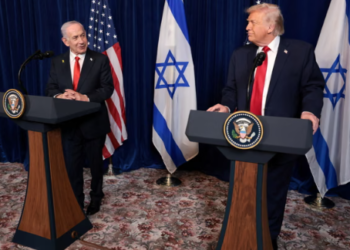
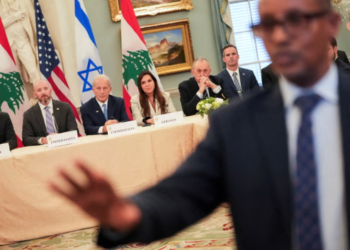
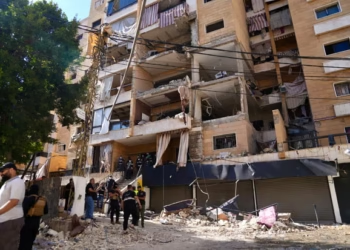
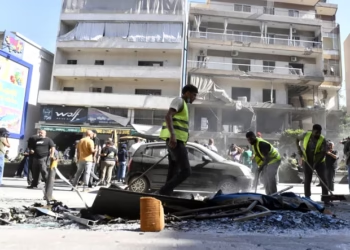
The government proceeds with diplomatic efforts despite lacking a mandate from the militant group itself. Its ability to enforce deal terms without outside support remains in serious, deep doubt. Hezbollah’s base feels more alienated from the central government than at any previous time. Many residents view the administration as completely impotent against ongoing and aggressive Israeli actions. Seeing the Lebanese flag beside the Israeli flag in Washington caused widespread local public anger. Many residents perceived this image as a humiliating capitulation during ongoing, brutal aerial bombardments. Citizens returned to southern villages to find their homes in absolute, total, and complete ruin. Almost twenty-two hundred people have perished during the past month of intense, deadly fighting. Many victims include innocent women, children, and the elderly who lacked any military connection. No specific entity has taken accountability for these devastating and tragic losses of civilian life. The argument for retaining Hezbollah’s weapons feels stronger than ever to its dedicated supporters. To those outside the group, there is little alternative to these difficult political negotiations. What Hezbollah defined as a glorious victory seems like a bitter, costly defeat today. Many citizens were dragged into a war by a group they did not actually elect. They lost vast stretches of southern territory and many precious lives in the process. Domestically, the resulting picture remains fraught with tension and potentially violent, deep, and lasting confrontations. Unlike the previous ceasefire agreement from 2024, there can be no more political stalling. The issue of Hezbollah’s weapons must be decided within this increasingly challenging, volatile context. In Israel, there is also immense pressure for the intense military war to continue. The ceasefire announcement enraged many residents of northern Israel seeking total security from Hezbollah. A recent poll found nearly eighty percent of respondents wanted continued strikes against them. Israeli officials boast of military victory while maintaining an implicit threat of resumed war. Defence Minister Israel Katz stated that military goals are still not fully complete today. He emphasized that disarming the group remains a primary commitment for the Israeli campaign. Donald Trump appeared less certain about Israel’s ability to resume this military campaign effectively. He stated on Friday that Israel is currently prohibited from bombing Lebanon any longer. He announced a simultaneous deal with Iran regarding their ongoing enriched uranium production efforts. His statement arrived even as Prime Minister Benjamin Netanyahu claimed he finished no job. It remains to be seen whether Trump will maintain his attention on this region. Whether he continues exerting necessary pressure on Israel to stop remains a critical question. The ceasefire was imposed from above, yet the path forward remains highly complex indeed. Its future success runs directly through Washington and Tehran despite the local negotiators present. Sustained, intense international focus must remain on these vital Lebanon and Israel peace talks. Without such consistent attention, the brutal war will almost certainly resume with increased intensity. Everyone hopes that diplomacy can eventually replace the cycle of violence and deep destruction. The international community is watching this fragile situation with great care and immense concern. Only time will reveal if this temporary pause can become a durable, lasting peace. The people of both nations deserve a future free from constant fear and war. Stability remains the ultimate goal for everyone living within this beautiful, troubled, and land.
Related News:
 Ukraine war briefing: Zelenskyy offers help to Saudi Crown prince on combatting Iranian drones
 Ukraine Sends Drone Experts to Defend US Bases in Jordan
 Saudi Arabia Urging US to Keep Up Iran Attacks
 Diplomacy on the Brink: Pakistan’s Risky Peace Mission
 Trump Slams Europe as Transatlantic Tensions Boil Over
 High-Value Target: Iranian Strike Destroys US Radar Plane
 UN Warns Israeli Death Penalty Bill Could Be a War Crime
 Pakistan and China Propose Five-Part Peace Plan
 Trump Issues Stark Warning After Strike On Iran’s Largest Bridge
 Hope and Fear as Iranians Flee Across the Turkish Border
 The Price of Hubris: Trump, Netanyahu, and the ‘Easy’ War
 Israel Defies Ceasefire as Lebanon Operations Persist
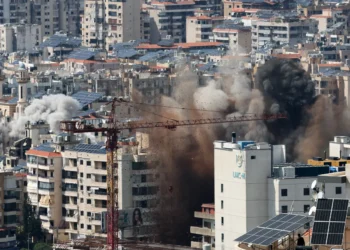 Middle East Peace Crisis: Ceasefire Strained by New Violence
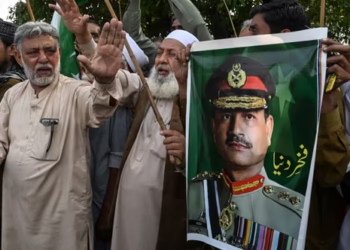 Pakistan Brokers Historic Peace Deal Amid Rising Tensions
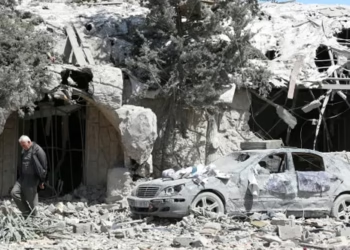 Netanyahu Vows Continued Lebanon Strikes Amid Peace Talks
 Islamabad Hosts Historic Peace Talks Between Iran and USA
 US and Iran Pursue Extension of Ceasefire via Pakistan
 Trump’s Islamabad Gamble: The High Stakes of a New Iran Deal
 The General’s Gambit: Pakistan’s New Role in Global Peace
 Global order shifts amid Trump-era turmoil
 Middle East Crisis Escalates as Oil Routes Shake Markets
 Saudi Arabia Blocks Trump’s Naval Plan for Hormuz Strait
 Tensions Emerge in Netanyahu-Trump Alliance
 UAE’s Secret Strike on Iran Risks Wider Gulf Conflict
 Netanyahu Claims Secret UAE Visit Amid Regional Conflict
 Netanyahu Calls Early Election Amid Coalition Turmoil
 Plea for Mercy: The Battle to Bring Ahmed al-Doush Home
 Trump Issues New Threat of Strikes Amid Iran Standback
 Global Outrage After Israeli Minister Mocks Bound Activists
 Israeli Strikes in Lebanon Kill 10 Amid Ceasefire Strain
 Hunger increasingly weaponised in global conflicts
 Former ICC prosecutor condemns US sanctions
 Trump and Netanyahu Clash Over Crucial US and Iran Peace Deal
 Washington Brokerage Sparking Hope Amid Regional Firestorms
 Israel Defies Trump in Direct Strikes on Targets Across Iran
 US and Iran Agree Historic Framework to End 15-Week War
 Global Powers Navigate Fragile Peace as Hormuz Reopens
 Trump Signs Landmark Iran Accord in Versailles
 Uncertainty Prevails as Landmark Peace Talks Abruptly Conclude Before Commencement
 Iran To Propose New Shipping Fees In Strait Of Hormuz
 Grief and Devotion Amidst the Rubble of Nabatieh
 High Drama in Tehran Over Secret Nuclear Letters
 Iran Prepares for Massive Six-Day Funeral for Khamenei
 Iran Prepares for Massive Funeral for Supreme Leader
 Iran Bids Farewell to Fallen Leader in Massive Procession
 Iran Mourns: Millions at Khamenei’s Final Procession
 Hamas Proposes Handing Over Control of Gaza Strip
 Israeli Officer Investigated for Car Grenade Attack
 Yemen Accuses Iran of Violating National Sovereignty
 Trump Threatens Iran Power Strikes Over Hormuz Impasse
 Houthis Strike Saudi Arabia as Middle East Tensions Rise
 Friedman Uninvited From 2024 Adelaide Writers’ Week
 New Zealand Covid Response Praised Despite Lingering Scars
 Injured Mojtaba Khamenei Elevated as Iran Leader
 Trump’s Six-Week Iranian War: The High Cost of Ignorance
 Reform UK Pledges To Halt Visas Over Reparations Demands
 US and Iran Agree to Two-Week Provisional Ceasefire
 Trump Signals Hope for New Iran Talks as Ceasefire Fades
 Security Alert Near Israeli Embassy as Police Investigate
 Trump’s Presidency: A House of Cards Collapsing?
 US Forces Seize Iranian Ship Near Hormuz Blockade
 Trump Starts $166bn Tariff Refund Process
 Investigation: Offshore Loans and Sanctions
 Prominent Voices Challenge Palestine Action Ban
 Cross-Border Crisis Shatters Fragile Afghan Peace
 The Burning Lens: An Iranian Artist’s Visual Resistance
 FIFA Confirms Global Ban for Benfica Star Prestianni
 One Nation Candidate’s Surprising Ties to Independents
 Putin Signals War End as Russian Momentum Stalls
 Romania’s Judicial Crisis: A System Under Siege
 Scepticism and tight security as Beijing braces for Trump
 Philippine Senator Flees After Days Under Senate Siege
 Tensions Flare as Israeli Nationalists March in Jerusalem
 Secrecy Down Under: Albanese Faces FoI Scandal
 Tony Abbott Returns as New Liberal Party President
 Teaching Machines Right From Wrong in the Digital Age
 Trump Urged to Condemn UFC Fighter Over Obama Slurs
 US Military Pacific Boat Strike Kills Three People
 Trump’s Mount Rushmore Speech: A Divisive Anniversary
 Trump Swaps Planes Amid Iran Tensions