Published: 15 July 2026. The English Chronicle Desk. The English Chronicle Online.
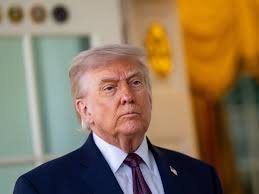
President Donald Trump has dramatically escalated his rhetoric against Iran during this current week of intense maritime volatility. The American leader issued a stern warning that he would expand military operations against Tehran if they continue to defy international demands. He specifically vowed to strike critical infrastructure including power plants and bridges starting next week if no diplomatic deal is reached. This sharp ultimatum arrives as the fragile peace established by the Islamabad Memorandum appears to be collapsing under the weight of renewed hostilities. The president delivered these aggressive comments during a television interview conducted on Tuesday that was broadcast to a wide national audience. He stated clearly that conditions for the Iranian regime would deteriorate significantly if they failed to return to the negotiating table immediately. These remarks follow several days of persistent United States military strikes aimed at Iranian coastal positions near the vital Strait of Hormuz waterway.
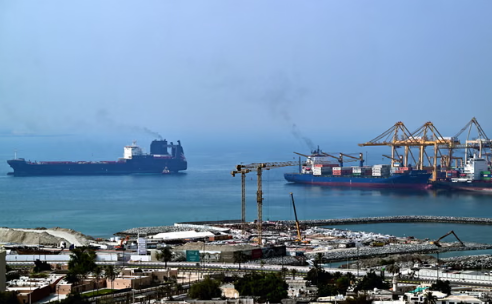
The current atmosphere remains deeply tense as both nations maneuver for strategic dominance over the world’s most critical oil shipping channel. American naval forces have officially reimposed a comprehensive blockade on Iranian ports following repeated interference with commercial vessels transiting through the region. Military officials at Central Command confirmed that these latest defensive strikes were designed to degrade Iranian capabilities that threaten global energy security. Iranian state media outlets reported hearing a series of loud explosions near the major port city of Bandar Abbas as well as on Qeshm island. In direct retaliation, the Islamic Revolutionary Guard Corps claimed they successfully targeted American naval support infrastructure located within the neighboring nation of Bahrain. Further complications arose when the Jordanian military confirmed the interception of multiple ballistic missiles that had violated its sovereign airspace during the overnight hours.
This rapid series of escalations marks a dangerous reversal of the diplomatic progress that had been celebrated just one month ago. The Islamabad Memorandum of Understanding was originally hailed as a historic framework intended to achieve a permanent cessation of military hostilities across the entire Middle East. Diplomats from multiple nations had worked tirelessly for weeks to secure this interim ceasefire which effectively halted direct combat operations on all regional fronts. However, mutual accusations of bad faith and repeated violations of the agreement have effectively dismantled the fragile framework that was meant to usher in long-term stability. Iranian officials now openly declare that they no longer feel obligated to honor the specific terms of the memorandum due to Washington’s ongoing naval activities. American leadership counters these claims by asserting that Iran’s persistent aggression against commercial shipping has rendered the original peace agreement entirely void and unsustainable.
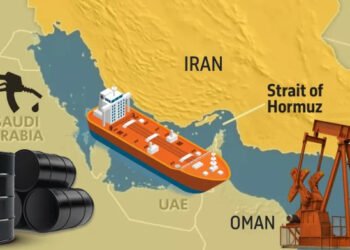
The dispute over the Strait of Hormuz continues to serve as the primary flashpoint in this widening regional conflict between the two powers. Control of this narrow maritime passage remains essential because approximately one-fifth of the world’s total oil and gas supplies must pass through these waters to reach global markets. Iran has previously attempted to enforce its own navigational protocols on passing vessels while threatening to disrupt energy exports if it perceives continued military pressure from the United States. In a brief moment of apparent de-escalation earlier this week, President Trump had considered imposing a security toll on merchant ships passing through the strait. He ultimately abandoned this controversial plan after holding productive discussions with various leaders from allied Gulf Arab nations. Instead, he chose to focus on promoting large-scale investment deals meant to strengthen regional economic ties while simultaneously maintaining a firm stance through the naval blockade.
International observers express growing concern that the lack of a viable diplomatic path forward will inevitably drag the entire region into a period of prolonged and destructive warfare. The recent exchange of fire and the systematic targeting of military and industrial facilities suggest that neither side is currently willing to make the concessions required for a sustainable truce. Analysts frequently note that the destruction of essential civilian infrastructure like electricity grids and fresh water facilities would raise profound questions regarding compliance with international humanitarian laws during active conflicts. Such actions would likely be categorized as severe violations by global monitoring bodies and could carry long-lasting consequences for the nation responsible for them. The administration remains steadfast in its position, however, insisting that these strikes are a necessary response to the persistent threats posed against international shipping and regional stability.
The path toward a peaceful resolution currently seems obscured by the cycle of retaliation that has defined the last several days of interaction between Washington and Tehran. Whether the president’s latest threats will succeed in forcing a return to negotiations or instead push both parties closer to the brink of all-out conflict remains a question of intense debate among global leaders. For now, the region waits to see if the promised escalation of military strikes will proceed as scheduled in the coming week. The international community is closely monitoring the situation as the prospects for diplomacy fade with every new report of missile interceptions and naval encounters. This volatile standoff continues to serve as a stark reminder of the immense pressures currently placed upon the delicate energy systems that power the modern global economy.
Related News:
 Ukraine war briefing: Zelenskyy offers help to Saudi Crown prince on combatting Iranian drones
 Ukraine Sends Drone Experts to Defend US Bases in Jordan
 Saudi Arabia Urging US to Keep Up Iran Attacks
 Diplomacy on the Brink: Pakistan’s Risky Peace Mission
 Trump Slams Europe as Transatlantic Tensions Boil Over
 High-Value Target: Iranian Strike Destroys US Radar Plane
 UN Warns Israeli Death Penalty Bill Could Be a War Crime
 Pakistan and China Propose Five-Part Peace Plan
 Trump Issues Stark Warning After Strike On Iran’s Largest Bridge
 Hope and Fear as Iranians Flee Across the Turkish Border
 The Price of Hubris: Trump, Netanyahu, and the ‘Easy’ War
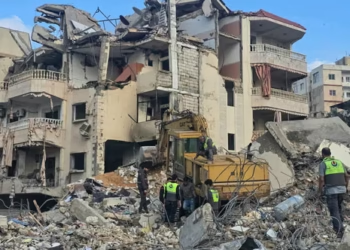 Israel Defies Ceasefire as Lebanon Operations Persist
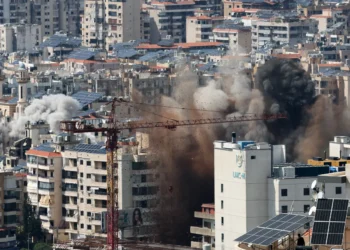 Middle East Peace Crisis: Ceasefire Strained by New Violence
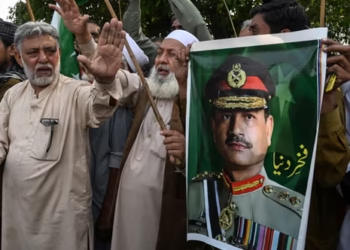 Pakistan Brokers Historic Peace Deal Amid Rising Tensions
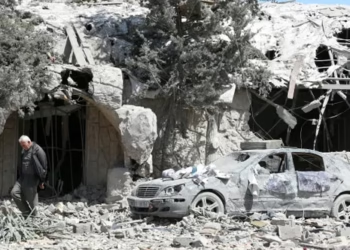 Netanyahu Vows Continued Lebanon Strikes Amid Peace Talks
 Islamabad Hosts Historic Peace Talks Between Iran and USA
 US and Iran Pursue Extension of Ceasefire via Pakistan
 Trump’s Islamabad Gamble: The High Stakes of a New Iran Deal
 The General’s Gambit: Pakistan’s New Role in Global Peace
 Can Trump’s Ceasefire Hold in Lebanon?
 Global order shifts amid Trump-era turmoil
 Middle East Crisis Escalates as Oil Routes Shake Markets
 Saudi Arabia Blocks Trump’s Naval Plan for Hormuz Strait
 Tensions Emerge in Netanyahu-Trump Alliance
 UAE’s Secret Strike on Iran Risks Wider Gulf Conflict
 Netanyahu Claims Secret UAE Visit Amid Regional Conflict
 Netanyahu Calls Early Election Amid Coalition Turmoil
 Plea for Mercy: The Battle to Bring Ahmed al-Doush Home
 Trump Issues New Threat of Strikes Amid Iran Standback
 Global Outrage After Israeli Minister Mocks Bound Activists
 Israeli Strikes in Lebanon Kill 10 Amid Ceasefire Strain
 Hunger increasingly weaponised in global conflicts
 Former ICC prosecutor condemns US sanctions
 Trump and Netanyahu Clash Over Crucial US and Iran Peace Deal
 Washington Brokerage Sparking Hope Amid Regional Firestorms
 Israel Defies Trump in Direct Strikes on Targets Across Iran
 US and Iran Agree Historic Framework to End 15-Week War
 Global Powers Navigate Fragile Peace as Hormuz Reopens
 Trump Signs Landmark Iran Accord in Versailles
 Uncertainty Prevails as Landmark Peace Talks Abruptly Conclude Before Commencement
 Iran To Propose New Shipping Fees In Strait Of Hormuz
 Grief and Devotion Amidst the Rubble of Nabatieh
 High Drama in Tehran Over Secret Nuclear Letters
 Iran Prepares for Massive Six-Day Funeral for Khamenei
 Iran Prepares for Massive Funeral for Supreme Leader
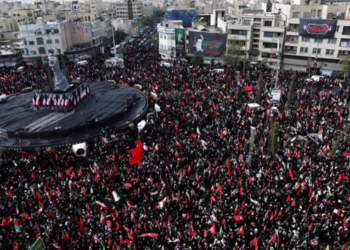 Iran Bids Farewell to Fallen Leader in Massive Procession
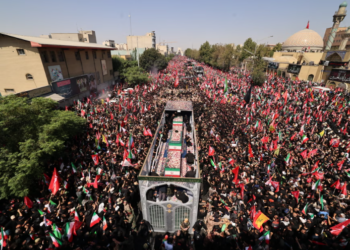 Iran Mourns: Millions at Khamenei’s Final Procession
 Hamas Proposes Handing Over Control of Gaza Strip
 Israeli Officer Investigated for Car Grenade Attack
 Yemen Accuses Iran of Violating National Sovereignty
 Houthis Strike Saudi Arabia as Middle East Tensions Rise
 Friedman Uninvited From 2024 Adelaide Writers’ Week
 Spoof “Make America Go Away” Caps Rally Denmark Over Greenland
 New Zealand Covid Response Praised Despite Lingering Scars
 Tehran Strikes Mark War’s Most Devastating Night
 Injured Mojtaba Khamenei Elevated as Iran Leader
 Trump’s Six-Week Iranian War: The High Cost of Ignorance
 Reform UK Pledges To Halt Visas Over Reparations Demands
 US and Iran Agree to Two-Week Provisional Ceasefire
 Trump Signals Hope for New Iran Talks as Ceasefire Fades
 Security Alert Near Israeli Embassy as Police Investigate
 US-Iran Standoff: Will Trump Deploy Ground Troops?
 Investigation Into Anti-Trump Motives After Gala Shooting
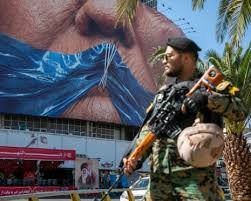 Trump Rejects Tehran Peace Plan as Regional Truce Crumbles
 High Stakes in Beijing as Trump and Xi Meet Amid Global Turmoil
 Fear and Betrayal: The Chilling Case of Kouri Richins
 Trump and Xi Convene in Beijing for Historic High-Stakes Summit
 Aussie Race Row: Coalition Accused of Scapegoating
 Trump Pledges 5,000 Troops for Poland in U-Turn
 Cannes filmmakers split over AI’s role in cinema
 US Condemns ‘Two-Tier’ UK Policing After Student Murder
 Trump Appeals for Middle East Calm but Conflict Escalates
 Millions in British Charity Funds Linked to Illegal Settlements
 US Trafficking Arrest Exposes Shocking Exploitation
 Gas Prices Fall Below $4 Following US-Iran Peace Deal
 Canada Secure Historic Last 16 Spot with Late Goal
 EU Slashes Steel Quotas But Grants UK Favourable Rates
 Southern Europe Reels as Wildfires Force Mass Evacuations
 Telstra Software Fault Triggers Massive Nationwide Outage
 Rubio Pushes to Dismantle Global Justice Court