Published: 5 August 2026. The English Chronicle Desk. The English Chronicle Online
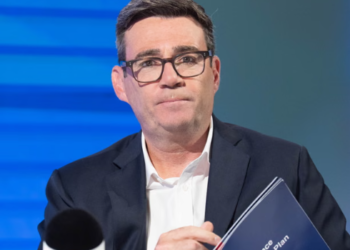
A potential new battle between the UK government and the banking industry is emerging as campaigners urge Prime Minister Andy Burnham to introduce a windfall tax on bank profits after Britain’s biggest lenders reported record earnings.
The debate has intensified following a bumper financial period for major UK banks, which have benefited from higher interest rates and market volatility linked to global instability, including the economic effects of the war in Iran.
The country’s four largest lenders — HSBC, NatWest, Barclays and Lloyds — recorded combined profits of £29.2bn during the first six months of the year. Almost half of that amount, around £13.7bn, has been returned to shareholders through dividends and share buybacks.
The figures have strengthened calls from trade unions and campaign groups for banks to contribute more towards government efforts to reduce living costs and fund major reforms, including plans to overhaul social care.
Campaigners argue that banks are in a stronger position than many households and businesses struggling with higher prices.
“This is not a ‘hard choice’,” said Paul Nowak, general secretary of the Trades Union Congress. “Banks can easily afford to pay more tax.”
He argued that a tax increase on bank profits could provide additional funding to help households facing pressure from rising energy costs and inflation.
The campaign group Positive Money has also called on the government to introduce a windfall tax, saying the proceeds could be used to support families and businesses affected by economic pressures.

However, Andy Burnham has so far avoided making a clear commitment on whether his government would introduce a bank profits tax.
In June, the prime minister said he wanted to provide people with immediate support while maintaining responsible management of public finances.
“While not taking risks with the public finances, I will seek to give Britain some breathing space as soon as I can,” Burnham said.
The banking industry is already preparing to oppose any potential tax increase, drawing on a long history of disputes with governments over additional charges imposed after the 2008 financial crisis.
Banks argue that higher taxes could reduce their ability to lend money, weaken investment and slow economic growth.
Some senior executives have warned that continued tax increases could influence decisions about future investment in Britain.
Jamie Dimon, chief executive of US banking giant JP Morgan, recently criticised previous additional taxes imposed on the financial sector, warning that excessive costs could force companies to reconsider their commitments to the UK.
“We paid probably $10bn (£7.4bn) in extra taxes by now. I don’t think that’s right or fair,” Dimon said.
“If that happens too much, we will reconsider.”
UK bank leaders have also pushed back against calls for higher taxation.
NatWest chief executive Paul Thwaite said strong banks were essential for strong economies and warned that tax increases could affect lending.
“If you want strong economies, you want strong banks,” he said. “It’s really important to have consistency and stability of policies.”
Barclays has similarly argued that banks play a key role in supporting economic growth by providing loans to businesses and consumers.
The bank’s chief financial officer, Anna Cross, said the industry’s contribution to economic recovery should be considered when policymakers discuss taxation.
“We think that the track record that we and the other banks have, in terms of supporting UK growth and indeed leaning into UK lending, is really important for the health of the economy,” she said.
The argument echoes previous battles between governments and banks over taxation.
Following the 2008 financial crisis, when several banks required taxpayer-funded support, the coalition government introduced the bank levy in 2010.
The measure was designed to recover money from large financial institutions by taxing parts of their balance sheets.
The policy immediately faced opposition from banking leaders.
HSBC was among the strongest critics, with then-chief executive Stuart Gulliver warning in 2015 that increasing regulatory burdens and the cost of the bank levy could lead the company to reconsider its UK headquarters.
The warning raised concerns about the future of London as a global financial centre.
Former chancellor George Osborne responded by reducing the scope of the levy, limiting it mainly to UK-based balance sheets rather than global assets.
He also reduced the rate from 0.21% to 0.10%, cutting the expected annual revenue from the measure.
At the same time, the government introduced a separate 8% surcharge on bank profits to ensure the sector continued contributing additional tax revenue.
Later, former chancellor Rishi Sunak reduced this surcharge to 3% from 2023, amid concerns that Britain needed to remain competitive with financial centres such as New York and Hong Kong.
But the debate returned after the Covid pandemic, when rising interest rates helped banks generate significant profits while many households faced a severe cost-of-living crisis.
In 2023, MPs on the Treasury Committee criticised major lenders, accusing them of benefiting from higher rates while customers struggled with increased mortgage and borrowing costs.
Several European countries, including Italy and Spain, introduced temporary windfall taxes on banks to help fund support measures for households.
The possibility of similar action in Britain has remained politically controversial.
Campaigners have suggested alternative ways of increasing contributions from banks.
The Institute for Public Policy Research has highlighted the profits banks receive from reserves held at the Bank of England and suggested a new levy targeting those gains.
The thinktank argued that changes introduced during quantitative easing created significant benefits for commercial banks, while increasing pressure on public finances.
Banks have rejected accusations that they are avoiding their responsibilities.

Industry representatives point out that the banking sector already pays significant amounts in taxes.
UK Finance has estimated that British banks face an overall tax burden of around 46.4% when corporation tax, employment taxes and other charges are included.
The organisation argues this compares unfavourably with rival financial centres, including Frankfurt and New York.
As Burnham’s government considers measures to address living costs and fund public services, the question of whether banks should pay more is likely to become one of its most politically sensitive economic decisions.
A windfall tax could provide billions of pounds in additional revenue, but it risks creating another confrontation with one of Britain’s most powerful industries.
The coming months may determine whether the government chooses to challenge the City or avoid a policy battle that previous administrations have struggled to win.
Related News:
 BBC News Faces Deep Cuts in 2,000 Job Plan
 Reeves Fights to Keep Treasury Role Amid Labour Turmoil
 Banks Accused of Steering Customers Away From Basic Accounts
 Reform Plans to Keep UK’s Budget Watchdog in Office
 Tories Call for Rethink of Parliament Revamp Plans
 Reeves Blocking Spending Boost for Defence
 Jenrick: I’ll Back OBR but There’ll Be No More Cosy Consensus
 Another U-turn Ahead as Labour Reconsiders Youth Minimum Wage
 Reeves Faces Triple Threat as Markets Reel From Global Turmoil
 Wealthy Britons Flee Gulf War but Avoid UK Taxes
 UK Wage Growth Slows as Jobs Market Holds Firm
 UK Doubles Steel Tariffs to 50% to Protect Domestic Plants
 UK Forecast to See Biggest Growth Hit from Iran War
 Oil Markets Surge as Investors Await Trump’s Final Iran Ultimatum
 Global Oil Markets Volatile After Trump’s Profane Threat to Iran
 The ‘Relief Rally’: Global Markets Surge as Oil Prices Tank on 14-Day Truce
 New UK advice scheme to boost savings and investing
 “The Breaking Point”: Hospitality Leaders Warn of a ‘Sinking’ Industry Amidst Rising Operational Costs
 “The Iron Chancellor of the North”: Andy Burnham’s High-Stakes U-Turn to Prevent a Truss-Style Gilt Market Meltdown
 “A Fragile Lull”: UK Inflation Dips to 2.8% Amid Warnings of a Renewed Climb
 UK Pushes for New EU Goods Trade Deal
 UK rejects EV charging VAT cut amid Treasury clash
 EasyJet Agrees in Principle to £5.2bn Takeover Deal
 Healey Says Treasury Undervalues Defence Spending
 Labour MPs Urge Burnham to Revive UK Aid Target
 EasyJet Takeover Sparks Fears Over Passengers’ Future
 China’s Economic Growth Slows, Missing Official Target
 China Hits Out at British Steel Nationalisation
 US Unveils Fresh Tariffs on Global Trading Partners
 US Eyes Frozen Iran Funds for Shipping Damage
 Oil Prices Return to $100 Amid Global Market Fears
 Windfall Tax Calls Grow as Banks Post Record Profits
 Trump Warns Iran Over Strait of Hormuz Blockade
 Palantir Paid £2m UK Tax Despite Public Contracts
 Chancellor Rachel Reeves Pushes for Sweeping Changes to Environmental Protections to Accelerate Development
 Senior Tories Condemn Badenoch’s Vow to Repeal Climate Change Act as Catastrophic
 Kemi Badenoch Unveils ‘Golden Rule’ to Halve Spending Cuts for Deficit Reduction at Tory Conference
 Trump’s UK Ambassador Urges North Sea Drilling to Strengthen US Ties
 Millionaires group urge Reeves to introduce wealth tax to ‘lift kids out of poverty’
 Starmer Says Labour’s Economic Plan Needs Years to Deliver
 MPs warn AI financial risks threaten UK stability
 MPs warn AI financial risks threaten UK stability
 Could Manchester Lead the UK’s Economic Revival?
 Live Markets Bet on Spring Rate Cut as Inflation Falls
 City Bets on Rate Cuts as Unemployment Soars
 Reeves Must Back Defence Plan or Face Dismissal, Says Unite Chief
 Labour’s Employment Shake‑Up ‘Makes Britain Worse Than France’
 Could Trump Threaten London’s £50bn Insurance Giant?
 US Launches Probe into Trading Partners Including EU, China, and India
 UK Fuel Tax Hike Plan to Be Kept Under Review Over Iran Conflict
 UK Forces Ready to Seize Russian Shadow Fleet Vessels
 ‘Eye in the Sky’ Blinded: Photos Reveal Destroyed US Radar Jet at Saudi Base
 Badenoch Demands Energy Tax Cuts Over ‘Benefit Street’ Bailouts
 Tories Urge Three-Year VAT Scrap on Energy Bills to Combat Price Spike
 Starmer Launches Labour Local Election Campaign Under Shadow of ‘Bloodbath’ Predictions
 The 8 Million Dilemma: Why Britain’s Disability Safety Net is Facing a ‘2026 Reckoning’
 The ‘Peterborough Windfall’: Council Calculator Finds £84,800 in Unclaimed Support
 Asian Powers Secure Energy Lifelines as Trump’s Hormuz Deadline Looms
 Policy Stand-Off: Streeting Denies Any ‘System Update’ to Resident Doctor Pay Deal
 Carmakers Face £3bn Gap in UK Loan Payout Scandal
 “Jobs Will Go”: Rishi Sunak Warns AI is Already Eroding Entry-Level Opportunities
 Reality Check on Reform: Minister Says Outright Abolition of Leasehold “Impossible”
 The $126 Spike: Oil Hits Four-Year High as Trump Weighs “Powerful” New Iran Strikes
 “A Medicine Desert”: Why the Battle for Basic Prescriptions is About to Intensify
 “A Royal Dram”: Trump Scraps Whisky Tariffs in Historic Gesture to Departing King
 US Awaits Iran Reply on New Ceasefire Proposal
 Albanese Defends Tax Reforms Amid Emotional Speech
 Victoria Labor Launches Apprenticeship Expansion Plan
 Nationwide Faces Governance Scrutiny Ahead of AGM
 Trump Approves $700m Coal Industry Investment
 Extra £174m Set Aside as Costs Rise on Lower Thames Crossing Project
 Trump Reportedly Earned More Than $1 Billion from Cryptocurrency Ventures in First Year Back in Office
 Burnham Promises Relief on Cost of Living Crisis
 Severn Trent CEO Reward Package Doubled Despite Public Anger
 Trump Refuses to Sign Housing Bill, But Law Takes Effect
 Burnham Set to Outline ‘New Path’ for Britain as He Prepares to Take Labour Leadership
 Chinese Chipmaker Soars 470% in Stock Market Debut
 Technical Subjects to Be Expanded for Pupils Aged 14
 AI Jitters Send Chip Stocks Tumbling in US and Asia
 Next Raises Profit Forecast After Summer Sales Boost