Published: 30 September 2026. The English Chronicle Desk. The English Chronicle Online
A commercial passenger aircraft travelling from Dubai to Israel made an emergency landing in Saudi Arabia on Wednesday after a reported confrontation between the two pilots triggered an emergency alert and briefly raised fears of a possible hijacking.
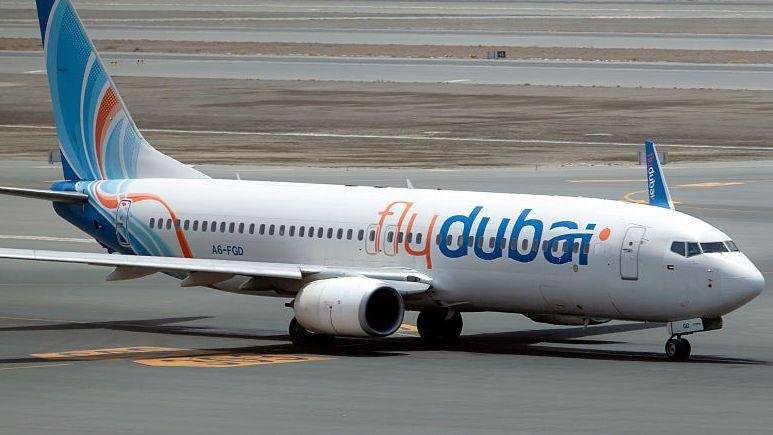
The FlyDubai flight, carrying dozens of passengers, eventually landed safely in Tabuk, a city in north-western Saudi Arabia that hosts both civilian and military facilities. Israeli media, citing security officials, reported that the incident was believed to have originated from a dispute between the pilots rather than an attempt to seize control of the aircraft.
The unexpected diversion nevertheless prompted a significant security response. Israel scrambled military aircraft after receiving information that the passenger plane might have been involved in a hijacking or another serious security incident. The situation later came under control, with Israeli authorities working to arrange the return of passengers.

The flight, identified as FlyDubai FZ 1073, had been travelling from Dubai in the United Arab Emirates towards Ben Gurion Airport in Israel when the emergency situation developed. Publicly available flight-tracking information showed that the aircraft transmitted an emergency alert during the journey.
According to flight-tracking data, the Boeing 737 Max 8 had been cruising at approximately 33,000 feet when it suddenly descended to around 17,000 feet within about a minute. The aircraft subsequently made an unusual circular movement near the Jordanian border before continuing towards Tabuk.
The unusual flight path and emergency alert immediately raised questions about what was happening inside the aircraft. A regional official briefed on the incident said a physical confrontation had apparently taken place in the cockpit and involved the pilots. The official said the precise reason for the dispute was not immediately known.
A second official confirmed that Israeli fighter aircraft had been scrambled because authorities feared the aircraft could have been hijacked. Both officials spoke anonymously because the incident remained under investigation at the time.
The possibility of a hijacking was particularly sensitive because the aircraft was carrying Israeli passengers travelling towards their home country. Israeli security authorities therefore treated the unexpected flight behaviour and emergency landing as a potentially serious threat until further information became available.
Israeli Prime Minister Benjamin Netanyahu’s office later said the situation was under control and that authorities were working to bring the passengers home. The statement helped ease concerns after the aircraft’s sudden change in altitude and direction had triggered the security response.
Passengers who spoke to Israeli television described hearing shouting towards the front of the aircraft. Those seated closer to the cockpit reportedly heard what appeared to be an altercation between the pilots. Passengers also described a noticeable and sudden descent before the aircraft eventually landed in Saudi Arabia.
After landing in Tabuk, the passengers remained on the aircraft for a period while Saudi security personnel surrounded the plane. The presence of a substantial security operation reflected the seriousness with which the incident was being treated, even though there was no immediate indication that passengers had been harmed.
FlyDubai later confirmed that its flight to Ben Gurion had experienced an incident and had landed safely in Tabuk. The airline said its teams were working closely with the relevant authorities and that additional information would be provided as confirmed details became available.
The airline did not immediately provide a detailed explanation of the reported cockpit confrontation. That left several aspects of the incident unresolved, including precisely what occurred between the pilots, how the dispute affected the aircraft’s operation and what prompted the emergency landing in Tabuk.
Incidents involving disagreements or physical confrontations between pilots are unusual but have occurred in commercial aviation. In 2022, two Air France pilots were suspended after becoming involved in a fight in the cockpit during a flight between Geneva and Paris. That aircraft did not require a diversion and completed its journey normally.
The latest incident was more complicated because of the aircraft’s route and the regional security environment. The plane was travelling towards Israel, and its sudden descent and unusual manoeuvres occurred close to an international border. Those circumstances meant that aviation and security authorities had to consider the possibility of a deliberate threat before the cause of the incident was established.
The emergency landing also had an unusual geopolitical dimension. Saudi Arabia and Israel do not have formal diplomatic relations, meaning that an Israeli-bound commercial aircraft landing unexpectedly in Saudi territory is a particularly sensitive event. The aircraft’s arrival in Tabuk therefore required coordination between Saudi authorities, the airline and Israeli officials.
Despite the initial fears, there was no immediate indication that the incident involved a terrorist attack or an organised hijacking. The information available pointed instead towards an incident involving the aircraft’s crew, although authorities had not publicly established a definitive account of what happened.
For the passengers, the experience was likely to have been unsettling. Hearing a disturbance near the cockpit, experiencing a rapid descent and then landing unexpectedly in another country would naturally raise concerns about the safety of the aircraft. The visible presence of security forces after landing added to the unusual circumstances.
The incident also demonstrates the importance of cockpit procedures and crew coordination in commercial aviation. Modern passenger aircraft are equipped with multiple safety systems, and pilots are trained to manage emergencies while maintaining control of the aircraft. However, a serious dispute between members of the flight crew can create an additional operational risk because the cockpit requires constant cooperation and clear communication.
The Boeing 737 Max 8 involved in the incident is a widely used commercial aircraft, and the available information did not indicate that the aircraft type itself was responsible for the emergency. Instead, the reported circumstances centred on the conduct and interaction of the two pilots.
Investigators are expected to examine flight data, cockpit communications and accounts from the crew and passengers to establish the precise sequence of events. Such information will be important in determining how the emergency alert was triggered, why the aircraft descended so rapidly and why the crew decided to divert to Tabuk.
The incident also underscores the role of flight-tracking systems in providing an initial picture during aviation emergencies. The aircraft’s sudden altitude change and unusual movement were visible through publicly available tracking data, offering observers an indication that something abnormal had occurred even before officials released detailed information.
For FlyDubai and the relevant aviation authorities, the immediate priority is likely to be establishing exactly what happened and ensuring that passengers can safely continue their journeys. The aircraft and its crew will also be subject to appropriate procedures while the incident is assessed.
As the investigation continues, officials are expected to clarify whether the reported cockpit confrontation directly caused the emergency landing or whether other factors contributed to the decision to divert. Until those findings are established, several details remain based on preliminary accounts from officials and passengers.

What is clear is that a routine journey from Dubai to Israel was unexpectedly interrupted, triggering a major security response before the apparent cause became clearer. The aircraft landed safely in Saudi Arabia, and no immediate reports indicated that passengers had been injured.
The episode is likely to receive continued attention because of its combination of aviation safety, passenger security and regional sensitivities. It also serves as a reminder that even incidents arising from apparently personal disputes inside a cockpit can rapidly develop into major security concerns when an aircraft changes course unexpectedly and emergency systems are activated.
For the passengers aboard FZ 1073, the immediate concern is now reaching their destination safely. For investigators and aviation authorities, the more important task will be determining precisely what happened inside the cockpit and ensuring that any lessons from the incident are addressed before the aircraft and crew return to normal operations.
Related News:
 Two Dead in Adelaide Airport Plane Crash Fire
 China Fireworks Factory Blast Kills 21 in Hunan
 China mine blast death toll rises to 90
 Teen Charged After Layla Jeffery Found Dead
 Briton Faces Cyprus Court Over Son’s Fatal Fall
 Japan PM Backs International Criminal Court
 King Refers Jamaica Slavery Petition to Privy Council
 French Student Protests Escalate Into Violent Clashes
 Just Stop Oil Protesters Convicted Amid Climate Defence Row
 British Grandmother to Return Home After Death Sentence in Bali
 Oklahoma Governor Grants Last-Minute Clemency to Death Row Inmate
 Teens ‘Ran Amok’ at Ex-MP’s Covid Testing Firm
 Undercover officer deceived women with ‘grotesque and cruel’ lies, spycops inquiry told
 California fireworks blast: murder charges filed in case
 Ben Roberts-Smith Denies War Crime Allegations in First Statement
 Learner Driver Charged After Expo Tragedy
 OpenAI CEO Apologizes After Canada Shooting Case
 Ukraine Urges UK to Seize Russian Oil Tankers
 Escobar’s Hippos May Be Moved to India Zoo
 Police Suspect Help in Missing Alice Springs Girl Case
 Cartel crackdown raises fears of fresh violence
 Search Intensifies for Missing Hiker on WA Bibbulmun Track
 Barrister Criticises Trial After Suicide Case Verdict
 Ebola outbreak in DRC overwhelms health system as cases surge
 Trump’s Revenge Drive Deepens GOP Divide
 Victim says non-custodial rape sentence ‘rock in my face’
 Gunman Killed After White House Security Shootout
 Irish Gangland Figure Fails in Dublin Election Bid
 Thailand Tightens Visa Rules to Curb Tourist Misbehavior
 New Footage Revives Peter Falconio Mystery
 Le Pen’s Popularity Holds Despite Conviction
 Dreyfus Statue Finally Gets Permanent Paris Home
 England and Norway Fans Turn Miami Into World Cup Carnival
 Olympus Awaits Unesco Heritage Recognition
 Pradhan Resigns Amid Protests
 Westminster Council Threatens Charing Cross Soup Kitchen
 BBC Warned About Missing Clothes of Murder Victim
 Israeli Strike in Southern Lebanon Kills Seven
 Cambridge Professor Jason Arday Found Dead at Home
 Five Years of Taliban Rule Leave Afghanistan in Crisis
 Australia Races to Find Tourists Missing in Nepal
 Nepal Flood Death Toll Tops 300 as Second Flood Feared
 Nepal Flood Survivors Face Unimaginable Loss
 Argentina Orders Return of Nazi-Looted Painting
 Nepal Tunnel Rescue Offers Hope Amid Flood Devastation
 Masked Protesters Bring Dover Port Traffic to Standstill
 UN expert urges UK to rethink Israel policy
 Armed Suspect Attacks Ohio Governor Candidate
 Councils spend £125m on illegal children’s care
 British widow says deportation from Sweden feels like a death sentence
 Miliband Rejects Chief Rabbi’s West Bank Warning
 Patriot Platform Raises Concern Across Britain
 Israel Accused of Undermining Palestinian Life
 Yemen War Displaces 125,000 as Fighting Intensifies
 Iran School Strike Raises War Crimes Questions, UN Says
 Gaza Strike Kills Child and Paramedic
 Texas Transfers Raise Fears for Migrant Children
 Memphis Questions National Guard Crime Surge
 Mahmood Warns Far Right Over Asylum Protests
 Saudi Pact Raises Risk of Pakistan Entering War
 South Africa’s Femicide Crisis Deepens
 Patrick Clancy speaks publicly about children’s deaths
 China’s MeToo Movement Finds New Ways to Survive
 British Columbia Sues OpenAI Over School Shooting
 Clancy Defense Seeks Inquiry Into Lone Juror
 UK Reviews Hague Child Abduction Cases Involving Abuse
 Democrat Says ICE Restricted Detention Camp Oversight
 Sri Lanka Easter Bombings: 15 Get Long Prison Terms
 Paris child pickpocketing gang leader jailed for eight years
 Greece Pushes for Parthenon Marbles Reunification
 Ukraine and Russia Escalate Long-Range Drone War
 Far-Right Activist Arrested After Channel Dinghy Incident
 Nepal PM calls deadly flood a global climate warning
 Yemen fighting forces children out of school and into work
 Portadown protest ends after tense Orange Order standoff
 Three Die in Channel Crossing Attempt Near France
 Tennessee Set to Execute Woman After Clemency Denied
 Cornell Fraternity Assault Investigation Reopened
 Fayed Survivors Demand Inquiry Into Medical Regulator
 London Facial Recognition Trial Ends With False Alert