Published: 09 October 2026. The English Chronicle Desk. The English Chronicle Online
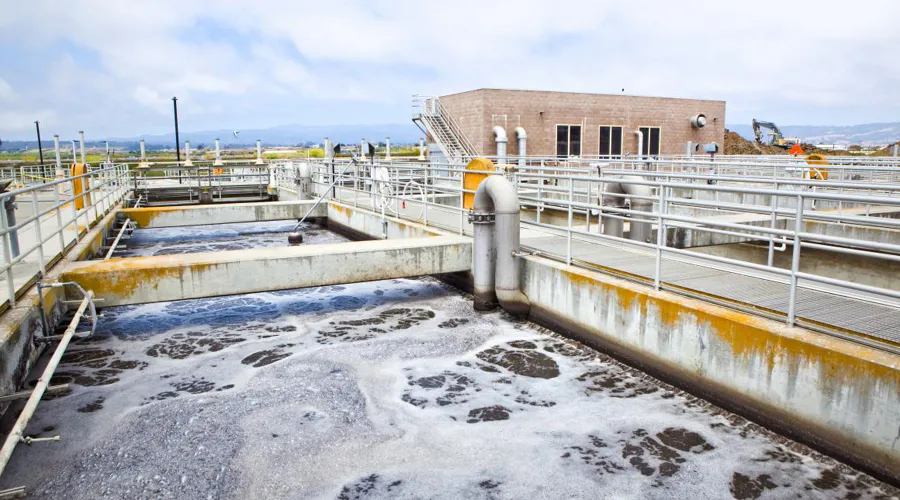
Water companies across the United Kingdom generated more than £340 million in revenue last year by accepting industrial and commercial wastewater at sewage treatment plants, an investigation has found, raising serious concerns about chemical pollution, regulatory oversight and the environmental consequences of a lucrative but largely opaque trade.
The investigation identified approximately 608 billion litres of industrial wastewater entering sewage treatment works annually from facilities including power stations, pharmaceutical manufacturers, food factories, hospitals, abattoirs and waste-processing sites. Experts have warned that many conventional sewage plants are not designed to remove a wide range of industrial chemicals, meaning potentially harmful substances can remain in treated water or accumulate in sewage sludge that is later spread on agricultural land.
The findings have intensified questions about whether the current system adequately protects rivers, lakes, seas, farmland and public health. They have also prompted renewed calls for stronger oversight of industrial waste disposal and greater transparency about what enters the country’s wastewater network.

Under the existing framework, businesses can apply to water companies for permits known as trade-effluent consents, which allow industrial and commercial wastewater to be discharged into sewers connected to sewage treatment facilities. Water companies administer these consents and can refuse applications, but the process lacks an independent regulator specifically overseeing the system and there is no central national register covering all such permits.
To establish a clearer picture of the industry, Watershed Investigations, working with the Guardian and environmental campaign group River Action, compiled a database containing approximately 26,000 trade-effluent consents. The resulting analysis provides a national overview of the scale of industrial wastewater entering the sewage system and the businesses authorised to send it to particular treatment works.
An industry expert described the arrangement as a “black box”, reflecting concerns that the scale and composition of the waste remain insufficiently visible to regulators and the public. The investigation suggests that the absence of comprehensive central monitoring makes it difficult to determine precisely how much industrial pollution enters treatment plants and whether existing facilities can adequately manage it.
The central technical problem is that many sewage treatment works rely primarily on biological processes designed to break down organic waste. Although these processes are effective for certain forms of sewage treatment, they are not necessarily capable of removing industrial chemicals such as flame retardants, solvents, pharmaceuticals and per- and polyfluoroalkyl substances, widely known as PFAS or “forever chemicals”.
Some permits in the database also list substances including cyanide, chromium, cadmium and mercury. These chemicals differ in their properties and potential effects, but their presence raises questions about whether wastewater treatment facilities have sufficient information, equipment and safeguards to prevent harmful contamination.
When pollutants survive the treatment process, they can leave sewage works through outlets carrying treated effluent into rivers, lakes and coastal waters. Other contaminants may become concentrated in sewage sludge, some of which is subsequently applied to farmland as fertiliser. This creates another potential route through which pollutants can enter the wider environment.
The consequences may therefore extend beyond the immediate location where industrial waste is produced or treated. Water pollution can affect aquatic ecosystems, while the movement of contaminated sludge onto agricultural land raises questions about the long-term management of substances that conventional treatment systems cannot reliably remove.
Industrial wastewater also places additional pressure on sewer networks. When these systems become overloaded, the risk of sewage spills can increase, adding to the wider environmental problems associated with the UK’s ageing wastewater infrastructure. Sewage discharges have already triggered public anger, community protests and demands for fundamental reform of the water industry.
The financial scale of the trade is substantial. United Utilities recorded the highest reported revenue from industrial waste in the latest financial year, at £61.6 million, followed by Yorkshire Water with £48.8 million. Thames Water handled the largest permitted volume of industrial wastewater, at approximately 113 billion litres, while United Utilities accounted for 105 billion litres and Severn Trent Water for 79 billion litres.
However, comparisons between companies require caution because their reported figures do not necessarily cover identical activities. Some companies include revenue from waste transported to treatment plants by tanker, while others report such income separately through different businesses within their corporate groups. Welsh Water, Scottish Water and Wessex Water said they routed commercial tankered waste through separate companies within their groups.
Despite these differences, the investigation found that revenue from accepting industrial and commercial wastewater had risen sharply across the sector over five years. Anglian Water’s revenue from the activity increased by 62%, illustrating the growing financial significance of the business.
An industry expert warned that the current arrangements could create a financial incentive for water companies to accept more toxic material than their facilities can properly handle. The expert also argued that the permit system was outdated and poorly suited to modern pollution challenges, noting that environmental regulators did not have a complete picture of the volume of waste entering treatment works each year.
The use of tankers adds another dimension to the problem. Waste contractors transport industrial effluent, landfill leachate and other liquid waste to selected sewage treatment facilities. Landfill leachate, the liquid that drains through or emerges from waste deposits, can contain a complex mixture of potentially harmful substances. An Environment Agency officer identified it as a particularly serious concern.
The officer and the industry expert both pointed to Davyhulme wastewater treatment works in Manchester, operated by United Utilities, and the Avonmouth facility, operated by Wessex Water, as major recipients of tankered waste. The expert described tankers travelling long distances to dispose of their loads, with queues reportedly forming outside Avonmouth.
The ability to identify contaminants before waste enters a treatment plant remains another challenge. Checks may involve taking samples and conducting basic tests, including measuring acidity or alkalinity through pH testing. While such checks can provide useful information, they cannot identify many complex chemical pollutants.
An Environment Agency officer warned that by the time a harmful substance was identified, the waste might already have entered the system. The officer argued that waste producers should provide sufficient information about the materials they generate so that receiving companies can determine whether they are equipped to treat them appropriately.
The officer also stressed that a lack of knowledge should not excuse inadequate controls. Water companies, the officer said, should seek enough information from waste producers to establish whether the material can be safely managed at the intended facility.
The findings have prompted criticism from environmental campaigners. Amy Fairman, head of campaigns at River Action, argued that industrial pollution should not become a profitable business for water companies while the costs and consequences are borne by communities and the environment. She called for polluters to be held accountable and required to pay for the damage associated with their waste.
Fairman also said the public had a right to know what substances were entering sewage treatment works and where those pollutants ultimately ended up. She urged the government to address the weaknesses exposed by the investigation as part of its wider commitment to improving water quality.
The Department for Environment, Food and Rural Affairs said water companies should not profit from pollution and acknowledged that the sector had failed to serve the public interest for too long. A department spokesperson said reforms were being pursued, including changes to wastewater disposal.
The Environment Agency said the trade-effluent framework had been developed more than 30 years ago, before many current concerns about substances such as PFAS were fully understood. It said work was under way to improve the management of contaminants in wastewater.
Water UK, the industry’s trade association, said water companies were legally obliged to accept trade effluent and that charges were set by Ofwat. It also argued that existing permit arrangements did not adequately account for the fact that sewer networks and treatment facilities were not designed to remove every toxic substance entering the system. The organisation called for restrictions on harmful chemicals and measures requiring manufacturers to bear the costs of removing pollution from the environment.
United Utilities said it operated strict consent and control procedures under regulatory requirements intended to protect public health and the environment. It said wastewater was assessed, monitored and treated, adding that tankered waste, including landfill leachate, was accepted only at specifically permitted sites.
Northern Ireland Water said applications involving priority substances were referred to the Northern Ireland Environment Agency and that dedicated teams sampled sewer and tanker effluent to oversee compliance. Scottish Water said its decisions considered treatment capacity, protection of infrastructure and staff, and compliance with environmental standards.
Industrial businesses can also discharge wastewater directly into rivers and seas, but those discharges are subject to permits issued by environmental regulators. The investigation’s findings nevertheless raise a broader question about whether the system governing wastewater sent through public sewer networks provides sufficient protection against industrial pollution.

The challenge facing policymakers is to reconcile the need to manage commercial waste with the obligation to protect the environment. Stronger monitoring, reliable information about chemical composition, clearer accountability and investment in appropriate treatment technologies could help address the gaps identified.
Without meaningful reform, campaigners warn that the public may continue to face the consequences of a system in which industrial wastewater generates significant income while some pollutants pass through treatment plants and enter the natural environment. The investigation has placed renewed pressure on the government, water companies and waste producers to demonstrate that industrial waste is being managed safely, transparently and in the public interest.
Related News:
 Thames Water Revises Oxfordshire Mega-Reservoir Plan
 Feeld Founders Receive Record Dividend as Sales Rise
 BT Broadband Pauses Raise Digital Switchover Concerns
 Heavier SUVs Accelerate Britain’s Pothole Crisis
 Reform UK funding: mystery billionaire revealed
 UK rejects EV charging VAT cut amid Treasury clash
 London’s 2026 ‘Great Stink’ Raises Sewer Concerns
 Burnham unveils £65m drought aid for farmers
 UK Risks Falling Behind in AI Race
 UK Subsidence Claims Surge After Record-Breaking Summer
 UK retailers plan 100,000 placements for young people
 McLaren to Create 1,000 UK Jobs in £450m Investment
 Nats Boss Summoned as UK Flight Chaos Continues
 UK Retailers Accused of Breaking Refund Laws
 UK Heatwaves Set to Worsen Pothole Damage, RAC Warns
 Mayors Could Gain Greater Powers Over Water Firms
 Horse Hill Oil Site Sold for £1m as Drilling Bid Returns
 Chinese Hybrid Car Surge Raises EU Auto Industry Concerns
 Norfolk Broads Housing Levy Faces Environmental Criticism
 TalkTalk Races to Sell Arms as Administration Looms
 New UK Homes in Flood Zones Face Insurance Risk
 Dale Vince Plans New London-Wide News Operation
 Poundland Rescue Bid Could Protect 11,000 Jobs
 Bank Chief Calls for Power to Intervene in AI
 Edinburgh Glasshouses Reopen After Major Restoration
 BBC Three and Scotland Face Online-Only Future
 Palantir Lobbyist Had Role in Burnham Campaign
 Asos Investigates Hack Claims After Customer Alerts
 Drax Datacentre Faces Major Carbon Emissions Concerns
 Bendy Elm Named UK Tree of the Year
 Britons Demand Greater Honesty on Climate Crisis
 UK Taskforce Unveils Plan to Streamline Nuclear Reactor Rules
 AI job losses UK: Britain faces sharper employment shock
 Aberdeen Chosen for GB Energy HQ at Marischal Square
 UK Energy Reform Could Cut Bills by £200
 Rising Costs Force Families to Rethink Days Out
 Older Than Dinosaurs: Secrets of Mayfly Dance Revealed
 Tractor Breakdown Tests Lincolnshire Farmers
 UK Schools Struggle as Classrooms Top 40C
 London Tube Heat Reaches Dangerous Levels
 Three-Quarters of England’s Riverbanks Still Off Limits
 Weight-Loss Drugs Offer Food Savings Mainly to High Earners
 Gen Z turns to BirdTok for a gentler digital escape
 London Launches First Self-Driving Taxis
 UK House Prices Fall as Mortgage Rates Rise
 Billionaire Chris Rokos poised to leave UK
 Councils spend £125m on illegal children’s care
 Oil nears $100 as Saudi attacks shake markets
 JPMorgan Boss Warns Against UK Bank Tax Rise
 Iceland to Open First UK High Street Store in Falklands
 John Lewis Losses Widen to £124m as Confidence Falls
 AI CEOs Call for Slower Development
 Heathrow Expansion Faces New Climate Conditions Over CO₂
 Mayors Could Gain New Powers Over UK Water Firms
 Horse Hill Oil Site Sold as New Drilling Bid Emerges
 Entain Plans 400 Job Cuts After Profit Update
 UK Productivity Improves as Bank Weighs Interest Rates
 Tom Watson Takes Senior Role at Palantir
 UK Rent Gap Puts Low-Income Families Under Pressure
 Labour Apprenticeship Scheme Faces Slow Start
 UK Funds Gene Editing to Protect Threatened Wildlife
 Australia Renewables Reach Record 80% Grid Demand
 Tropics May Wait Longest for Net-Zero Climate Benefits
 AO Acquires Jessops in Camera Retail Expansion
 Frome Community Loses Bid for Major Regeneration Site
 Most Popular UK Hybrids Miss Rapid Charging
 Avanti West Coast Set for Public Ownership in March
 London Facial Recognition Trial Ends With False Alert
 UK University Strikes Spread as Financial Pressure Grows
 Burnham Opens Door to Possible UK Return to EU
 Healey urged to act as UK energy bills rise 4%
 UK Bookmakers Linked to Offshore Casino Deal
 Badenoch Raises Prospect of 2027 UK Election
 UK Diesel Reaches £2 as Inflation Surges Across Europe
 Minister Rejects Fears of UK Diesel Shortage
 Experts Warn UK Food Security Is at Risk
 UK Weighs Chinese Car Tariffs Amid EU Trade Push
 BT Agrees £400m TalkTalk Rescue Deal
 Royal Mail Plans Up to 2,500 Job Cuts
 Norway Fjord Faces Fresh Mine Waste Dumping